
Caput Mundi. First time in Rome.
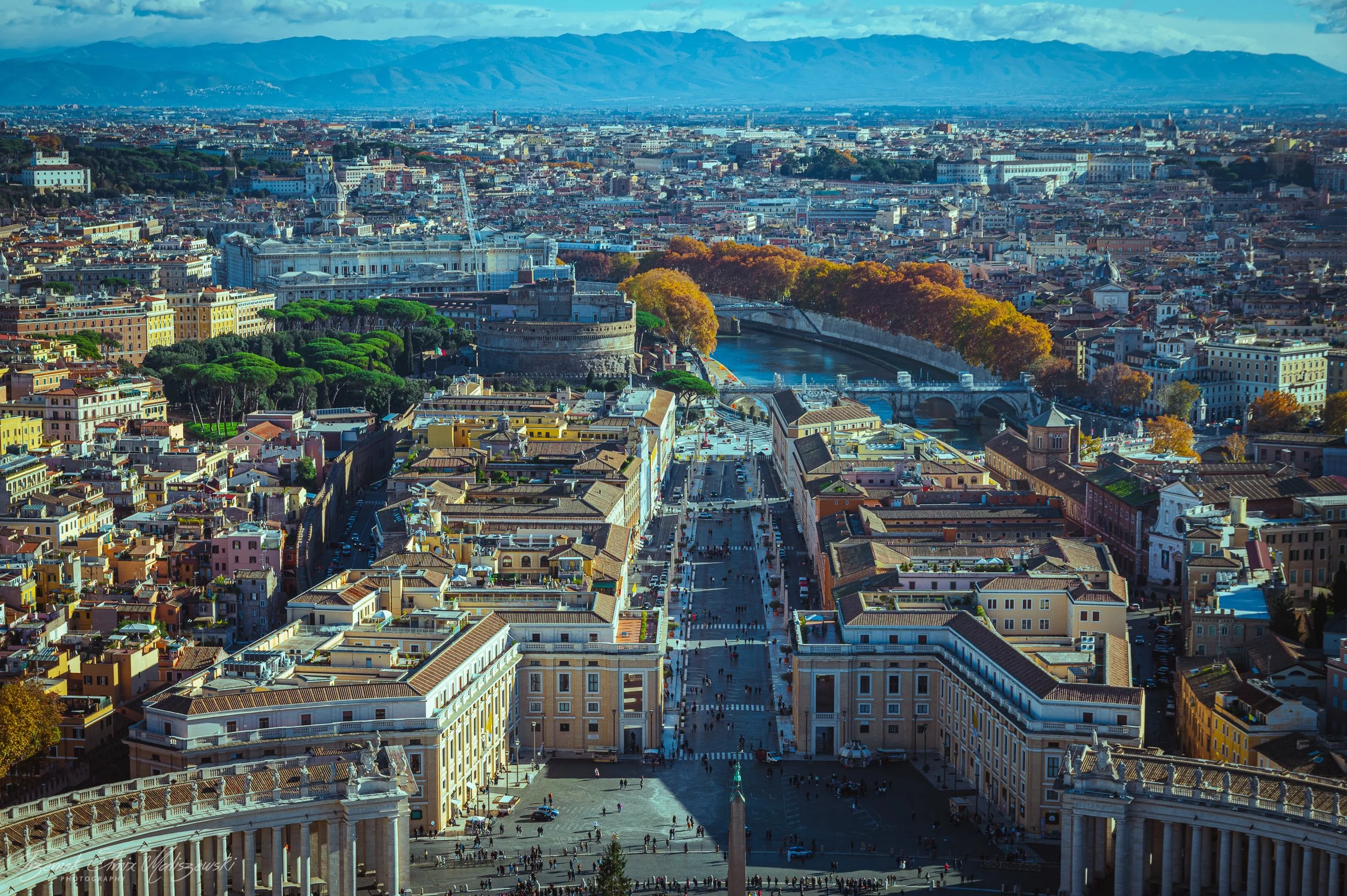
Exactly to the east, from the lantern of the dome of St. Peter's Basilica, stretches a view over St. Peter's Square, and beyond it, the Tiber and the Central Apennines tracing their line on the horizon
I was wondering how to kick off this blog. It’s actually a pretty big deal for me, as returning to the media world after all these years feels like a natural byproduct of the photographic side of my life. A long time ago, I used to run my own little "photography corner" on a completely different website, but as they say—those days are gone for good.
This new blogging incarnation of mine is intended to focus mainly on travel. "Mainly" doesn’t mean—God forbid—"only," but I’ll likely spend most of my time writing about my experiences and reflections based on my travels. For me, they provide the most pleasant backdrop for various musings, including those on photography.
So, I thought that since I am, in a way, being reborn after years of "media non-existence," Rome would be the perfect setting to initiate this new chapter. After some thought, I decided to start with my first trip to the Eternal City, which took place in late November/early December 2024. It was a trip I had been planning for a long time—years, even!
Before I finally made it there, I had already explored Italy quite extensively, but for some unknown reason, Rome always remained on the back burner. Perhaps it was because I sensed I might have a "slight problem" with Rome: once I finally visited, I wouldn’t just want to go back, I would need to. (Spoiler alert: I was right; there has already been a second trip, and there will be more).
On a side note, I’ve really missed writing. Forgive me if there’s a lot to read sometimes. If you start yawning, at least look at the pictures.
So, here we go.
Onward to adventure!
As I’ve already shared, I had been planning to visit the Italian capital for a very long time—essentially for as long as I can remember. However, something always seemed to get in the way (usually trips to other parts of Europe), not to mention a permanent lack of time. I dreamed of strolling along the Tiber, of wandering aimlessly through Trastevere, and, naturally, of sightseeing—but only after starting the day at a local café with a cappuccino and something dolce.
For instance, what turned out to be my favorite: the maritozzo. It’s supposedly Rome’s most famous pastry—a yeast bun, typically brioche-style, split down the middle and filled with sweetened whipped cream. I developed such a taste for it that from then on, more or less consciously, whenever I craved a little something sweet, I found myself looking for it everywhere.
The maritozzo.
Naturally, I also dreamed of sightseeing—of seeing with my own eyes all those world-famous, one-of-a-kind wonders of architecture, sculpture, painting, and art in general. I simply don’t have enough of it in my daily life, yet I feel a need to immerse myself in it quite intensely and often.
I also have a strong predilection for old things and everything described by the term "vintage"—especially when these "old things" are still alive, still echoing with human voices and various activities (a category that, for me, also includes vintage cars and planes). At the same time, they are brimming with history, overwhelming the imagination with centuries of events, which in itself is enough to amaze, enchant, delight, and inspire me.
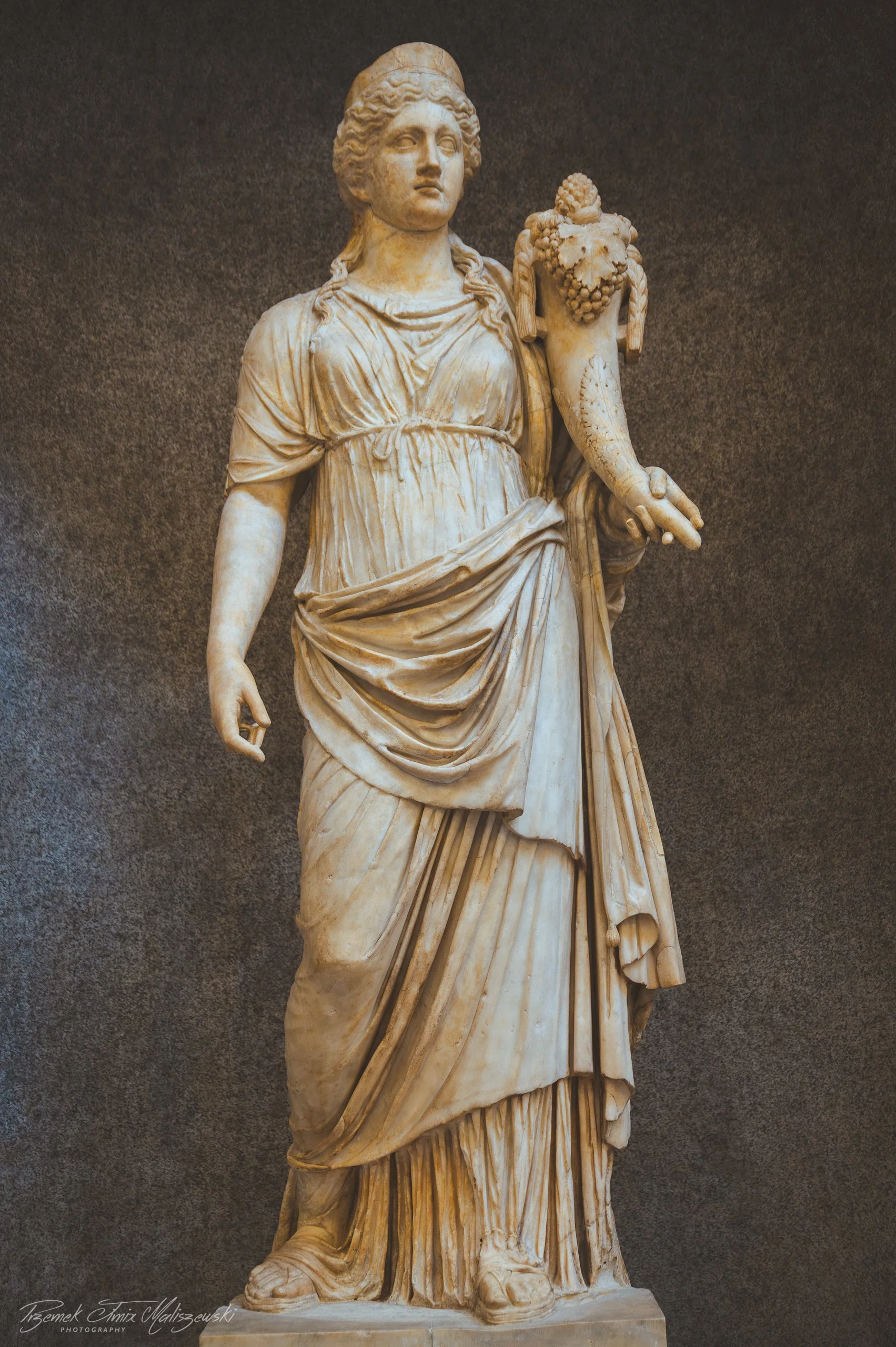
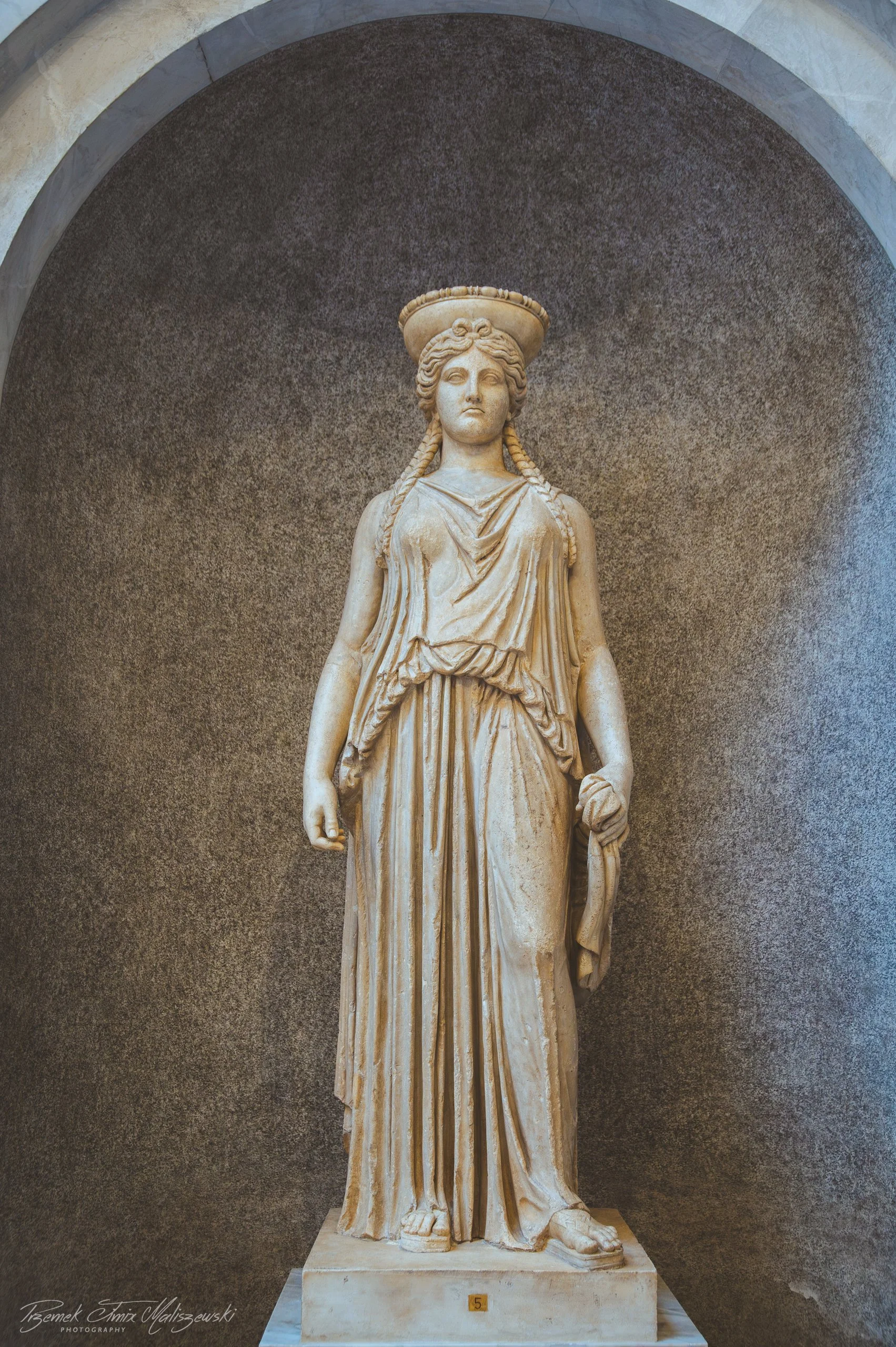
Hera, Musei Vaticani.
So, dreaming of my visit to Rome, I thought primarily about immersing myself in the city—about losing myself in it as much as possible. After all, it was my first time there, and truth be told, I didn’t know what to expect. Would it enchant me? Or perhaps disappoint? Would its sheer scale and the historical weight of its influence on civilization and the fate of people—even those living far away—overwhelm me, or would it instead help me better understand some of the trajectories along which the history of Europe and the world unfolded?
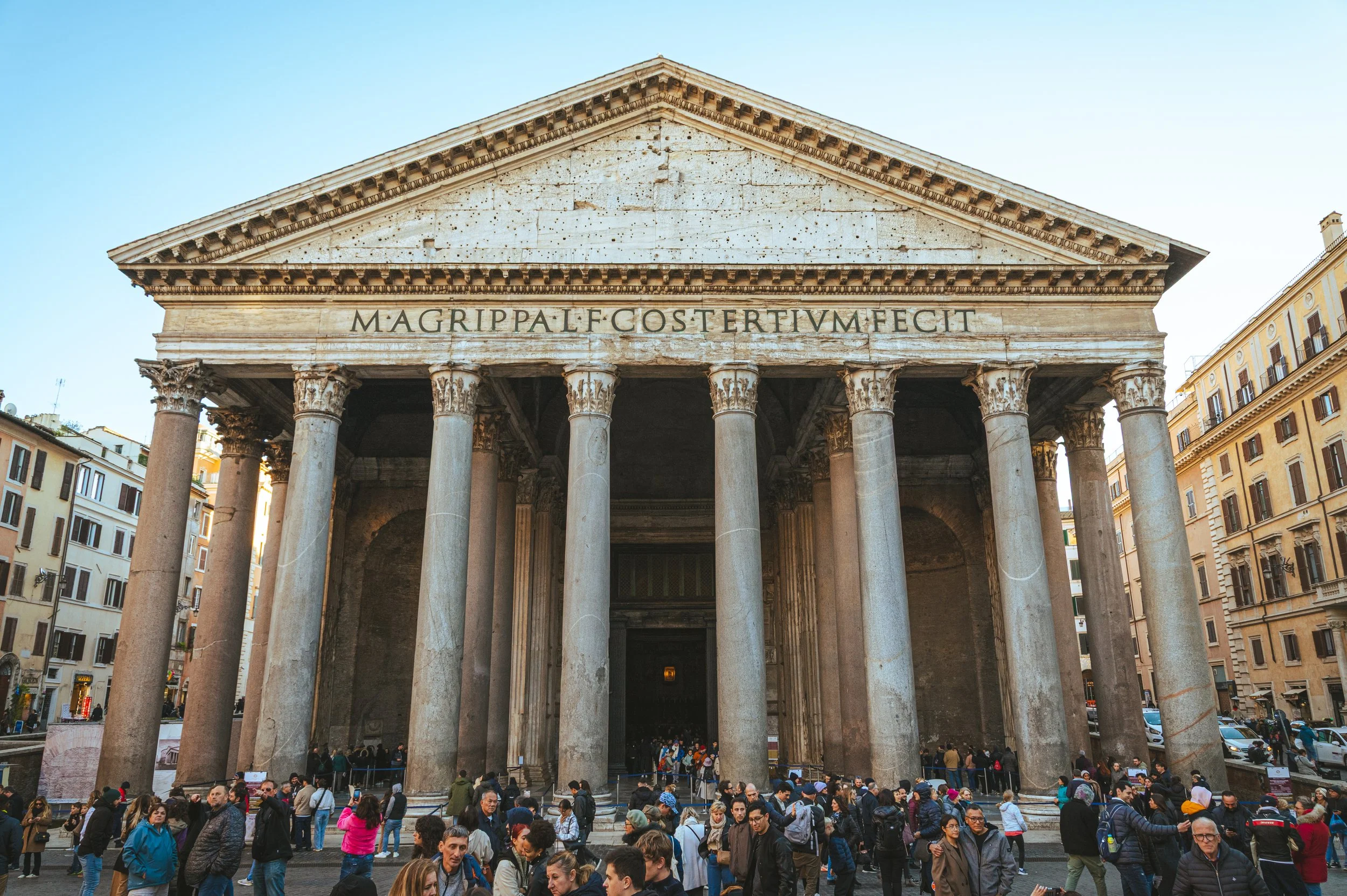
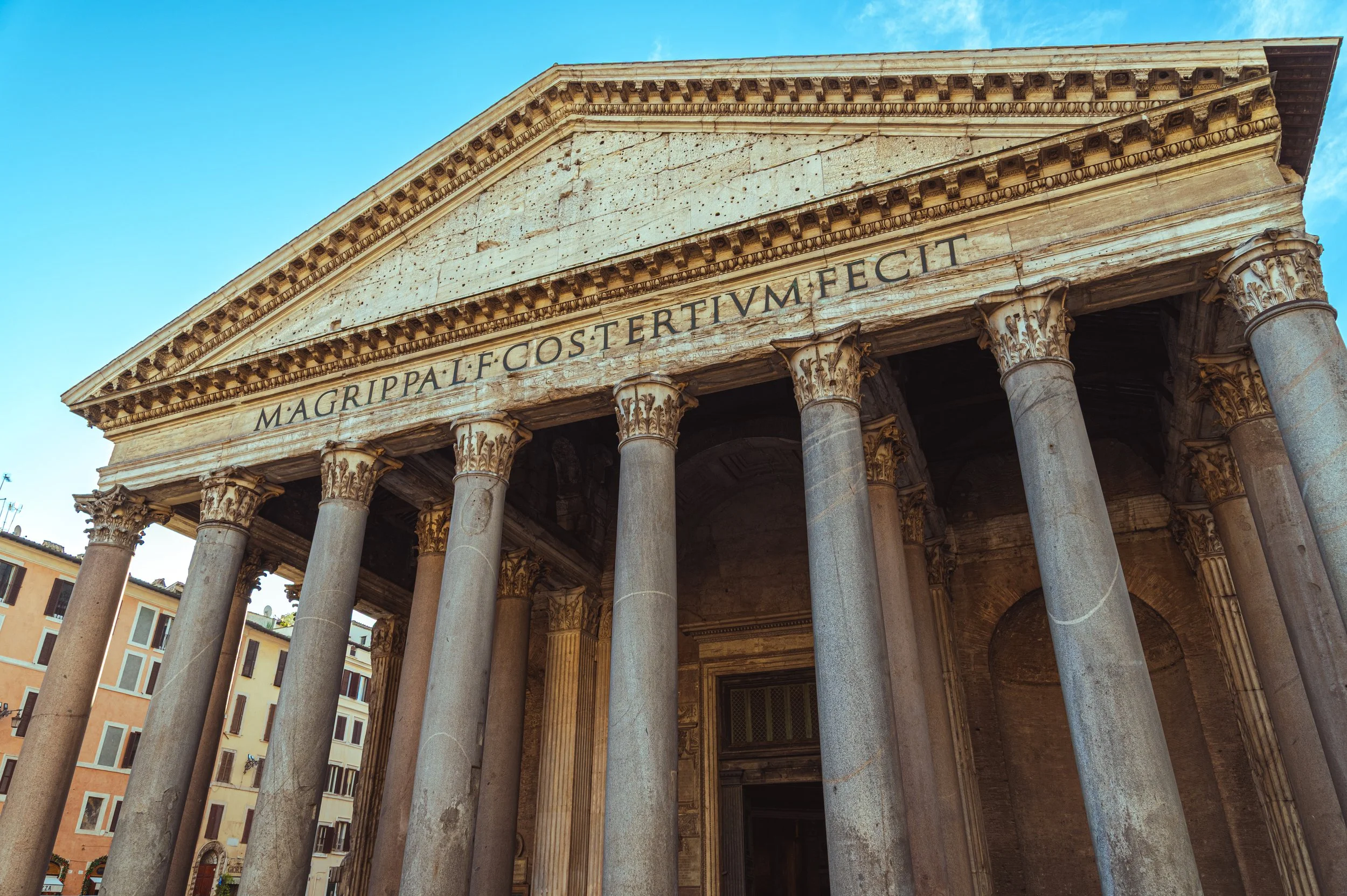
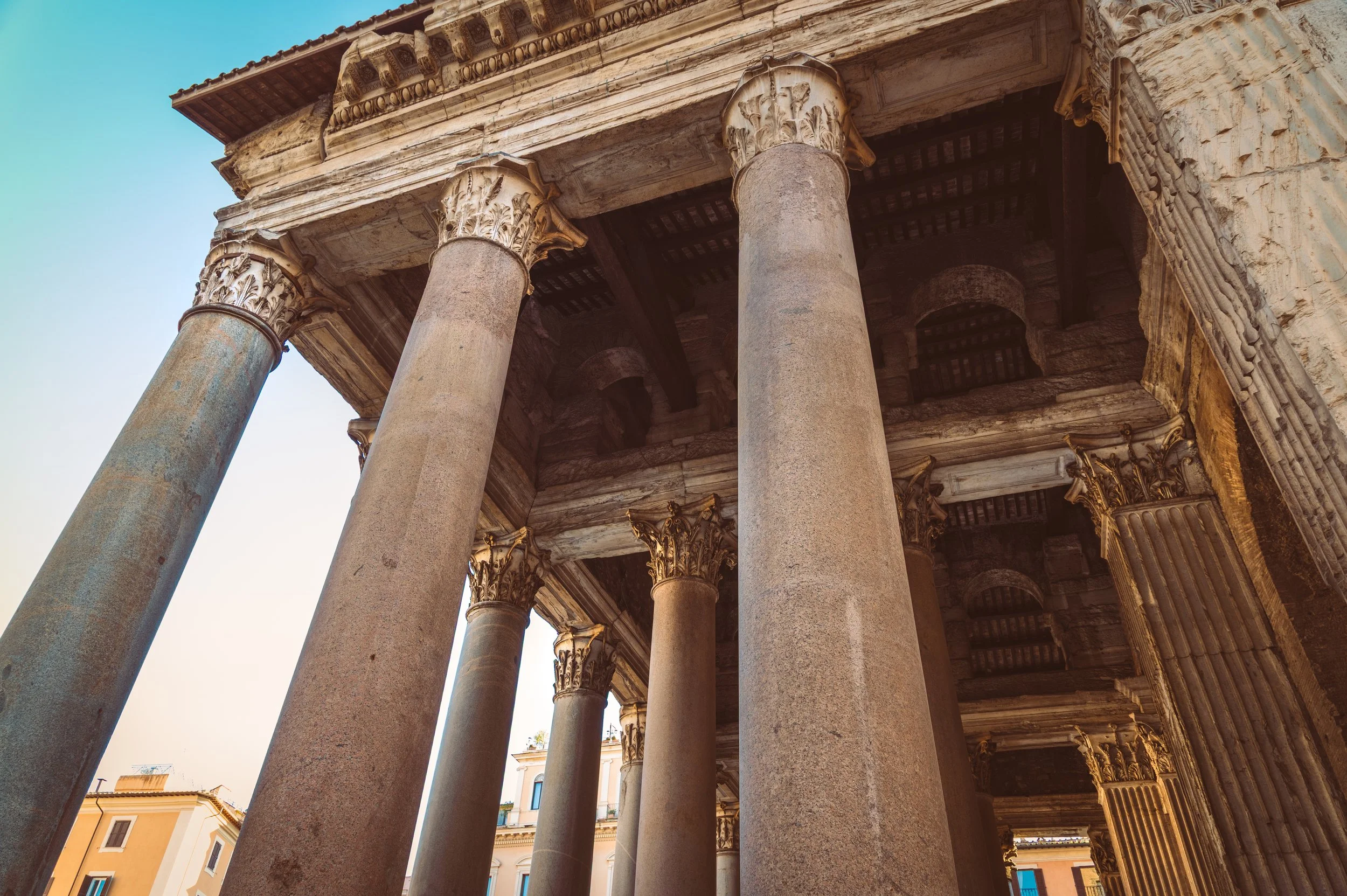
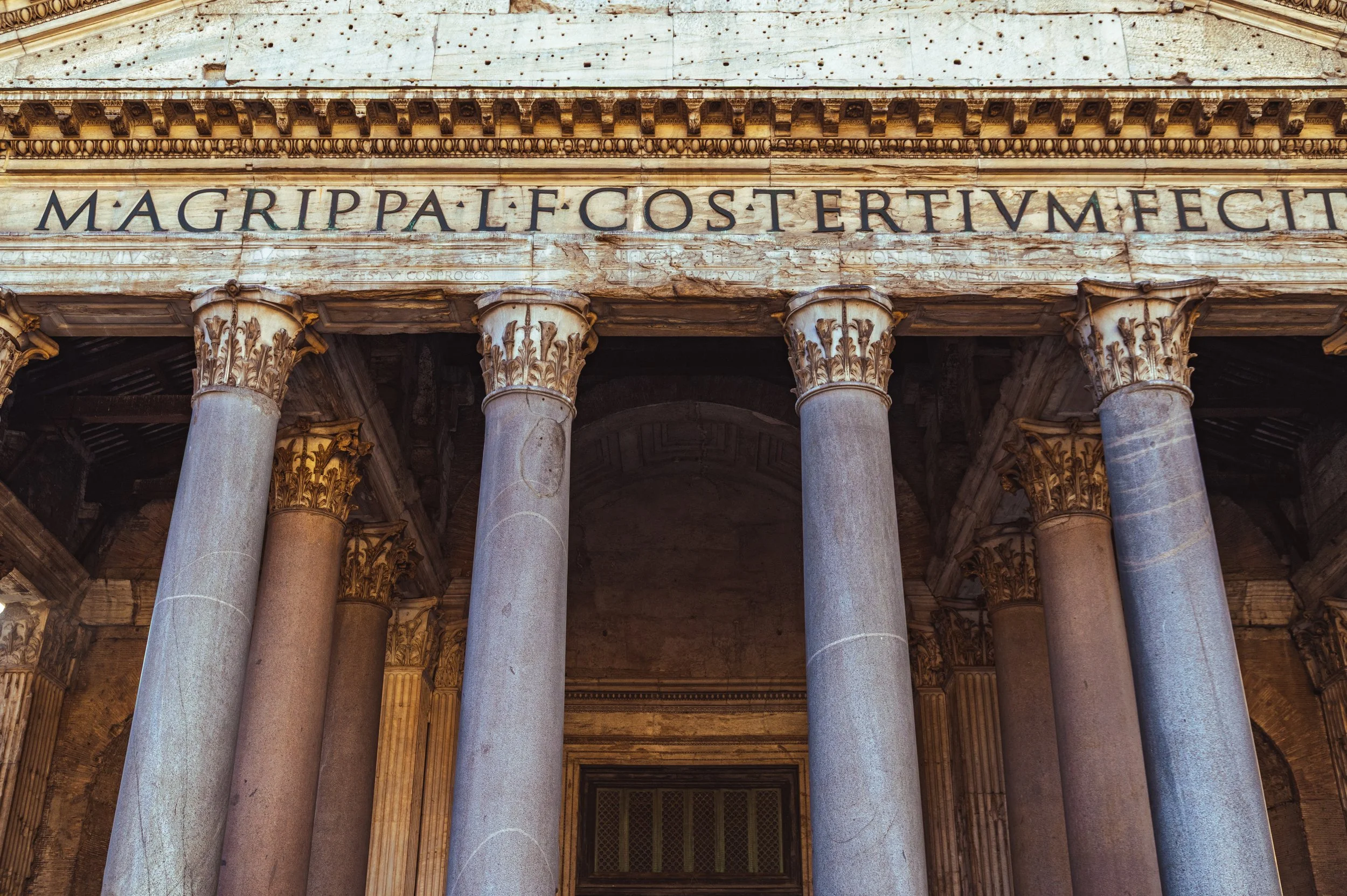
How would the centuries—and in some cases, nearly two millennia—of the existence of its buildings and walls speak to me? What would I feel looking at the Ionic columns supporting the architraves of the Roman Forum ruins, or the tympanum of the Pantheon? After all, the ancients looked at them and admired them too; many of them stood in the exact same spot—even, trigonometrically speaking, in the very same space where I would be standing. It’s like being transported back in time. It has to be impressive. And it is.
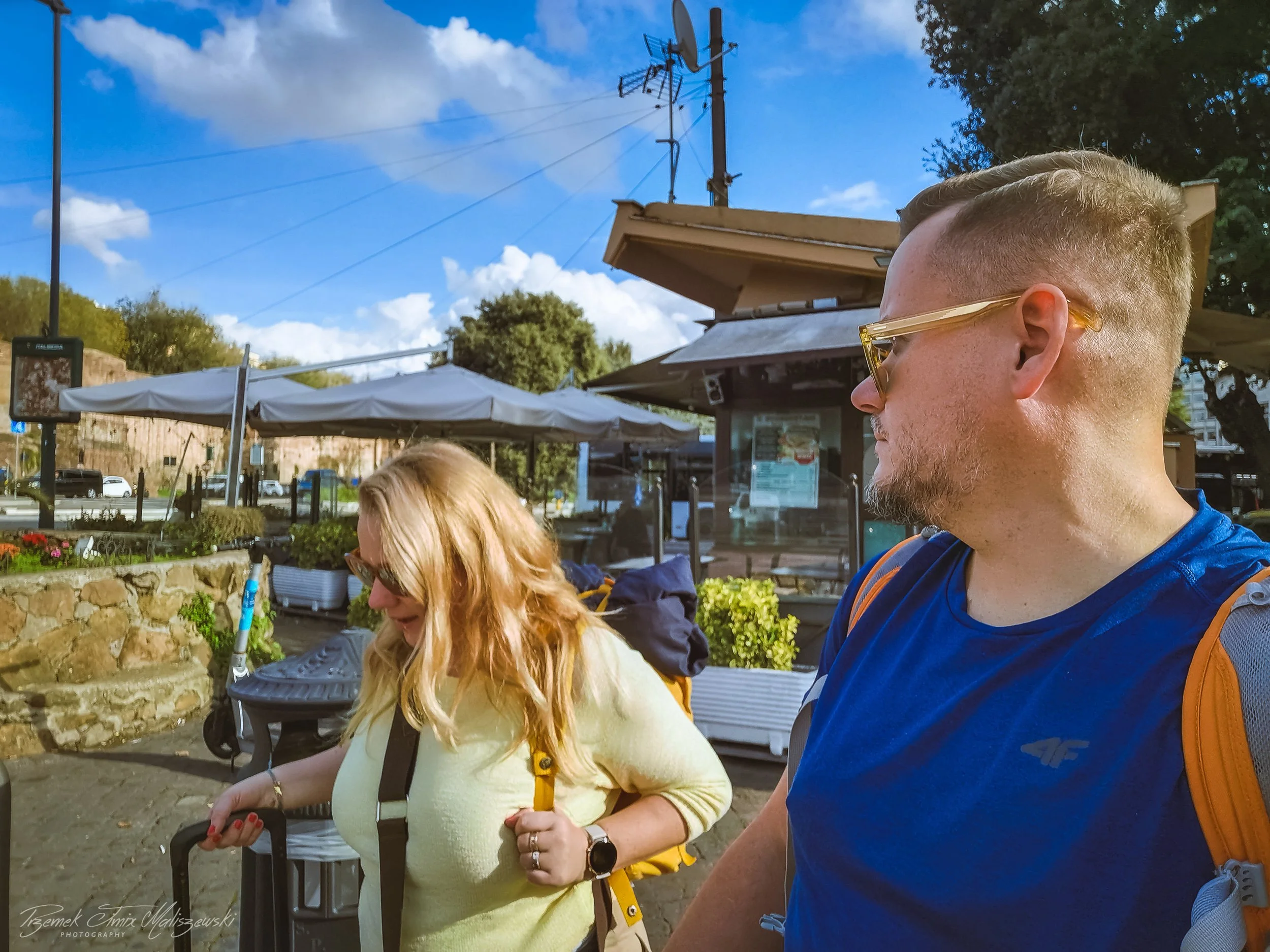
We take the bus from Roma Ciampino Airport to Roma Termini, and from there, the metro to Trastevere.
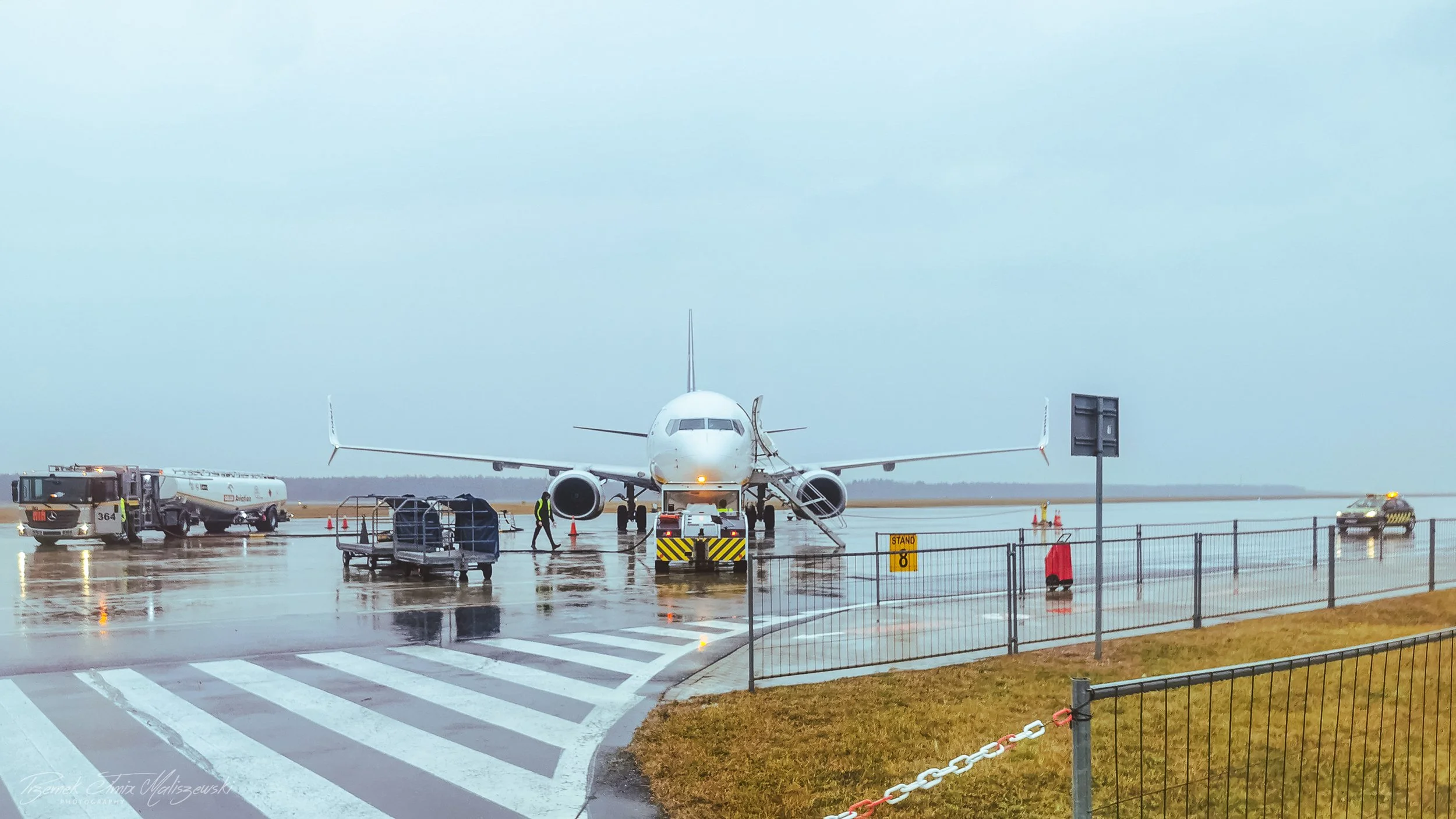
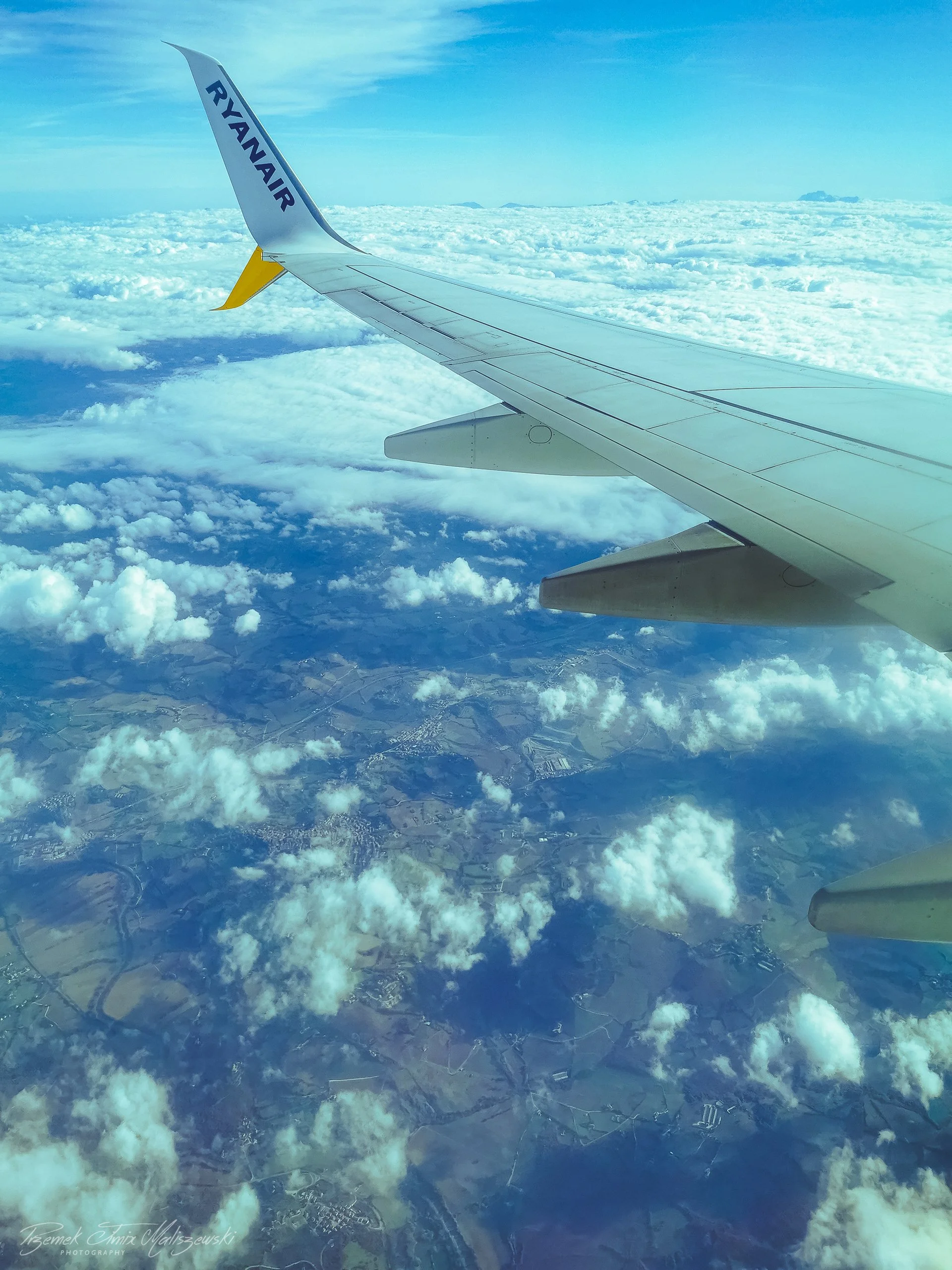
The flight from Modlin brought us to late-autumn Rome in less than two hours. It takes me longer to drive stress-free from Białystok to Warsaw without risking a speeding ticket. So, you could say that just over an hour and a half is all that separates us from biting into a maritozzo and sipping an excellent cappuccino while sitting in a bustling café on Piazza della Rotonda.
Landing at Ciampino, a bus to Roma Termini, then a short hop on the metro, followed by a bus to Trastevere, where we had rented an apartment. And that was it. Rome! I’m here... Holy crap!
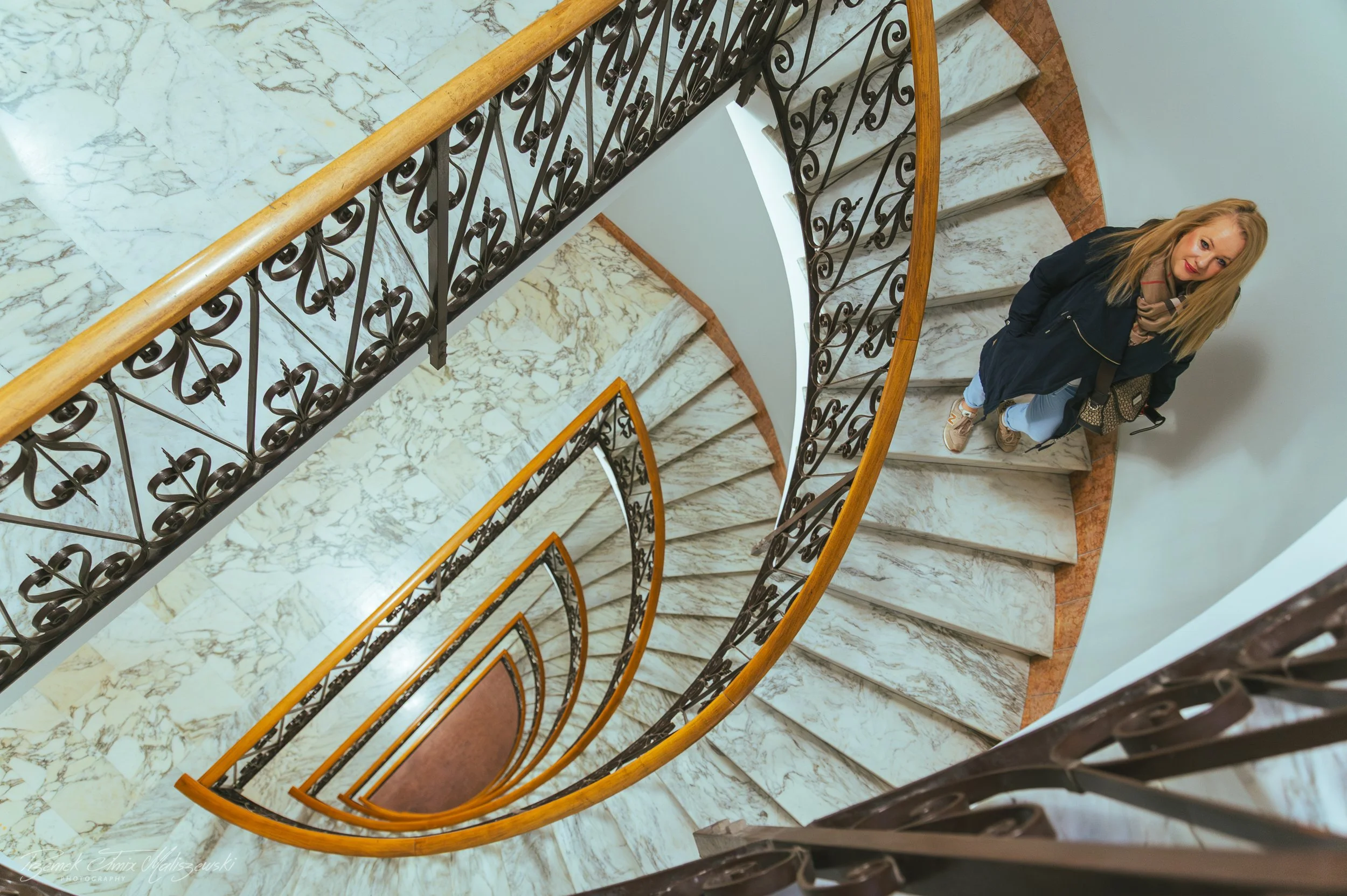
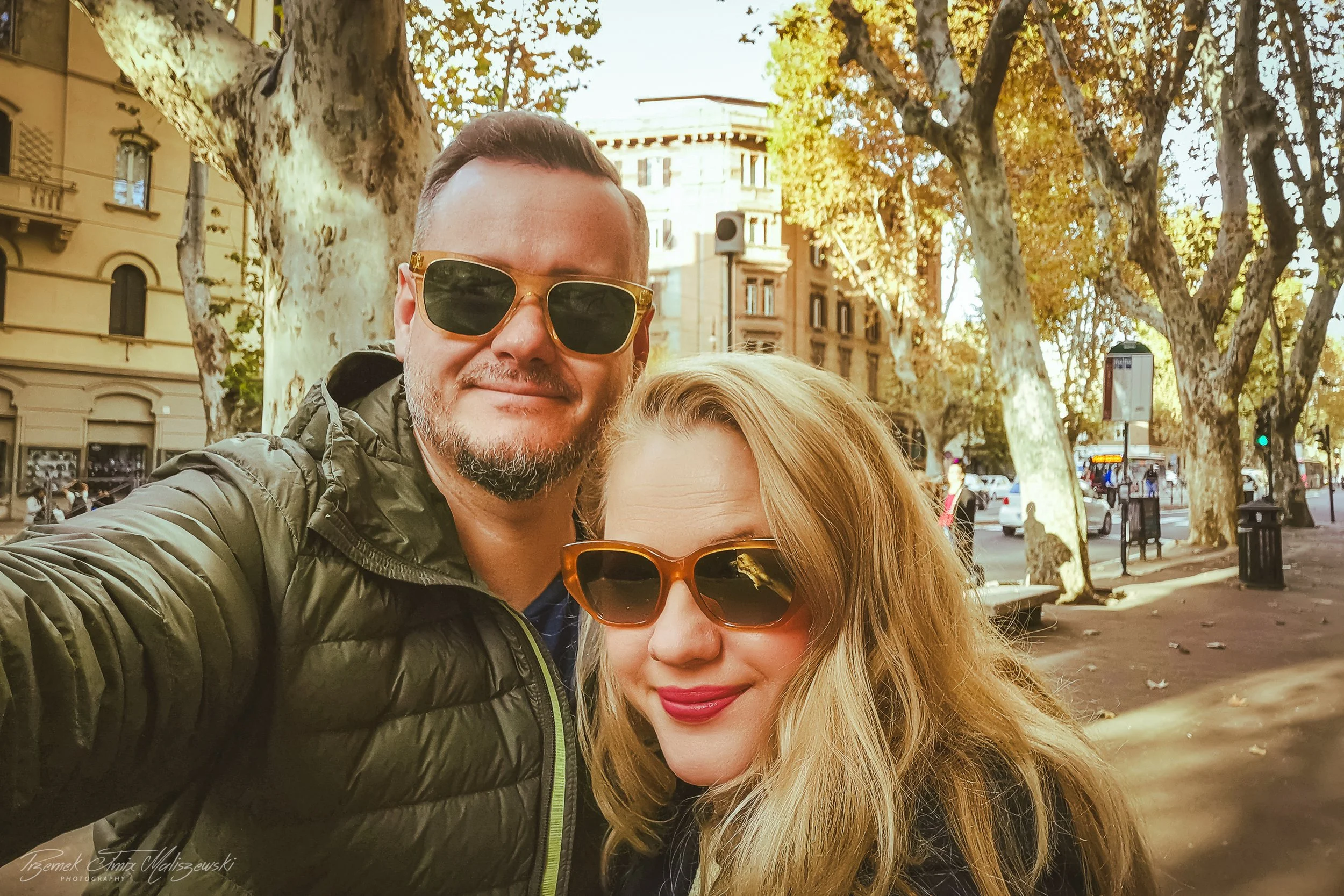
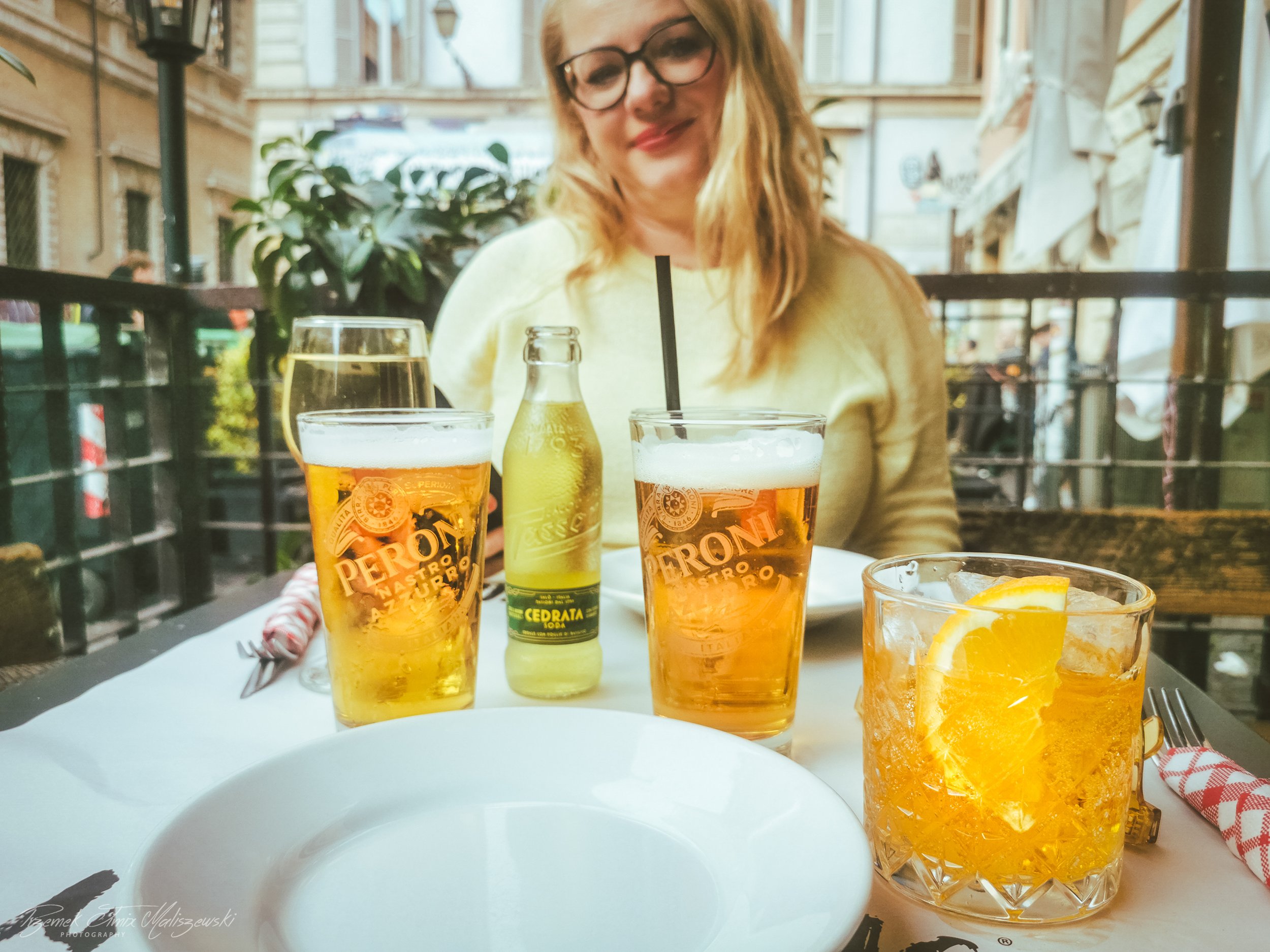
Justyna always ends up in the kitchen.
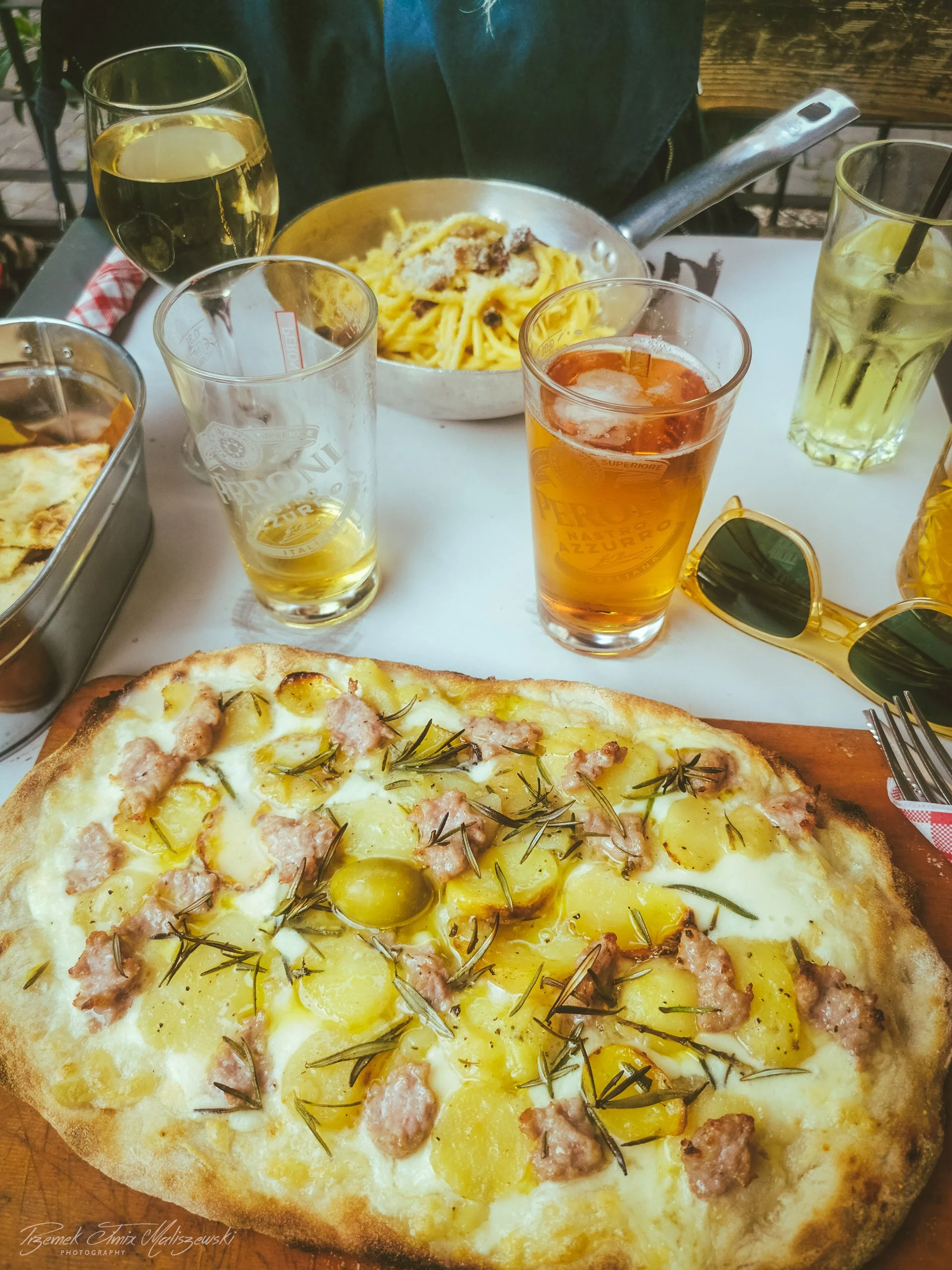
Trastevere is a beautiful, ancient district on the left bank of the Tiber, carved up by a labyrinth of narrow streets and scattered with dozens of taverns, bars, restaurants, and every other kind of culinary establishment imaginable. The topic of gastronomy and food in Rome has been the subject of thousands of guidebooks and likely thousands of books, articles, and studies. For me—and especially for my wife—any attempt to write about Roman cuisine would inevitably end up as yet another of those thousands of books. So, I will only mention the food here in passing, but believe me—it is well worth writing, and reading, about.
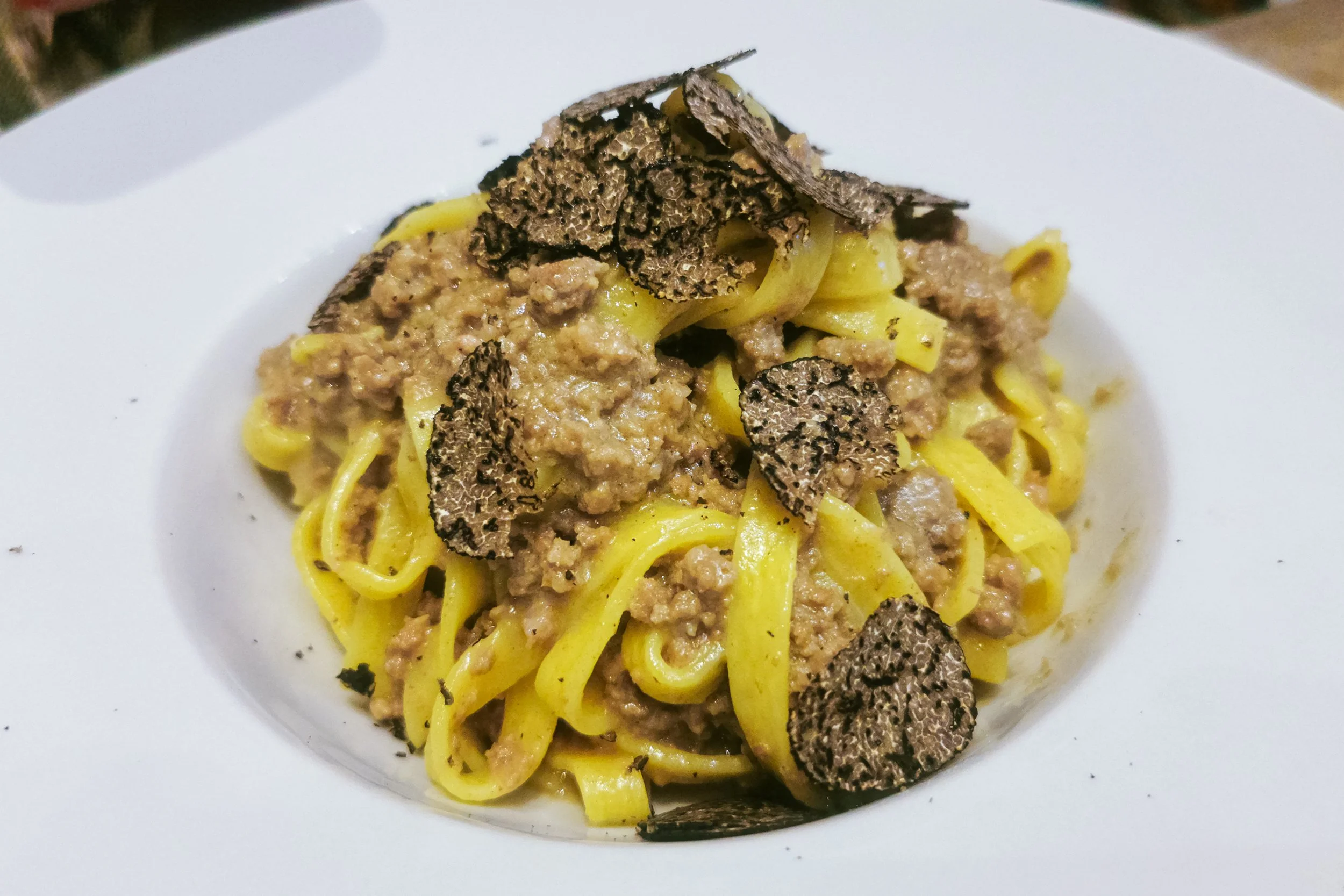
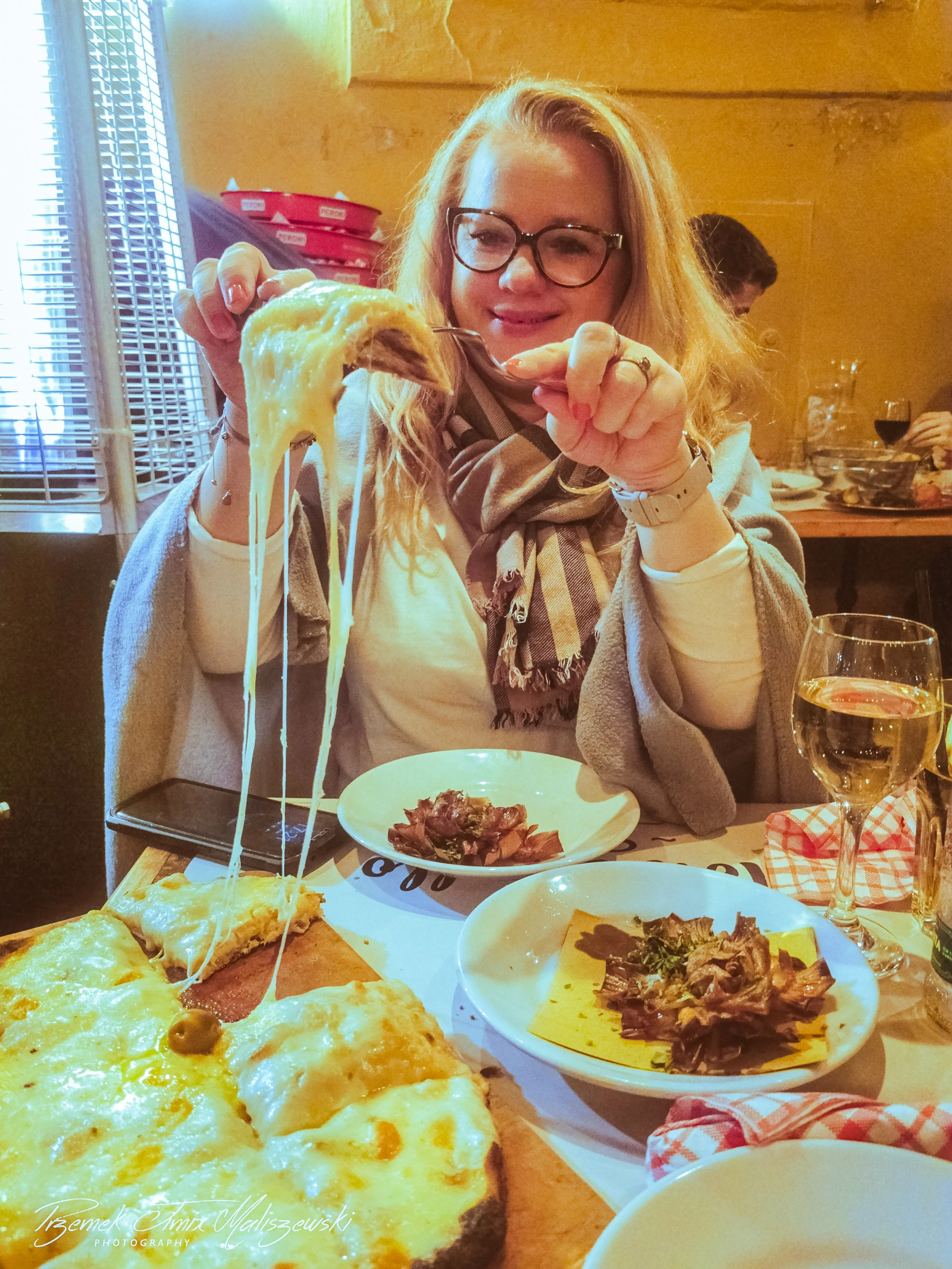
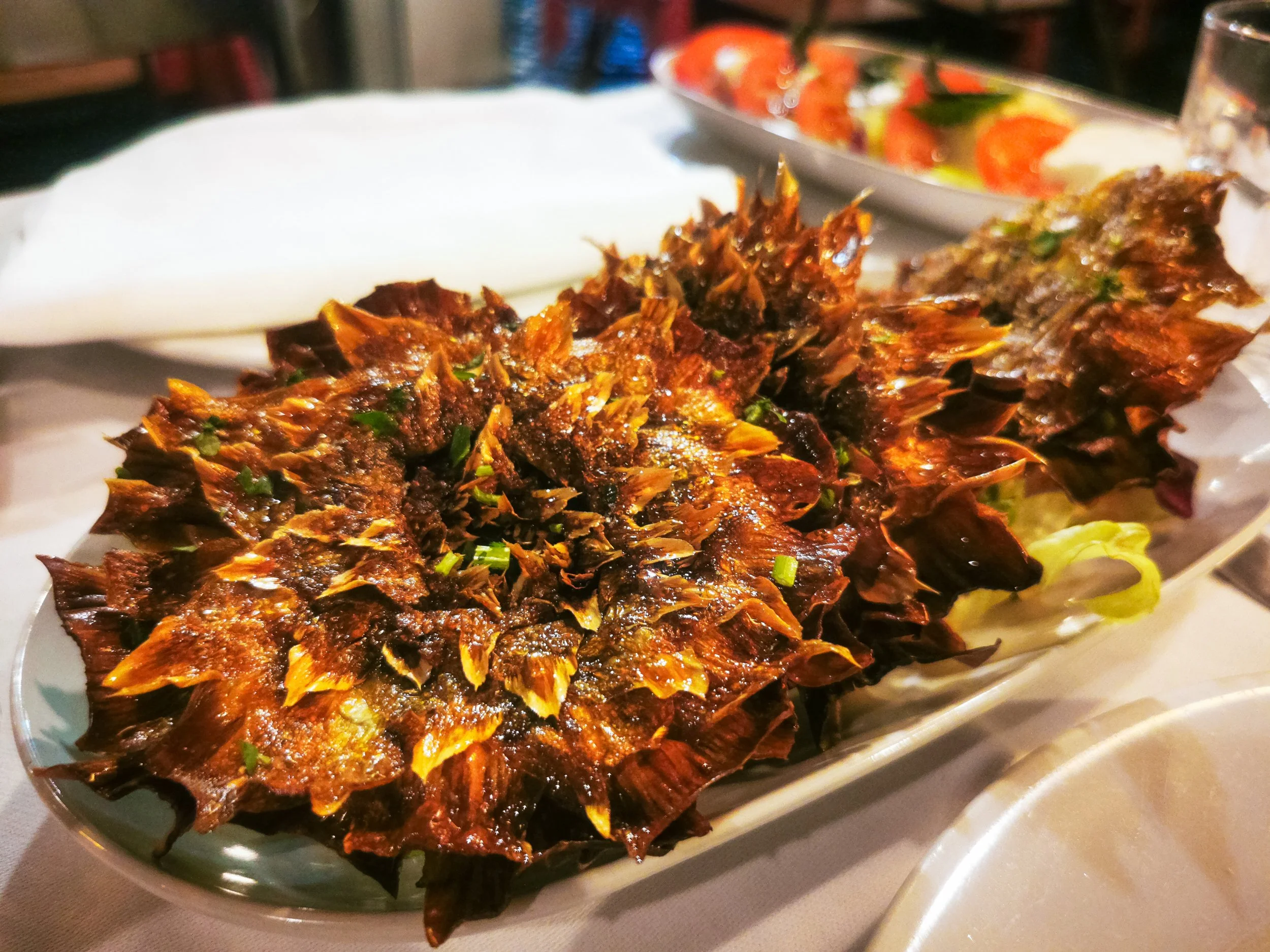
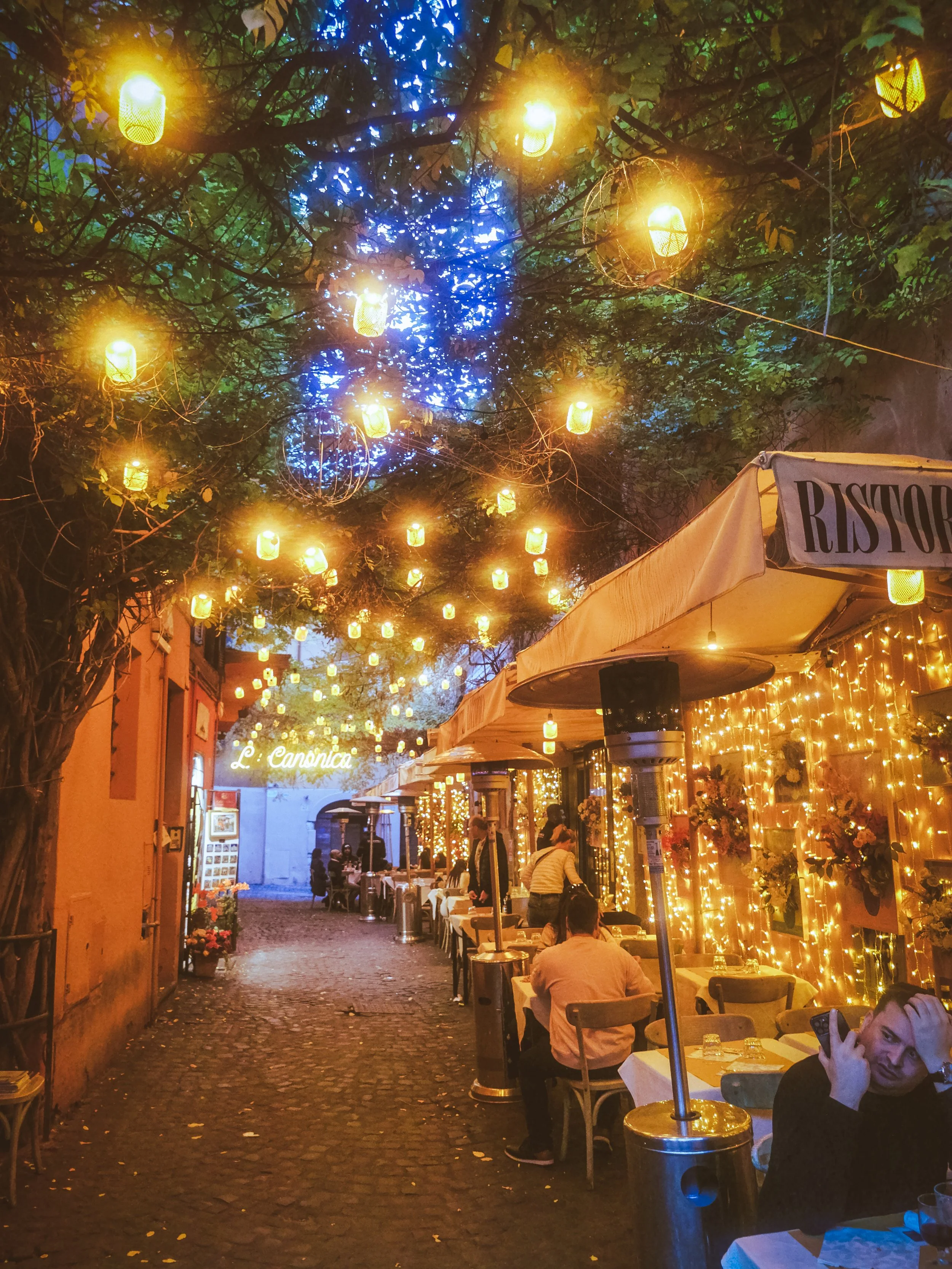
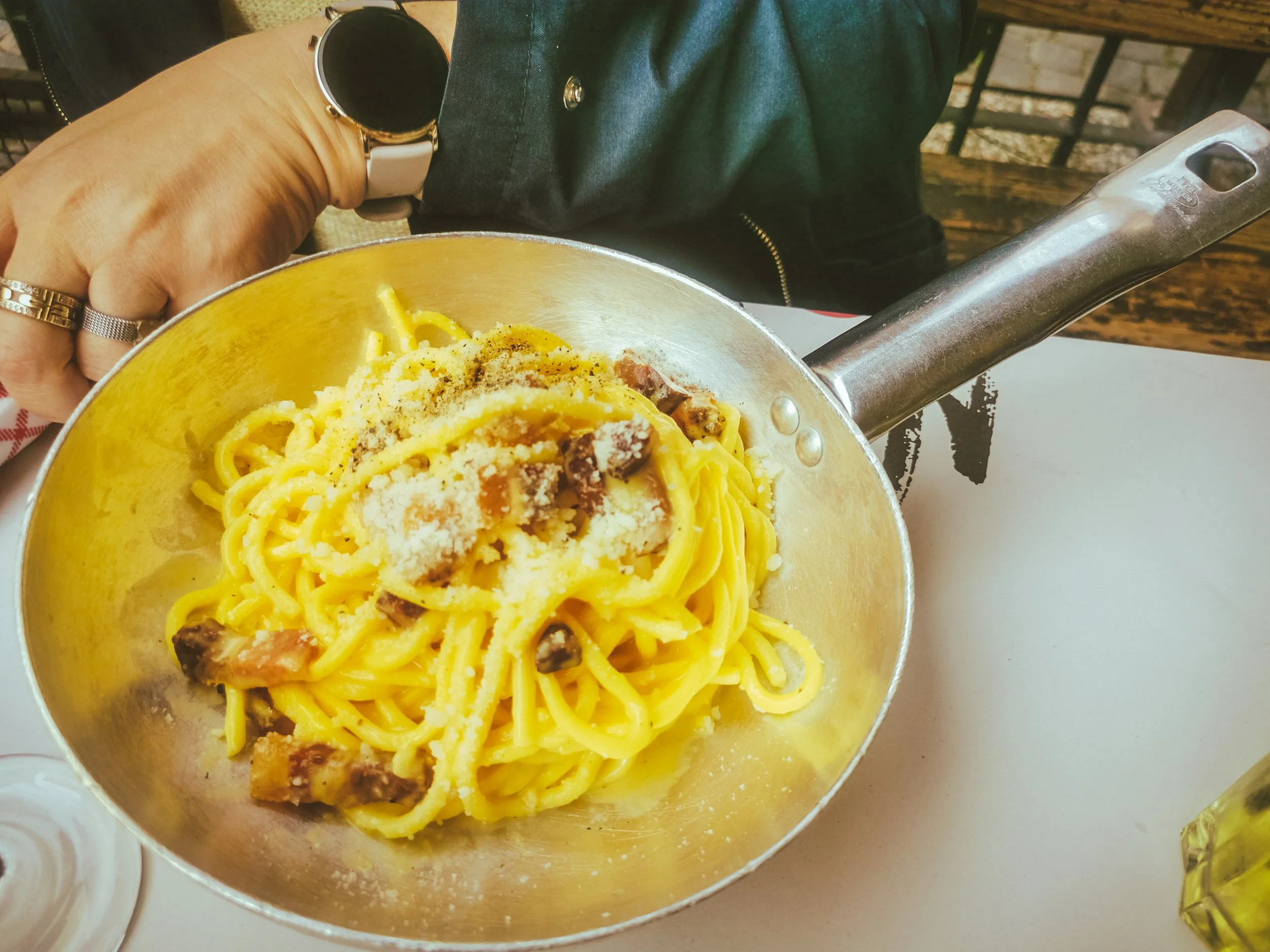
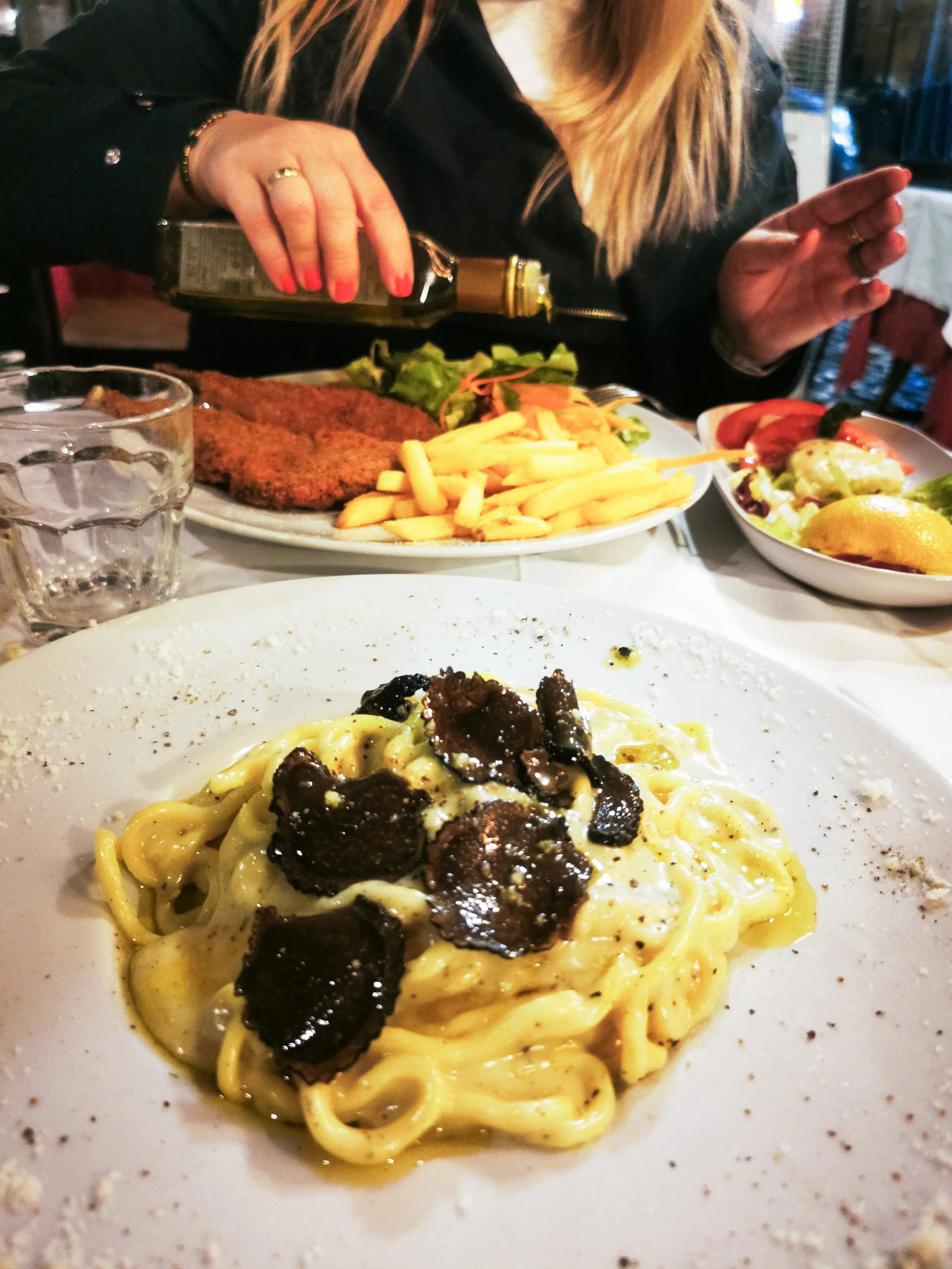
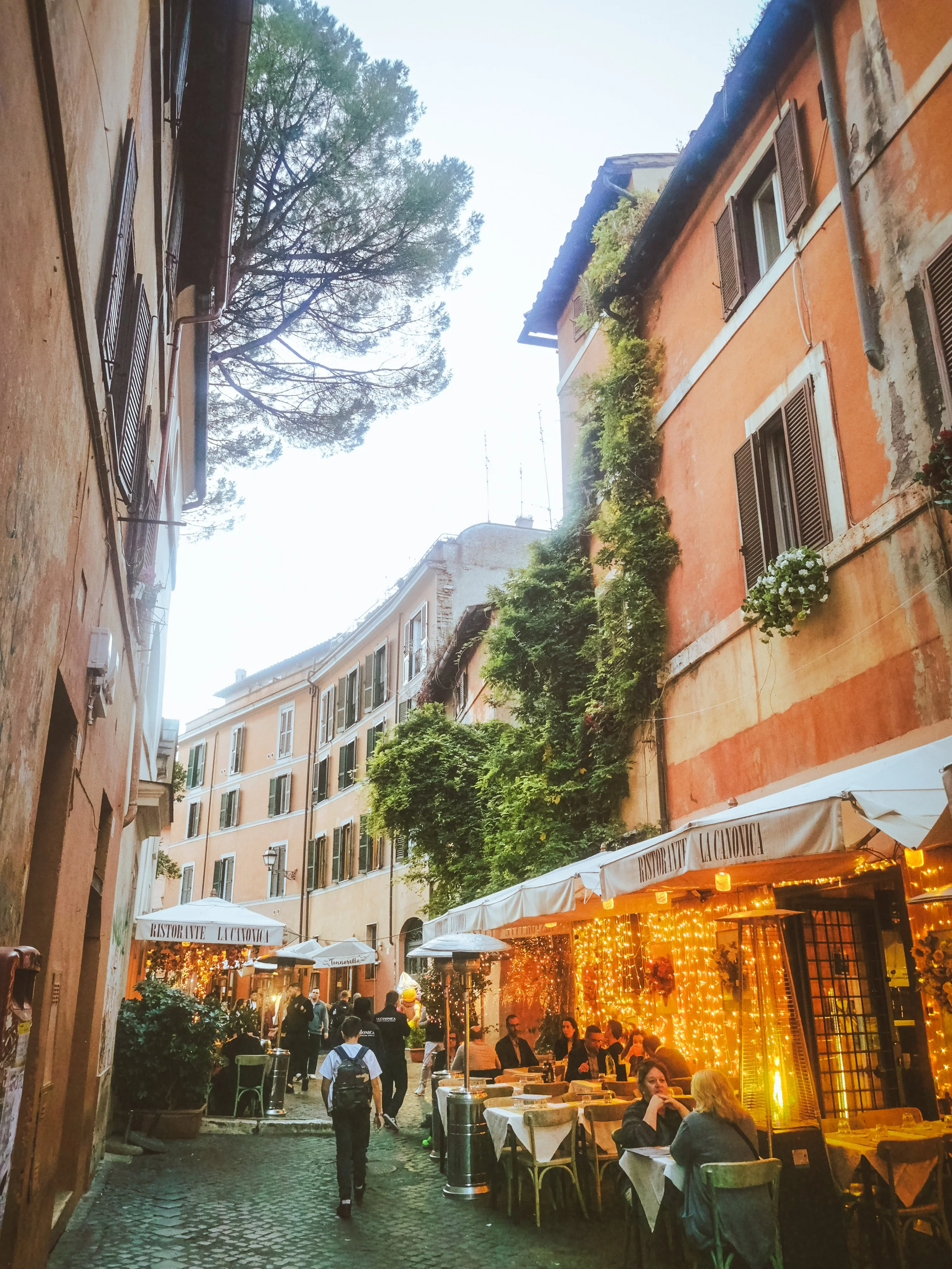
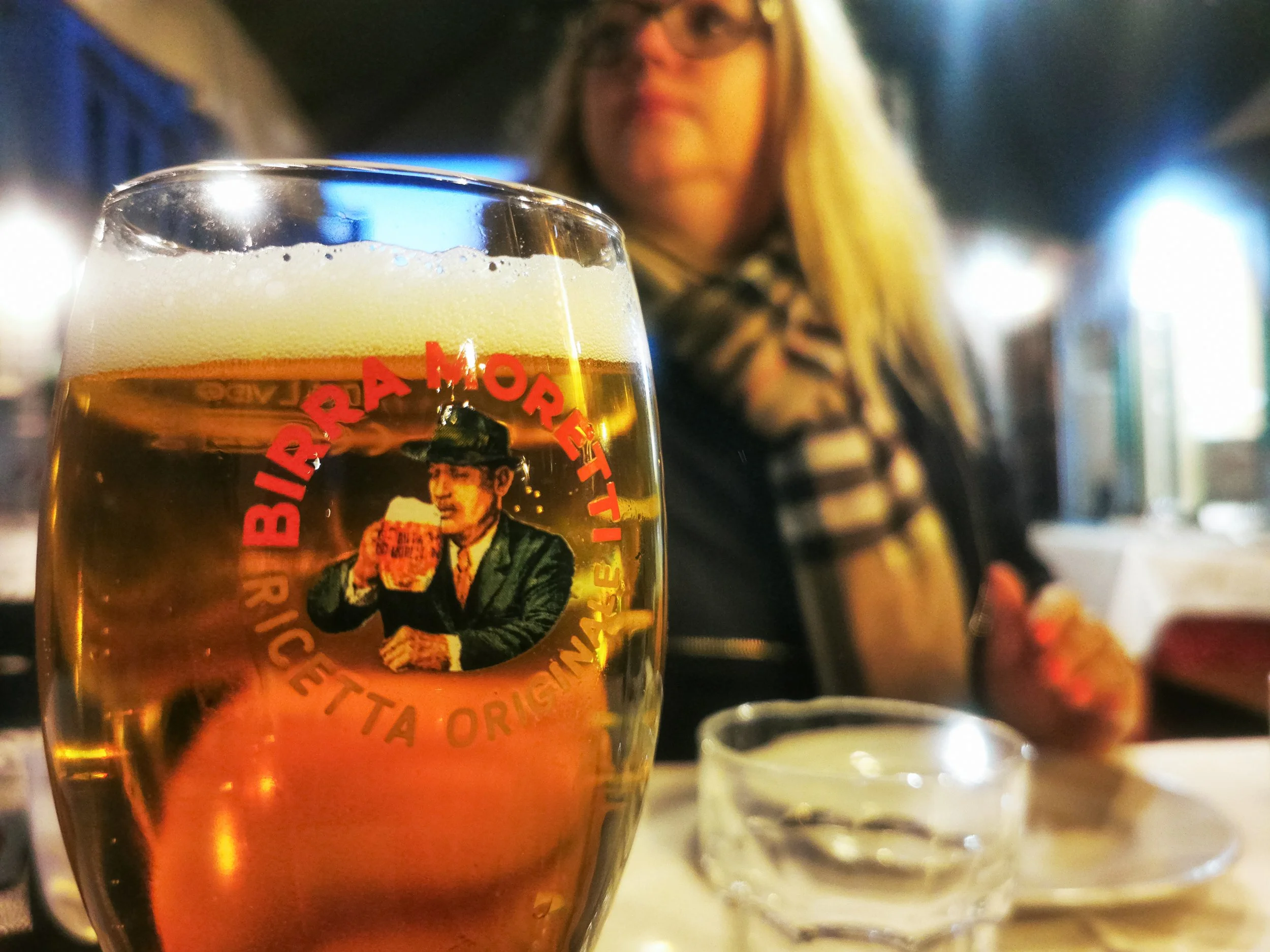
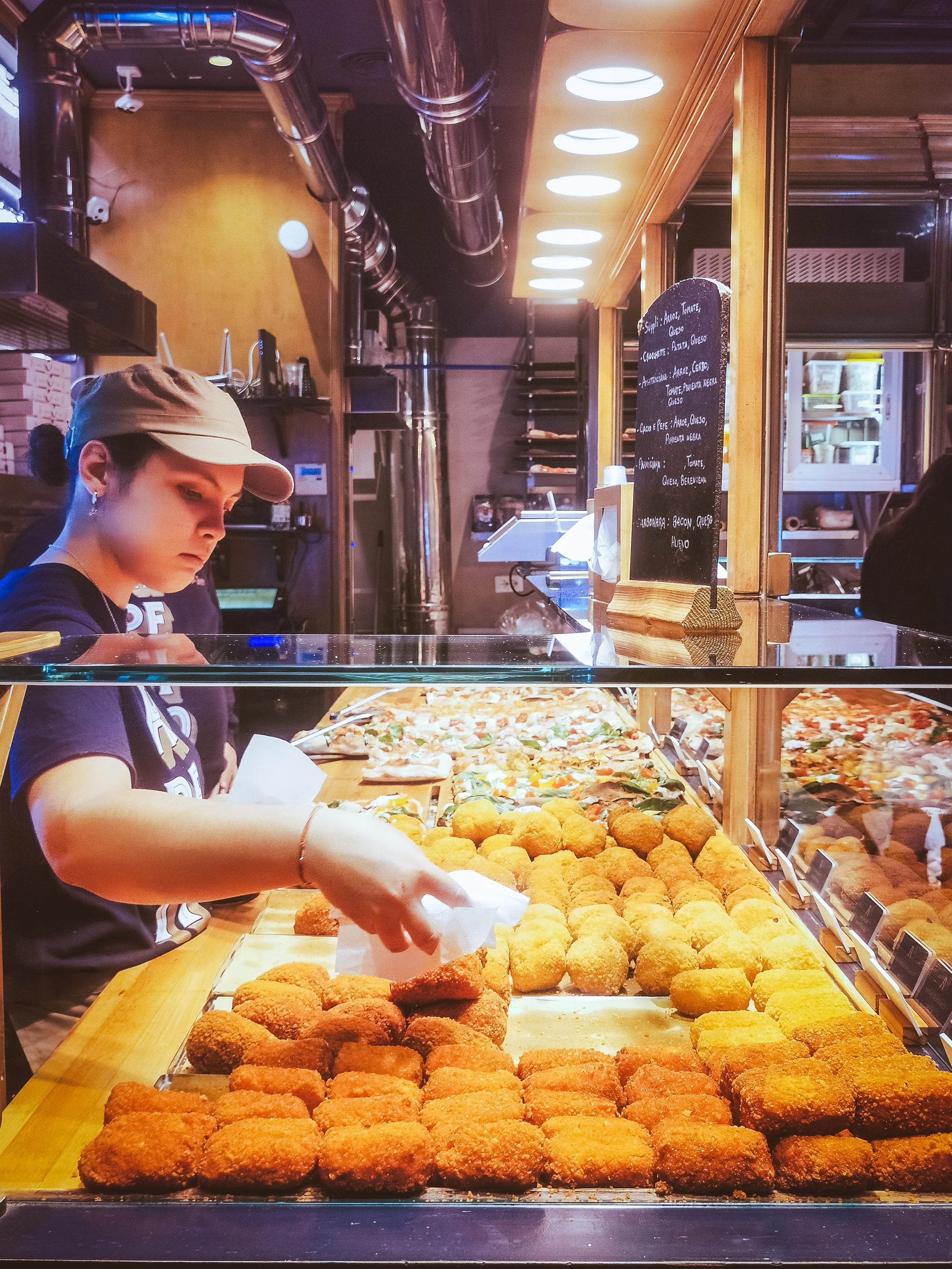
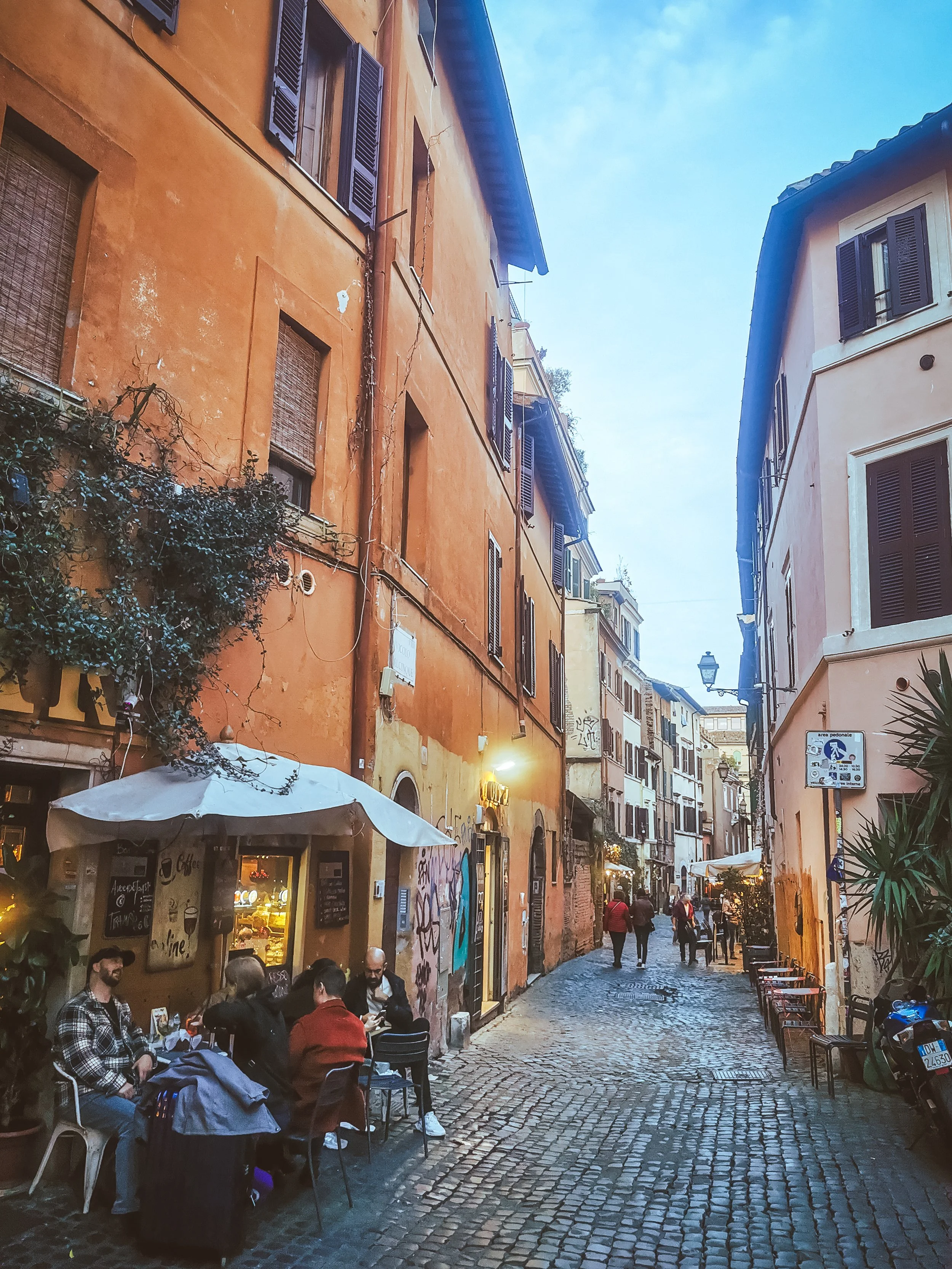
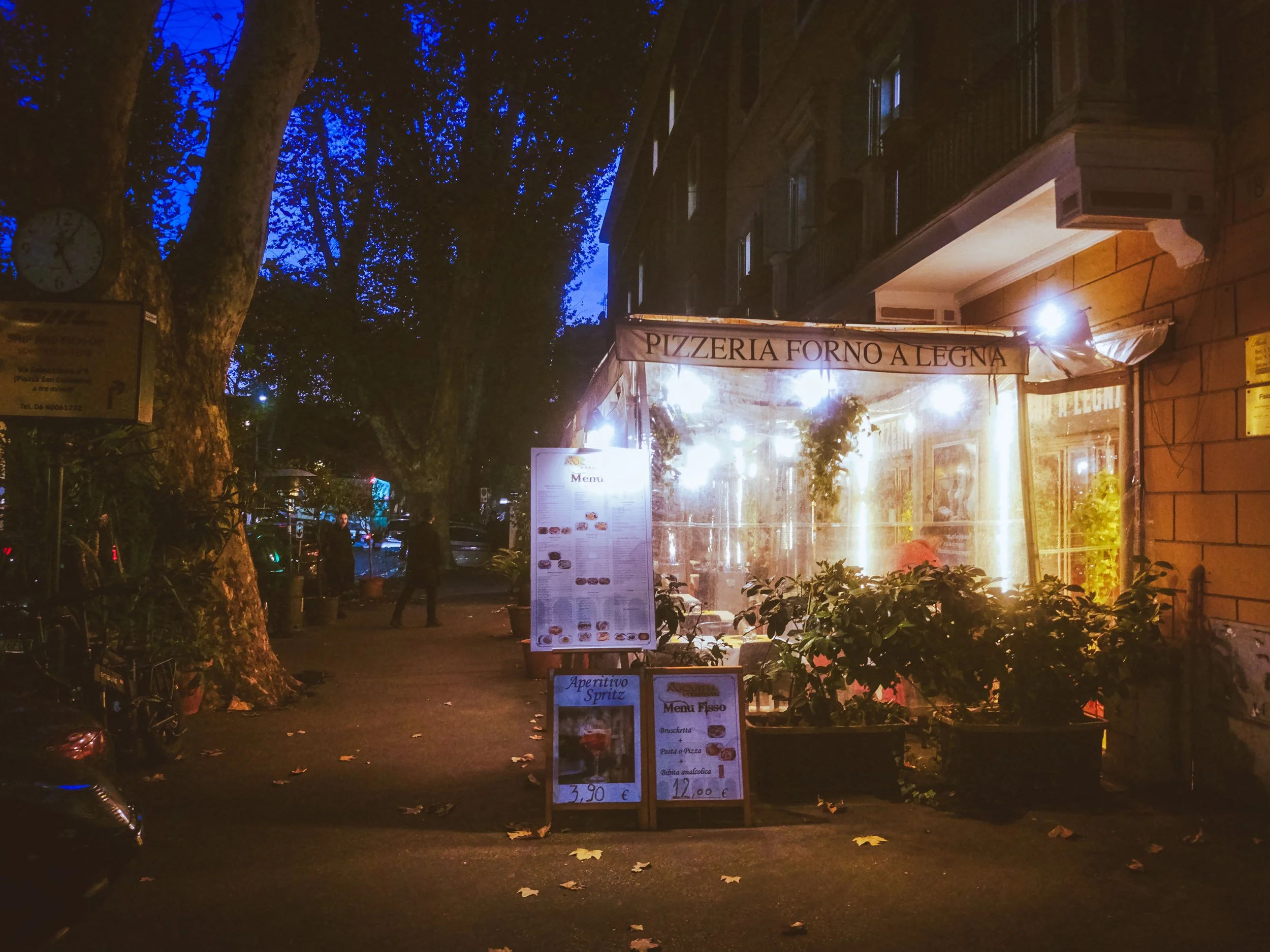
It’s not just Rome, but the whole of Italy that is, in large part, a story about food. About a life full of flavor. About the joy of sharing a table. You can see it at almost every turn.
Regarding Italian cuisine, and Roman in particular, a rather interesting statement stuck with me—one I believe I heard in a culinary program hosted by either Gino d’Acampo or Gennaro Contaldo. It suggested that the "Italian cuisine" the whole world talks about is, in fact, simply Roman cuisine.
It seems (and having visited many places in Italy, I am inclined to agree) that what we broadly understand as Italian cuisine—the one present in the collective consciousness of our global village—is characteristic only of Italy's main urban center, the navel of the former Empire, the point on the map to which all roads led: Rome. It is here that culinary techniques are developed, experimented with, perfected, and where new flavors and textures are sought.
Provincial cuisine remains simple (simpler), which of course doesn't mean "crude," yet it is far from the sophisticated and refined offerings of many Roman restaurateurs. The archetypal Italian nonna—an inseparable element of the one true Italian kitchen, stereotypically imagined as a kind, elderly grandma spending her days hand-shaping ravioli and tortellini—certainly exists somewhere, but I think reality today differs slightly from the common perception. The older generation is passing away, and the young no longer have to cook—often, they simply don’t want to. Traditions are fading, and with them, knowledge.
The "peasant kitchen," cucina povera, developed many recipes over the centuries that survived thanks to those grandmothers. Once they reach Rome and find their way into the soil of culinary art, they have a chance to be saved from oblivion, to evolve, and to enter the collective human consciousness enough to become a distinct asset worthy of UNESCO recognition as part of the world's (no longer strictly Italian) cultural heritage. A heritage for all humanity—which means all of us.
The cuisine of the provinces is visibly different from that of Rome. You see it clearly in Tuscany, in Naples, and in Bari. It’s simple: wherever there is a larger urban center, people begin to study the subject, delve into it, play with it, and develop it. It remains utilitarian—after all, we don't eat only for pleasure—but it also acquires a layer of fascination with the art of cooking.
That being said, I can easily imagine traveling through the Italian countryside and stumbling upon a small, seemingly unremarkable restaurant where I experience a culinary revelation. Yes, in my mind’s eye, I can see myself in that situation. There I am, sitting in a small-town trattoria among the locals. A plate with a bistecca alla fiorentina is placed in front of me, and the very first bite is pure sensory ecstasy. Alongside it, they set down a glass of excellent Chianti Classico D.O.C.G. Yes. I can see it. And I believe that somewhere, it surely exists. Or rather, I would dearly love for it to exist and for me to find it.
SPQR—an abbreviation for Senatus Populusque Romanus, meaning "The Senate and People of Rome." An echo of a deep-seated past. These four letters were already visible back in Ancient Rome.
However, in places like that, I won’t find a maritozzo or a Jewish-style artichoke (carciofo alla giudia). My wife and I make the latter ourselves at home whenever we manage to buy some artichokes. And when we do get our hands on them—or "smuggle" them in our luggage on the way back from Rome (we bought a fridge magnet right at the start just to get that old Polish tradition out of the way and free our minds for far more pressing matters)—they turn out exquisite. Simply superb. Because, let’s be honest, my wife is a total pro in the kitchen (though when it comes to artichokes, we’re both pros), and we serve it with a razor-thin slice of lardo wrapped around the stem, right above the first leaves left after cleaning, glistening like mica.
So, we have a proper carciofo alla giudia con lardo, usually topped with finely chopped parsley and a squeeze of lemon, after a generous drizzle of good olive oil. There’s no point, though, in writing out carciofo alla giudia con lardo, prezzemolo in olio e limone, even if it does sound so perfectly descriptive and professional. So professional, it’s practically Roman! It sounds so right that I can immediately hear Diego, from the l’Altra Guancia restaurant on the corner of Via Tommaso Campanella and Via Pietro Giannone. Whenever I ordered an artichoke for the primi piatti, he would always ask: “Con lardo...?” to which there could only be one answer: “Certamente.” Some things, you only find in Rome.
Carciofo alla giudia con lardo.
We actually visited the aforementioned restaurant, l’Altra Guancia—where we met Diego—during our second stay in the Eternal City. That time, we stayed almost wickedly close to the Basilica di San Pietro, in the Prati district, rather than in Trastevere, which had enchanted us so much before.
When my good friend Bartek was heading to Rome with the sincere, culinary-hedonistic intent of wreaking as much havoc as possible on the local restaurants (and carrying a carefully concealed engagement ring), he also dropped anchor in Trastevere for a few days, prompted in part by my stories. It’s a great base for exploring the city center, but also a fantastic location on Rome’s culinary map.
Looking north toward the Principe Amedeo Savoia Aosta bridge while walking along the banks of the Tiber.
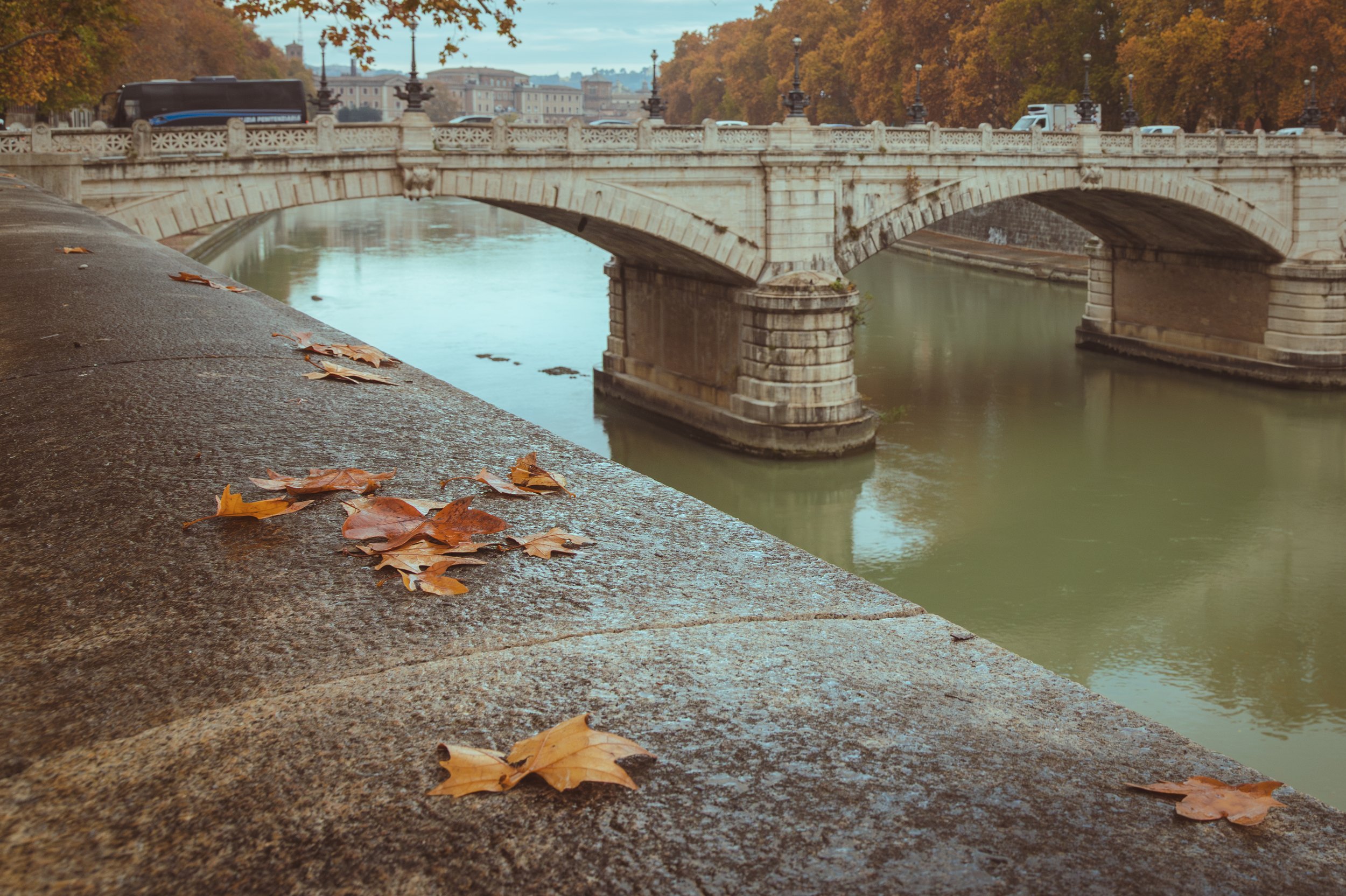
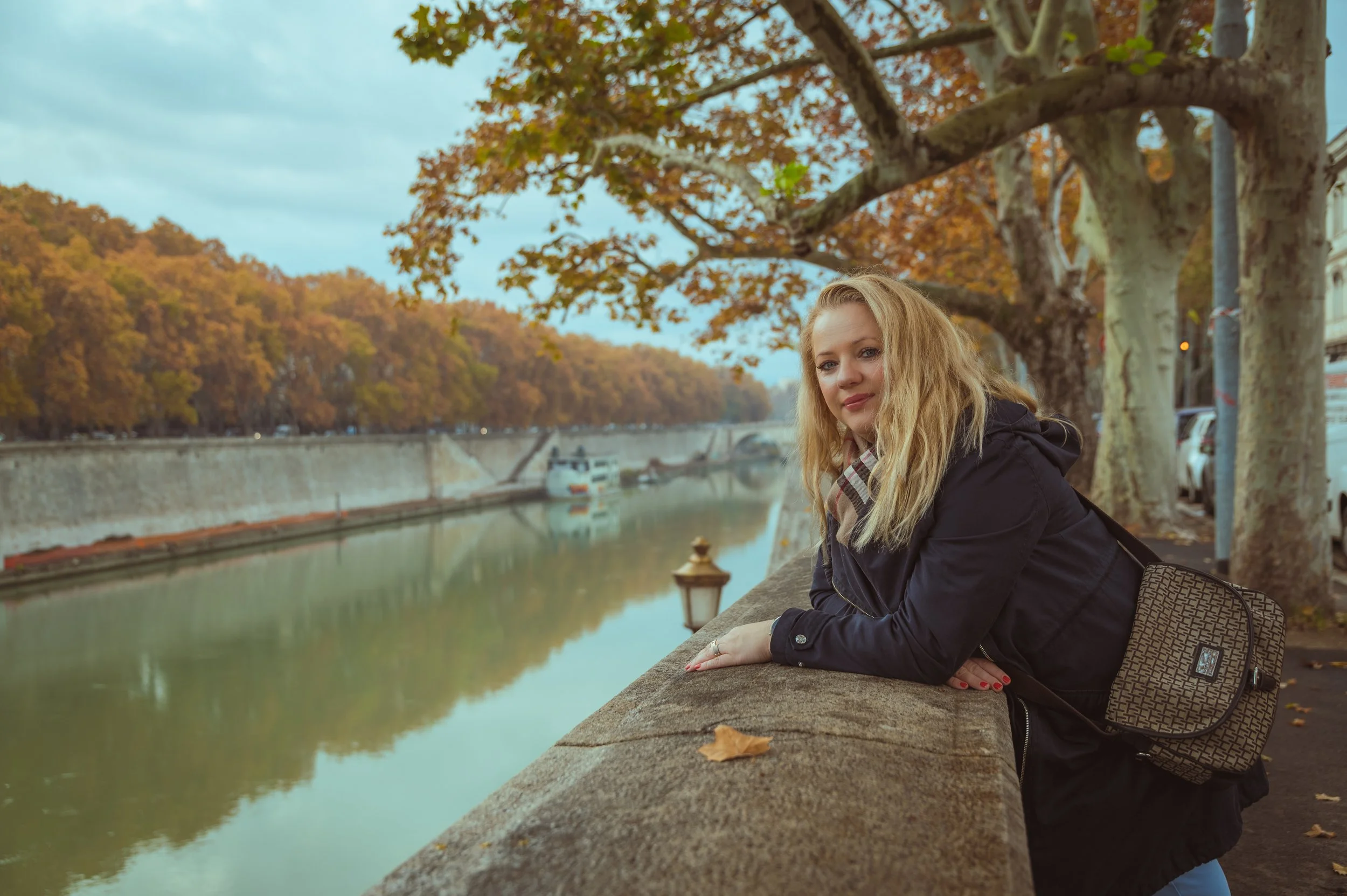
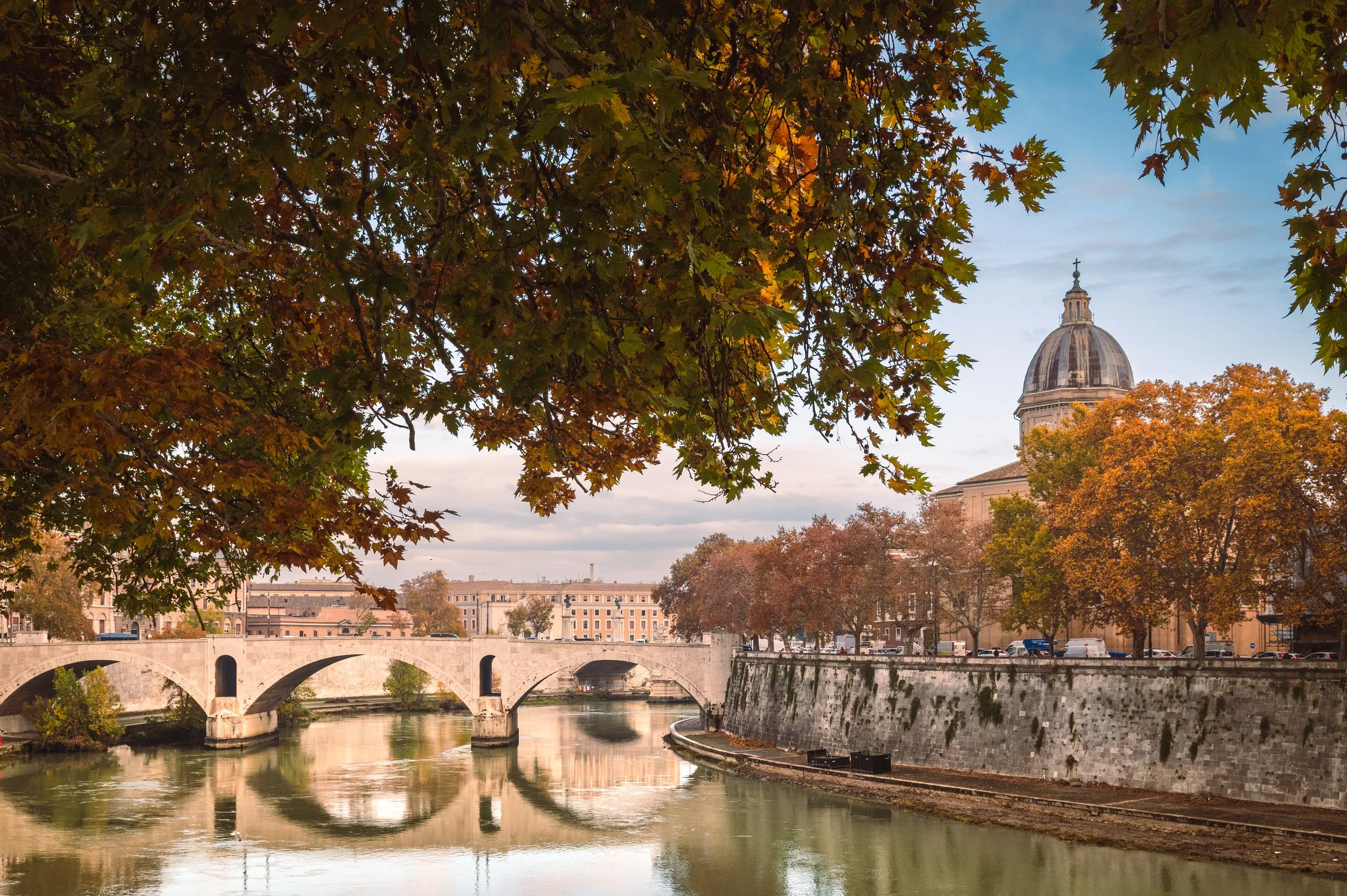
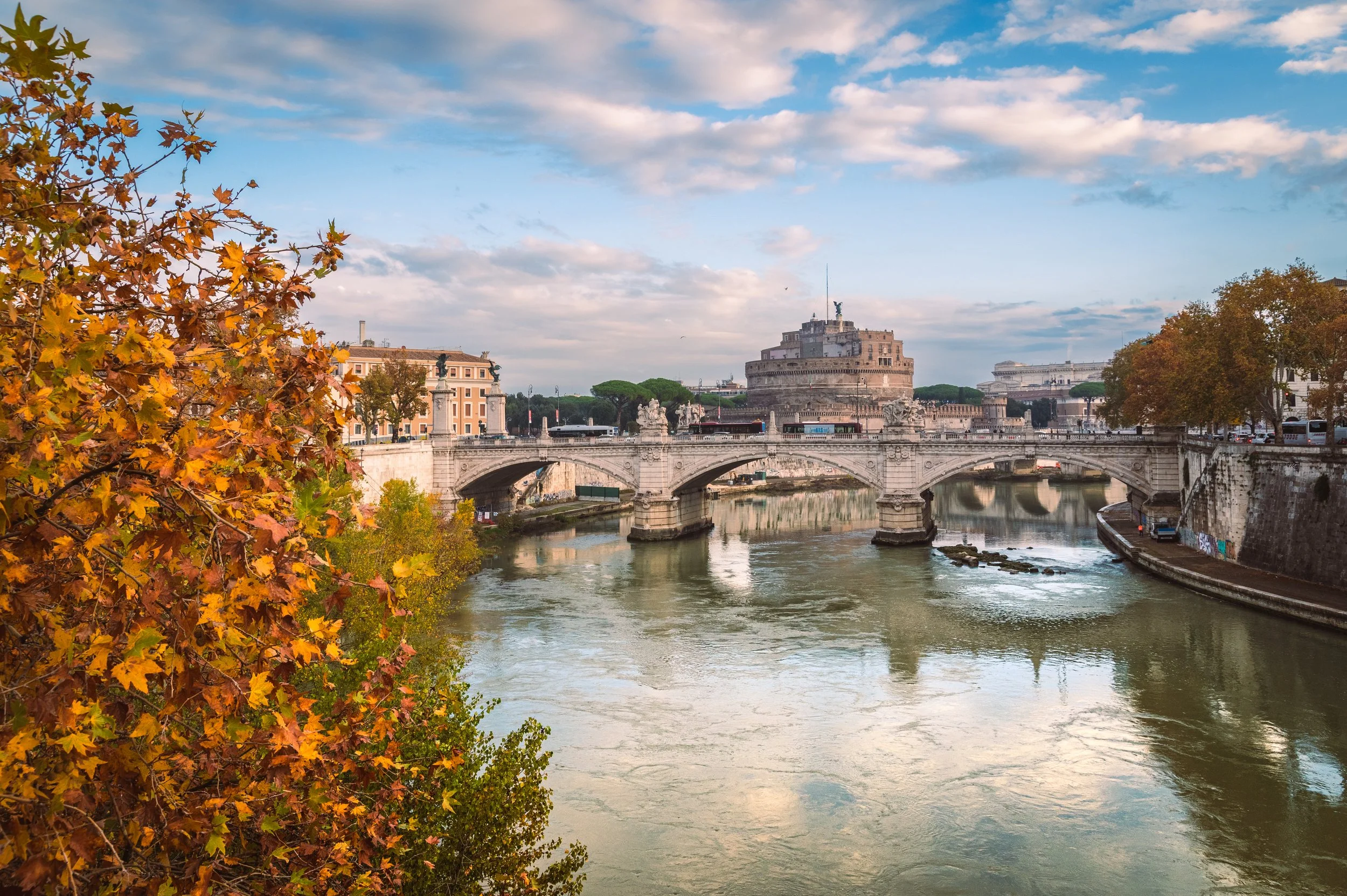
Just a few proverbial steps from our Roman home base, and we’re already at the Tiber. In this spot, the river isn't particularly wide, though its regulated city channel is quite deep, as the Tiber "likes" to rise significantly every now and then. Crossing it only takes a moment. Ponte Garibaldi leads us directly onto Via di Torre Argentina, where an extensive block of mostly rusty-crimson ruins stretches out. This is the Curia of Pompey.
Google Maps and guidebooks often mention that this place is "traditionally" inhabited by cats. And indeed, there are signs asking not to disturb them; the cats themselves are quite numerous. They sleep or stroll lazily, sometimes darting across the remains of what were once Roman Senate chambers. It was in these very chambers, on March 15th, 44 BC, that some of the most famous words in our civilization were (allegedly) uttered: “Kai su, teknon?” (And you, my child?). This is where senators, including a certain Brutus, successfully assassinated Julius Caesar.
So, I’ve just arrived in Rome, I’m walking toward one of the oldest buildings in the world that is still in use—the Pantheon—and on the way, I stumble upon a place like this. The history here is so "dense" that it feels tangible, almost touchable. The impression is amplified by the fact that all of this is right in the heart of a bustling city. Hundreds of cars and city buses zoom by, Vespas and Piaggios buzz loudly, and people go about their daily business. This isn't some museum on a hill or an open-air heritage park outside the city. It all still exists within a living urban organism.
Curia di Pompeo.
I have to stop for a moment and take it all in. This is my first encounter with antiquity in this form. They may be ruins, and two-thousand-year-old ones at that, but I can almost see the senators in their togas, daggers in hand. When I think about Rome like this, I know that I am literally treading on centuries of history. Beneath my feet are layers, almost like a cake—remnants of bygone eras, of hundreds of years of life and the evolution of civilization.
It is not unusual in Rome for excavation work to frequently unearth the remains of ancient buildings, structures, ruins, Roman bricks, or travertine. This is a city built upon its own remains, upon its own footprints, successes and failures, catastrophes, triumphs, tragedies, and cataclysms, its art and its engineering feats (like the famous cloaca maxima). Here, ancient history is often literally "built into" the walls of the new urban fabric, protruding like a relief, like a portal for time travel.
There are places in Rome where the old doesn’t just mix with the new, but still actively participates in modern life. And since it lives and actively endures—and works, one might say—is it truly just "old"? Or is it perhaps contemporary as well? It is absolutely incredible that something created so long ago often continues to function actively today. The builders and architects are long gone. Some may have meticulously ensured during their lives that their memory would endure for centuries. But time is merciless. One searches in vain for their costly tombs today. Only their works and structures live on, though they are now mostly nameless.
Curia di Pompeo.
Looking at the ruins of the Curia of Pompey, I found myself staring at the bricks—those distinctive Roman bricks, longer and flatter than the ones we know today. You see them in the ruins of the former Senate, in the walls of the Pantheon, in the aqueducts, and in the Flavian Amphitheatre, commonly known as the Colosseum (il Colosseo). You see them wherever the former Empire reached, for example, in the basement vaults of Diocletian's Palace in Split, Croatia.
Someone fired all those bricks; someone delivered them to the construction site; someone used them to raise all these structures. Many columns were actually built from bricks. Every single brick in these buildings represents someone's labor, someone’s effort. Every one of them passed through many hands. There is no trace left of those people now. There won't be any trace of us either, even if we were to do everything in our power to make it otherwise—there won't be! Yet, looking at these ruins, I couldn’t shake the feeling that the spirit of those times and those people is still alive and well.
I never feel this in wooden open-air museums transplanted into museum soil. An open-air museum is a bit like a zoo. It is an inherently sad place, and when a festival is held there—it feels artificial. Even the Old Town in Warsaw, as many urbanists have noted, has become such a museum-piece because normal city traffic was removed from it. It is essentially one giant pedestrian zone for tourists.
The Staré Město of the Czech capital is a different story. Normal life was never torn out of there, never isolated by "no entry except for deliveries" signs. A ruin surrounded by a bustling city, even though it is still a ruin, still holds a great deal of life within it. It is part of a living organism, part of this entire "continuity." It is surrounded by life that is as real as it gets.
I had a curious feeling once while walking past a large excavation in Warsaw’s Żoliborz district. At the bottom, the foundations of pre-war tenement houses were exposed—above them today, nothing exists but a public square. It was a sad sight, yet it felt as if life were peeking out from them. A life that was once there, torn out and trampled by the boots of war, but it had existed, and the tremor of its mirage remained.
Just a reflection on ruins.
As it happened, shortly before our trip to Rome, we watched one of our favorite movies: William Wyler’s Roman Holiday, starring the magnificent Audrey Hepburn and Gregory Peck. The film only strengthened our desire—and perhaps our need—to visit Rome. Both of us also enjoy visiting former movie sets. We did exactly that in New York City, finding locations used for scenes in films like Men in Black, Die Hard, or You’ve Got Mail.
For me, as a photographer, the challenge isn’t so much finding the location itself—which is child’s play these days (though disputed sites do occur, requiring spatial imagination and the ability to analyze imagery from various sources, as well as "reading" field details)—but rather finding the most likely point in space where the camera once stood. Then, it’s about "matching" the focal length to best "reconstruct" the cinematic frame. That is where the greatest difficulty lies in this kind of game.
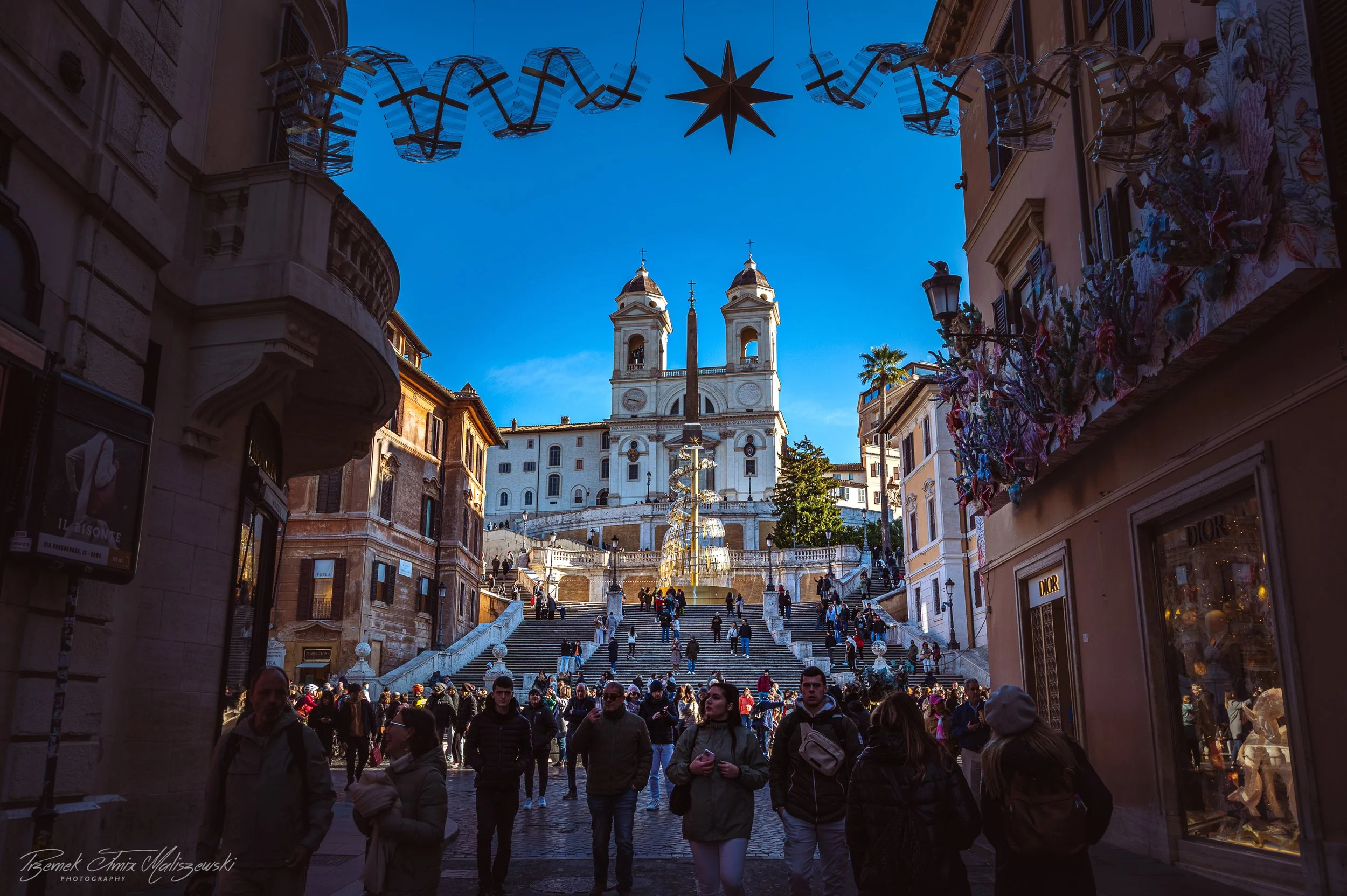
Some places have been significantly remodeled. For instance, though it seems absurd today, at the time the film was shot (1953), a street actually ran through a section of the Roman Forum; you can see it in the background of the scene where Joe Bradley, the journalist played by Peck, finds a sleeping Princess Anne near the Arch of Septimius Severus. When we were looking for the exact section of the wall on the Scalinata di Trinità dei Monti (the Spanish Steps) where Audrey Hepburn sat, I was guided by the textures of the travertine and the specific inclusions in the stone blocks. It was these tiny details that allowed me to pinpoint that exact spot. We traversed half the city in search of shooting locations and found most of them; the remaining two near Palazzo Barberini were added to our "collection" during our second trip.
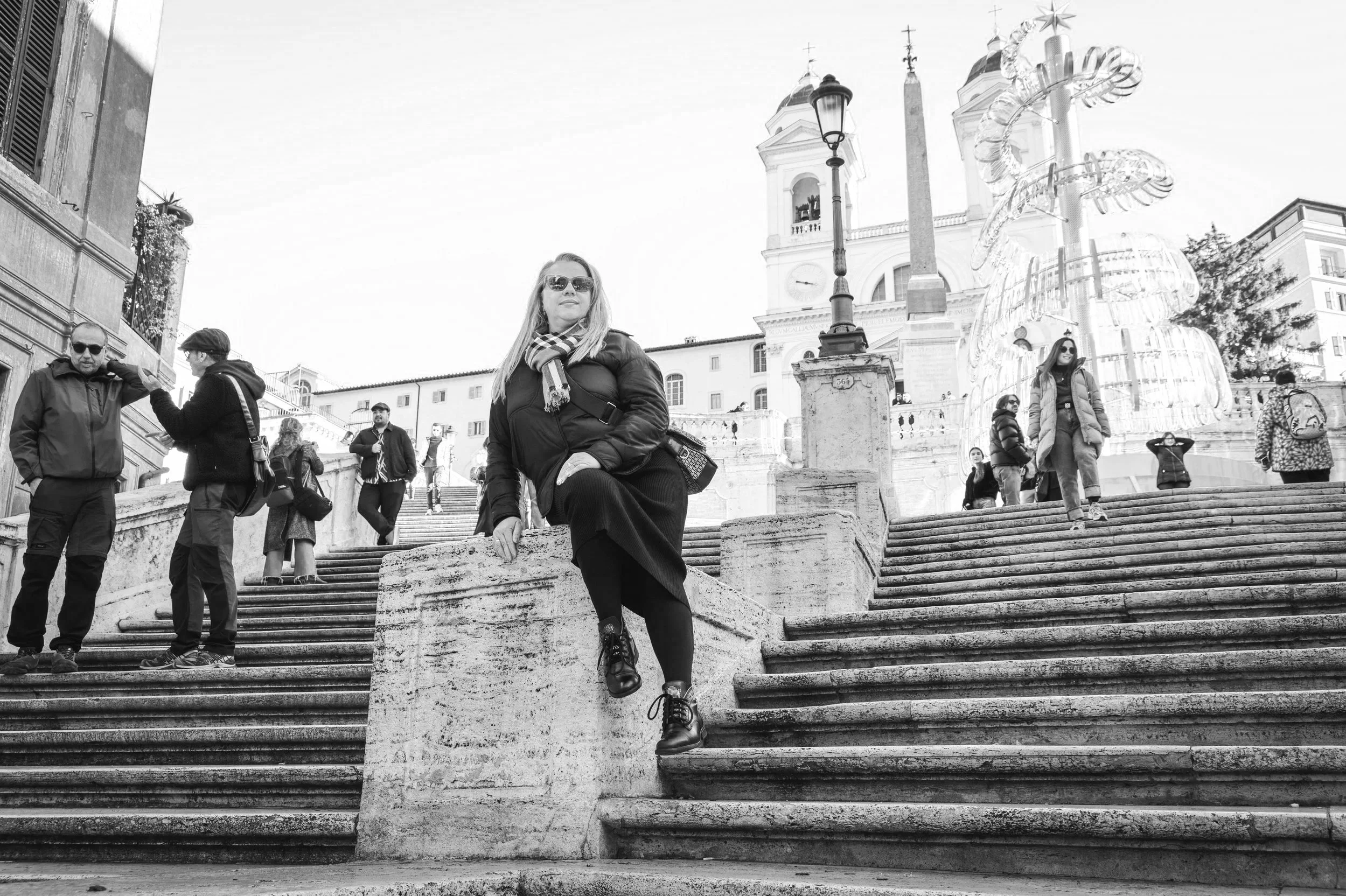
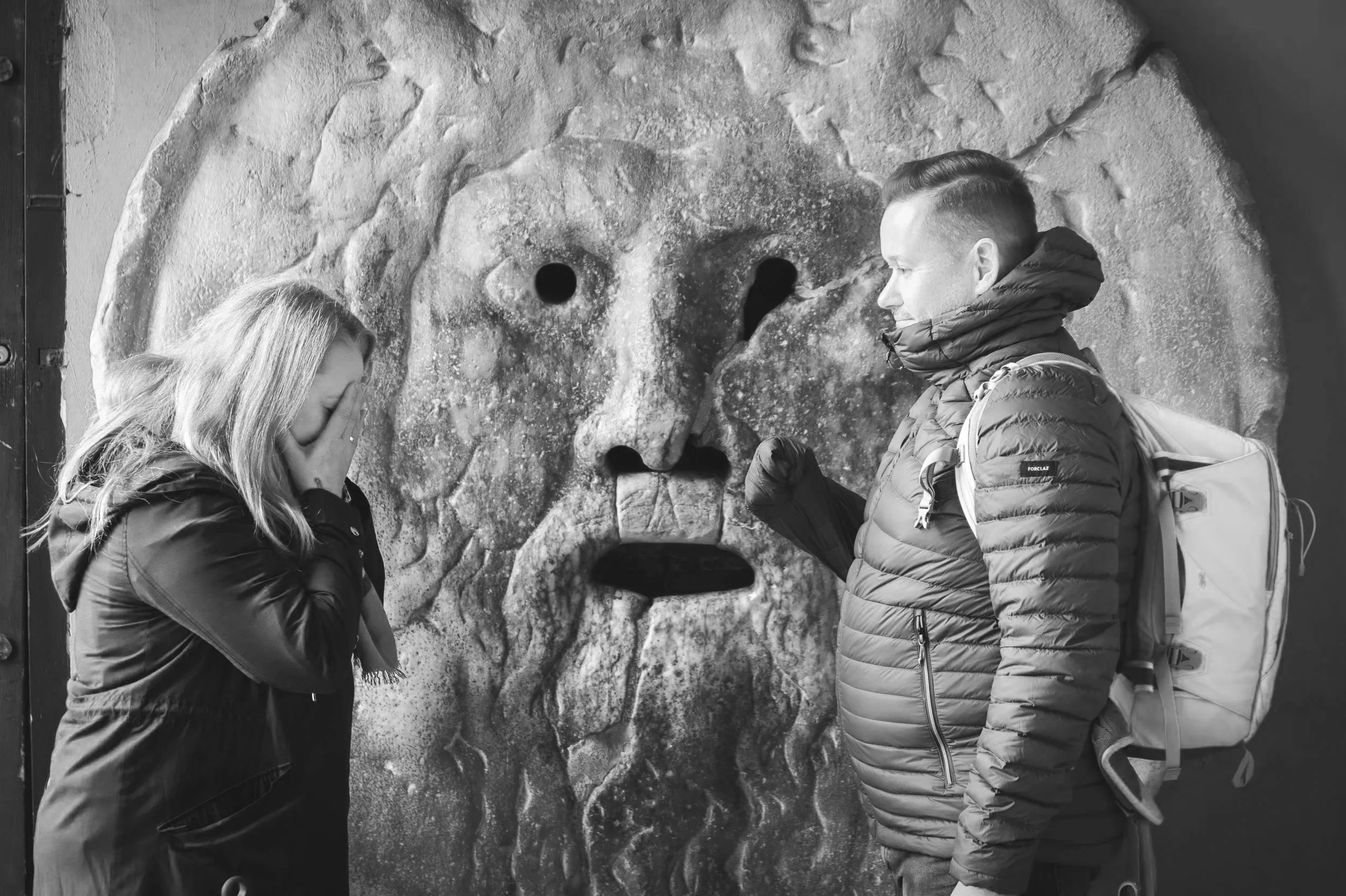
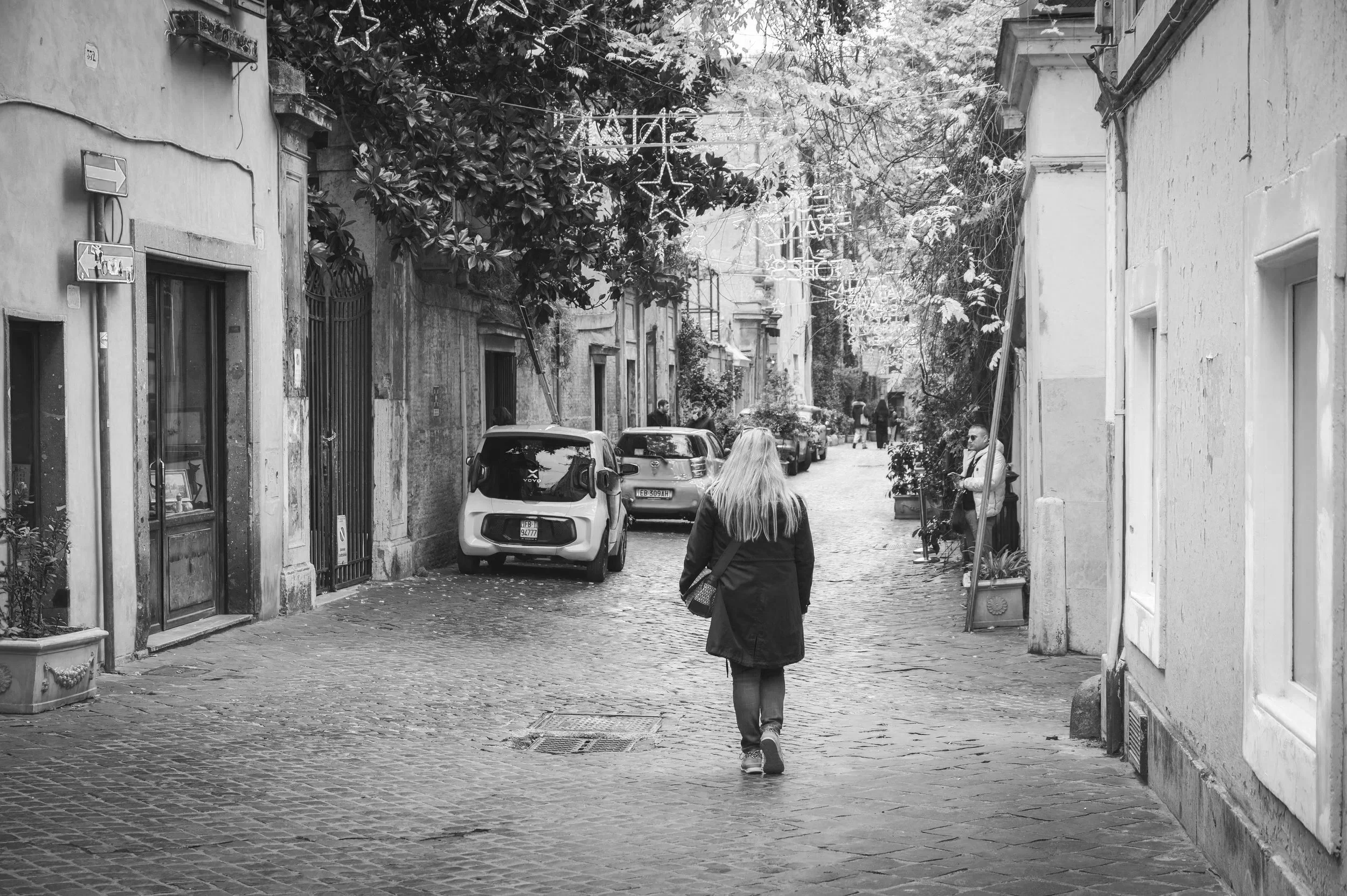
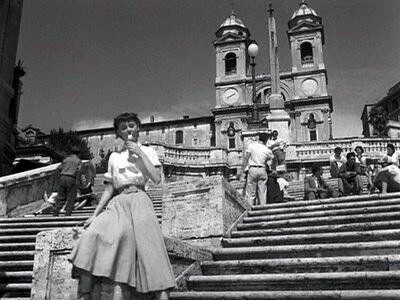

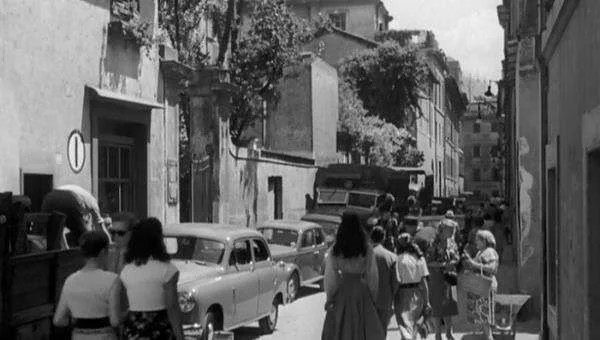
Of course, it wasn’t as if we spent all our time in Rome chasing down film sets from one of our favorite movies. It happened more or less along the way. Yet, because it was one of our goals for the trip, we also came across incredible places and discovered Rome on our own terms.
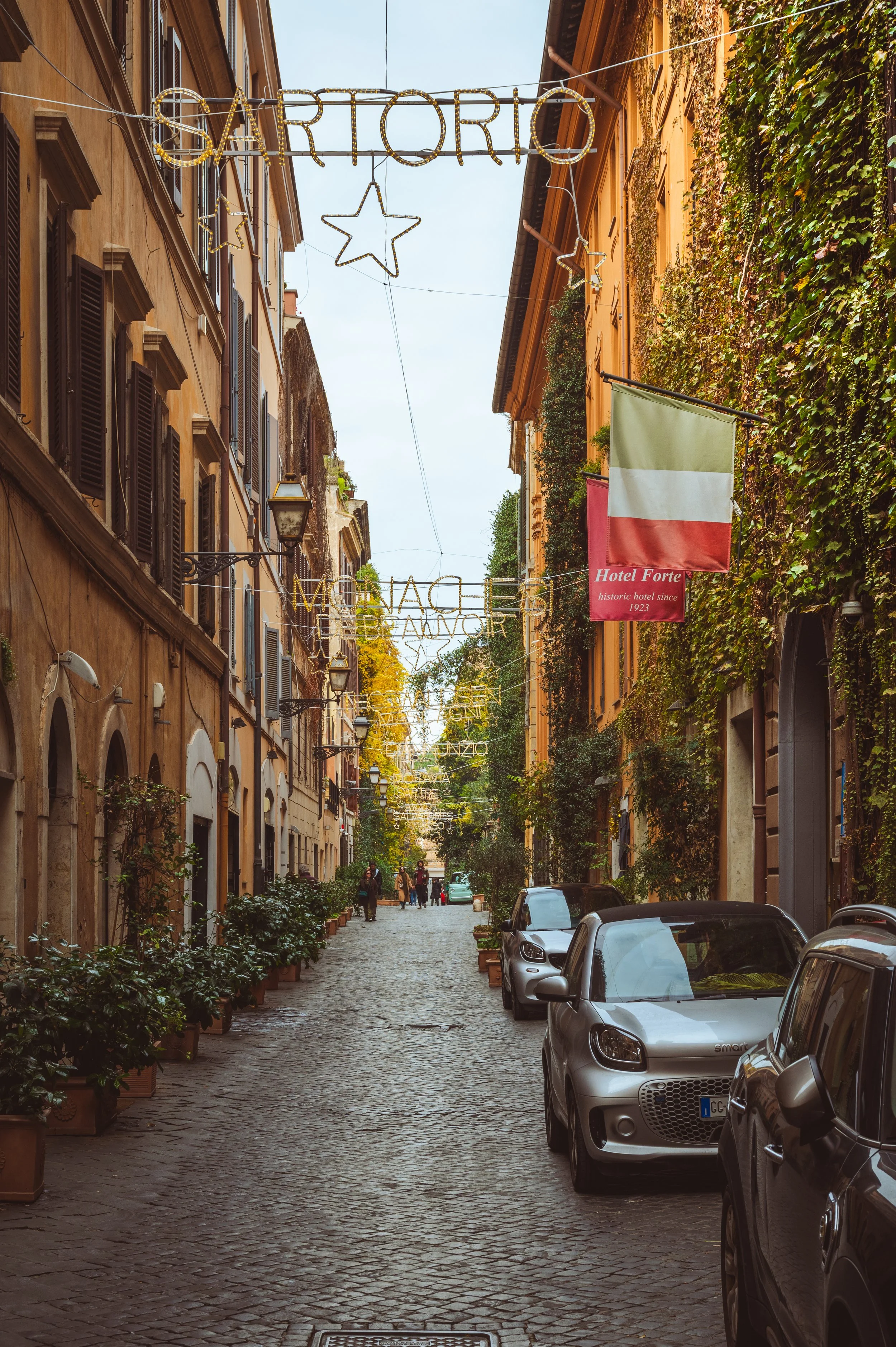
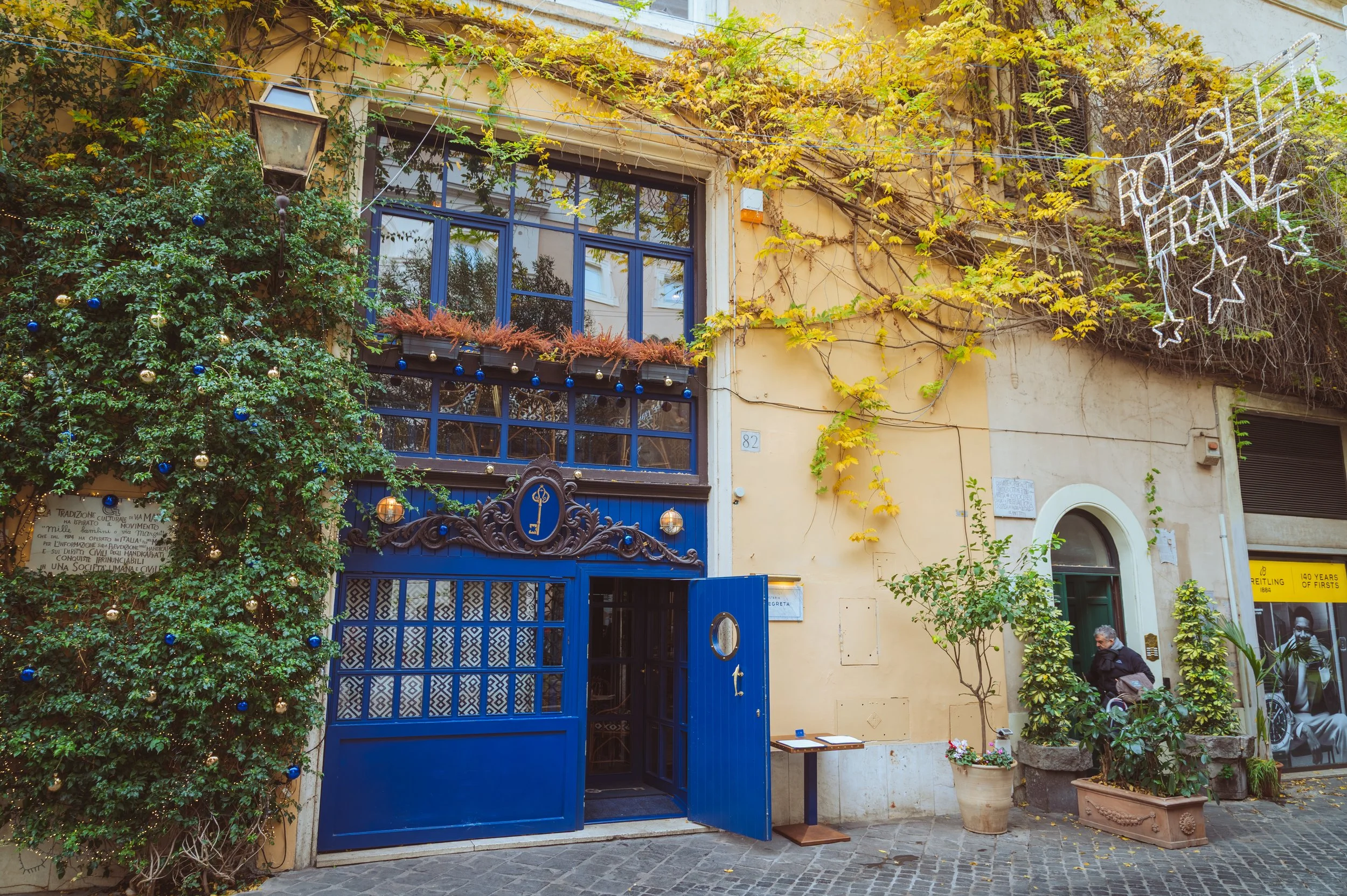
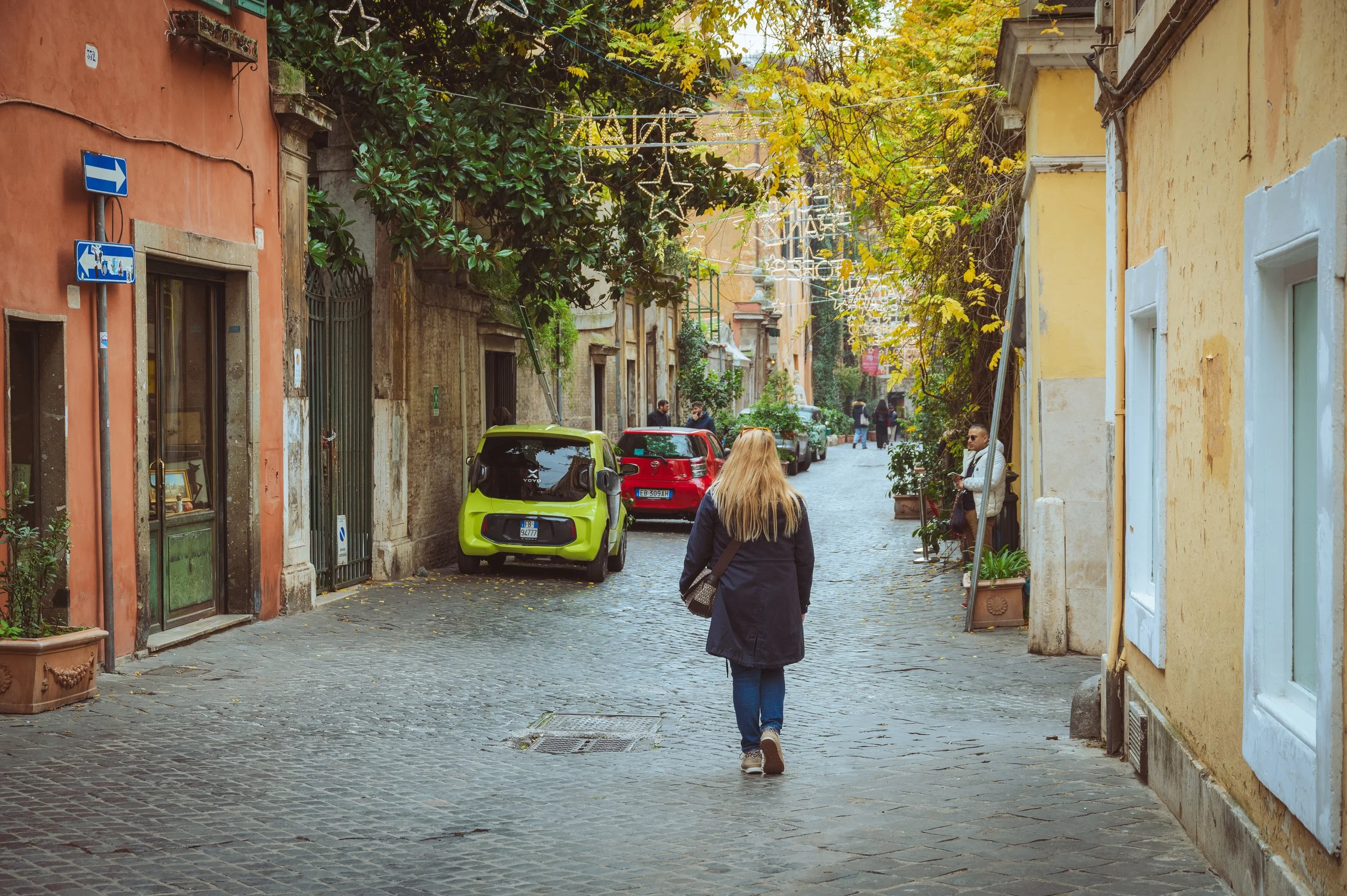
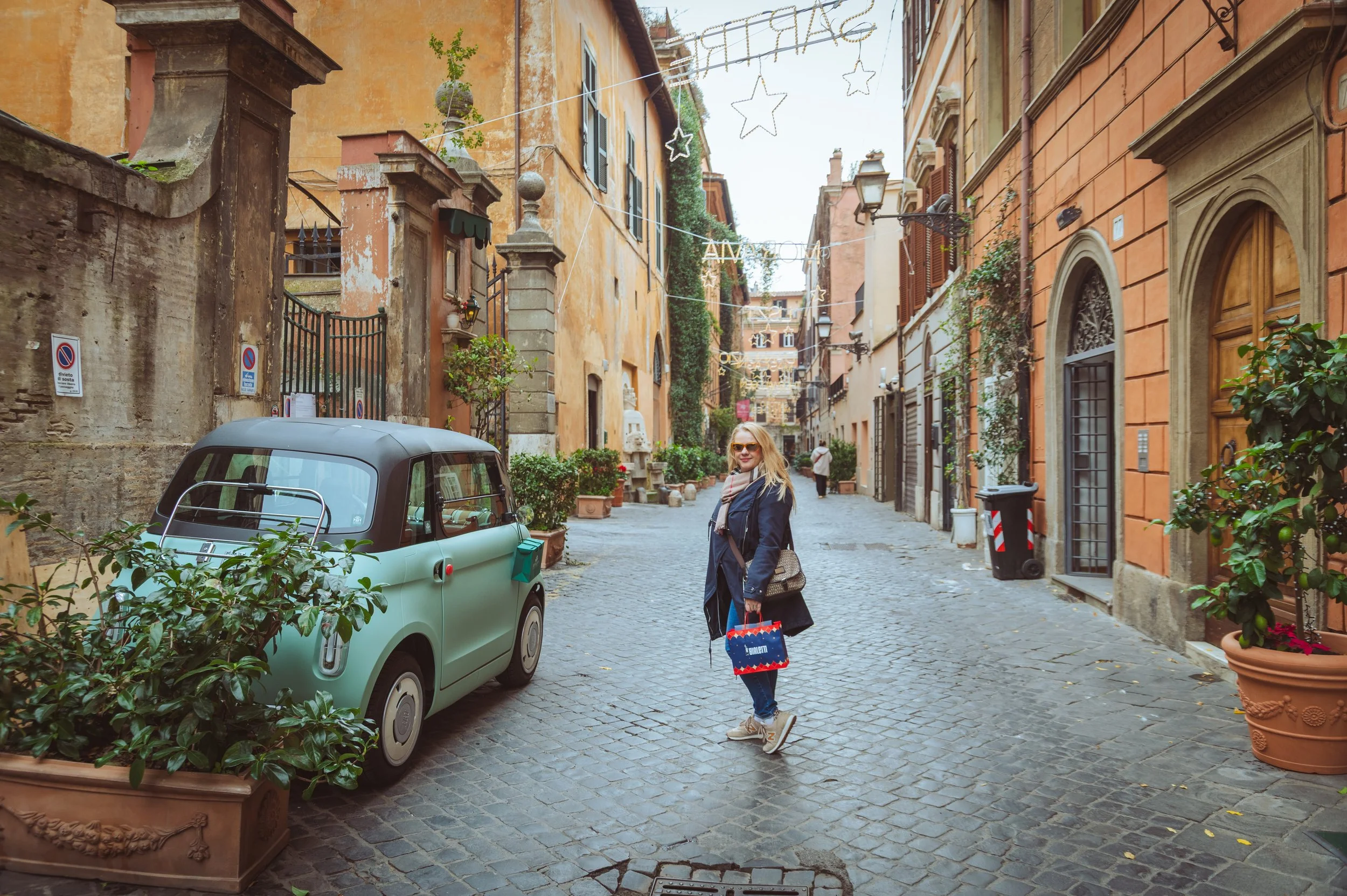
One such discovery was Via Margutta and the surrounding streets—home to numerous art galleries and intimate, very expensive shops and boutiques selling clothes and accessories. On top of that, there was the silence and the distinguished calm of an affluent neighborhood. A wonderful place for a leisurely stroll.
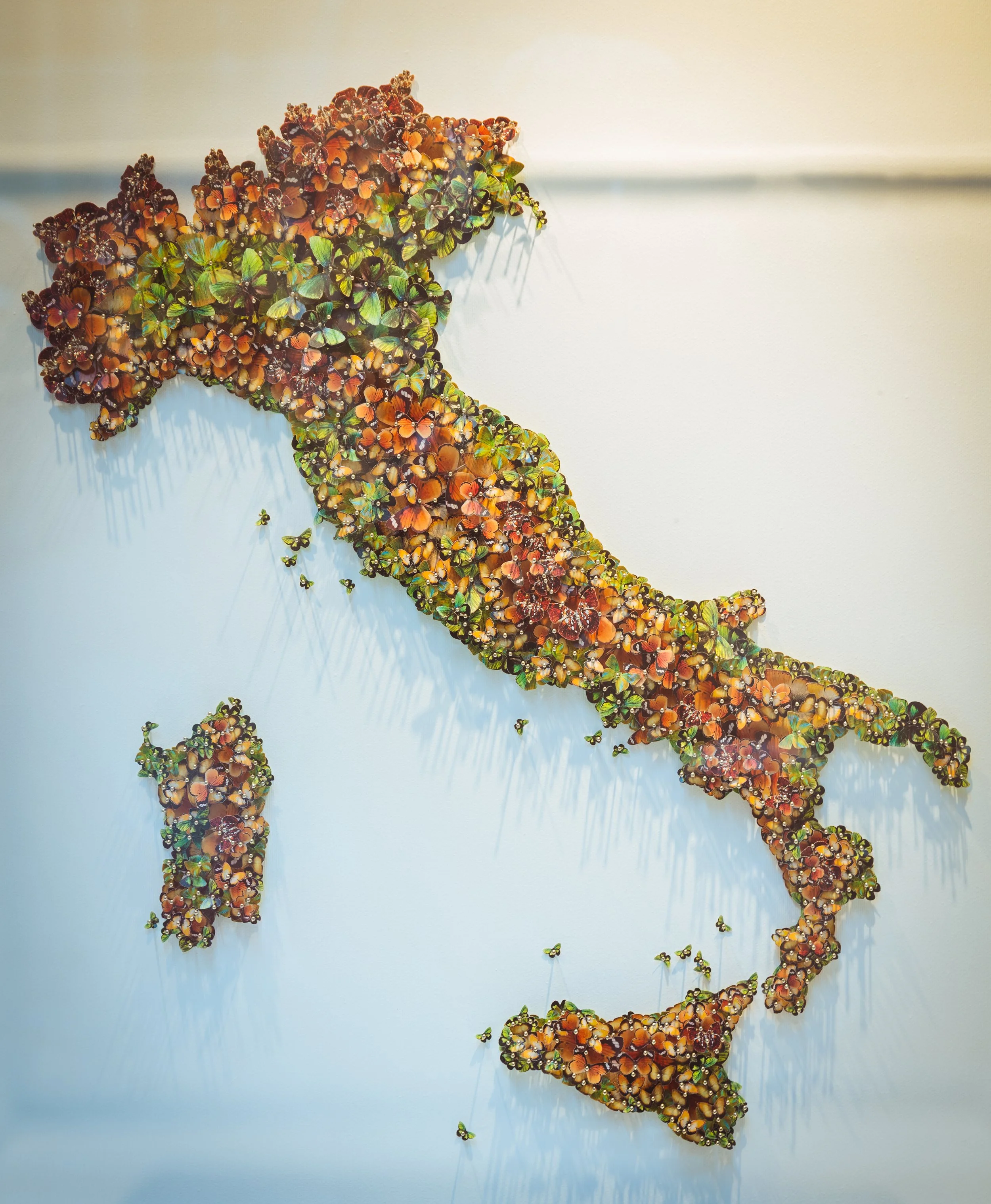
The Apennine Peninsula made of butterflies. One of the galleries near Via Margutta.
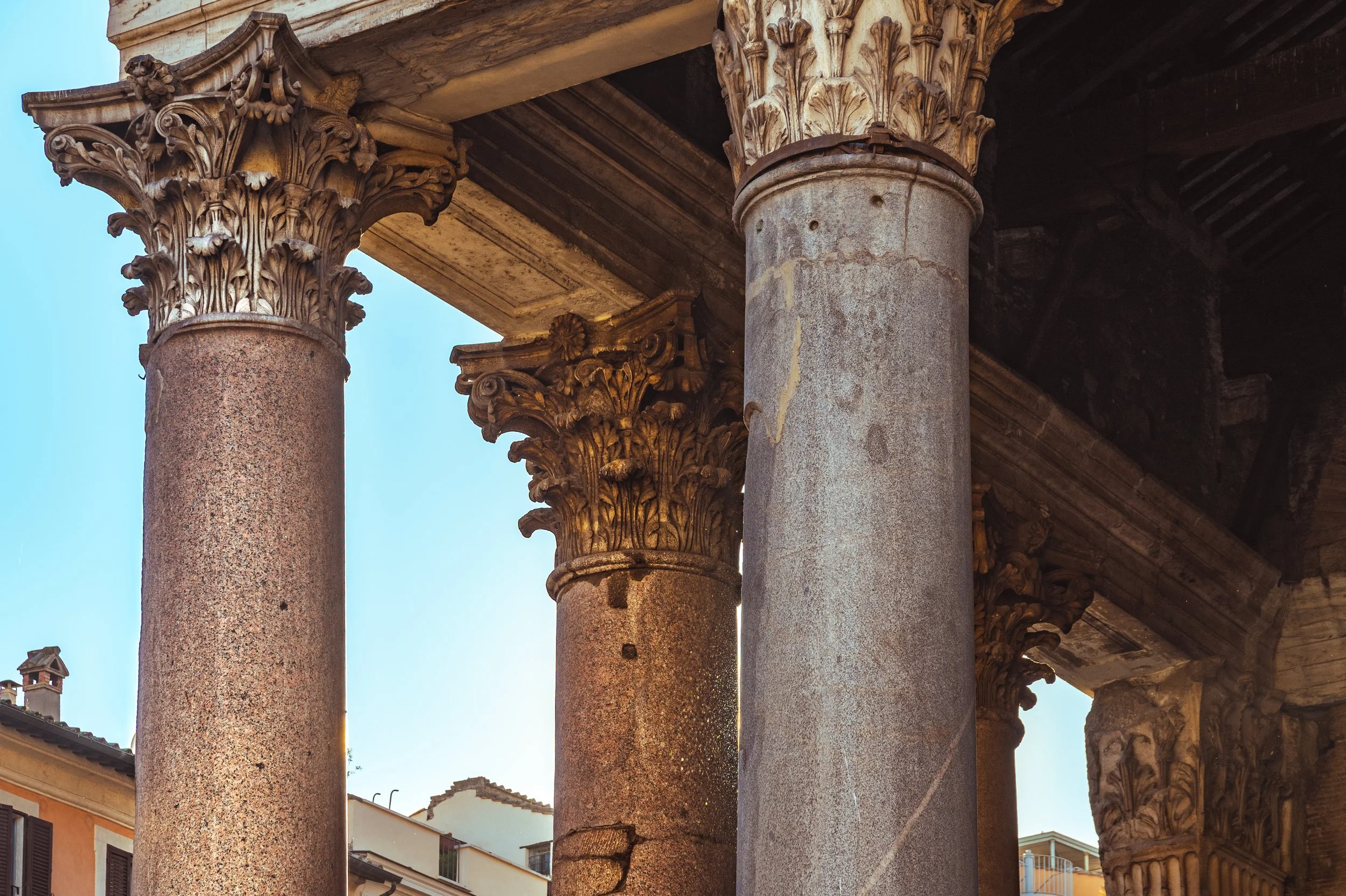
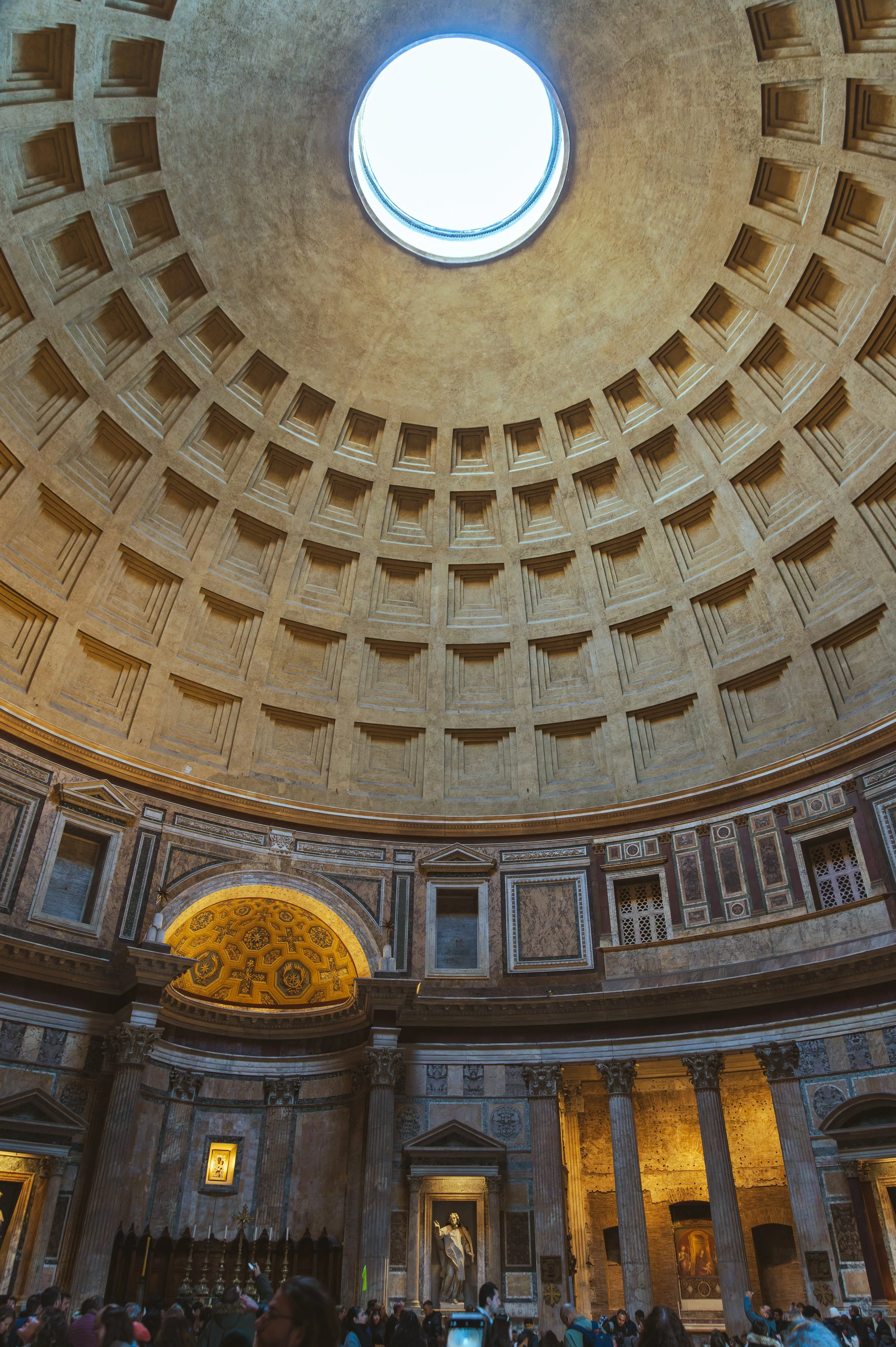
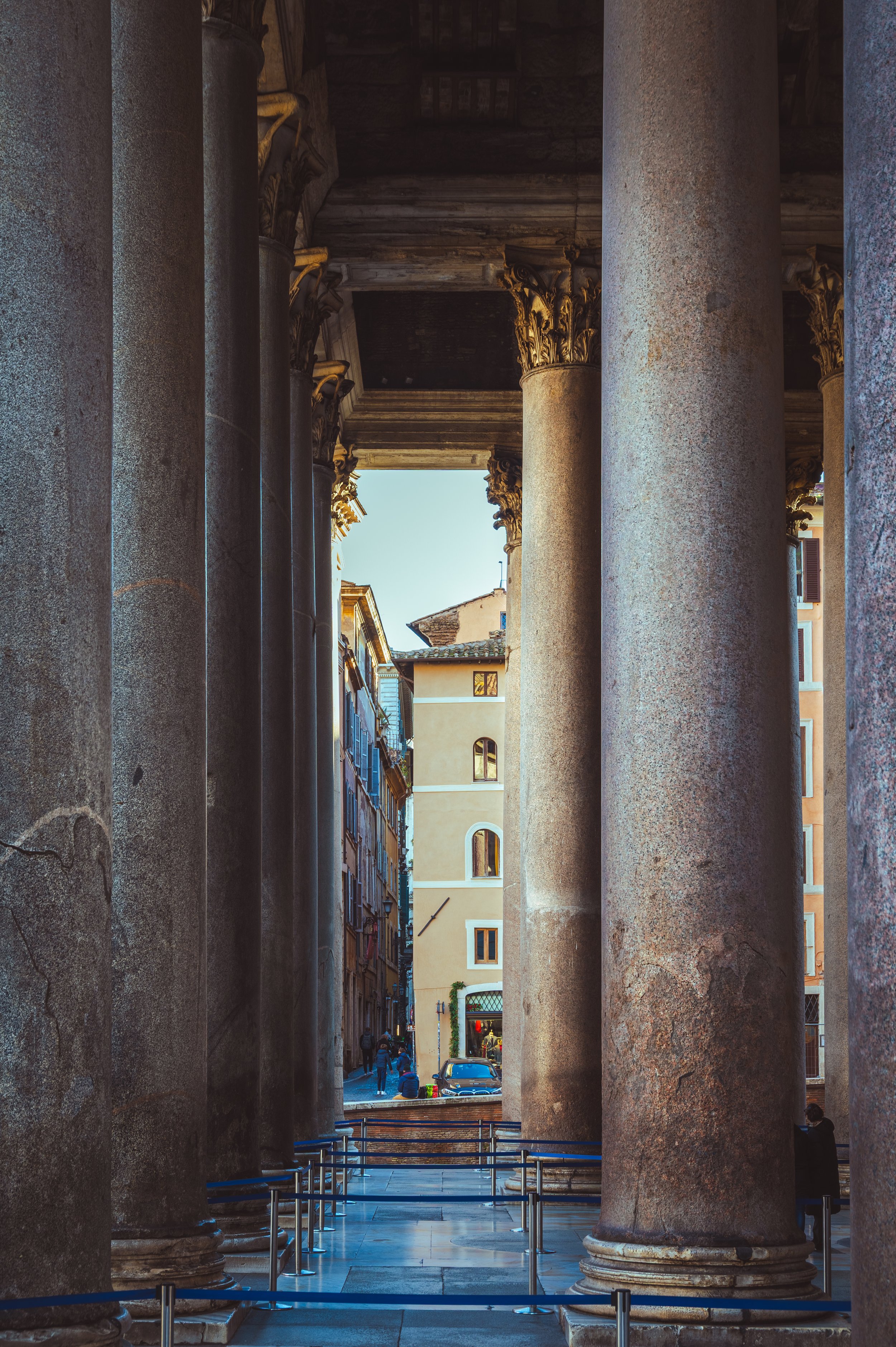
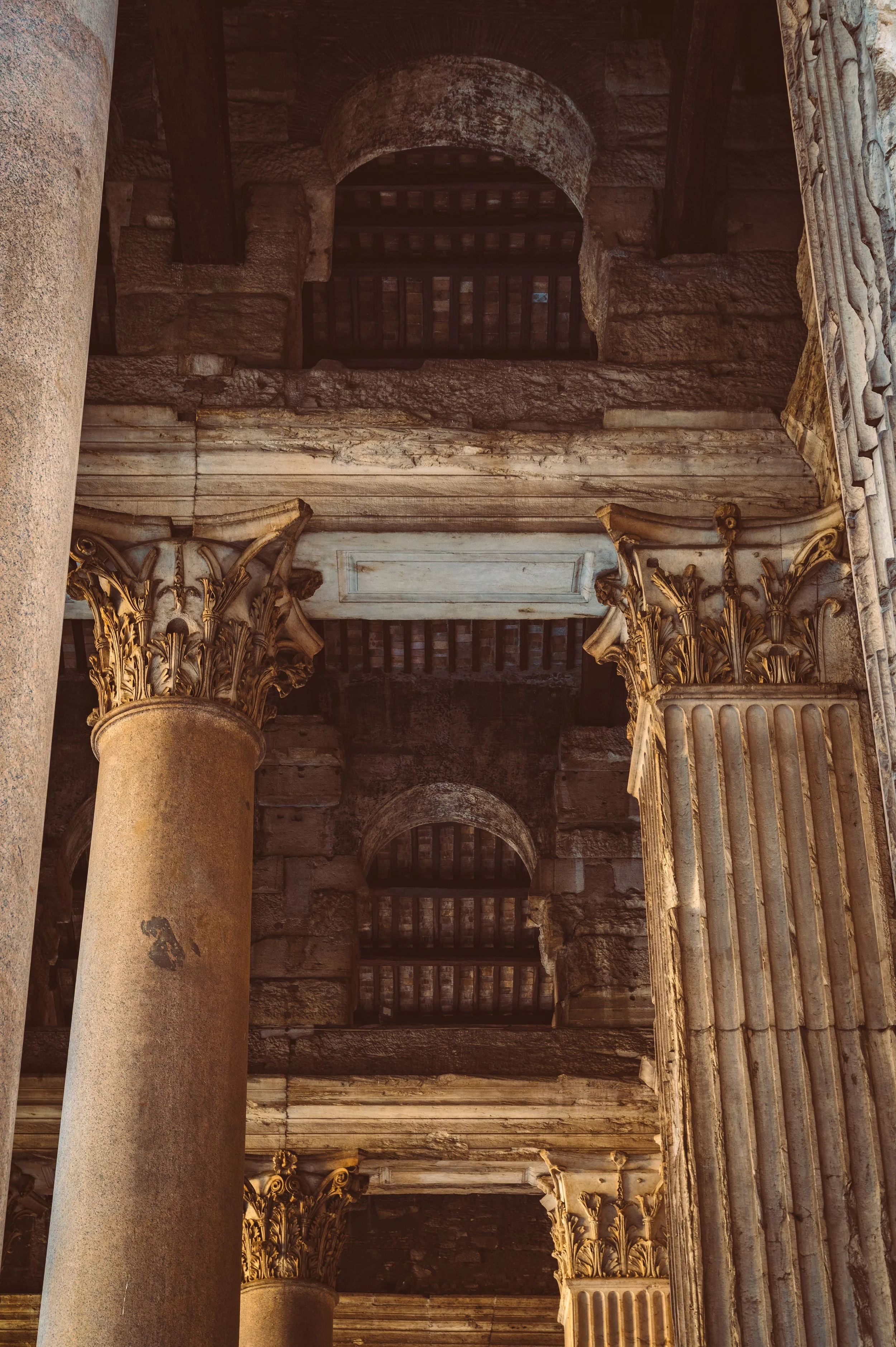
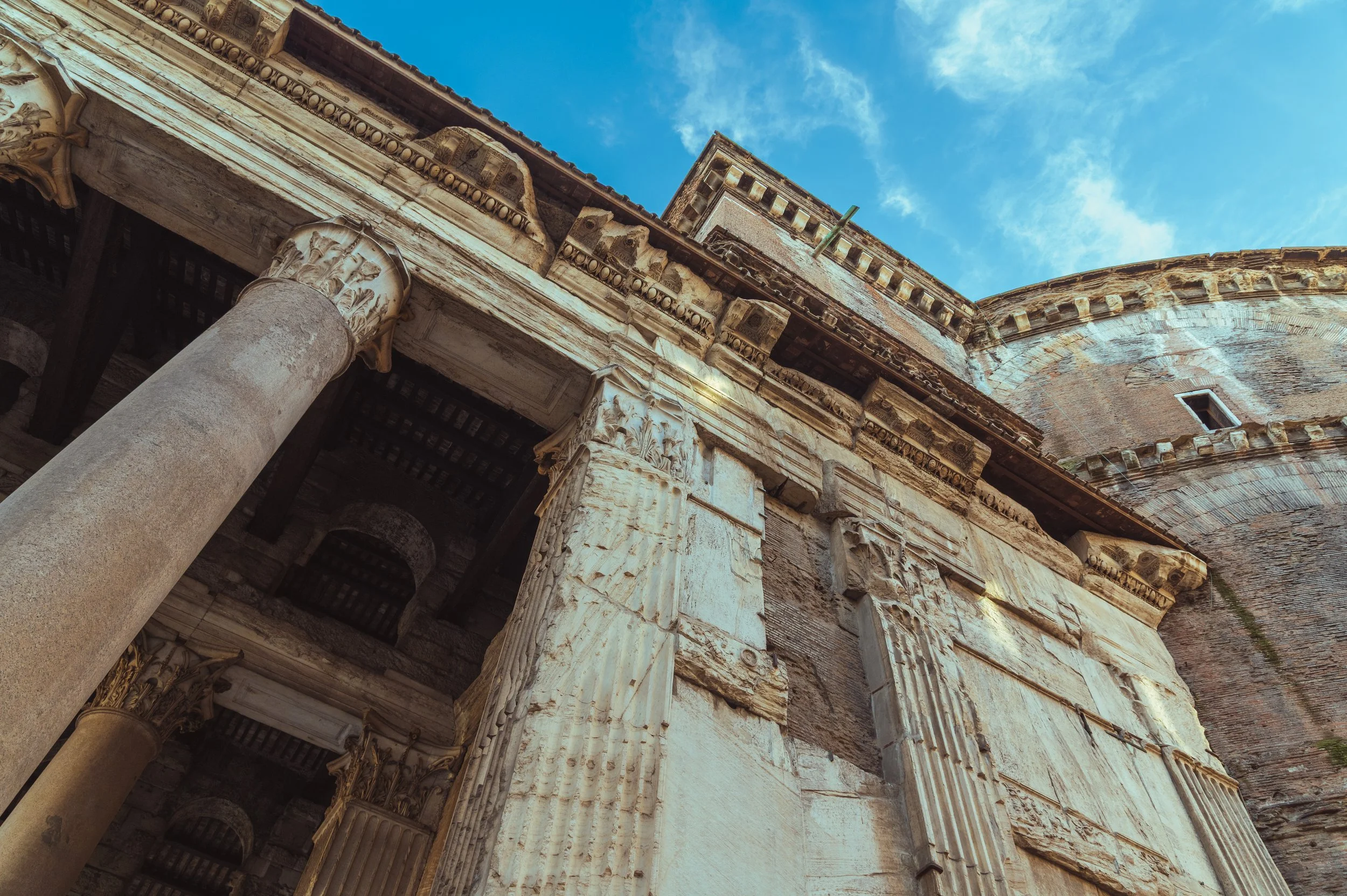
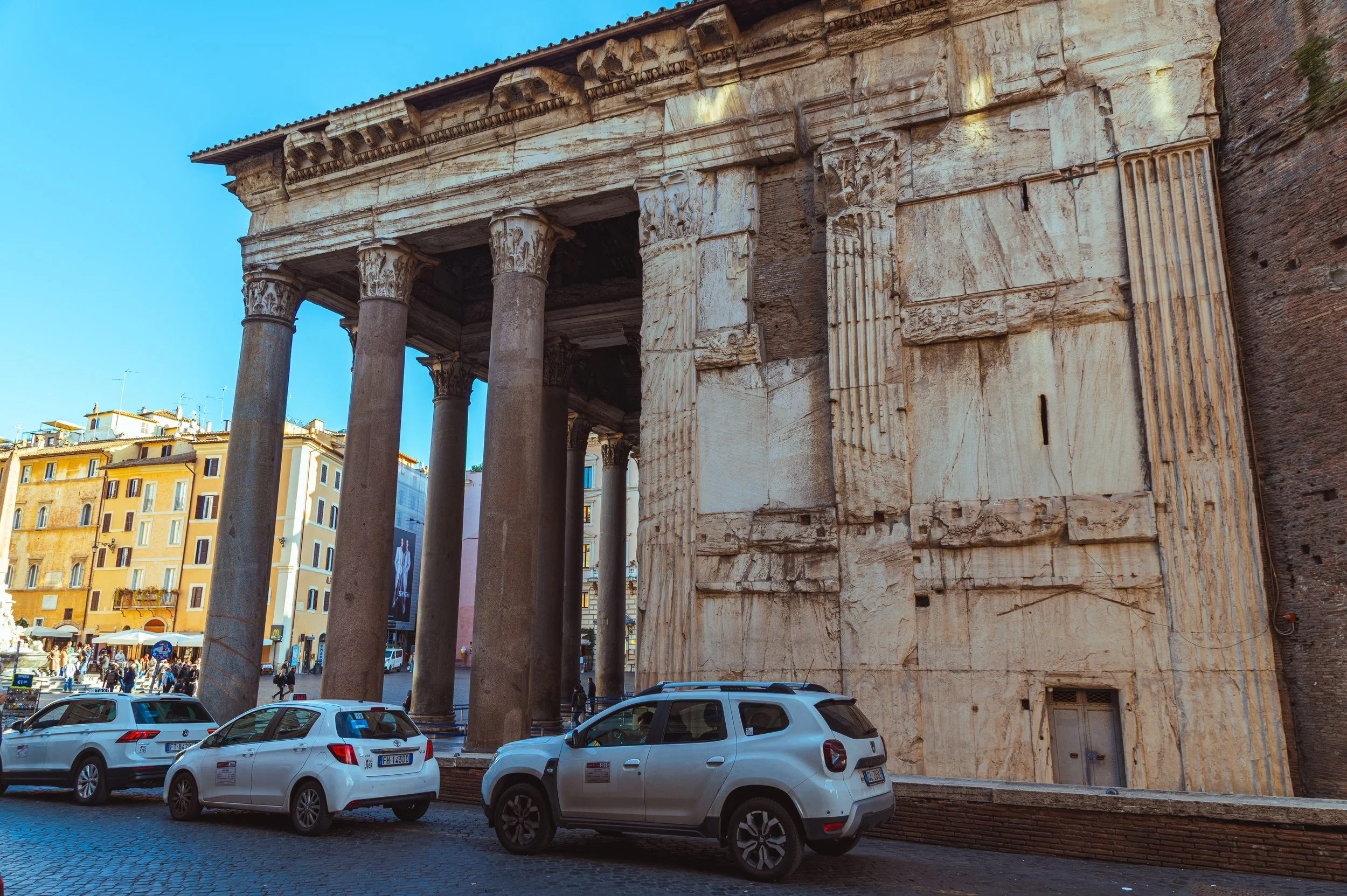
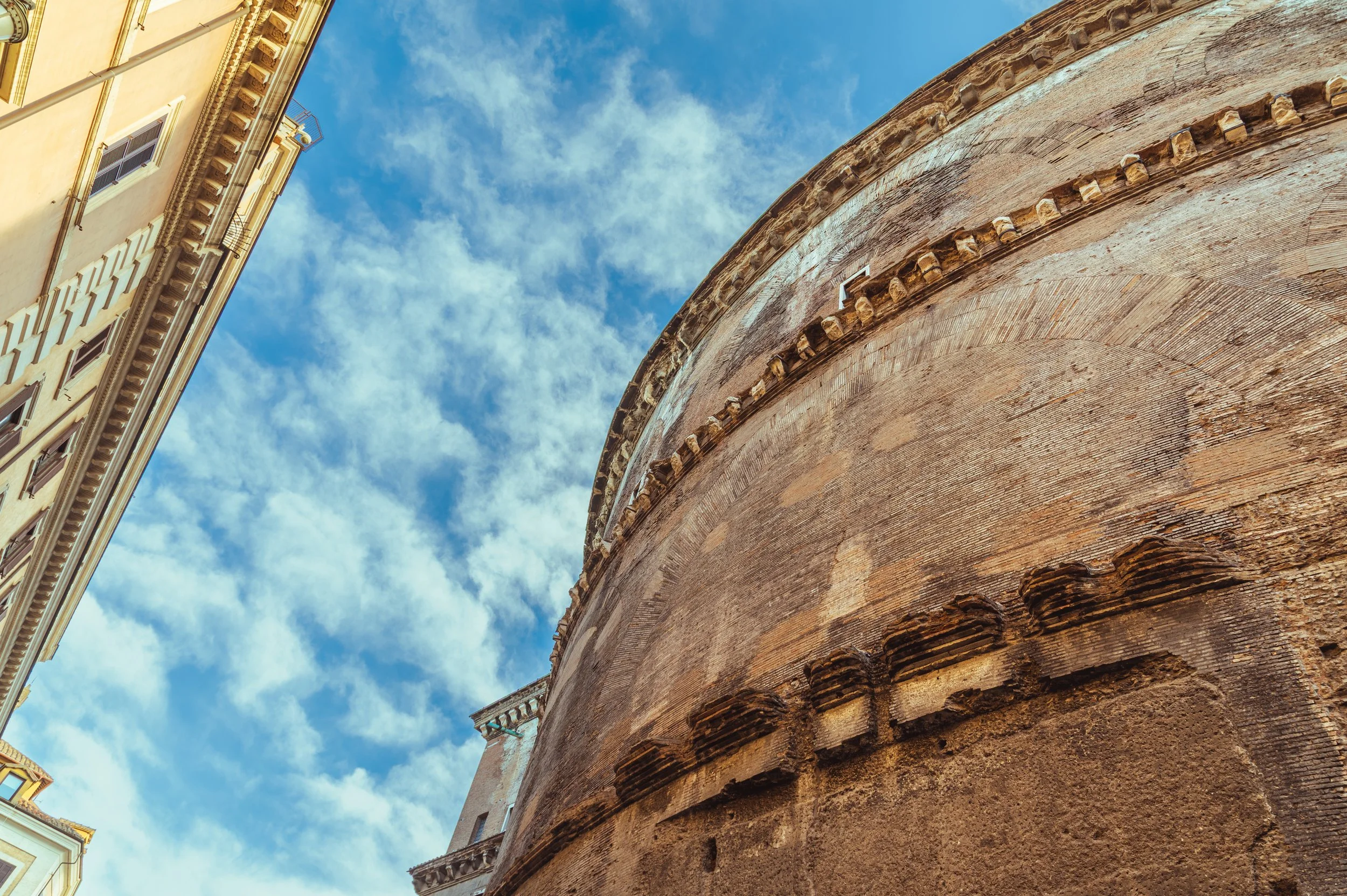
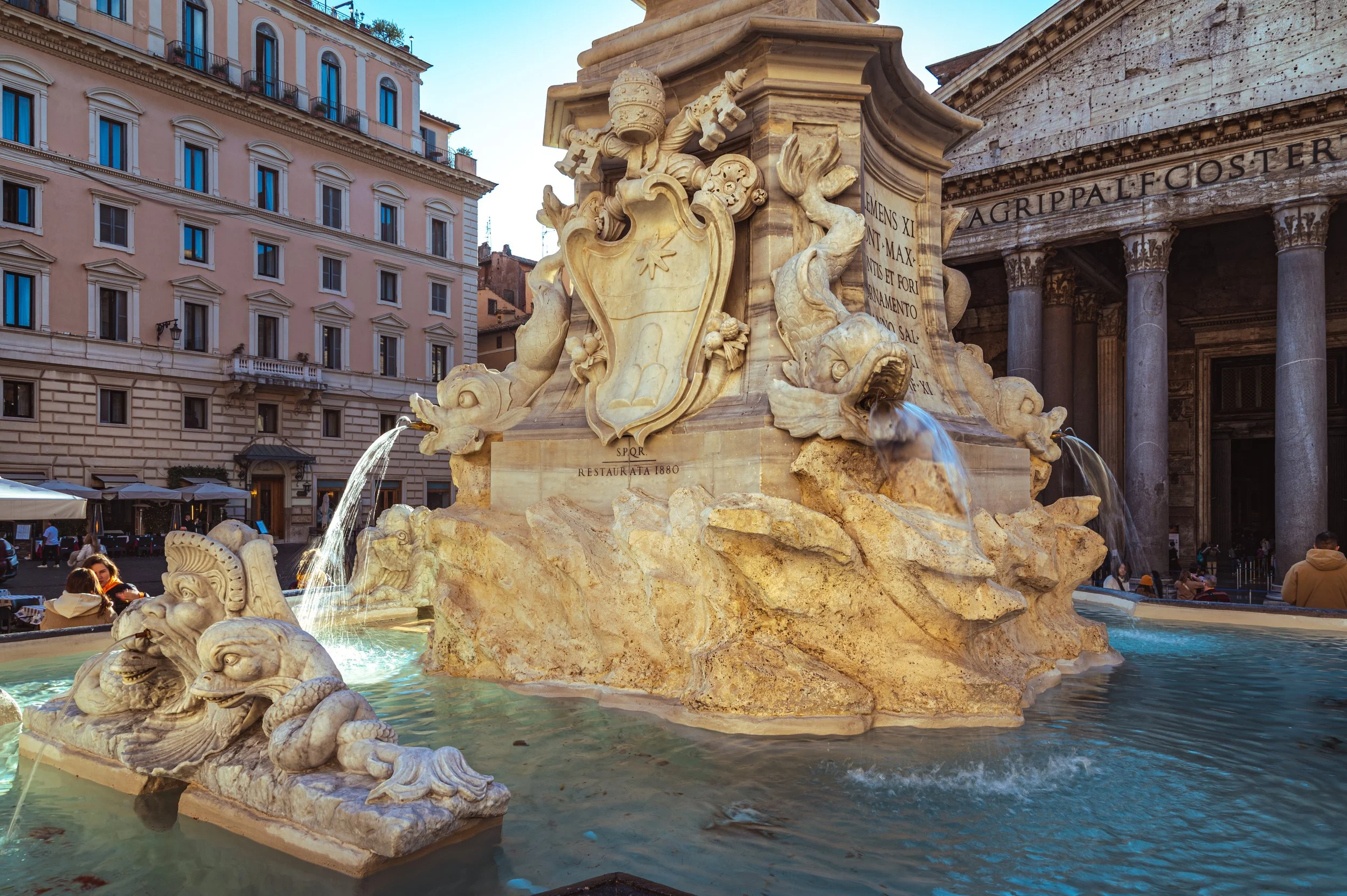
I was awestruck by the Pantheon. To call this building a "Grade Zero" monument is a massive understatement. The sight of those sixteen massive, nearly two-thousand-year-old columns in the truest Corinthian order, the entire portico, and above all, the interior covered by a magnificent 42-meter dome of unreinforced (!) concrete with its 8-meter oculus, is absolutely staggering. I stared at it with pure wonder and admiration. The Pantheon is breathtaking in every sense—both from an engineering and a historical perspective.
I had previously read about the dome’s construction and why, despite the passage of nearly two millennia, wars, and cataclysms, it has not collapsed despite having no reinforcement. I read about the bronze beams in the portico, which Pope Urban VIII ordered to be melted down into cannons, fearing an attack by German Protestants on his seat (his pontificate coincided with the Thirty Years' War). The remaining bronze was used to cast the spiral columns of the baldachin designed by Gian Lorenzo Bernini in St. Peter's Basilica in the Vatican.
The dome of the Pantheon. The oculus is the only source of natural light and has a diameter of over 8 meters. The concrete dome contains absolutely no reinforcement. The clever engineering and the concrete mix used by the Romans have allowed it to stand firm for nearly 2,000 years.
Oto propozycja tłumaczenia, która zachowuje historyczny kontekst i ciekawostki architektoniczne:
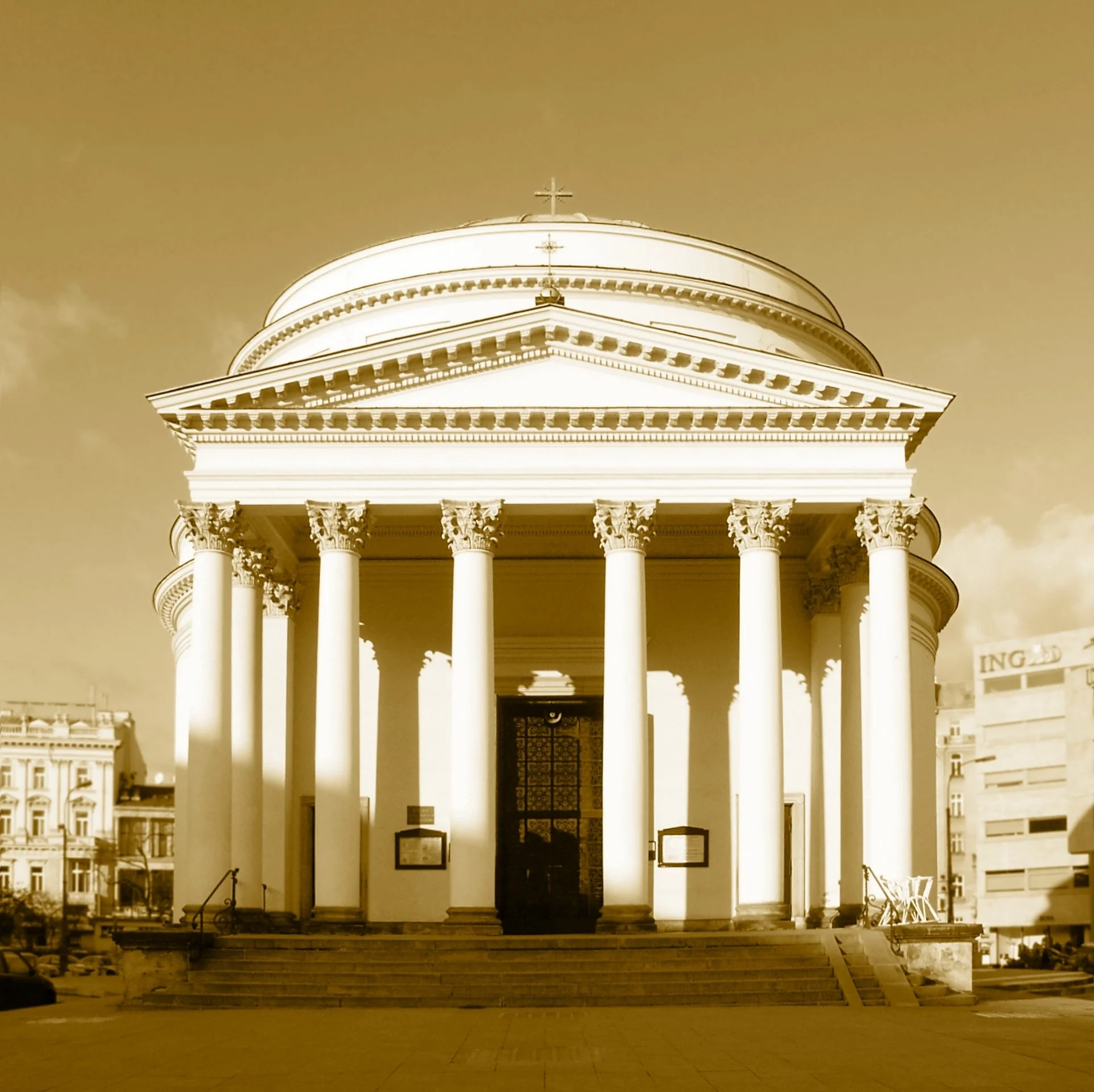
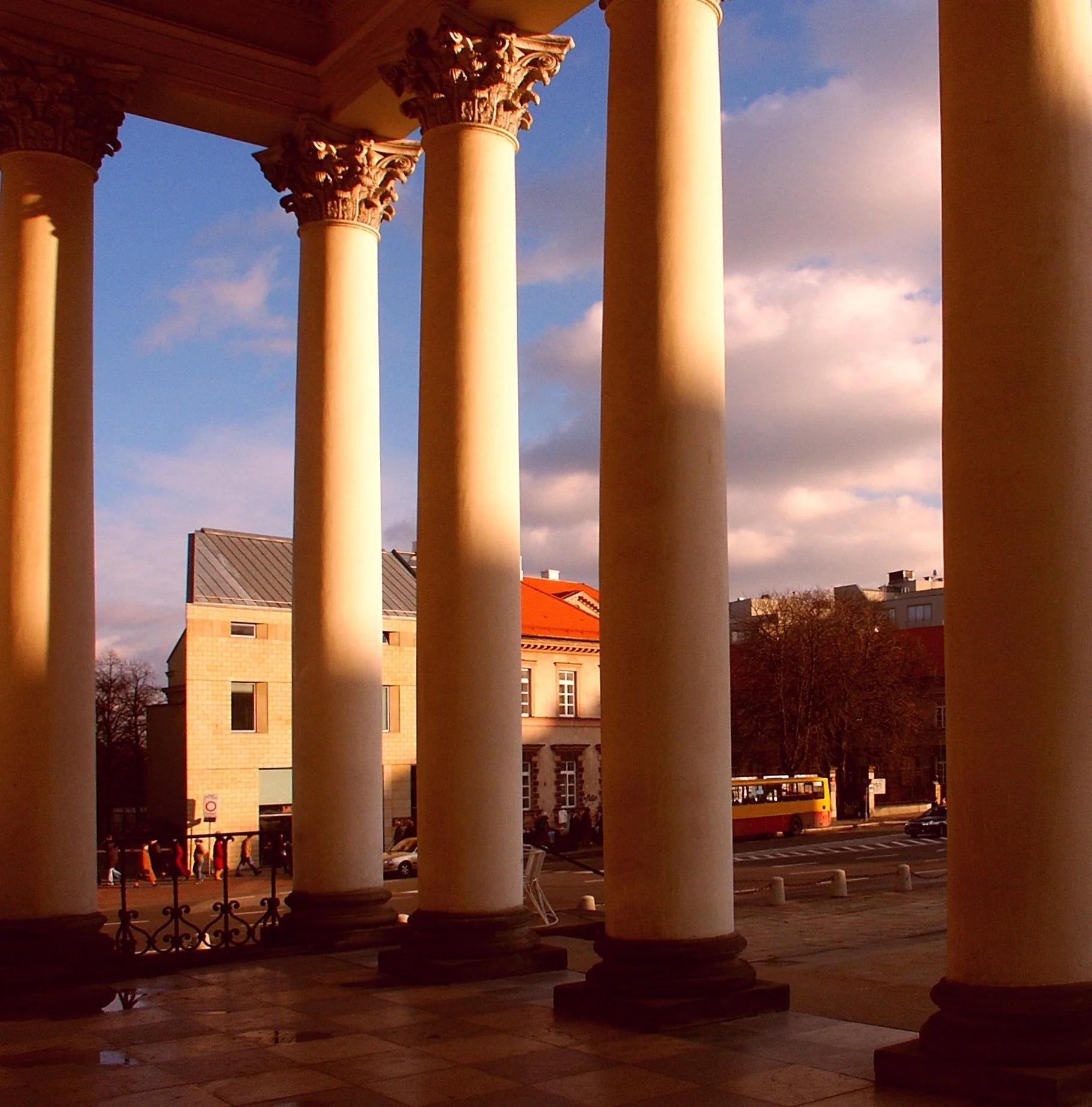
The Pantheon is the final resting place of the famous Italian painter and architect Raphael, as well as two kings of Italy—Victor Emmanuel II (who unified Italy) and Umberto I. The Church of St. Alexander at Three Crosses Square in Warsaw was modeled after the Pantheon, among other influences. Interestingly, both buildings share a similar architectural episode involving the loss of twin towers that were symmetrically placed on either side of the portico. In the Pantheon's case, they were added in the 17th century (quickly dubbed "Barberini’s donkey ears") and dismantled in 1883. In the case of St. Alexander’s, the towers (belfries) were original features that were simply not rebuilt after the war, when the Polish capital was rising from the ruins.
Maffeo Barberini was the secular name of Pope Urban VIII. It was largely due to his treatment of the Pantheon—ordering the removal of all bronze decorations and structural elements to be melted down for the aforementioned cannons and used in Bernini’s baldachin in St. Peter's Basilica—that a famous lampoon was coined: "What the barbarians didn't do, the Barberinis did" (Quod non fecerunt barbari, fecerunt Barberini).
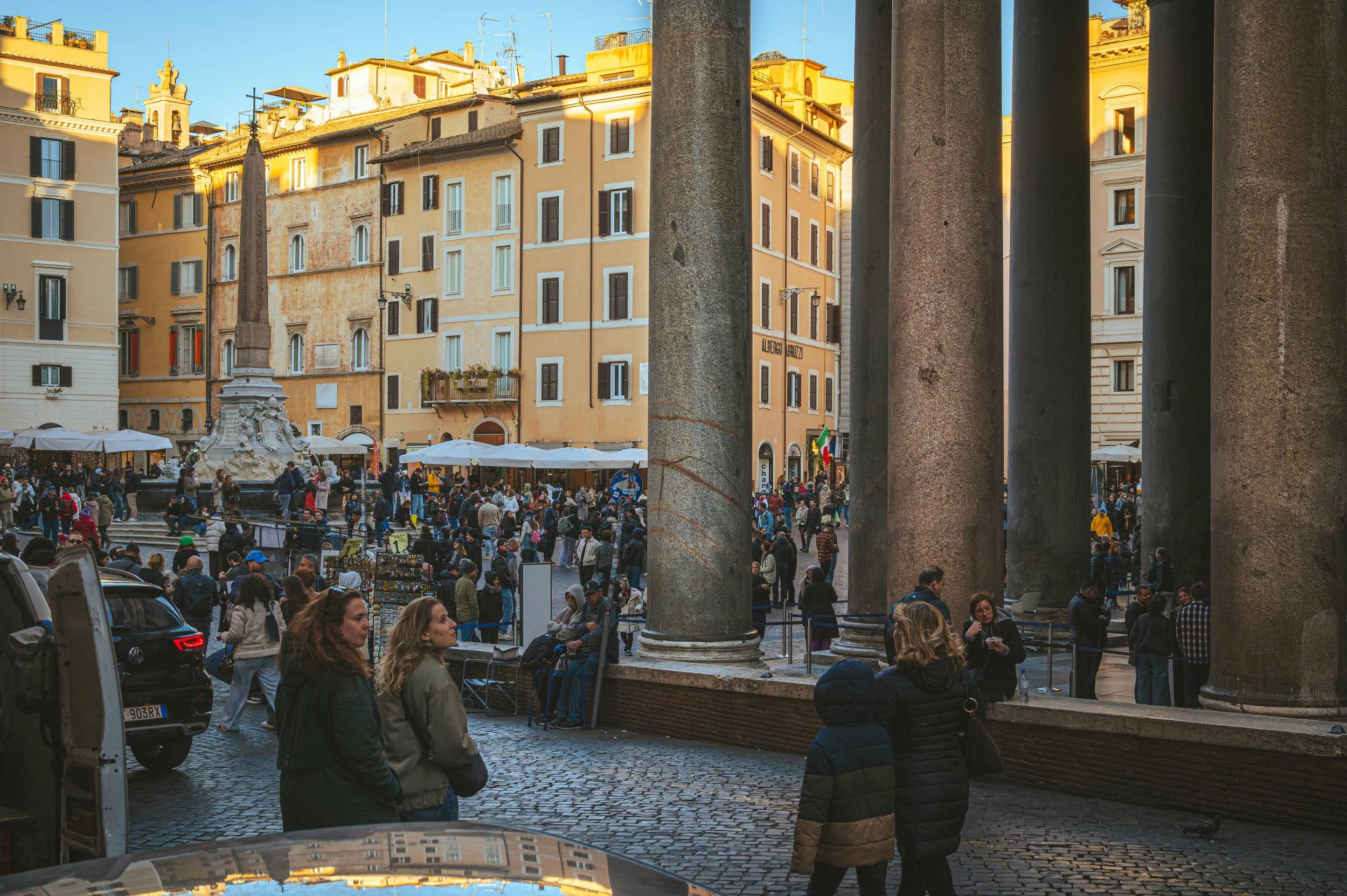
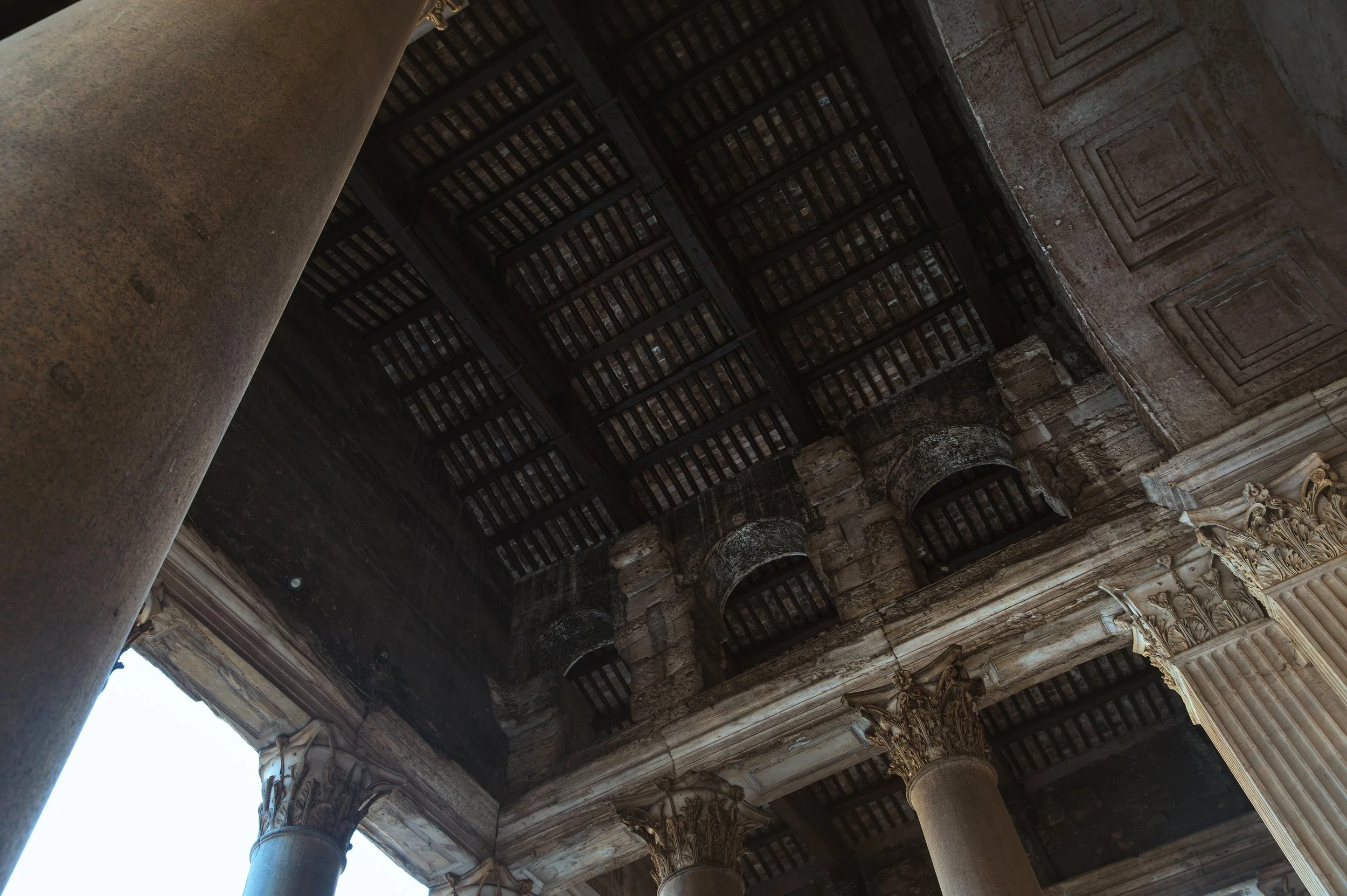
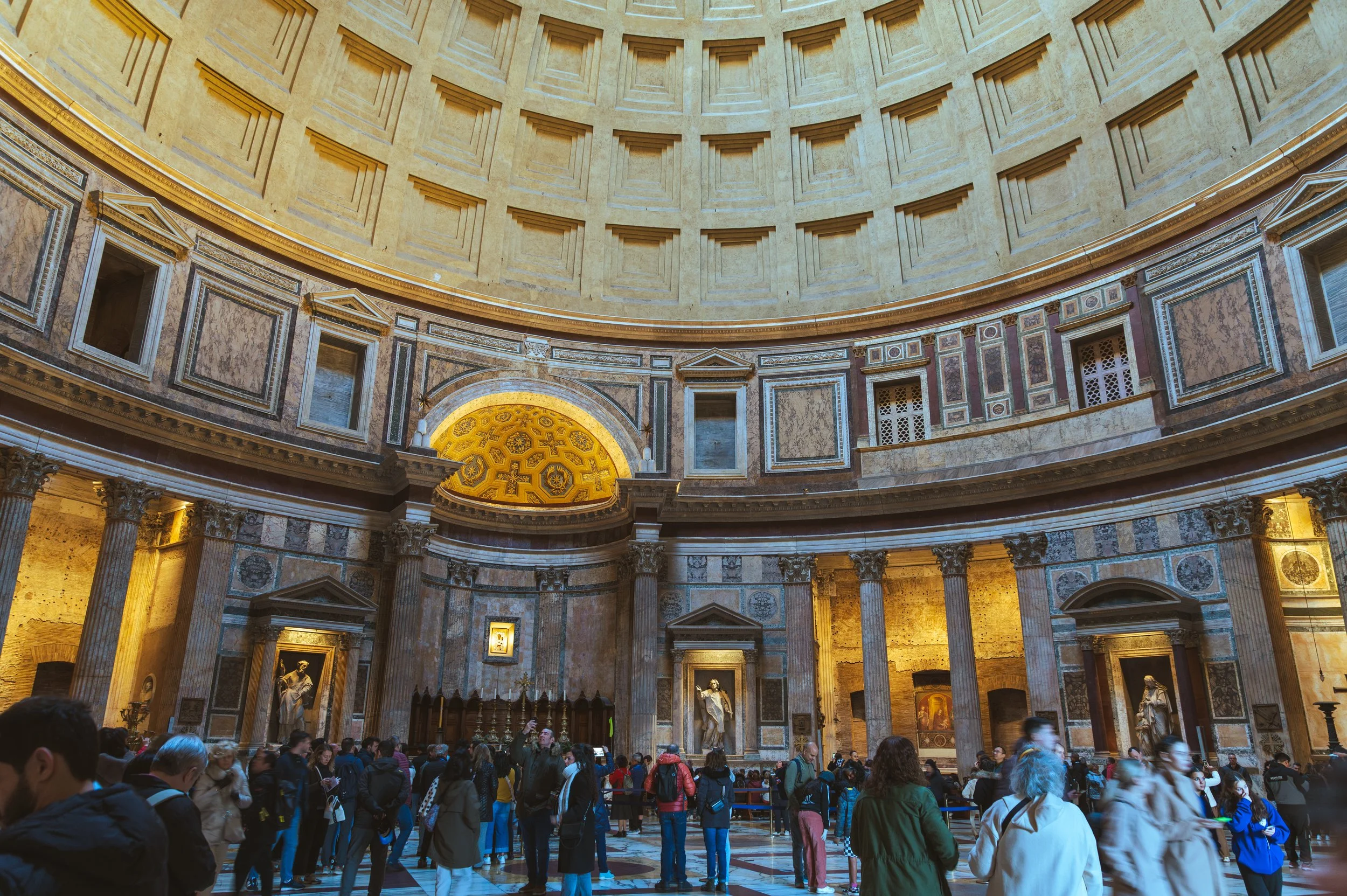
A "typical Italian" breakfast (colazione)—much like a "typical Croatian" one—isn't exactly a culinary masterpiece or anything to write home about. Usually, it consists of something sweet, like the maritozzo I mention so fondly, a sfogliatella, a cannolo, or some other pastry, accompanied by a coffee. It’s generally accepted—though exceptions are sometimes made for tourists—that milk-based coffees are only to be drunk until about eleven in the morning. Hence the aforementioned maritozzo con cappuccino (or vice versa).
Since I’m not a huge fan of sweets (with the notable exception of my undying devotion to the cream-filled rolls from the Cendrowscy bakery in Łomża), I much prefer Balkan-style breakfasts: a savory meat or cheese burek with black coffee. Of course, hotels and guesthouses offer their guests a "classic" continental breakfast or something less sugary and more savory. Nevertheless, if you’re looking for an authentic cultural experience, breakfast in a local café might come as a bit of a shock to someone visiting Italy for the first time. Still, it’s an essential part of the Italian (not just Roman) "landscape" and something that, in my opinion, you simply have to experience while in Italy.
A classic colazione.
This kind of breakfast is meant to fuel us for just a couple of hours until we stop for something more substantial at lunchtime. I must admit that at the very beginning of my Italian peregrinations, I found this slightly irritating. However, I soon realized there was nothing I could do about it, and in a few hours, I’d be sitting down to a pizza anyway. Instead of being picky and complaining, I decided it was better to just "dive in" and give it a chance. After all, the Italians serve pastries unlike anything we have in Poland. In any case, having a cappuccino con maritozzo by the Pantheon at Cremeria Monteforte—which happens to be another Roman Holiday shooting location—was a fantastic experience.
Besides, we both adore the morning café world of Southern Europe. After all, it is a ritual every single time, and usually in a place that is an institution in itself: the café. Nowhere else can you experience such an atmosphere and local flavor in the morning. The clinking of dishes, the hiss of the espresso machine, spoons tapping against cups, the loud chatter of locals, elderly gentlemen with newspapers in hand or tucked under their arms, and the animated gesturing—which in Italy is a language of its own, as inseparably linked to speech as a film score is to the images it illustrates. Observing all of this while sipping coffee is the quintessence of "little joys."
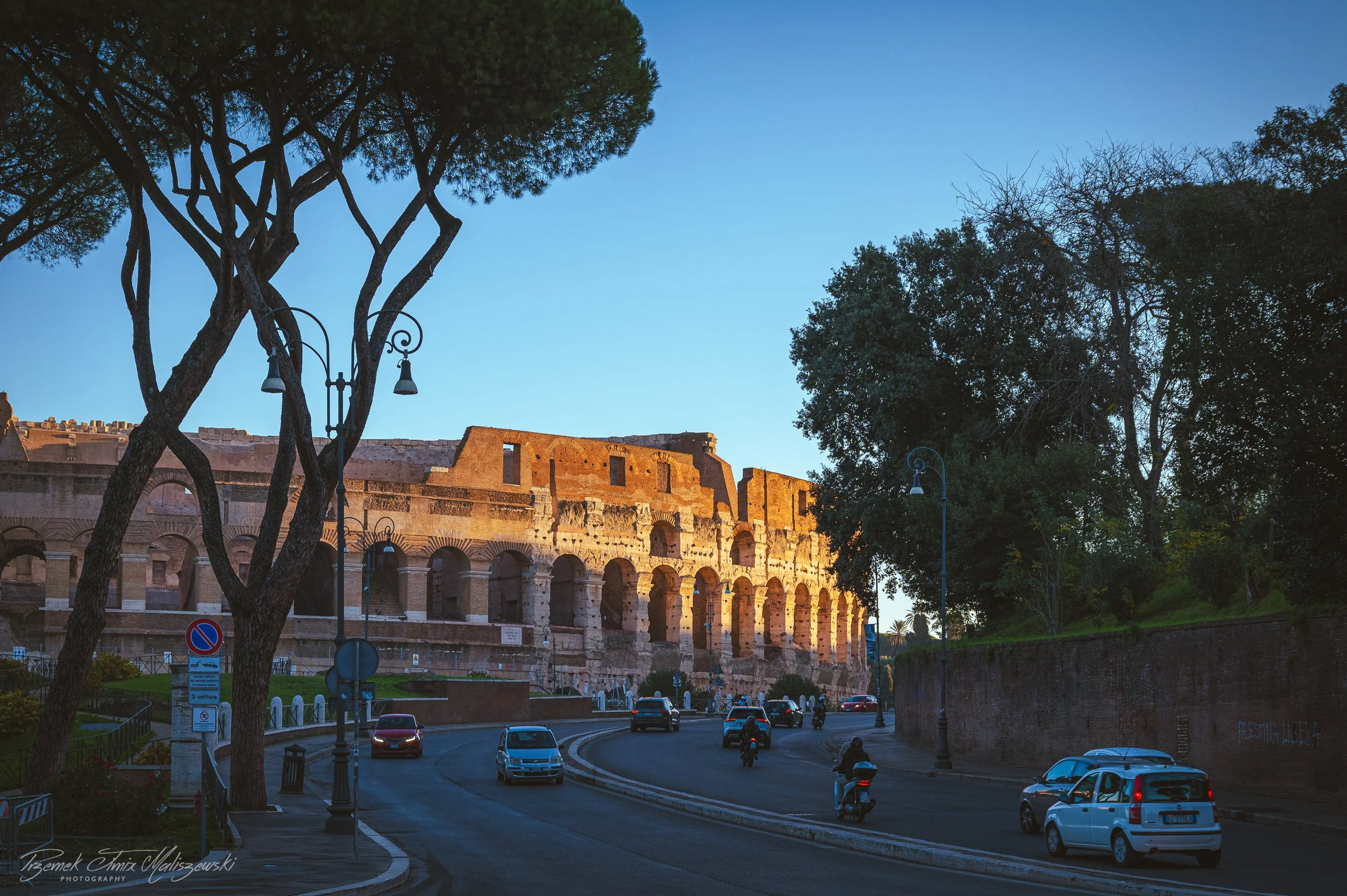
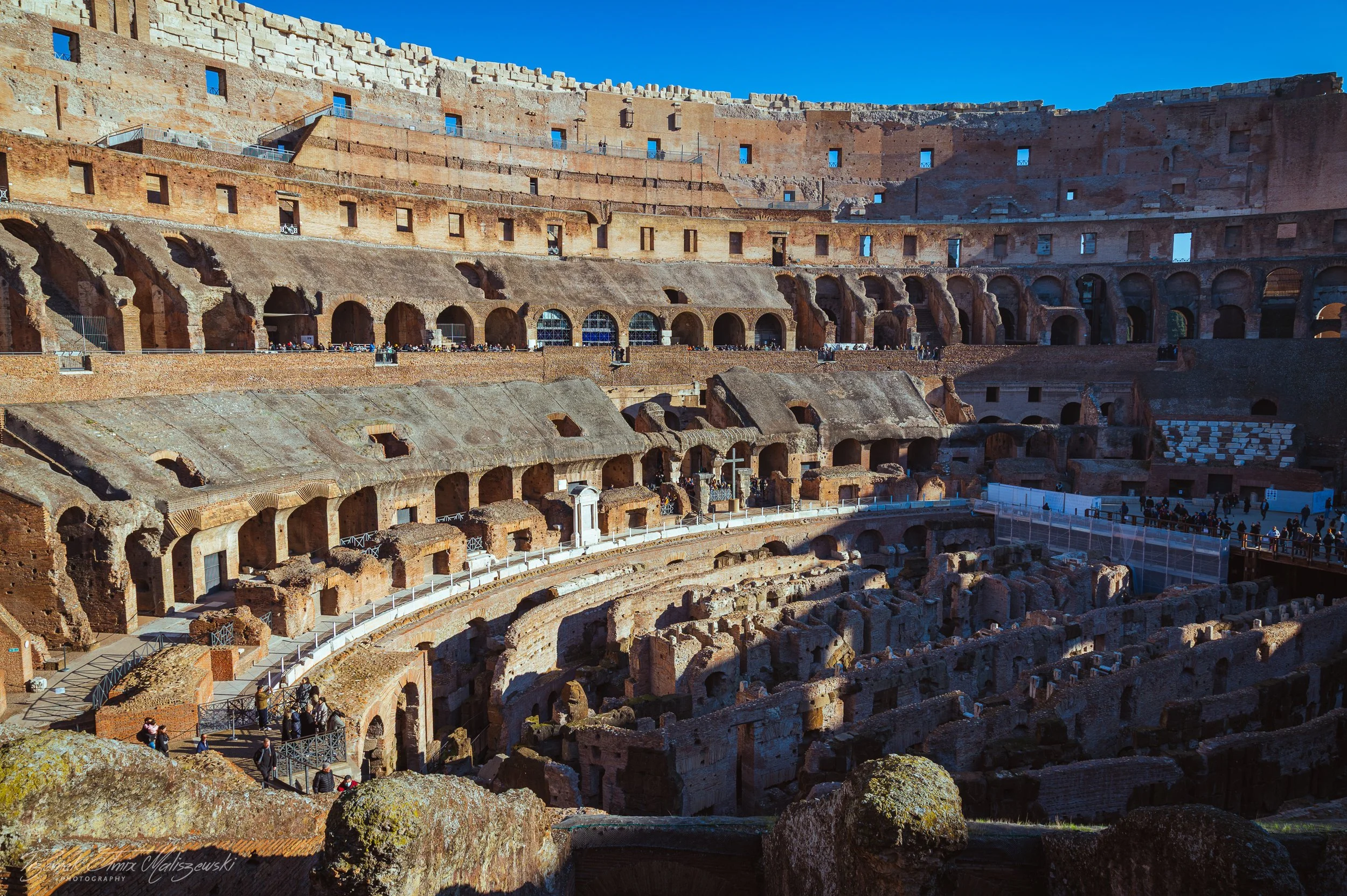
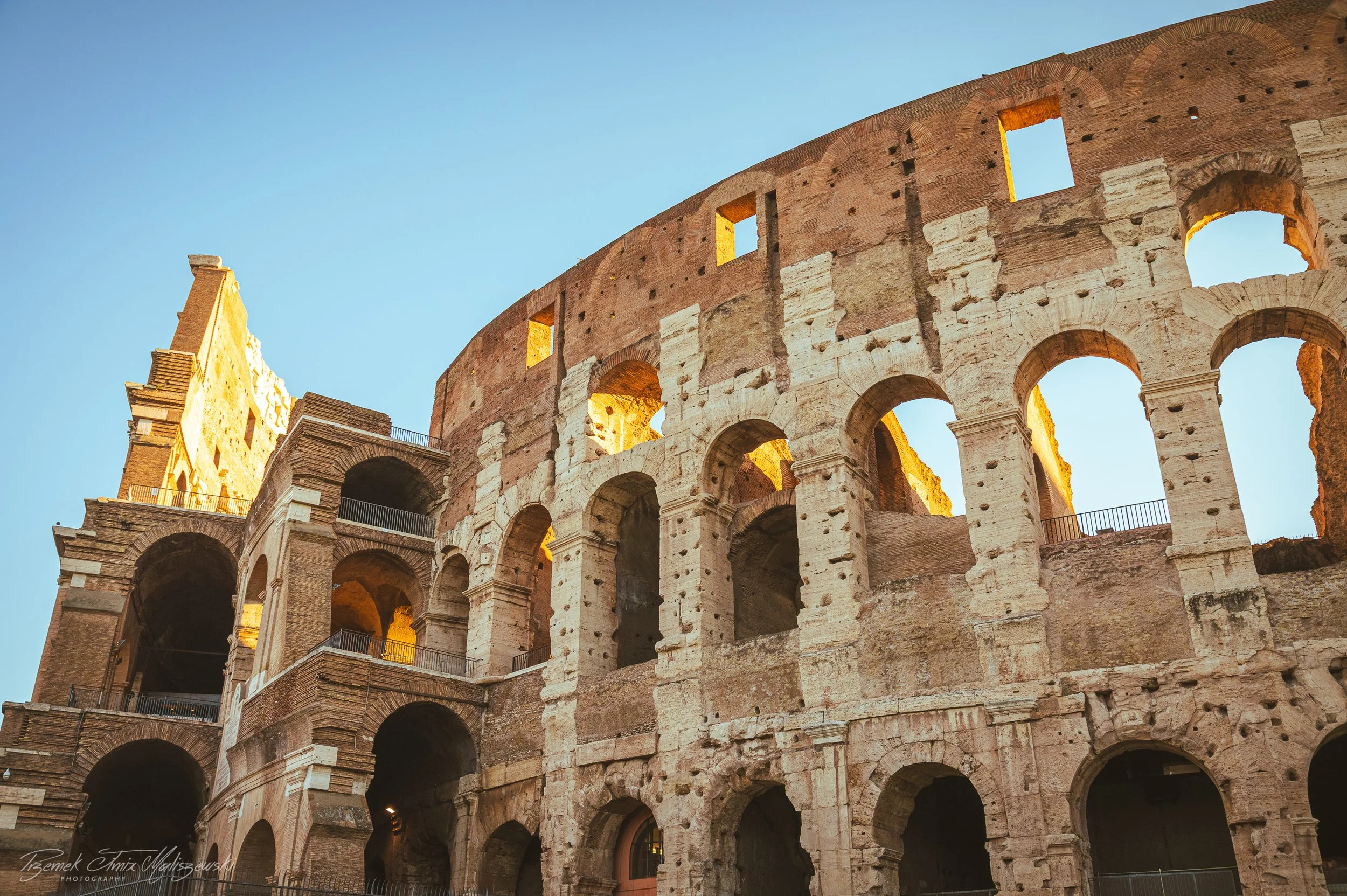
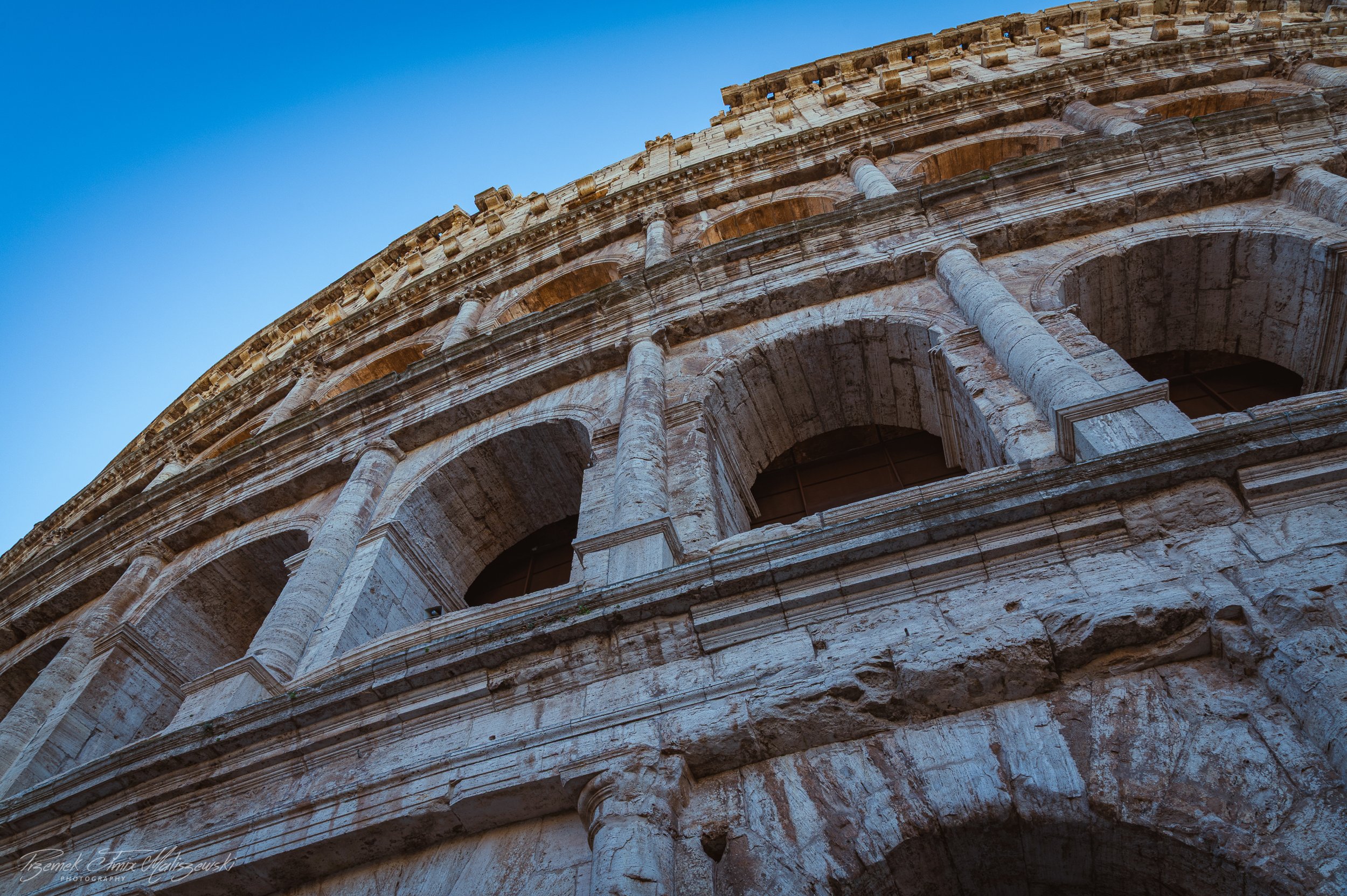
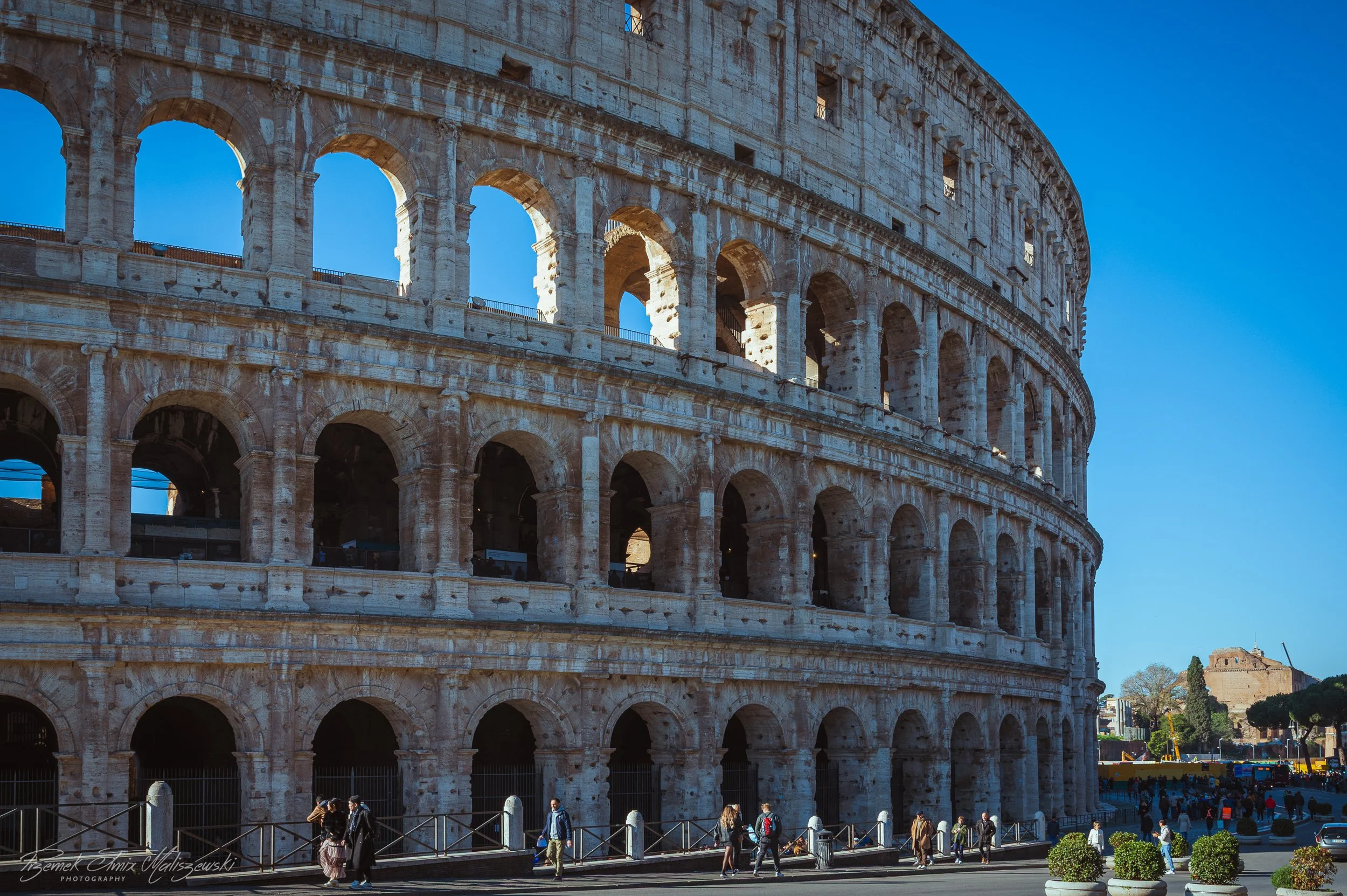
Il Colosseo, also known as the Flavian Amphitheatre. Nearly 2,000 years old, with an estimated capacity of about 50,000 spectators.
When we say "Rome," we often think: "The Colosseum" and "St. Peter's Basilica." All in all, it’s no wonder—these two sites alone make a trip to Rome worthwhile, just to see them with your own eyes at least once in a lifetime. Il Colosseo is even recognized as one of the so-called Seven Wonders of the World, and Basilica di San Pietro is, after all, the second-largest church in the world.
The Colosseum—whose correct name is the Amphitheatrum Flavium (Flavian Amphitheatre, named after the Flavian dynasty of emperors, Vespasian and Titus, under whose reign it was built)—derives its common name from an ancient statue of Nero, the so-called Colossus. According to some sources, this gilded bronze statue stood 35 meters tall right next to the amphitheatre's facade. In antiquity, the name "Colosseum" was unknown and therefore unused; it only came into use during the Middle Ages.
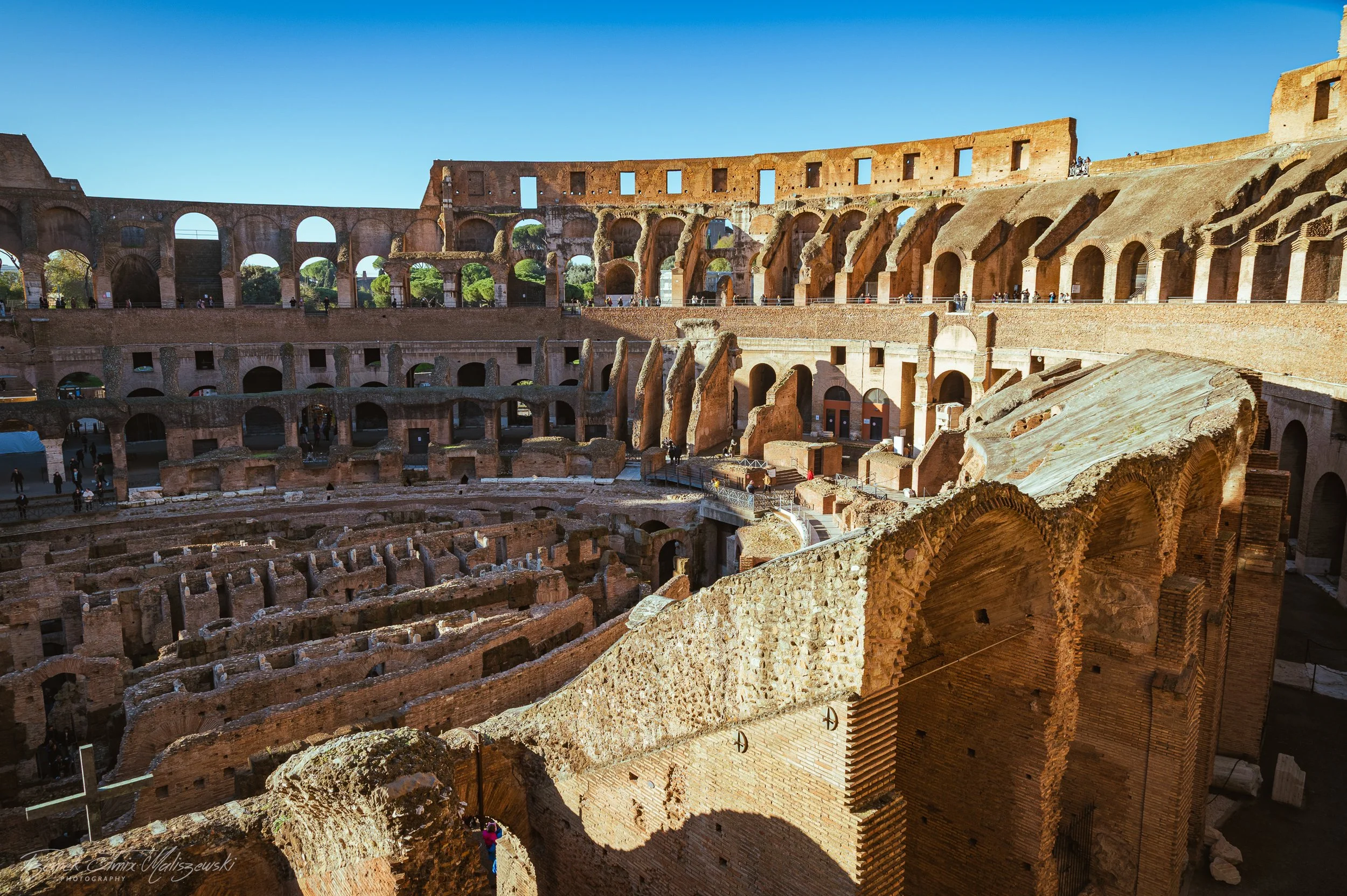
The ground floor of the amphitheater. The echoes of ancient history are heard very clearly here. You just have to listen closely. You have to stop and take it all in.
The Colosseum leaves a massive impression. It is a formidable structure, and even today—nearly 1,950 years after its construction, after fires, several earthquakes, looting, and its use as a quarry from roughly the 14th to the 18th century—it overwhelms with its scale and amazes with its technical ingenuity. Looking at how they built nearly two thousand years ago, one must admit that the skills and capabilities of the ancient builders command deep respect. They built with bricks and concrete, employing solutions that—if one were to build with bricks today—still hold true.
If we, in modern times, desired to build a replica of Il Colosseo, the final structure would look essentially the same. The same brickwork patterns, the same arches in the walls to help distribute the building’s self-weight, the same buttresses and vaults. Of course, we would deliver the bricks to the site by truck and likely use modern cranes and concrete pumps, but that would be the extent of the differences. Has construction, then, in certain aspects, not advanced at all over these hundreds of years? Or are these methods simply so perfected that there is no further room for evolution?
It seems that is exactly the case. Naturally, the ancient Romans did not know reinforced concrete; one can only let their imagination run wild, envisioning what their bridges, aqueducts, temples, baths, and amphitheatres would have looked like—and in what condition they would have survived—had they known that technology. Perhaps they would have avoided the grim fate that befell the Roman Forum? Perhaps the ancient Roman "tradition" of recycling elements from older or dismantled buildings to construct new ones (spolia) would have had no reason to exist?
The arena level. Two stories of the underground substructure beneath the amphitheater are visible.
While at the Colosseum, I wasn’t particularly preoccupied with its brutal past. Rather, I wondered how much of it is truth and how much is exaggeration and coloring accumulated over the centuries—a narrative shaped significantly by the clergy and the Papal States. Interestingly, this had at least one positive outcome for the structure itself.
To this day, there is no evidence that Roman Christians were systematically murdered in the Colosseum. This is contradicted not only by archaeological research but, above all, by the lack of specific Roman records that should have mentioned such events. To be clear, Christians were indeed persecuted—there is no doubt about that—but reports of their mass executions point to the era of Nero, which was before the Amphitheater was even built. It is known that mass executions of Christians sometimes took place in Nero's private gardens and the nearby Circus Maximus. It is also a fact that Rome executed people convicted of serious crimes within the Colosseum itself, for example, during intervals between gladiator bouts, often in extremely brutal ways (ad bestias—using wild or feral animals specifically "prepared" beforehand). Thus, it is possible that among the convicts were those of the Christian faith. Arsonists or those who refused to recognize Roman deities were often subjected to cruel executions in the arenas of Rome's many amphitheatres and circuses. In this regard, the Colosseum is not uniquely singled out in surviving accounts, nor was it the sole place of execution.
However, Christian culture, the Roman Catholic Church, and literature referencing those times turned the Colosseum into a symbol of Christian martyrdom. The Colosseum itself is partly to blame: first, because it is the largest amphitheater (unlike circuses, which had a different shape and, despite often being much larger, were not as visually predestined for this role); second, because "games of death" took place on its arena, providing a backdrop for martyrdom—in this case, martyrdom for the profit of gladiator owners and the entertainment of a crowd devoid of morality and a ruthless government. Third, the Colosseum, as the only such magnificent and best-preserved physical object "remembering" those infamous times, became a kind of architectural relic—making it the perfect place to anchor the collective concept of Christian martyrdom within its oval walls.
In a way, this is precisely what "saved" the building from total collapse and complete devastation. In 1744, the Colosseum was officially declared a site of Christian martyrdom, which brought an end to its exploitation as a quarry.
The scale of the structure is staggering. This is how they built in Rome two thousand years ago. Brick, concrete, marble, travertine, wood, and bronze.
The Colosseum left a massive impression on me. As I mentioned, it is enormous—supposedly able to hold up to 50,000 people. Walking along its galleries, I imagined the roar, the clamor, all those people—both the spectators in the stands and the poor souls on the arena floor... I didn't have Hollywood scenes from Gladiator in my head. I know that the vast majority of citizens from the "land of the hamburger" come here in search of the spirit of Maximus, and shouts of "Roman victor!" are not uncommon. I heard them as well at the much smaller, "local" amphitheater in Pompeii.
Panorama looking northeast.
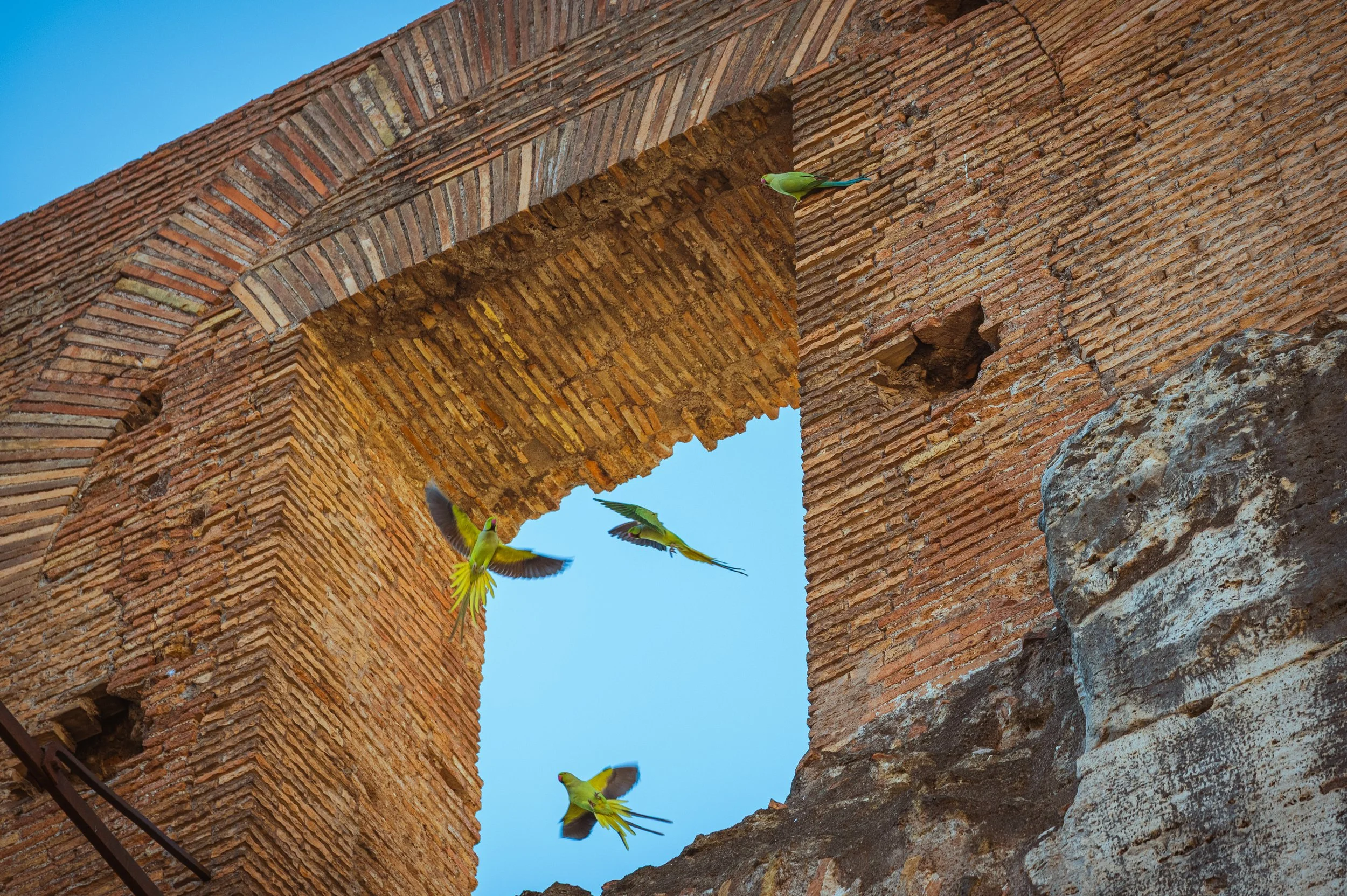
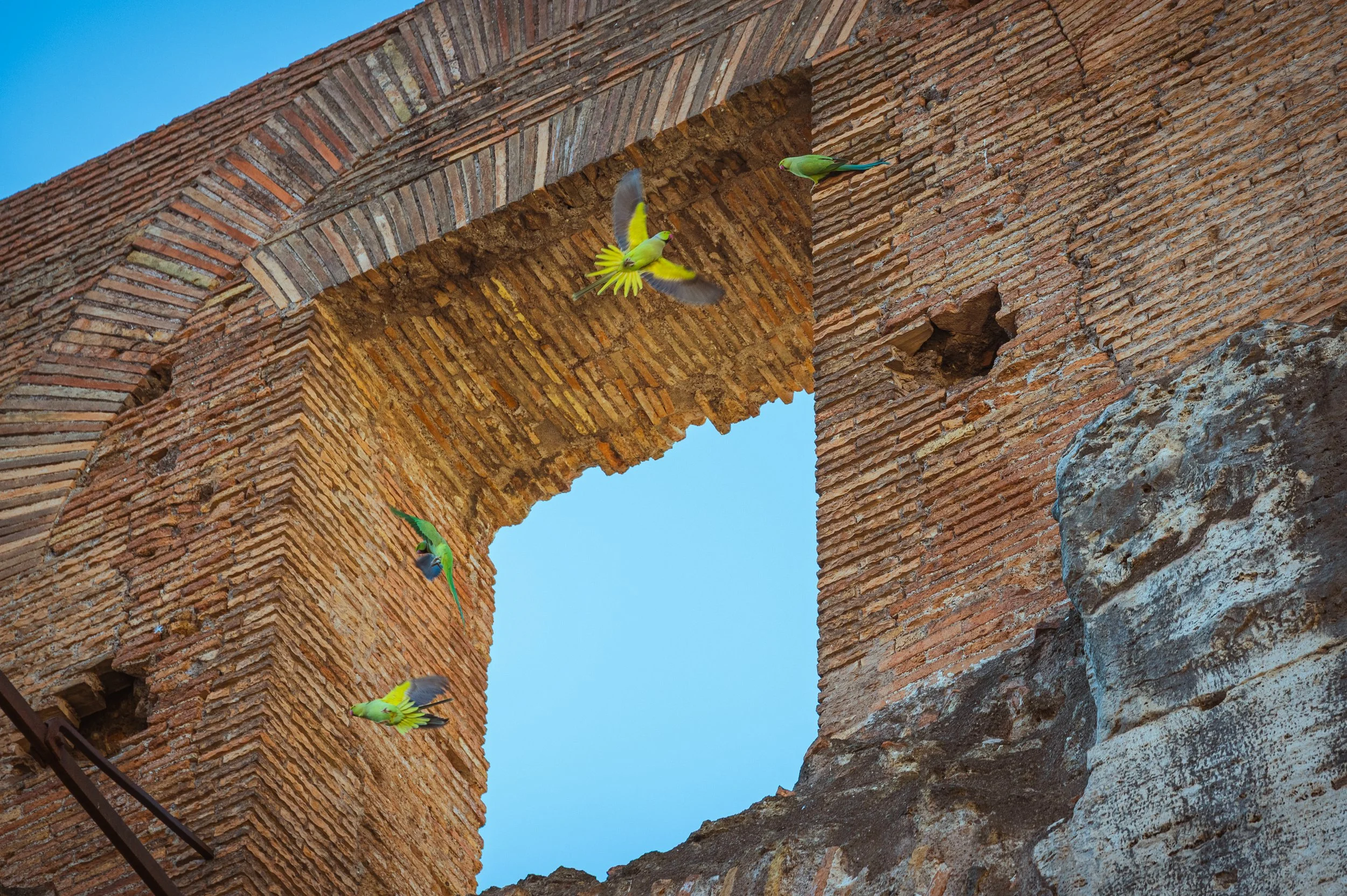
Indeed, one must harness the imagination quite intensely to travel back to bygone days and 'see' the Rome of the emperors. However, these walls are a wonderful aid in that endeavor. A fantastic touch, unrelated to ancient history or architecture, is the presence of the green parrots so common throughout Rome.
Rose-ringed Parakeet (Psittacula krameri).
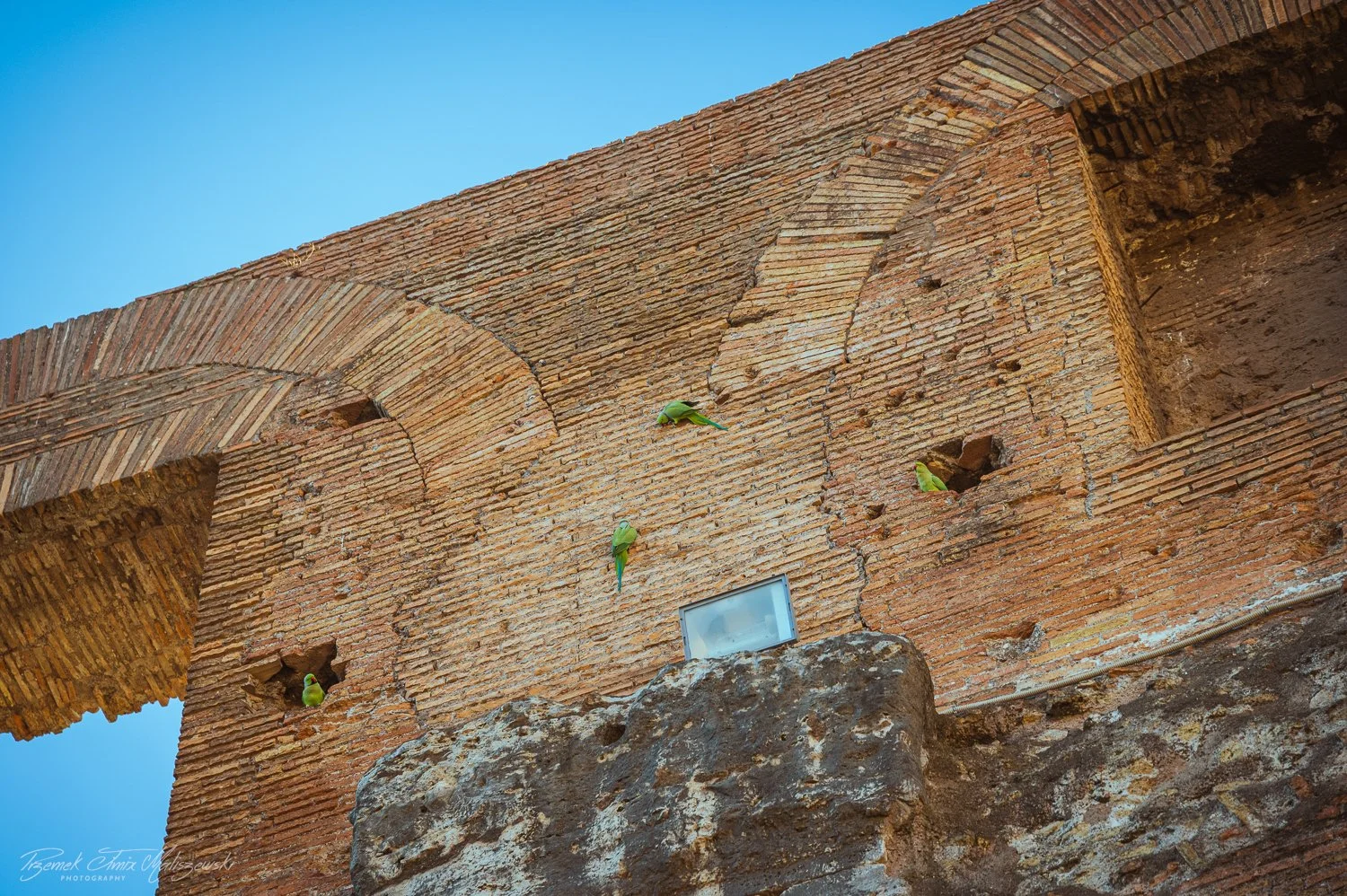
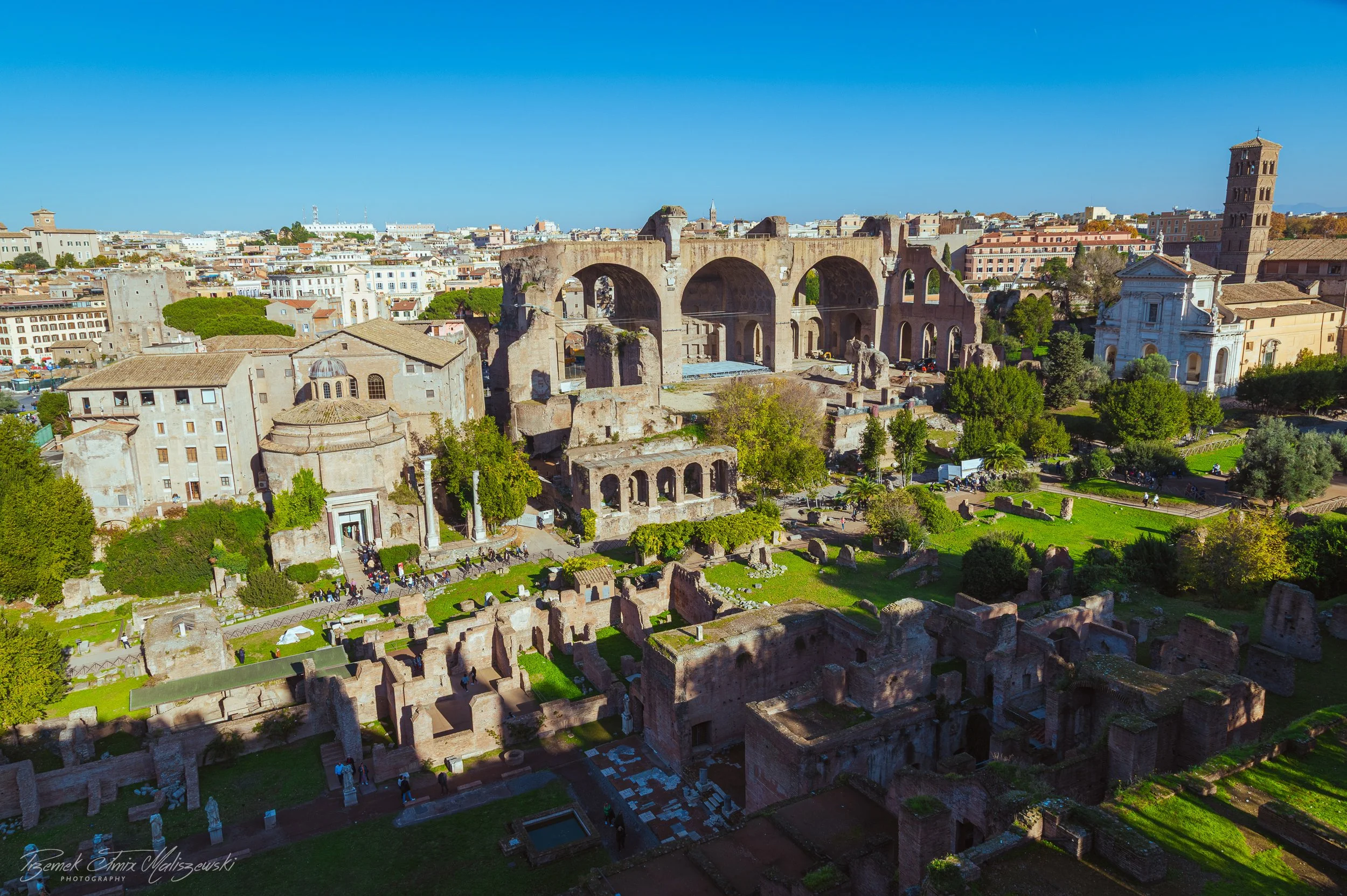
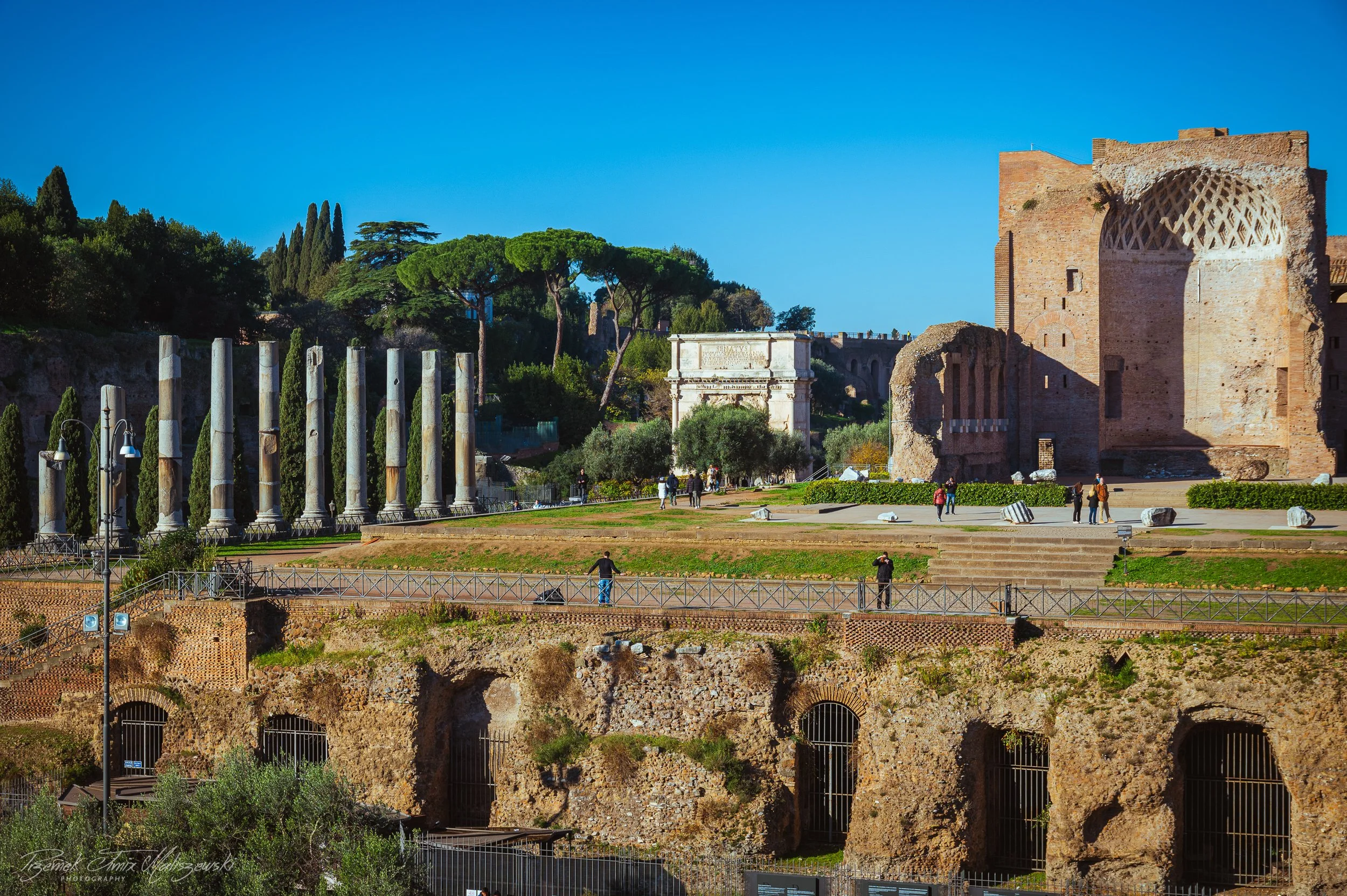
View from the ruins of the Temple of Venus Felix and Roma Aeterna – the largest temple of Ancient Rome, situated in the Foro Romano.
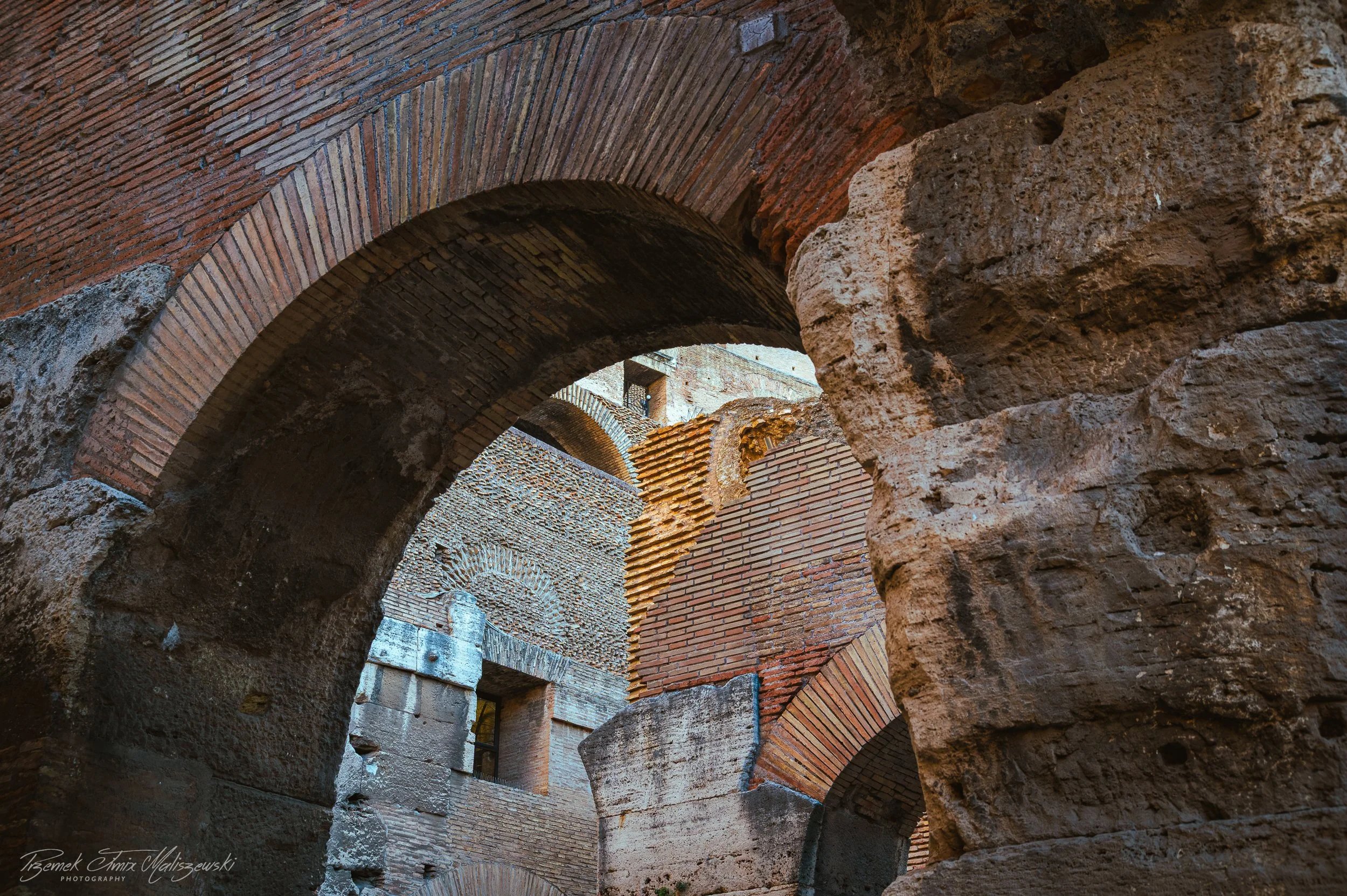
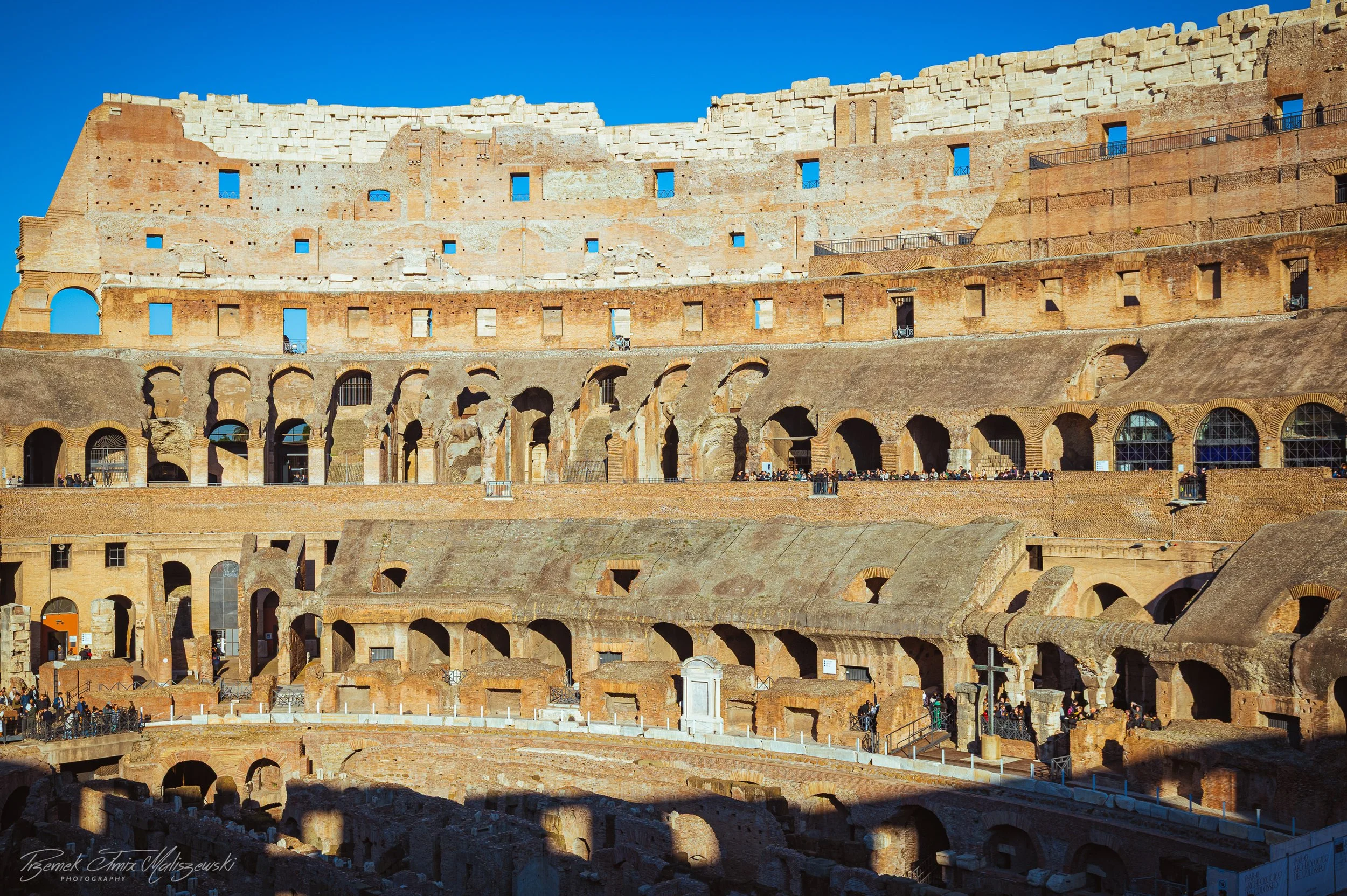
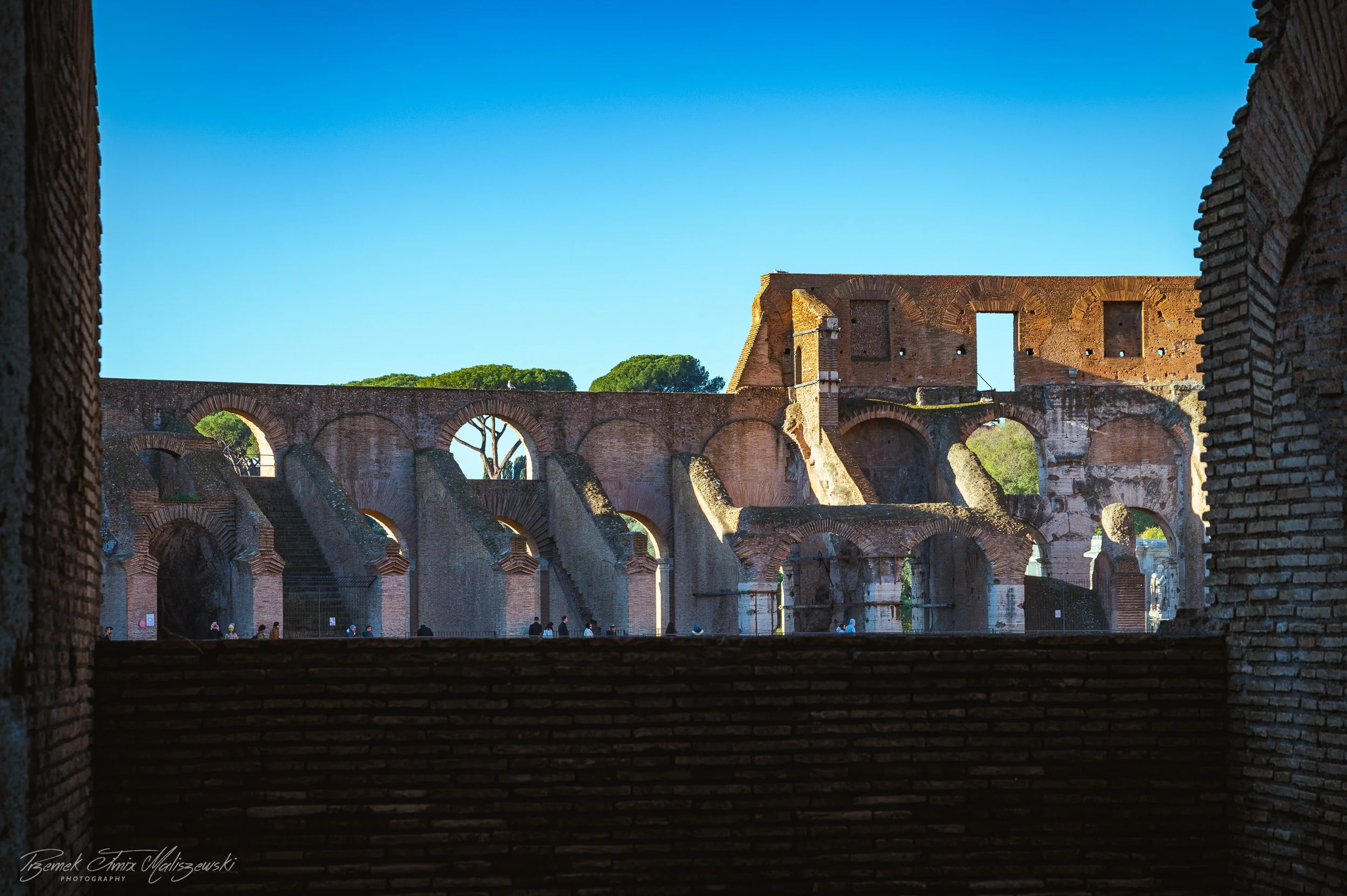

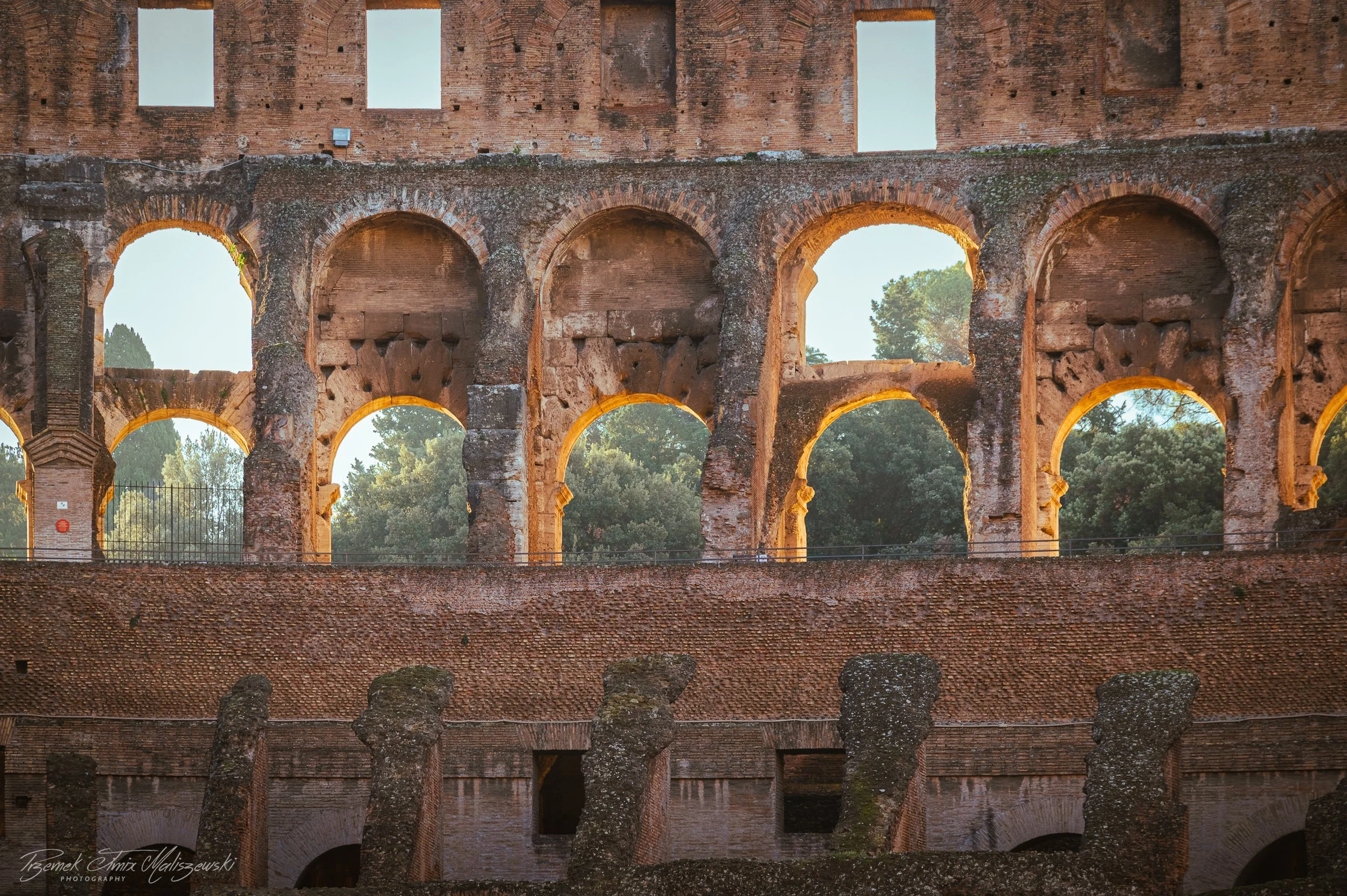
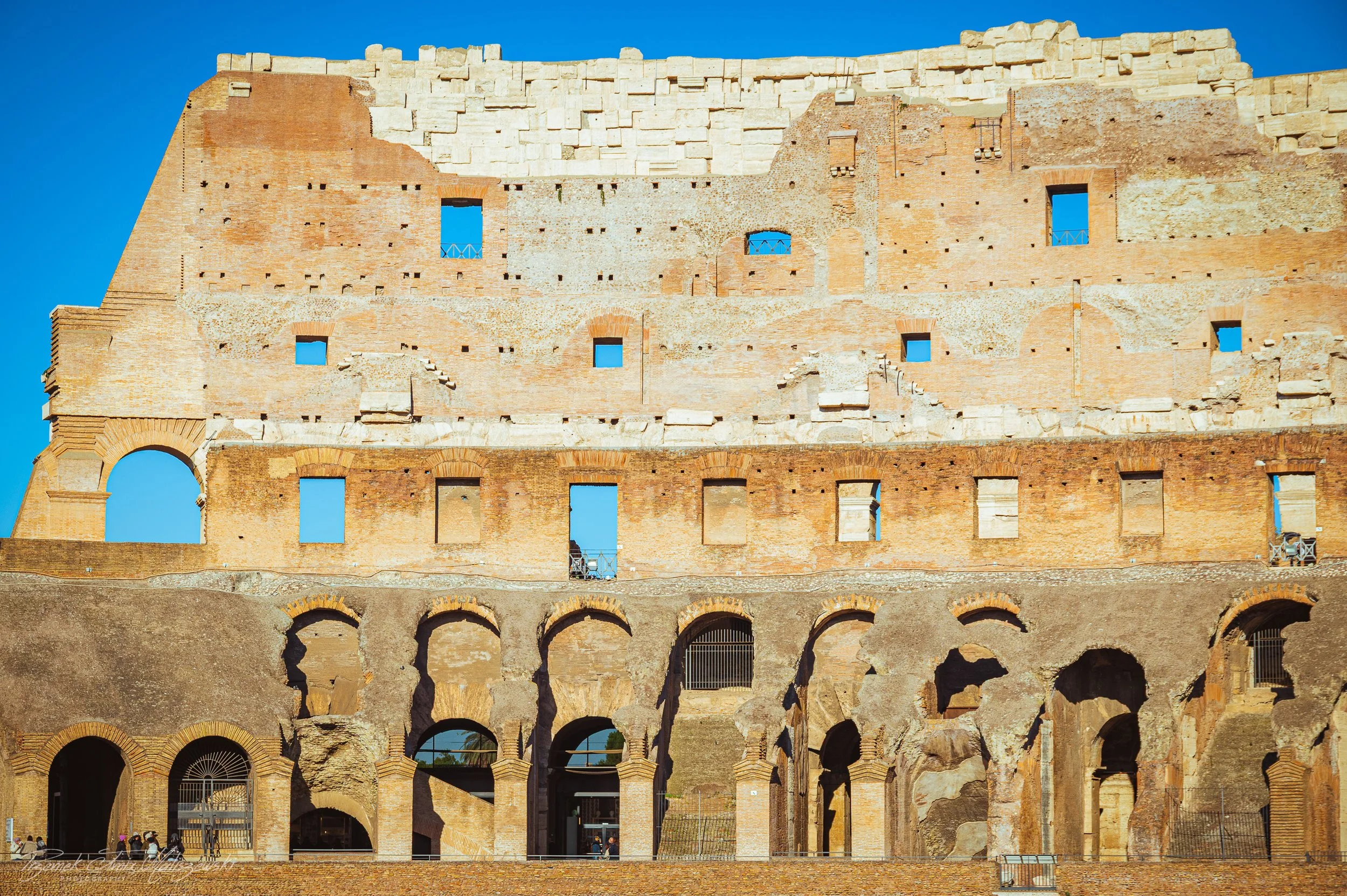
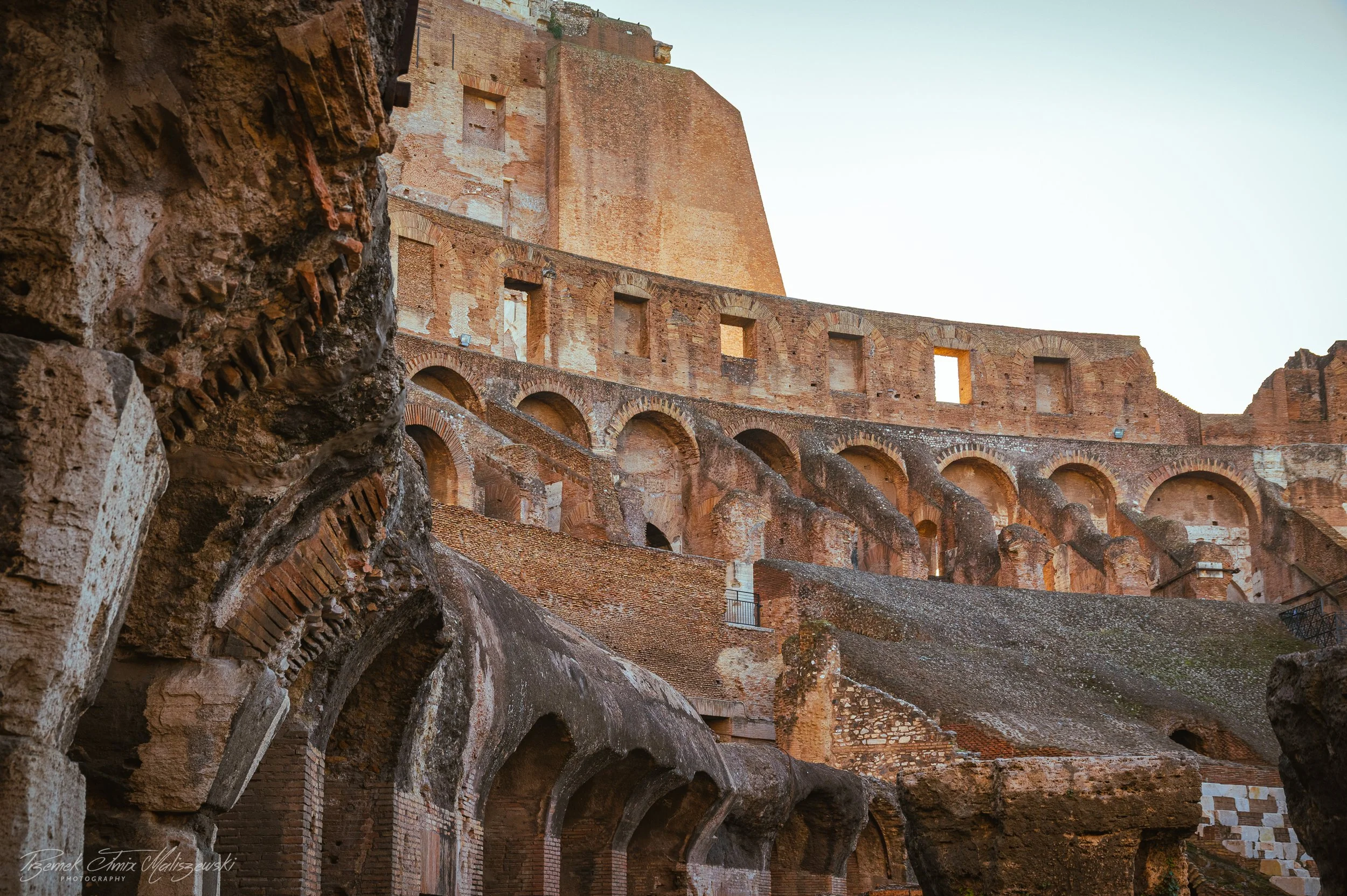
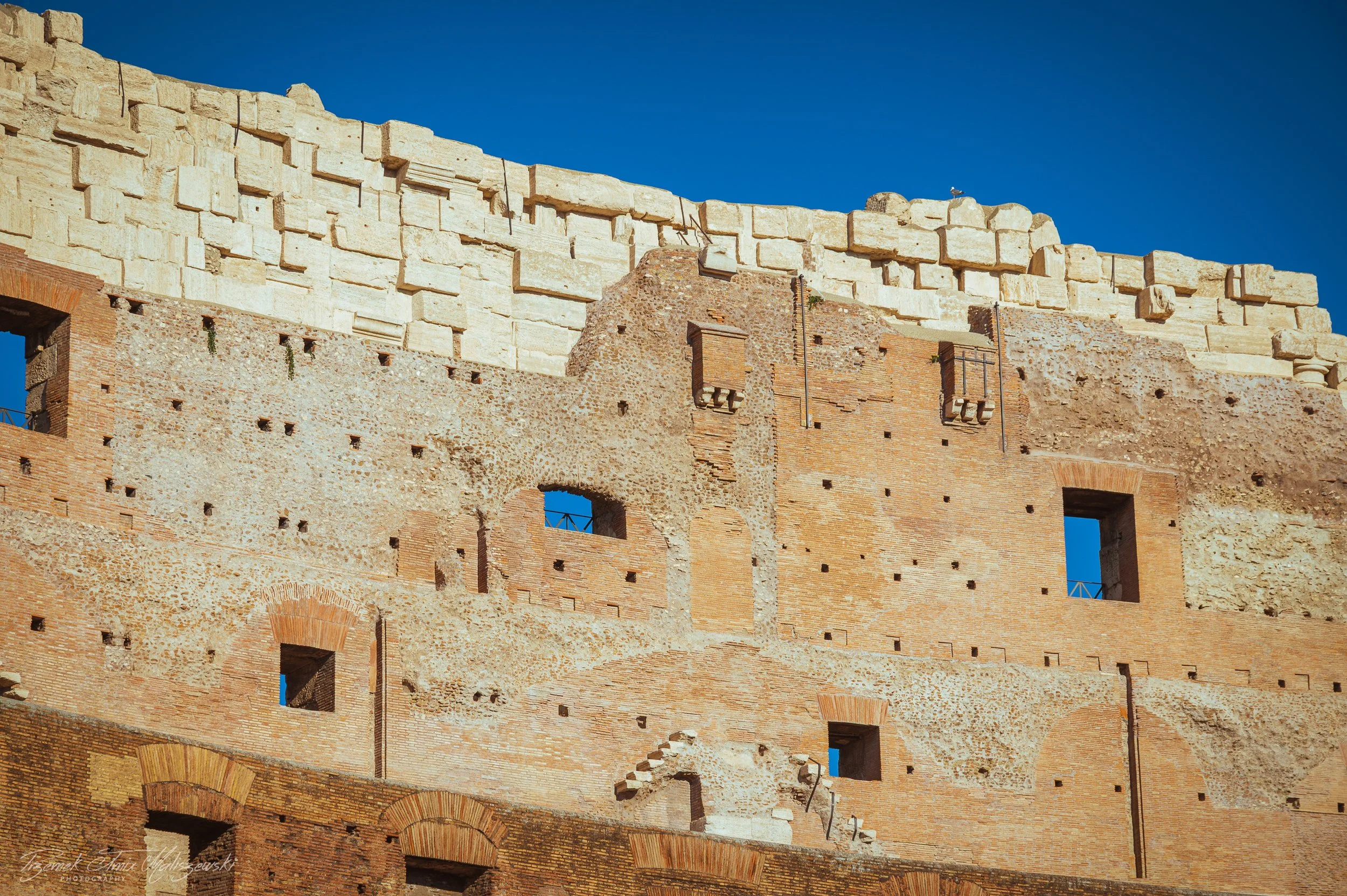
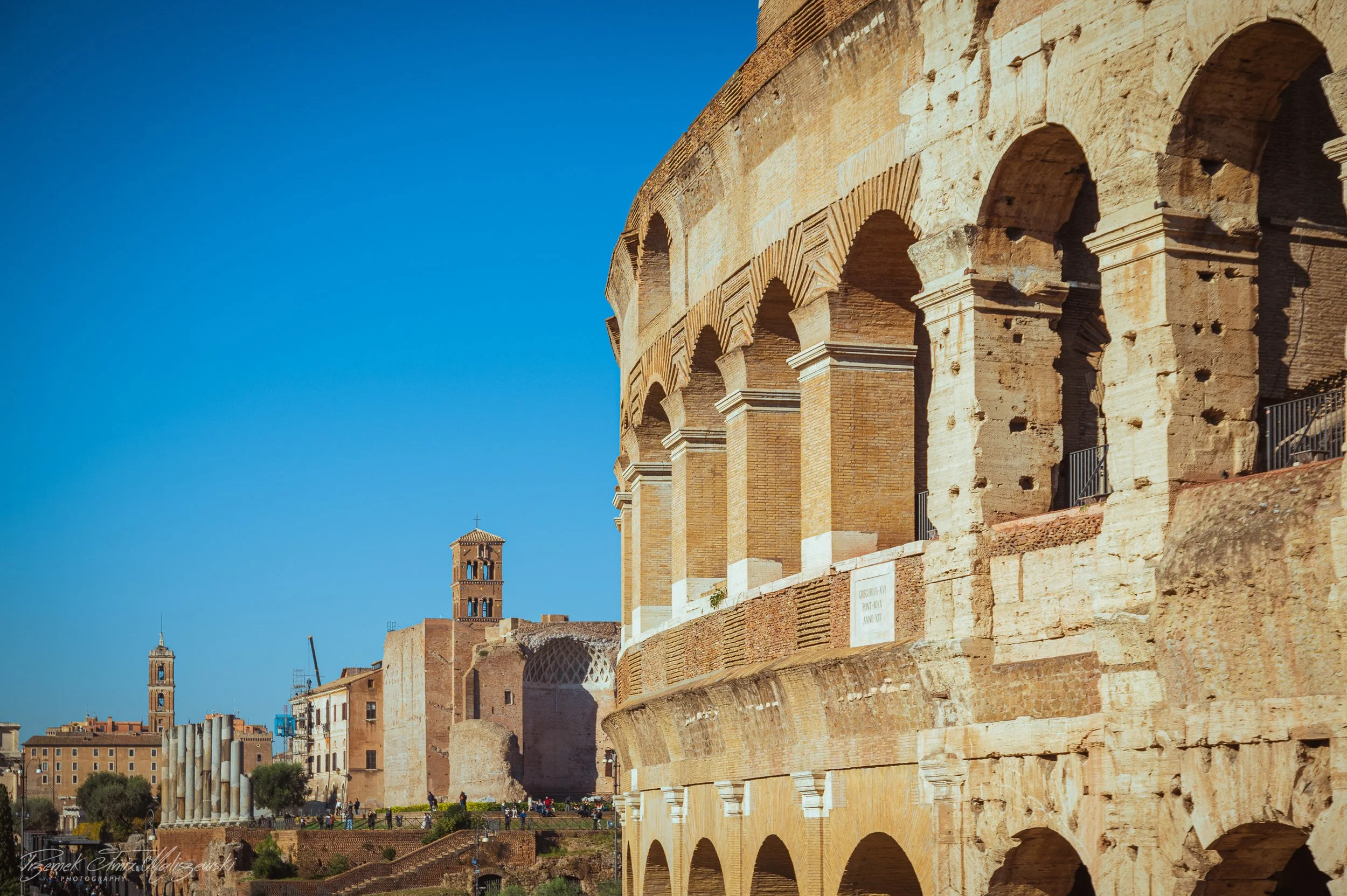
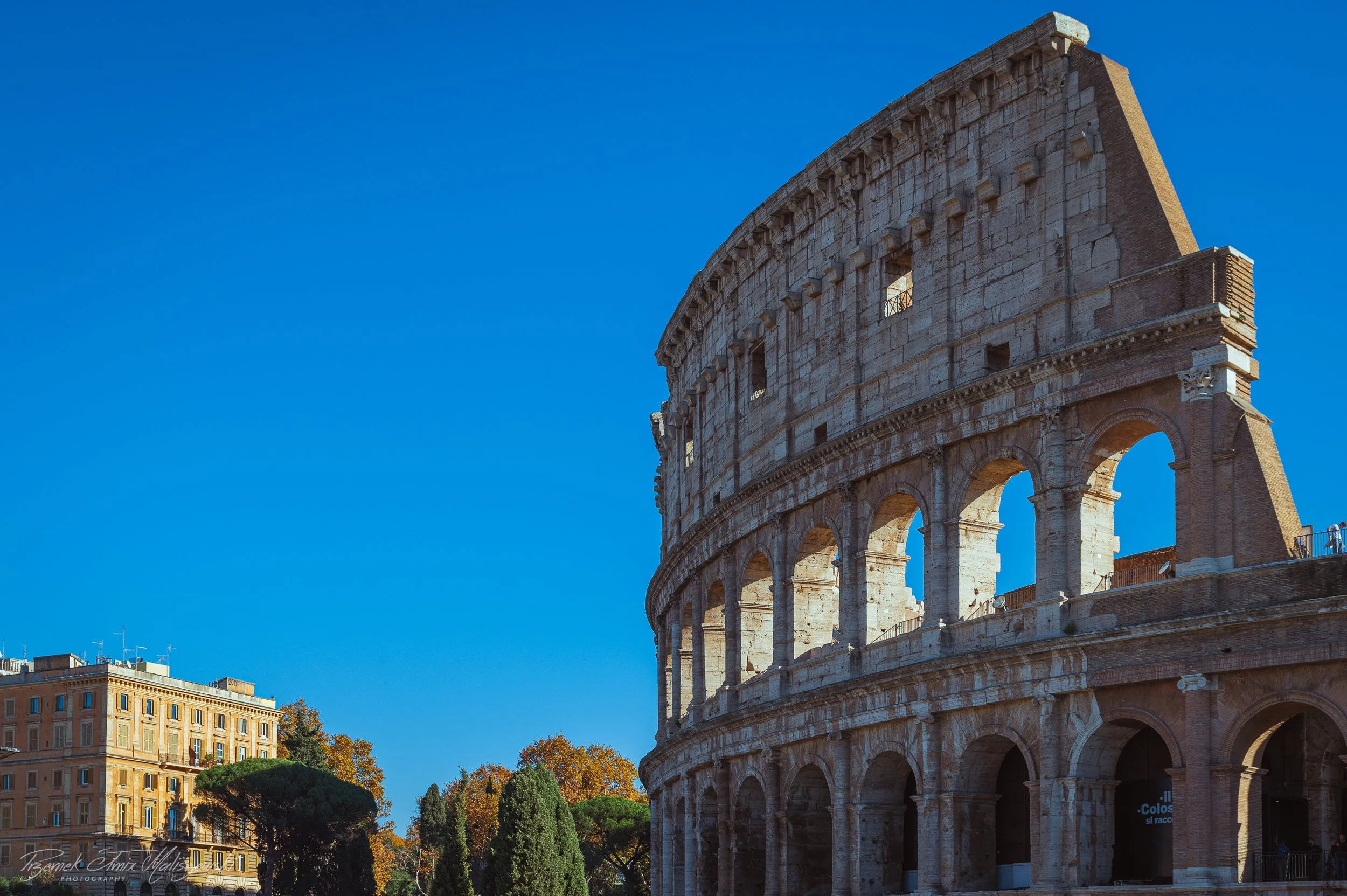
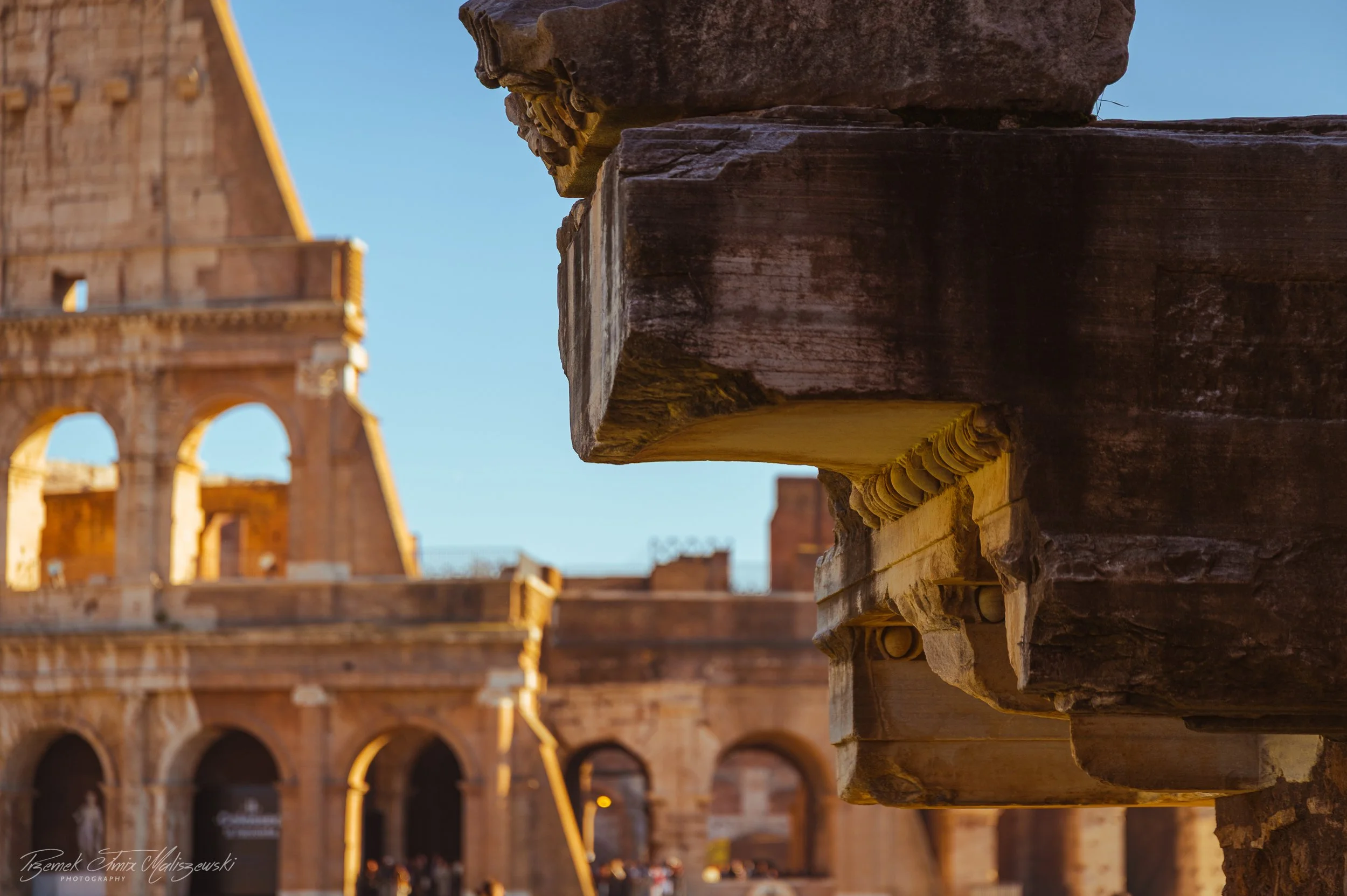
Walking through the streets of Rome, I have the impression that no matter where I look, I find something interesting. Squares, obelisks, Renaissance churches with lavish interiors, and exquisite fountains—including the most famous one at the junction of three roads (Italian tre vie, Latin trevium), the Trevi Fountain. Around every corner, something fascinating awaits. Every spontaneous turn into any side street leads to a new discovery.
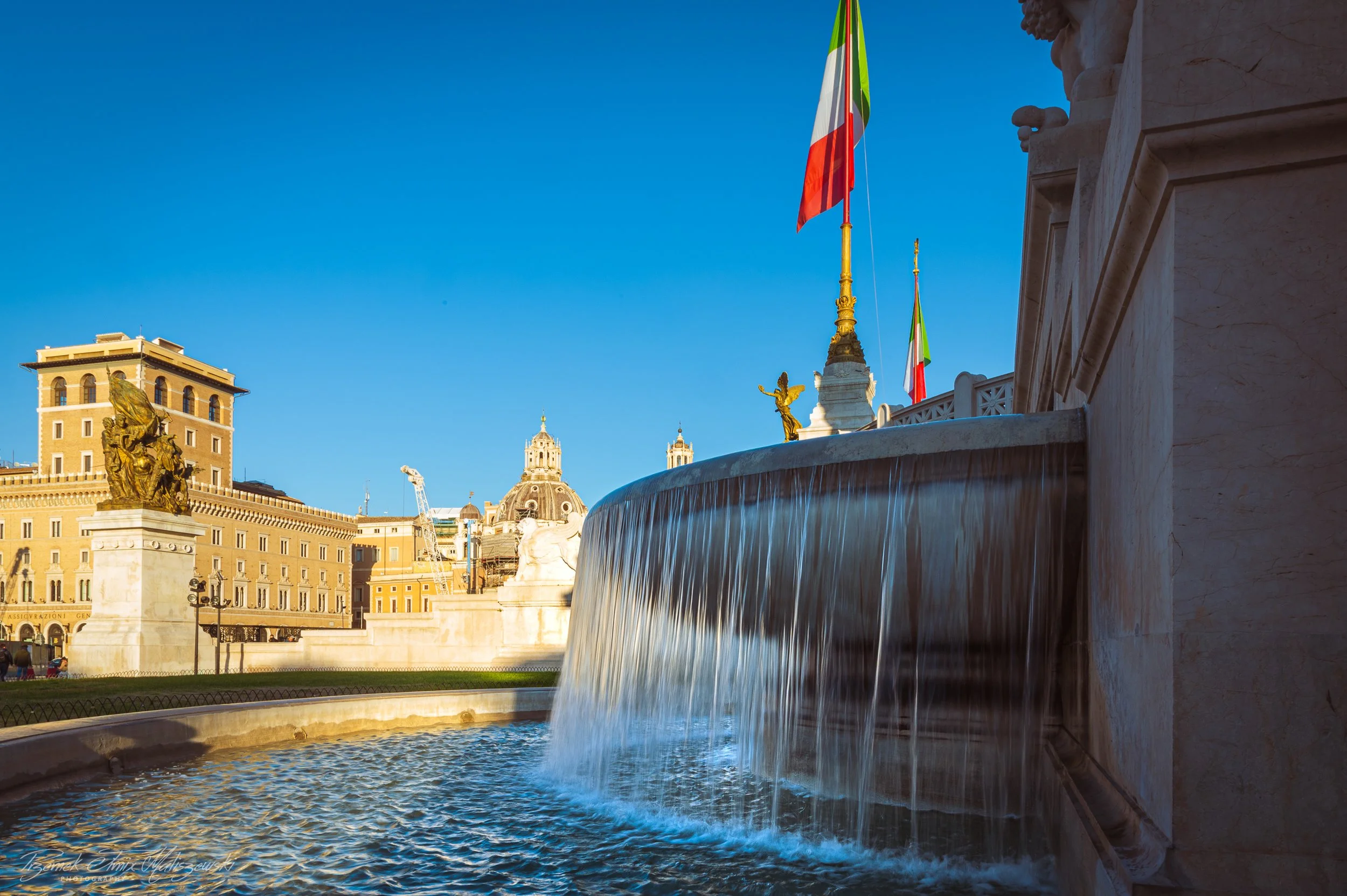
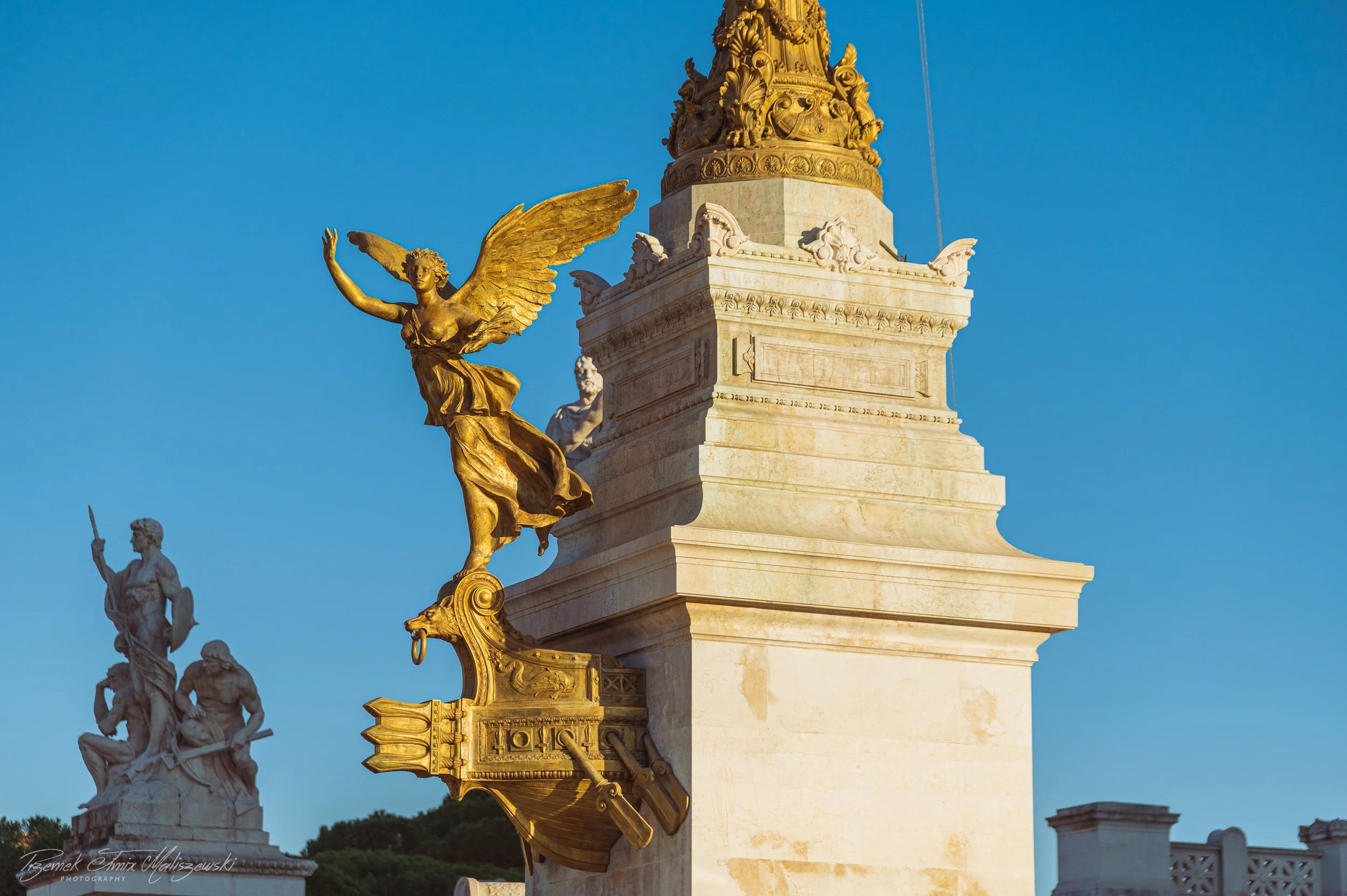
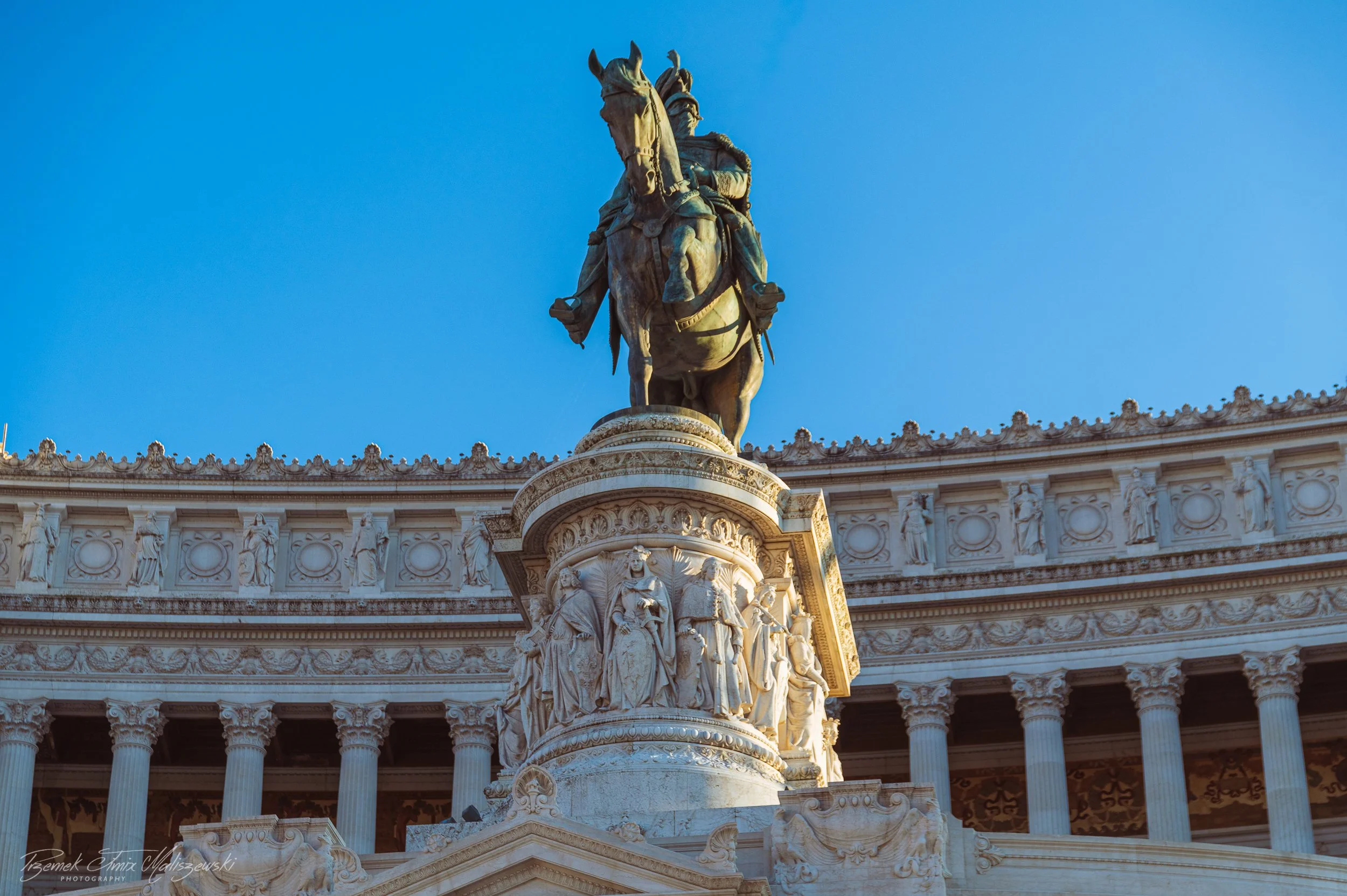
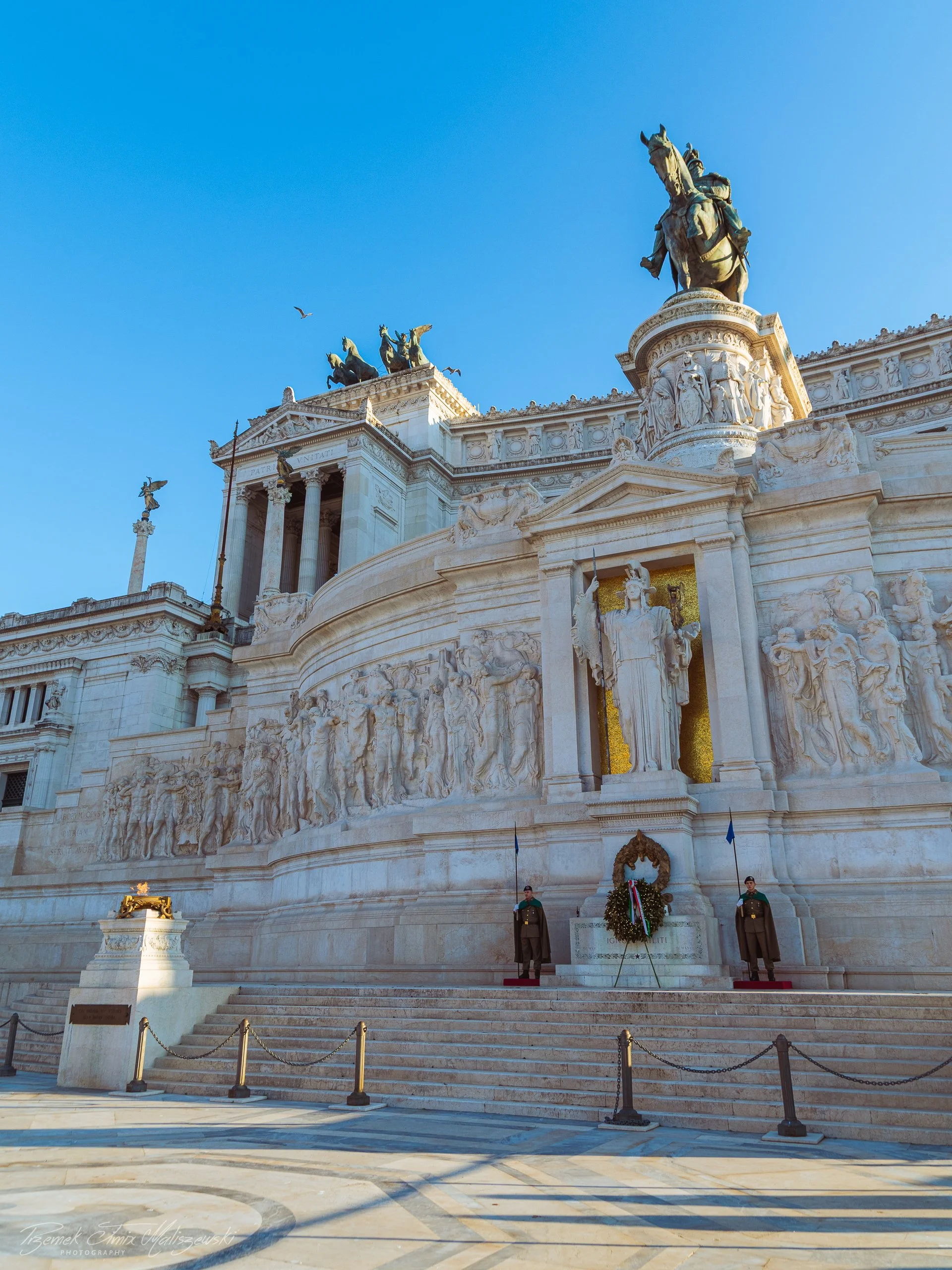
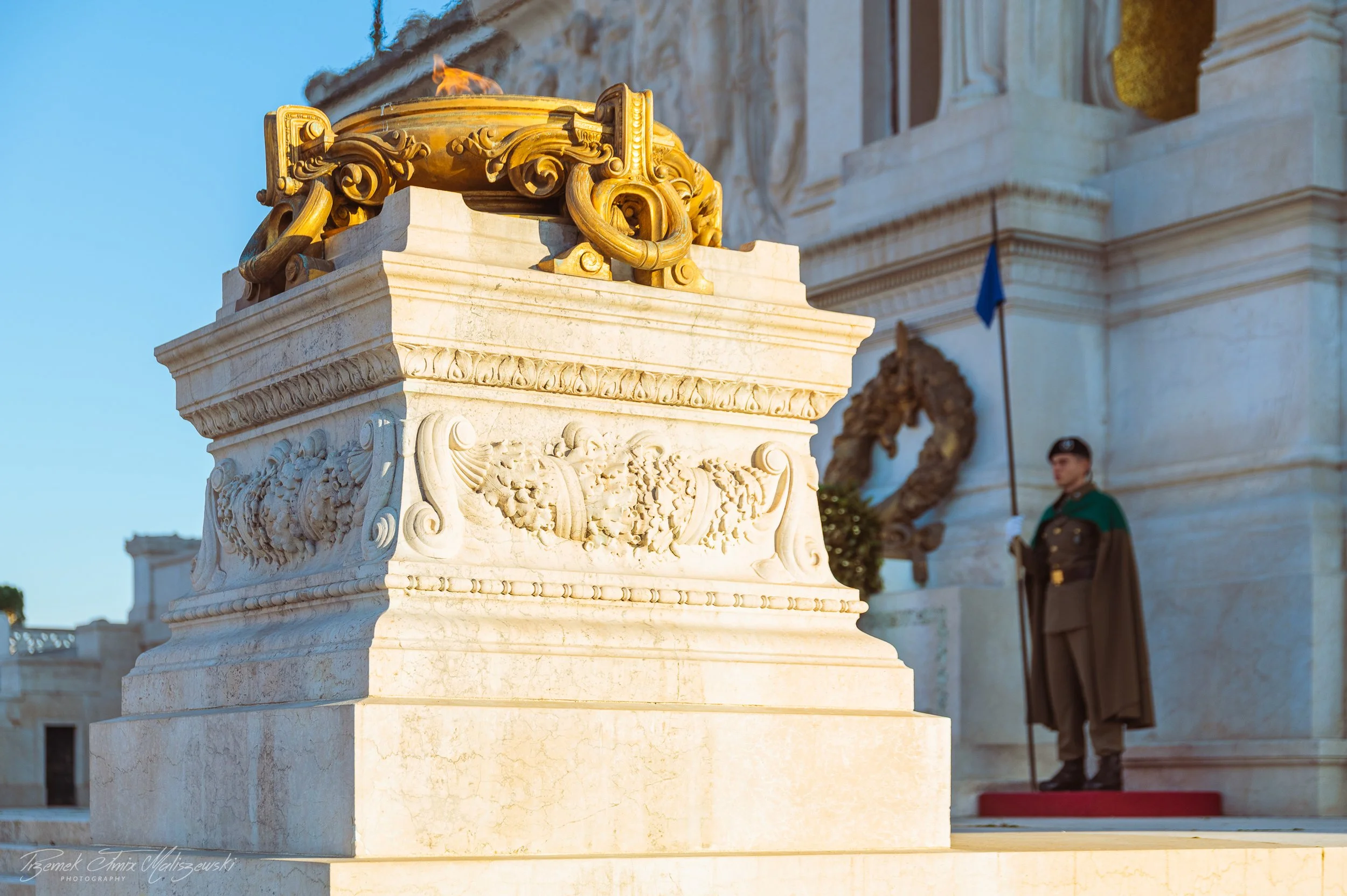
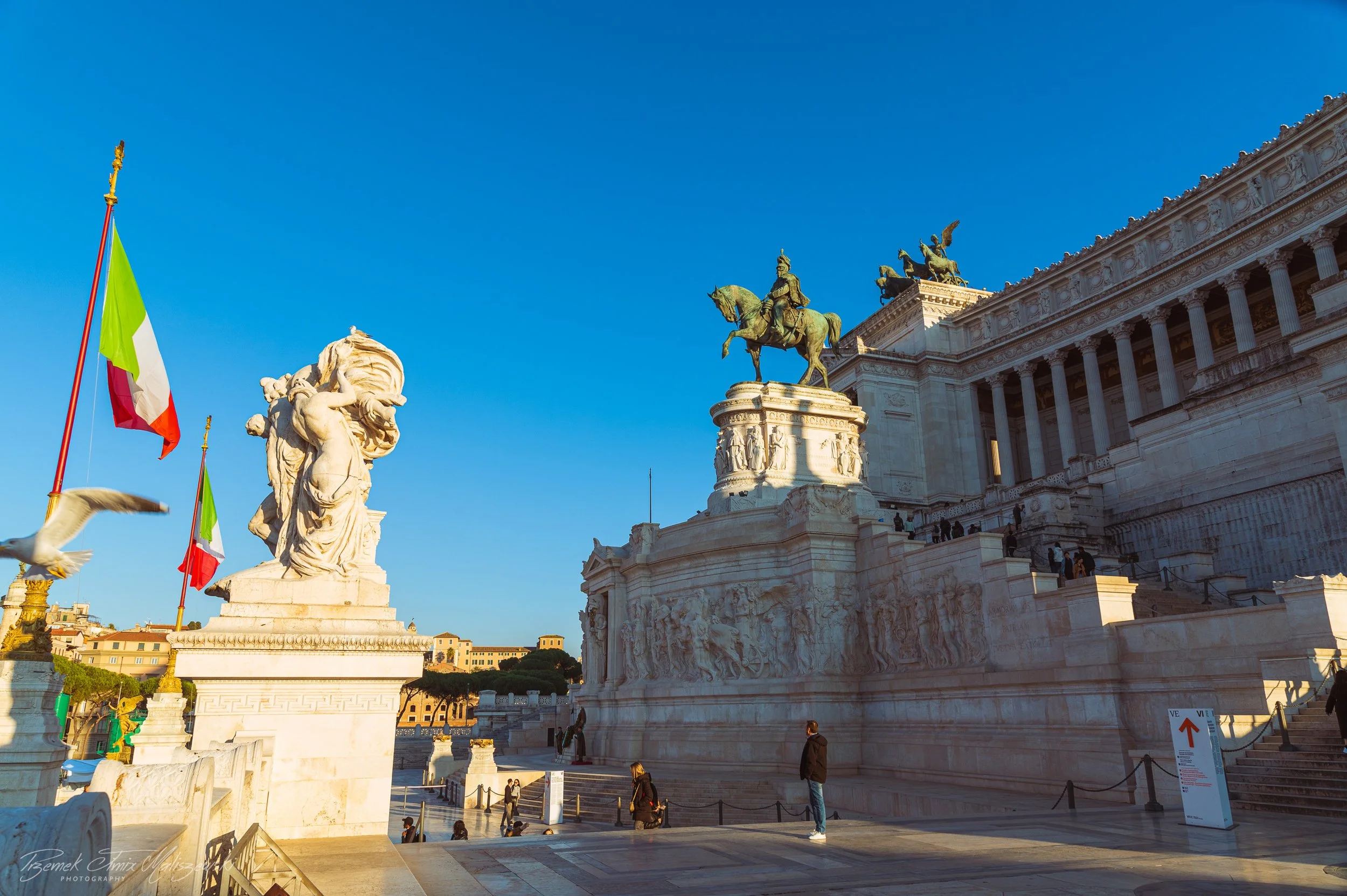
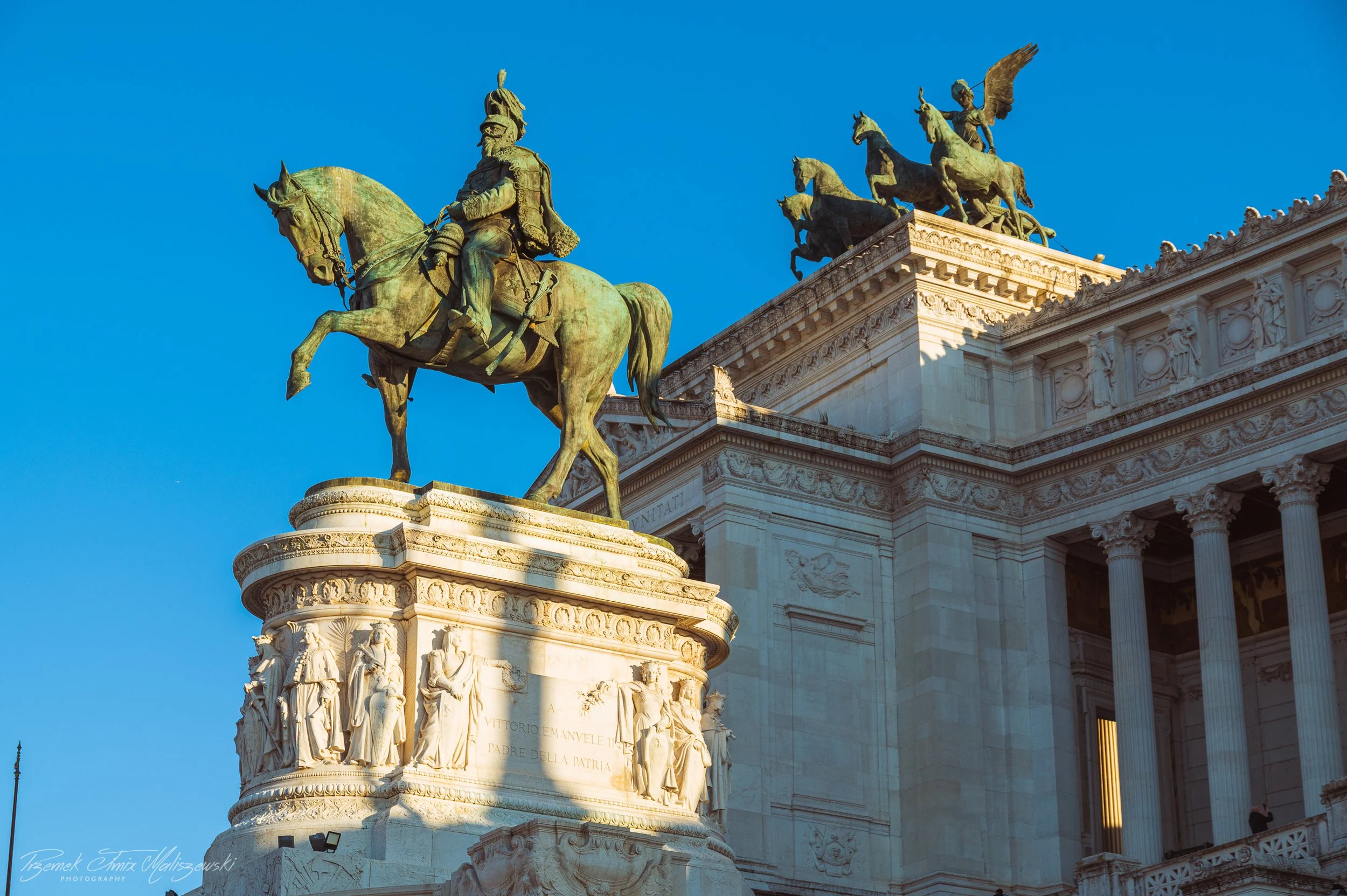
To get from the Colosseum to Piazza Venezia—home to the towering Altare della Patria (Altar of the Fatherland), a massive monument that is essentially a literal altar adorned with magnificent sculptures surrounding the pedestal of King Victor Emmanuel II on horseback, and housing the Tomb of the Unknown Soldier—one must walk along Via dei Fori Imperiali. From its roof, where two quadrigas seem to soar into the sky, unfolds what is perhaps one of the most beautiful views of the entire Caput Mundi. Along the way, you pass the famous Roman Forum on your left, and the Forums of Nerva, Augustus, and Trajan on your right.
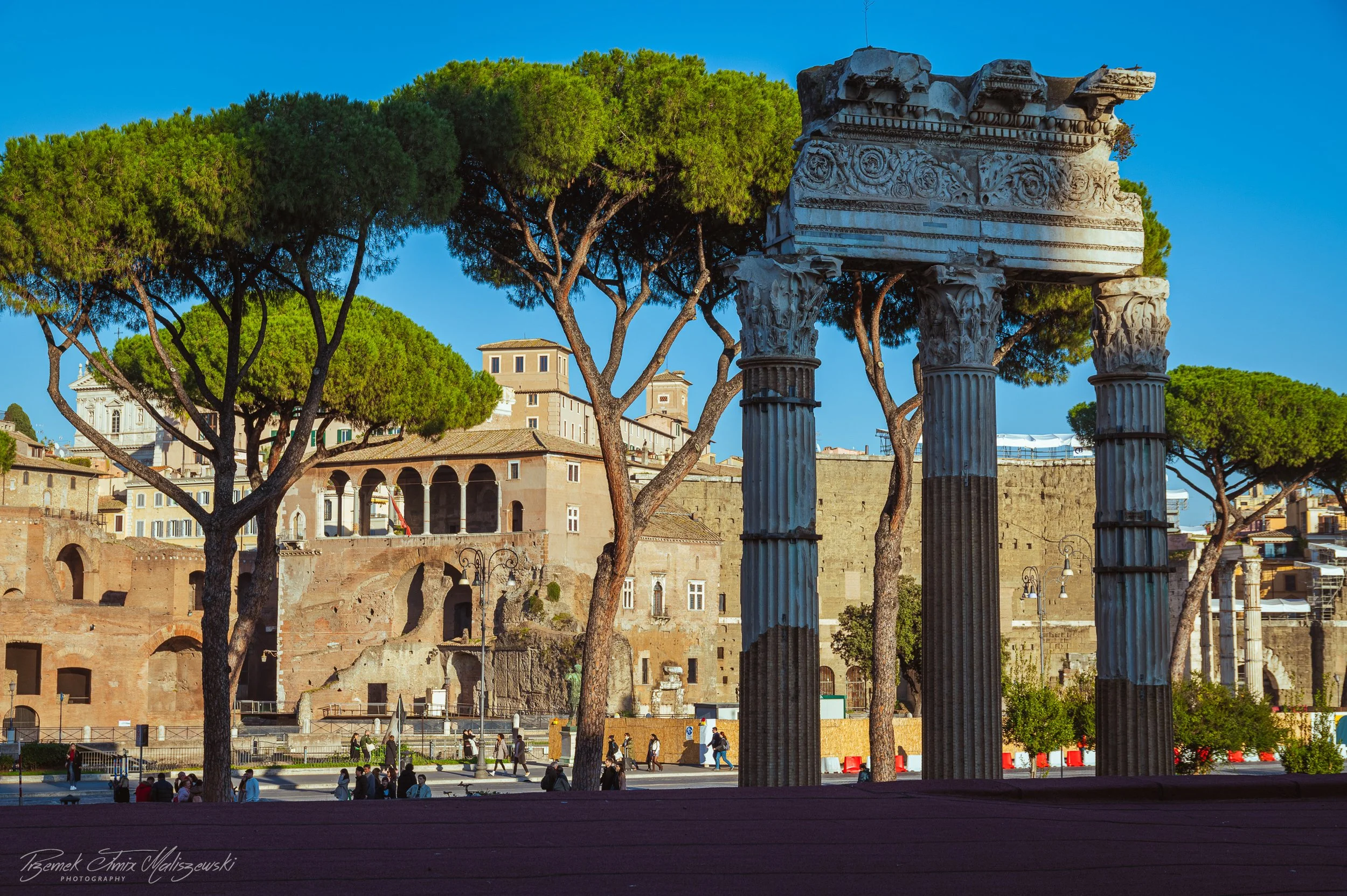
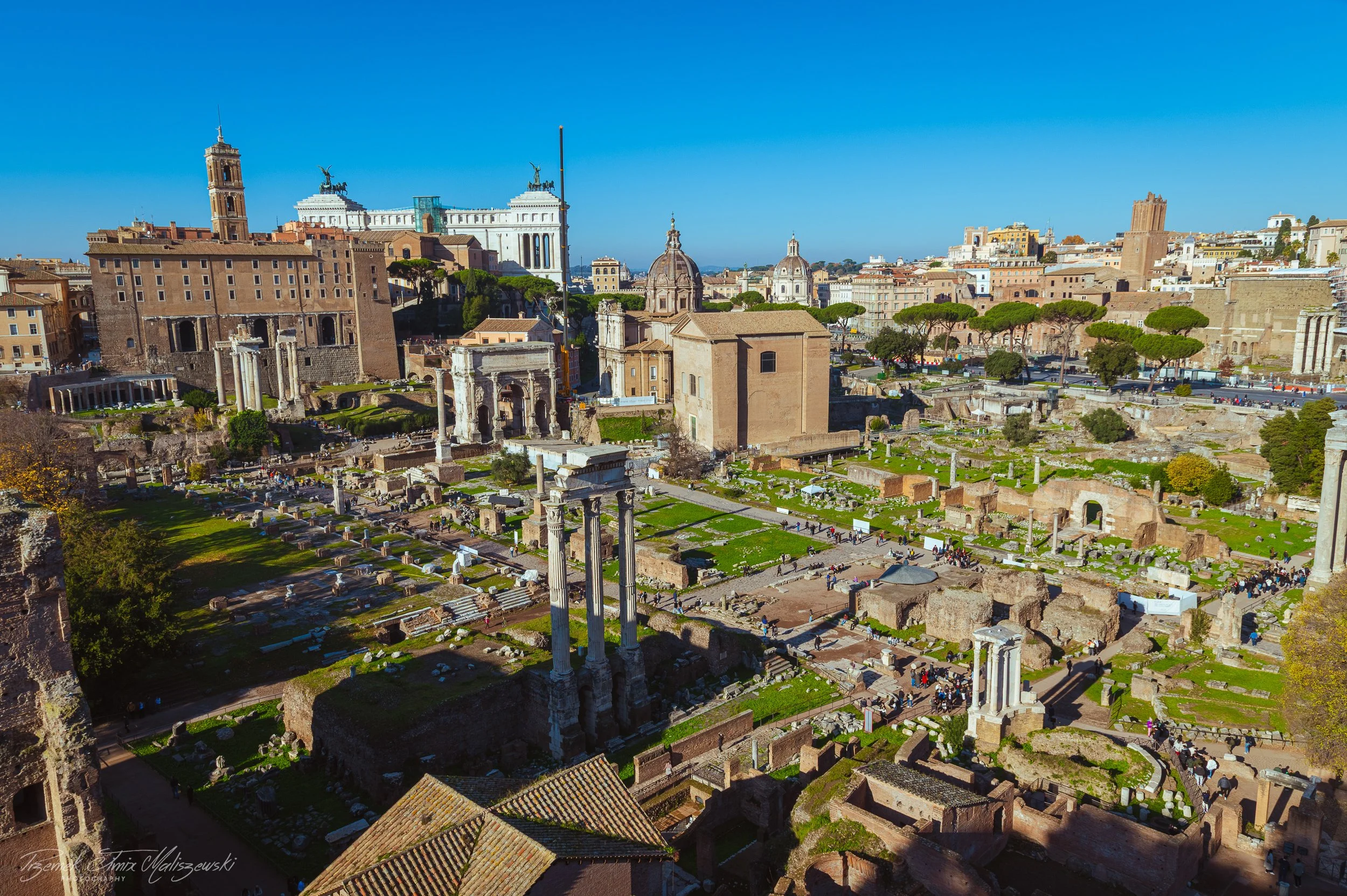
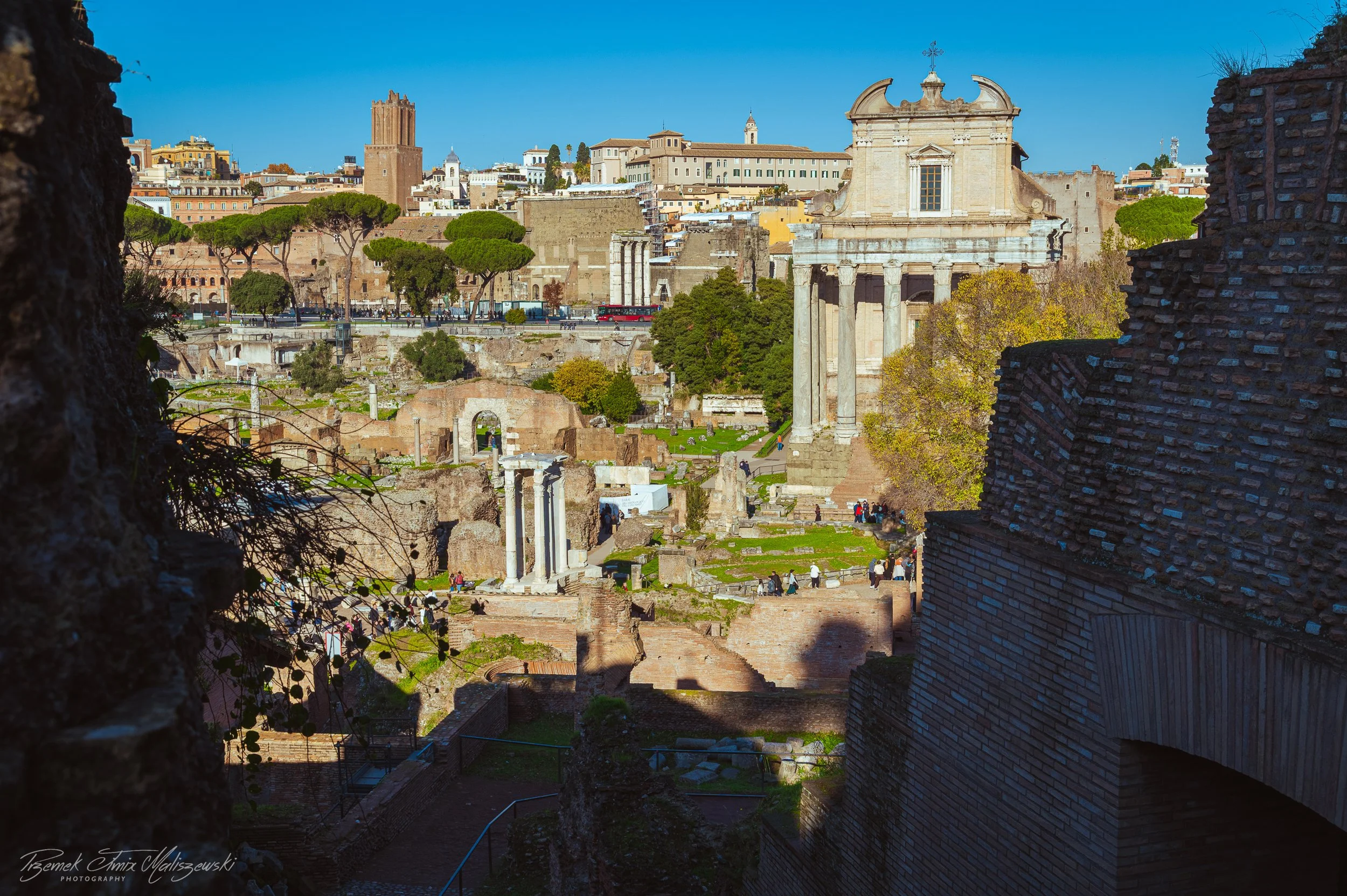
View from Foro Romano towards Foro di Augusto, Foro di Traiano, and Foro di Nerva.
Instead of the main road, we headed from the Colosseum toward Piazza Venezia via the Via Sacra—the ancient ceremonial route leading straight into the heart of the Roman Forum. Right at the start, I experienced a peculiar sense of déjà vu: there, rising before me, was something I already knew perfectly well: the Arch of Titus (Arco di Tito).
This is the very arch I drew during my first year of architecture studies at the Bialystok University of Technology. I remember that drawing vividly; in fact, I still have it to this day. Even now, I can recite the inscription carved at its top (SENATUS POPULUSQUE ROMANUS DIVO TITO DIVI VESPASIANI-F VESPASIANO AUGUSTO) from memory. It is etched into my mind as deeply as it is into the original stone. And here it is, standing before me in all its glory.
I feel truly moved, perhaps even touched, by the way the late 1990s have suddenly called out to me. The process of drawing that arch in ink was so immersive and left such a lasting impression that I feel a hard-to-define personal connection with this monument. Built between 81 and 96 AD (according to various accounts), it has stood in this exact spot for nearly two thousand years.
Nineteen hundred years later, a student is tasked with sketching it for a drawing credit. That student—me—had never laid eyes on the structure. More than a quarter-century would pass before that would happen. There is something truly incredible about seeing for the first time something that has existed for millennia, having drawn it 26 years prior and, for some reason, having committed it to memory for a lifetime, only to finally see it in person. It feels like meeting an old friend after many years—and, at the same time, meeting my past self.
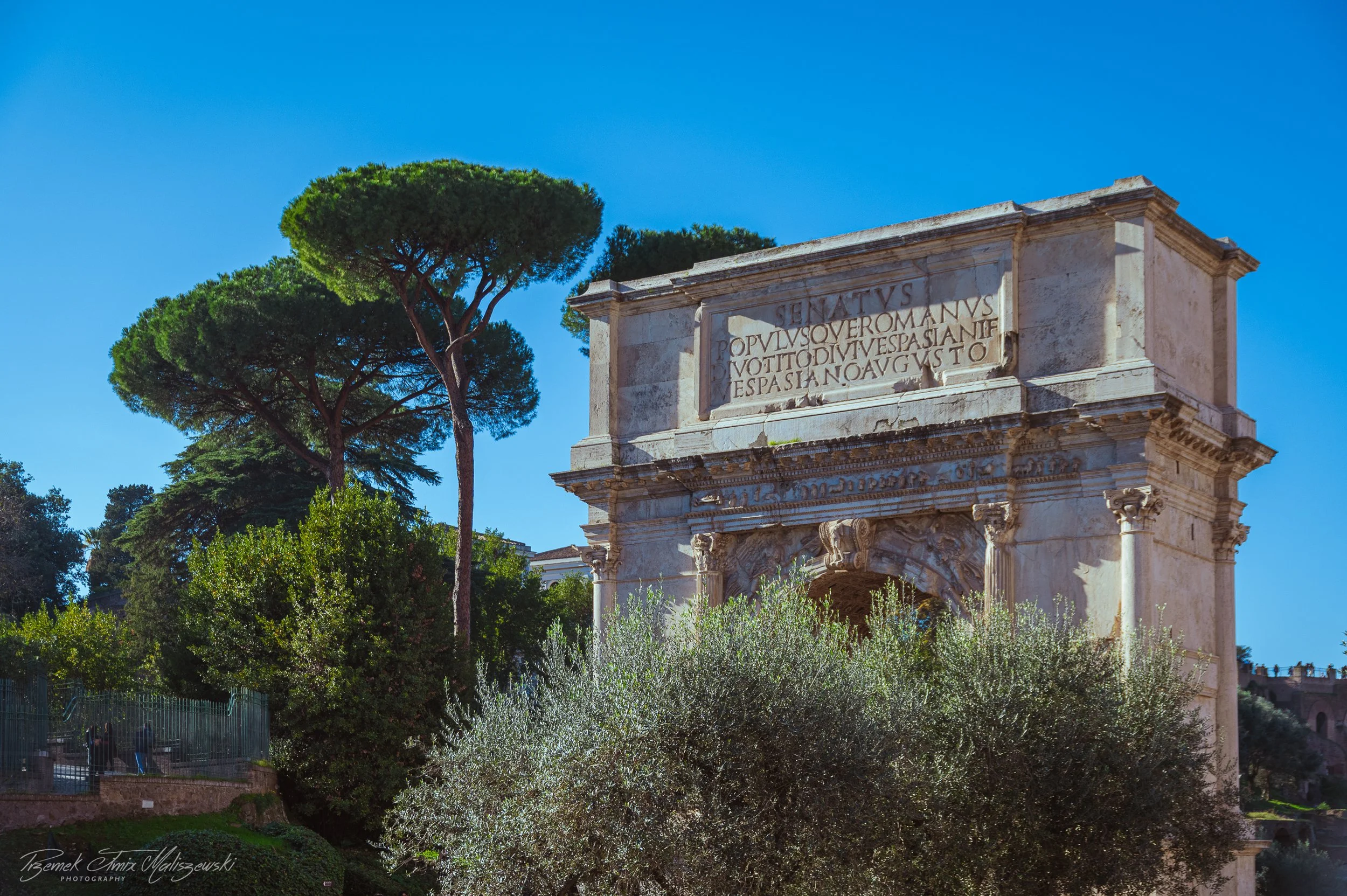
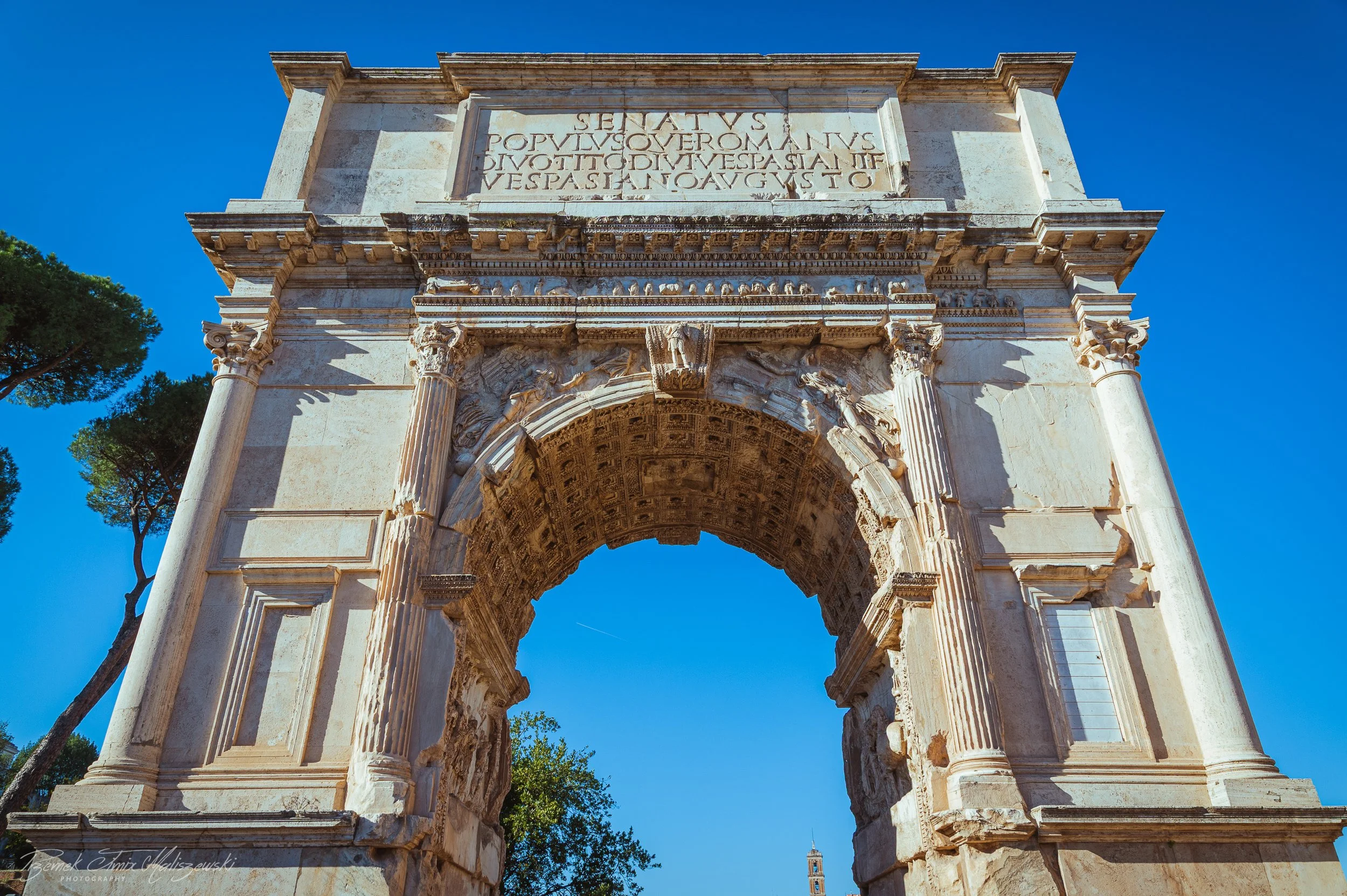
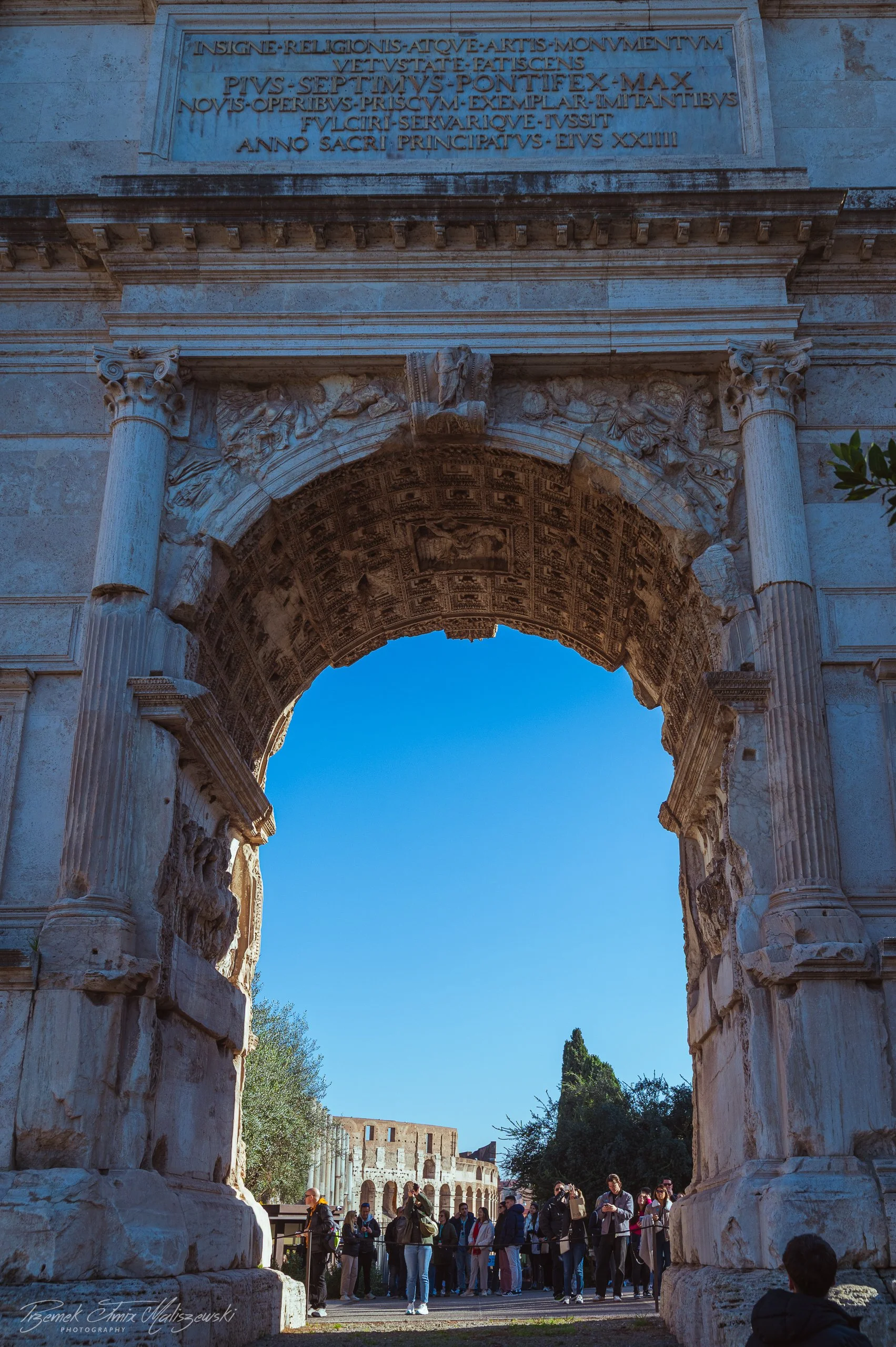
The Foro Romano (or Latin Forum Romanum) is essentially one vast archaeological site. Beyond a fate similar to that of the Colosseum—characterized by common looting interspersed with the destructive impact of natural disasters—the Catholic Church contributed significantly to its near-total destruction. Those who enjoy visiting religious buildings may discover, especially when visiting churches situated around the Foro Romano, that their interiors are composed of structural and decorative elements taken from the pagan temples and buildings of the Forum.
The ruining of the Forum as a deliberate act—treating it like a warehouse for ready-made prefabricated materials—was not only permitted during a certain period of Rome's history but was actively encouraged by the Papal States. This was a practice known as spolia. Beyond the physical provision of building materials, it served as an expression of the dominance of one faith over another.
A panorama of the Foro Romano from the Terrazza Belvedere del Palatino, which literally means 'the Palatine terrace with a beautiful view.' The word 'Belvedere' is, in fact, nothing more than 'beautiful view' (bel – beautiful, vedere – to see
The Foro Romano, of course, has a much more complex history—one worth reading about, even briefly, to better understand what you are looking at while there. For me, it is a historically priceless place that allows for a close examination of forms, but above all, the scale (!), proportions, and materials.
Everyone arguably knows that the ancients could build with immense grandeur, especially imperial palaces, circuses, and temples. However, when you physically confront even just the base of one of the dozens of columns from what remains of the Temple of Venus, trying to imagine the height of the column—and consequently the entire temple—is absolutely staggering. Add to that the fact that such monuments were built without the aid of a Liebherr LTM 11200 crane.
Today, you can find digital reconstructions of the Forum online, and it’s worth seeing them before your visit. Though, for me personally, the contrast between those reconstructions and the ruined reality is quite painful to experience. It is true that the Forum was severely damaged during an earthquake in the 8th century, but it was the human hand that dealt the final blow to art and architecture. As is so often the case, some of the worst human demons took over: hubris and thievery, pride and contempt, a lack of respect, cynicism, and arrogance.
The Arch of Septimius Severus with the Foro Romano in the background.
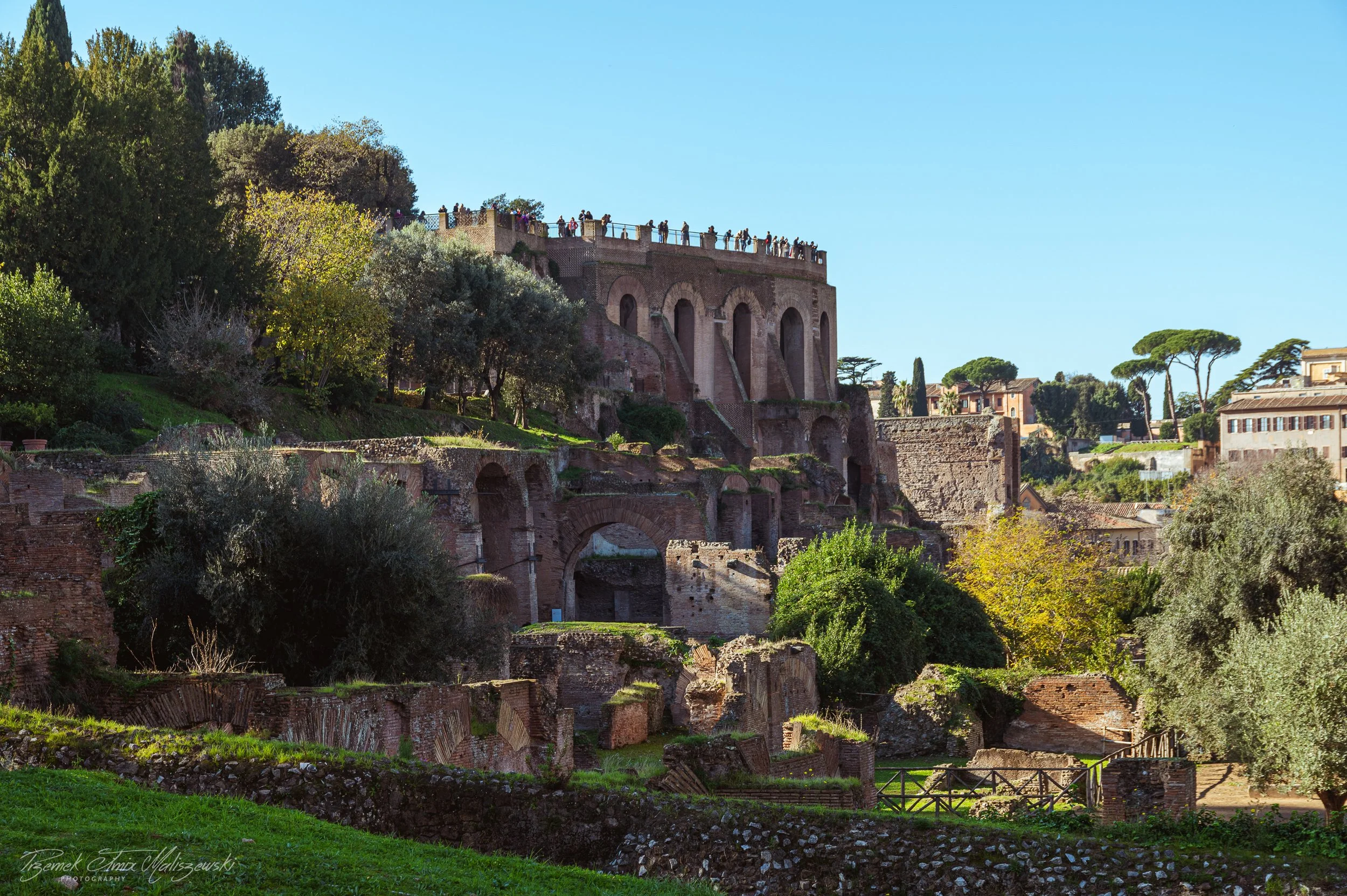
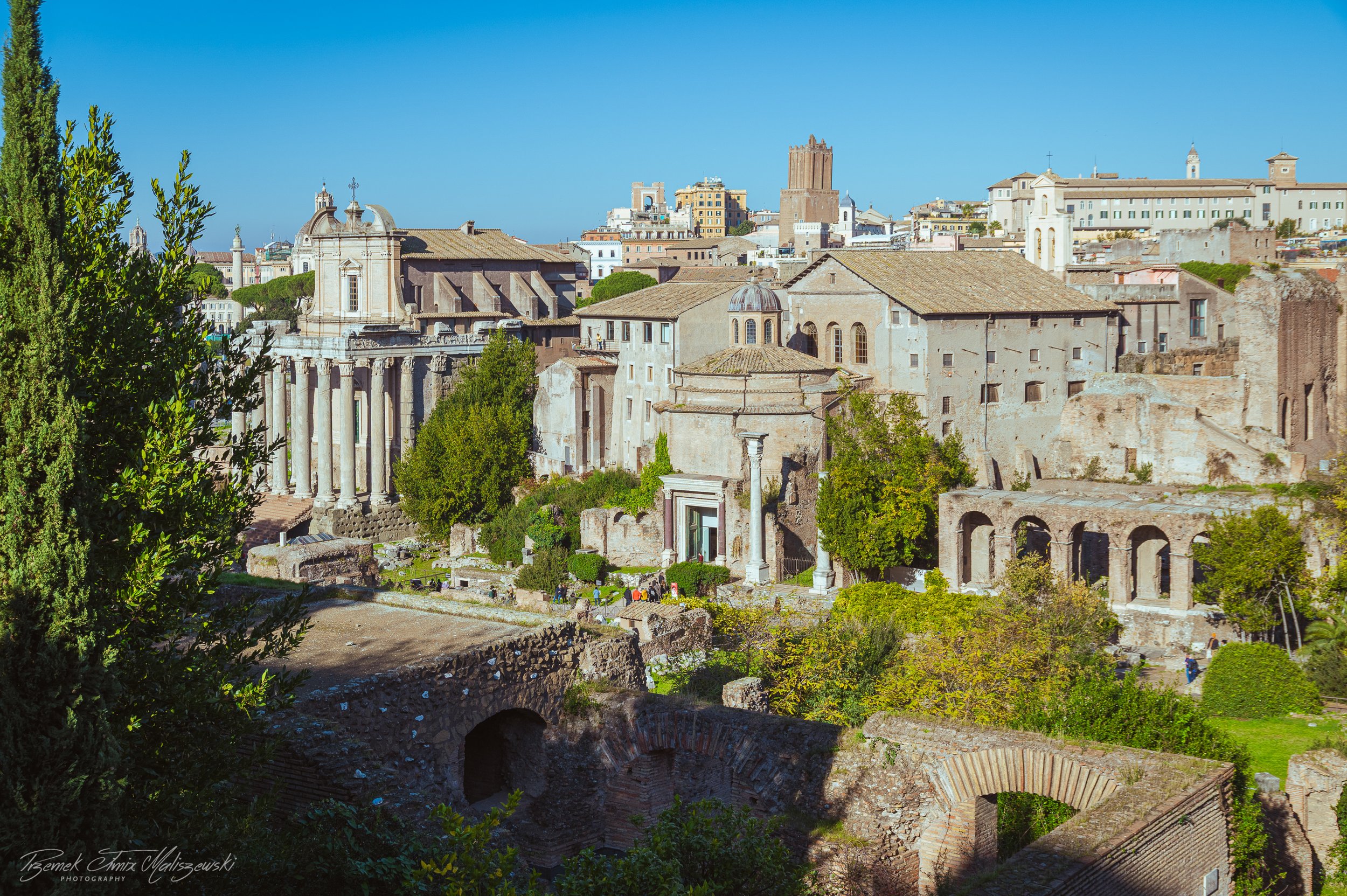
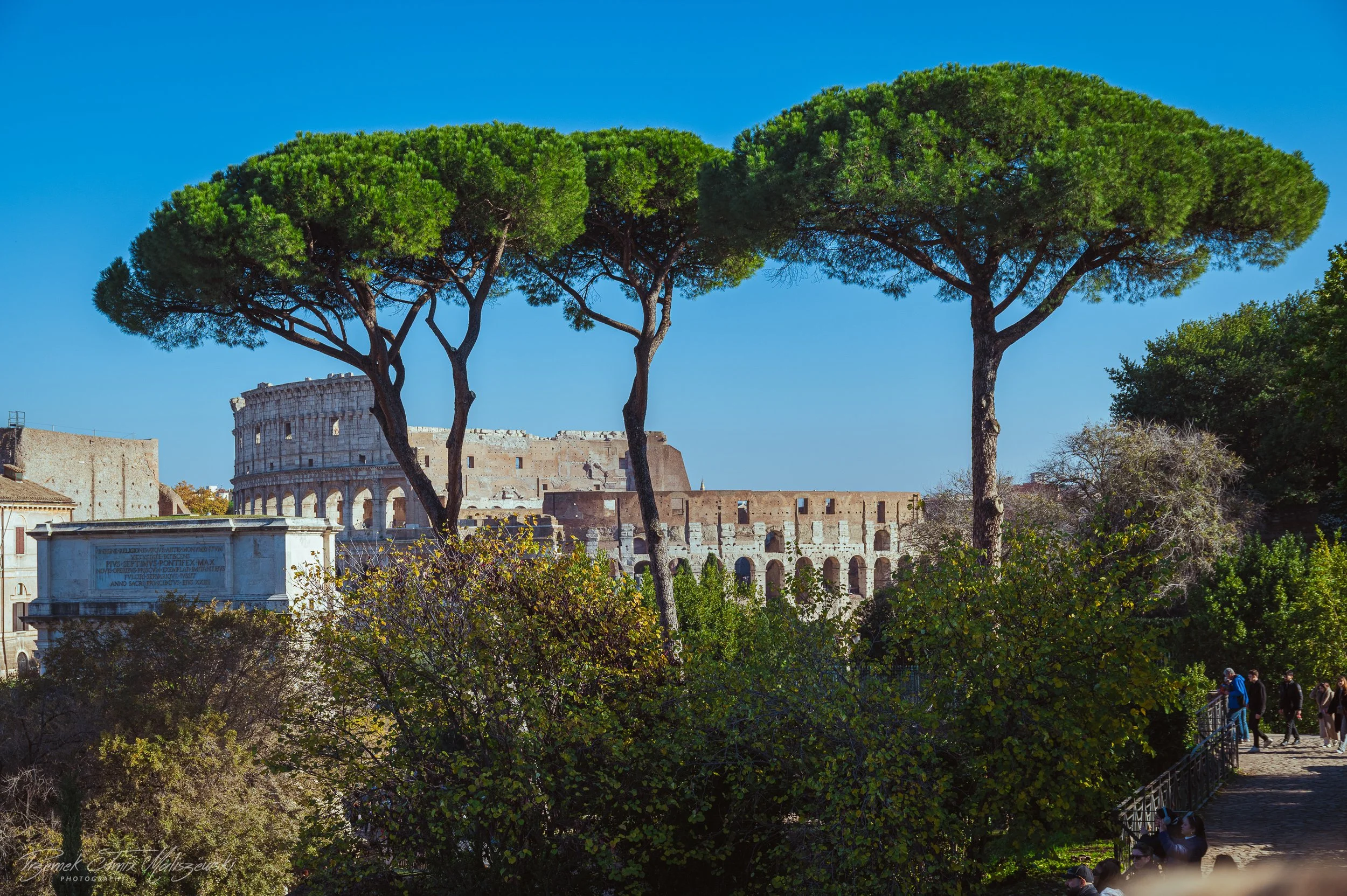
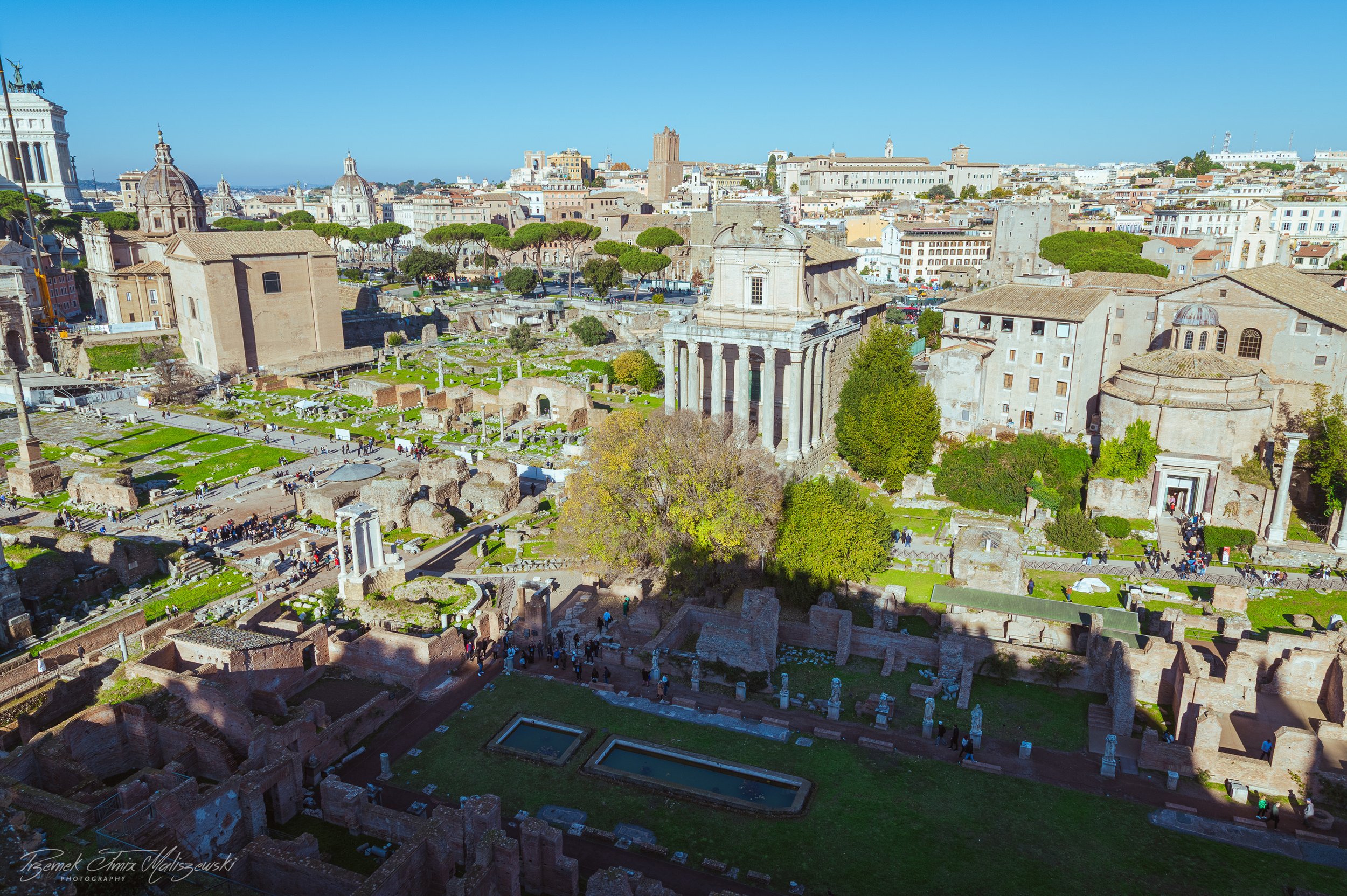
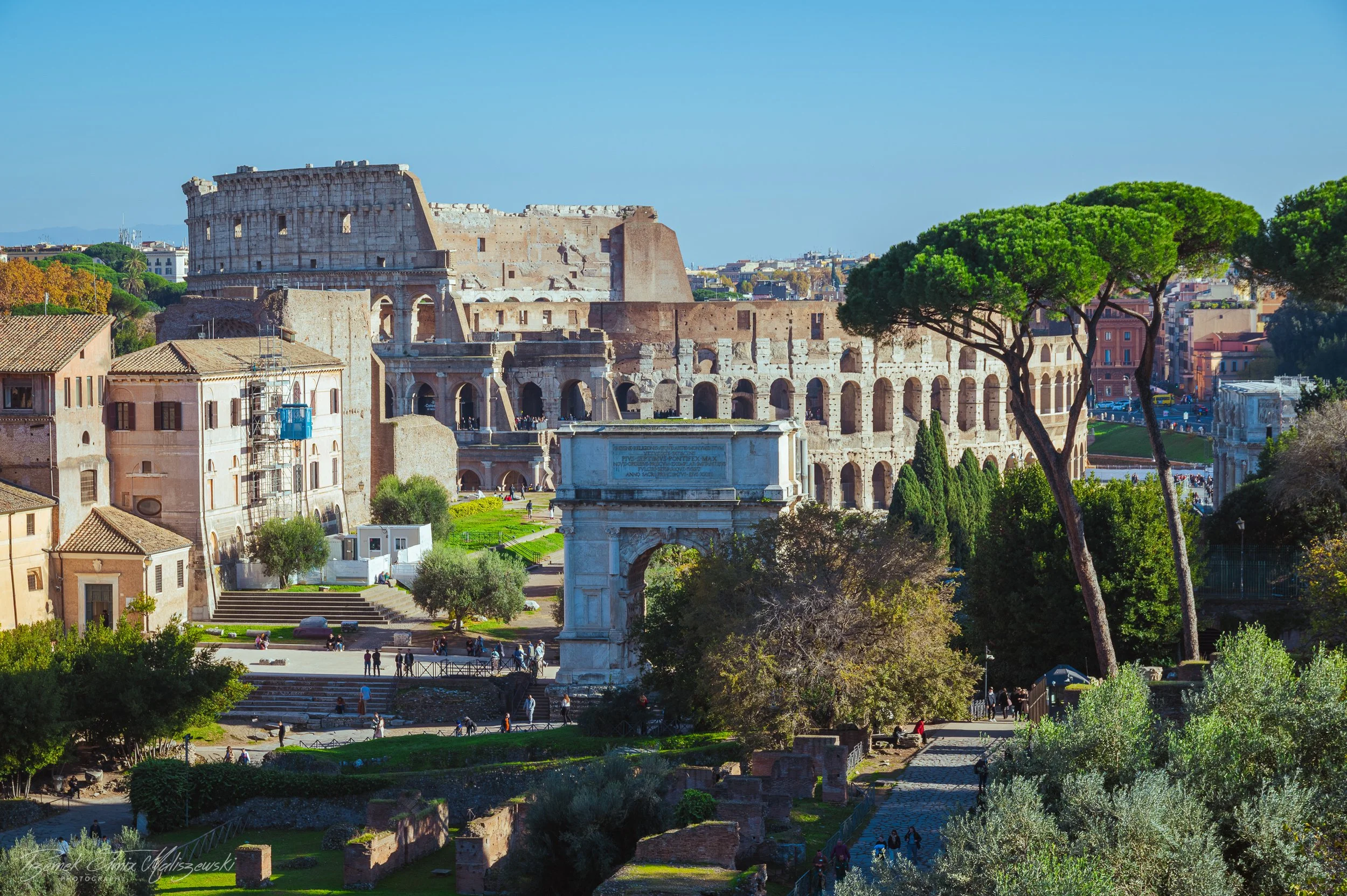
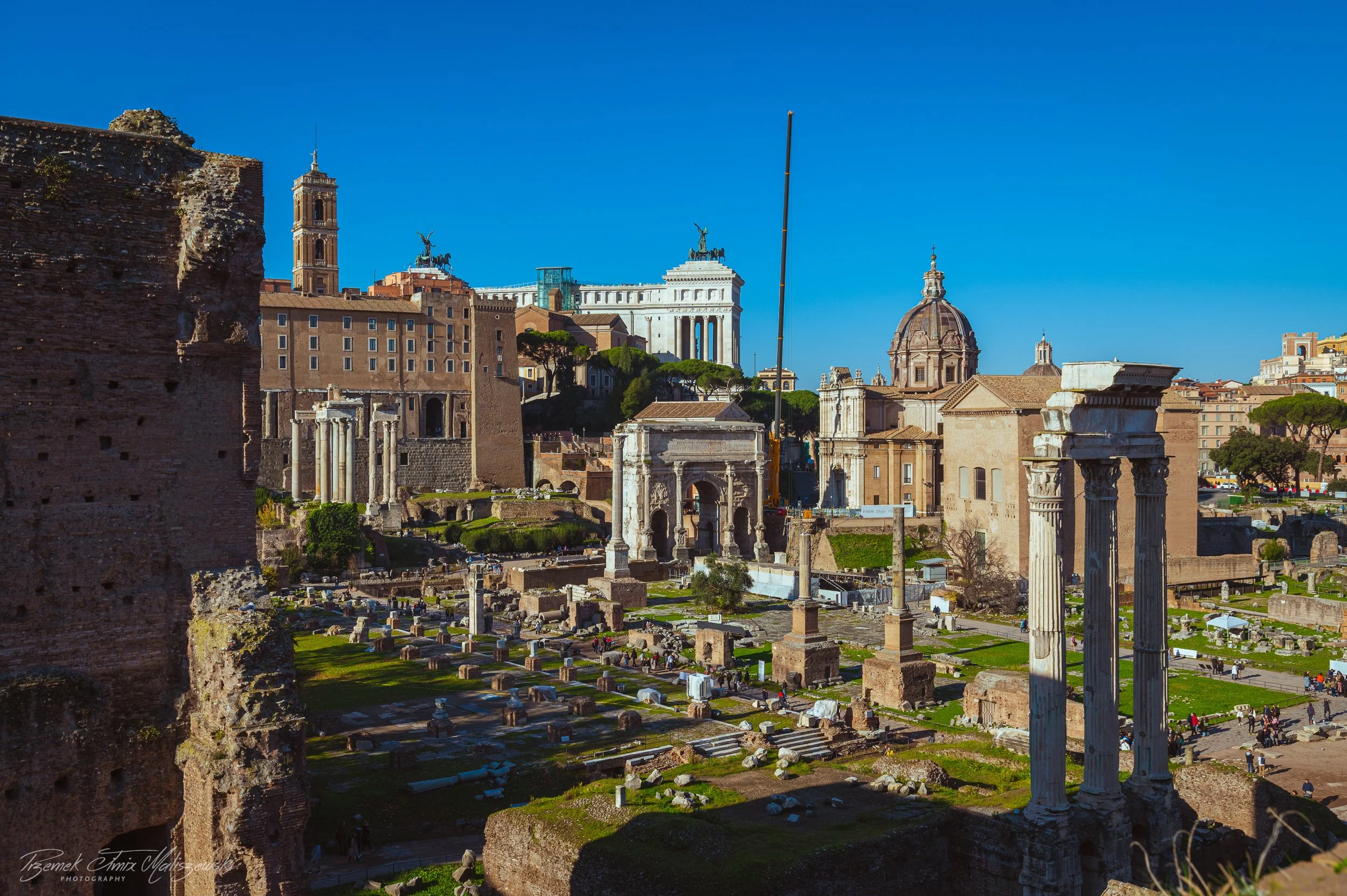
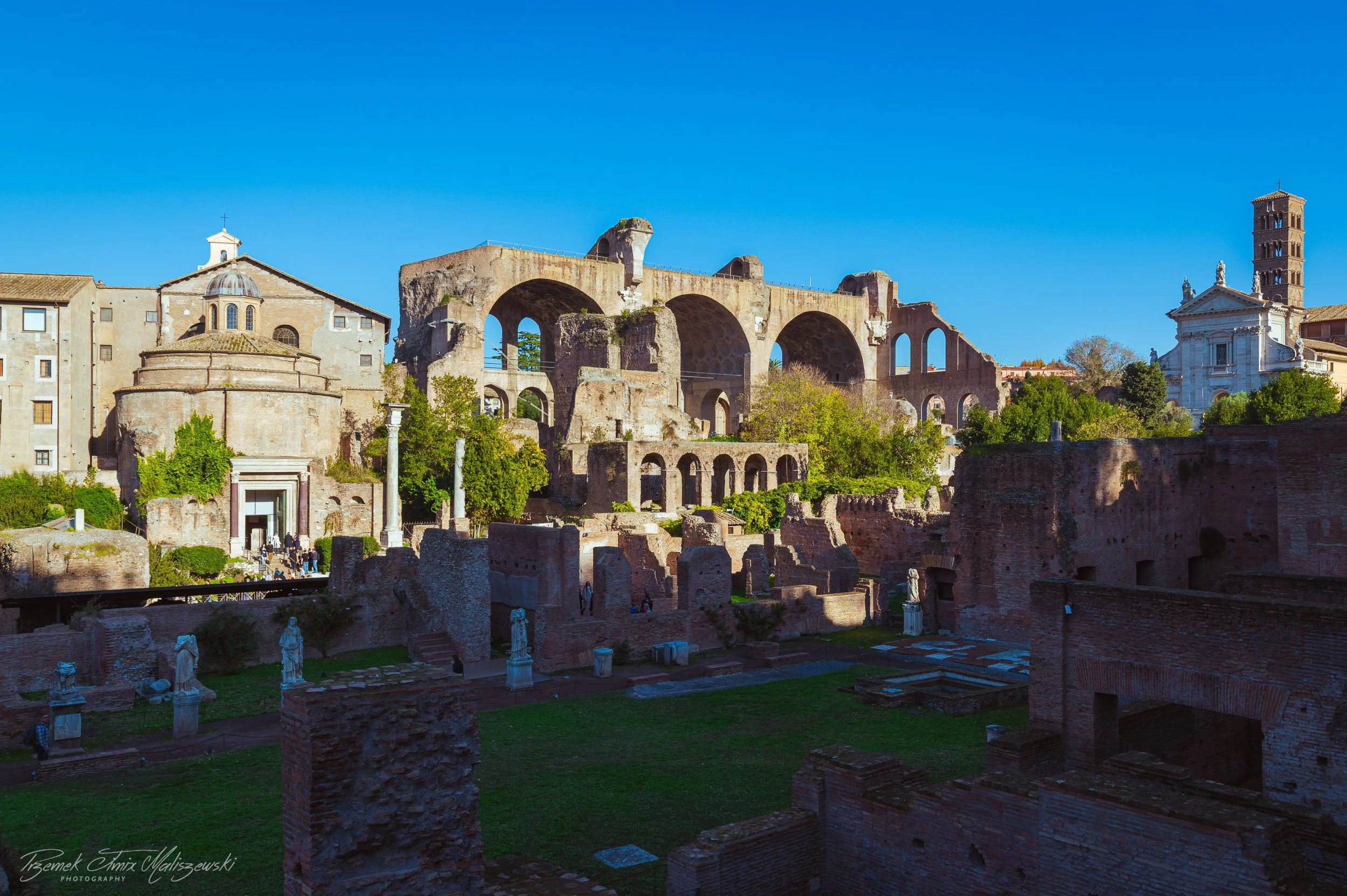
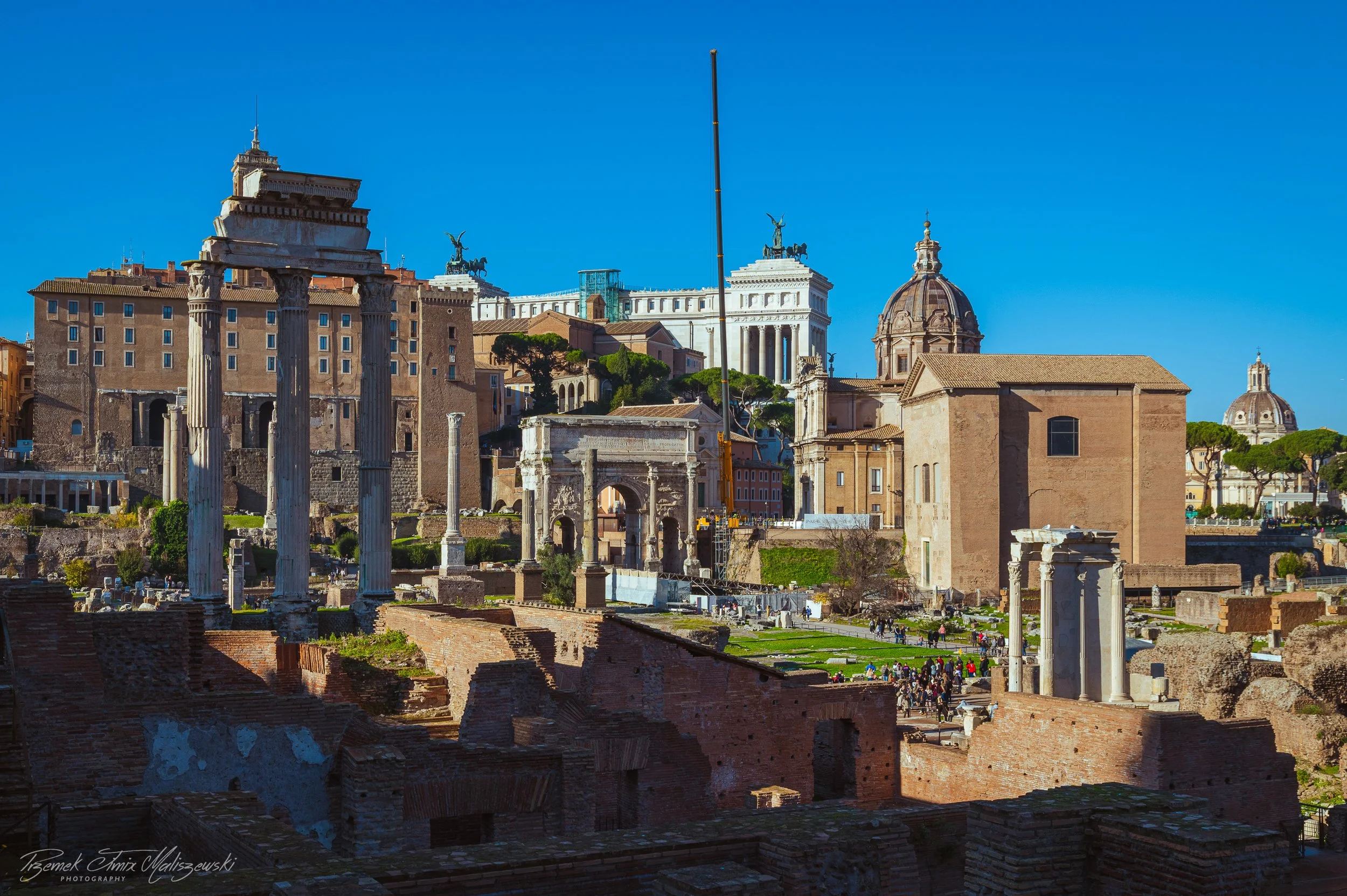
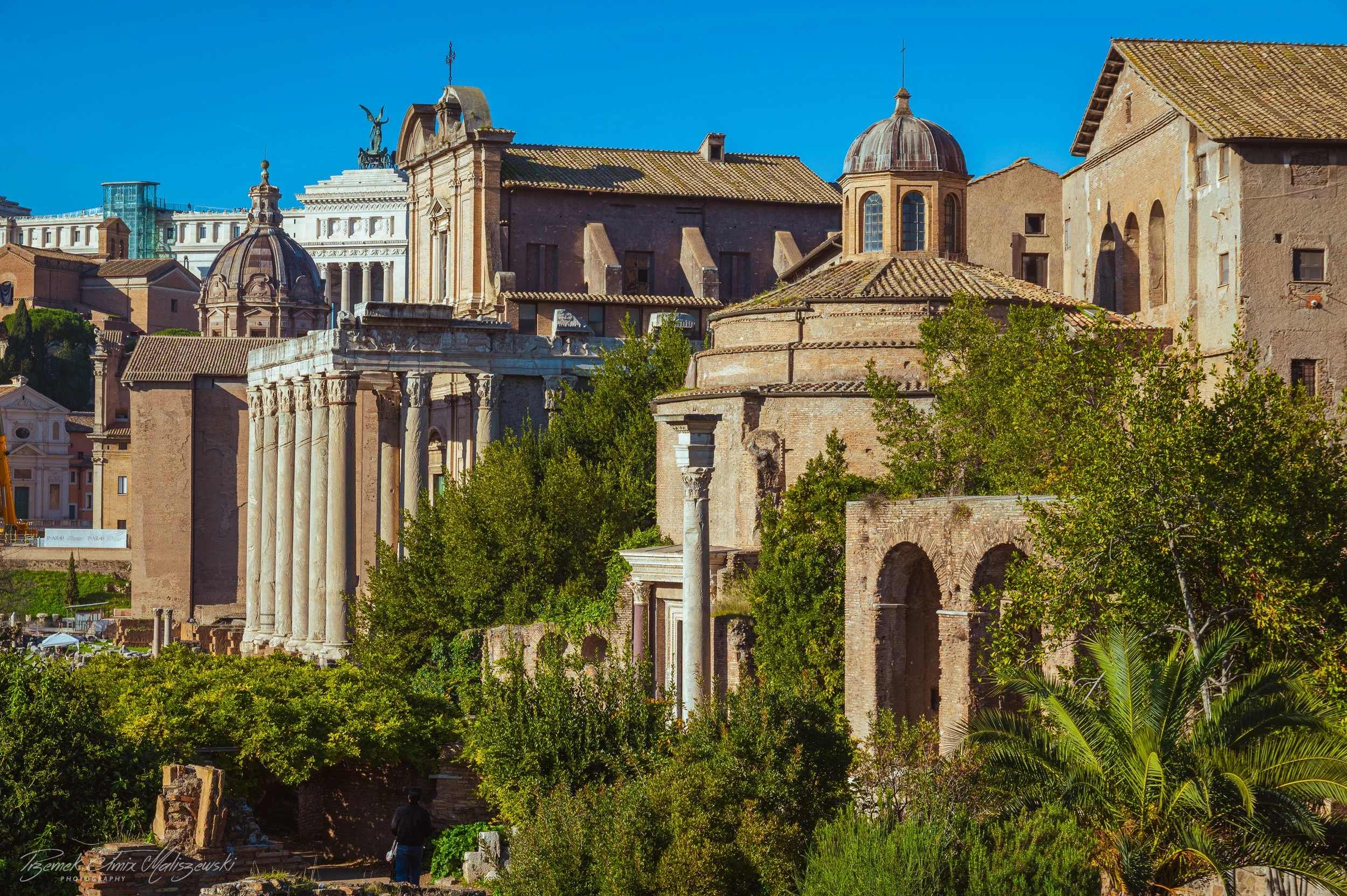
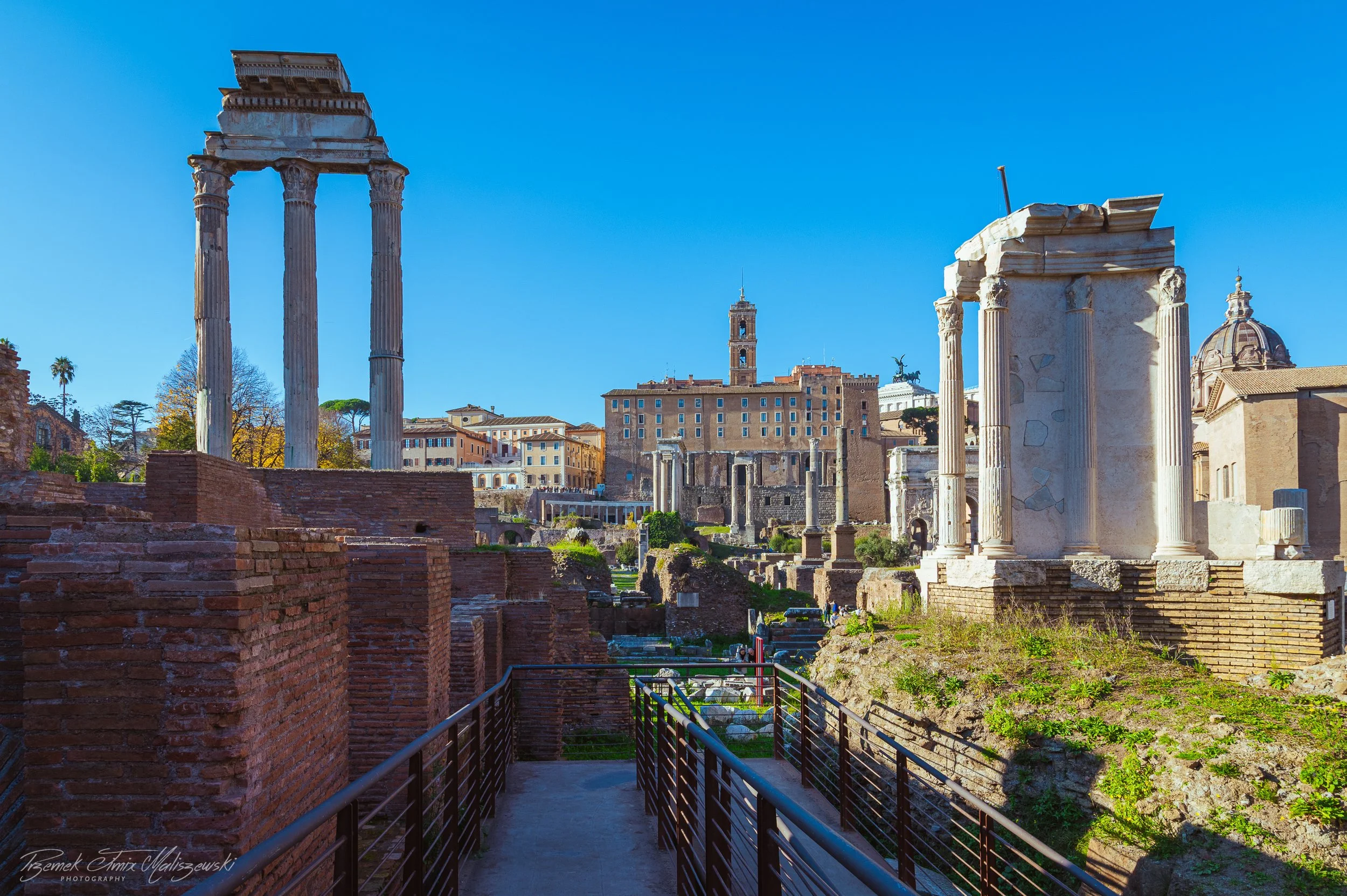
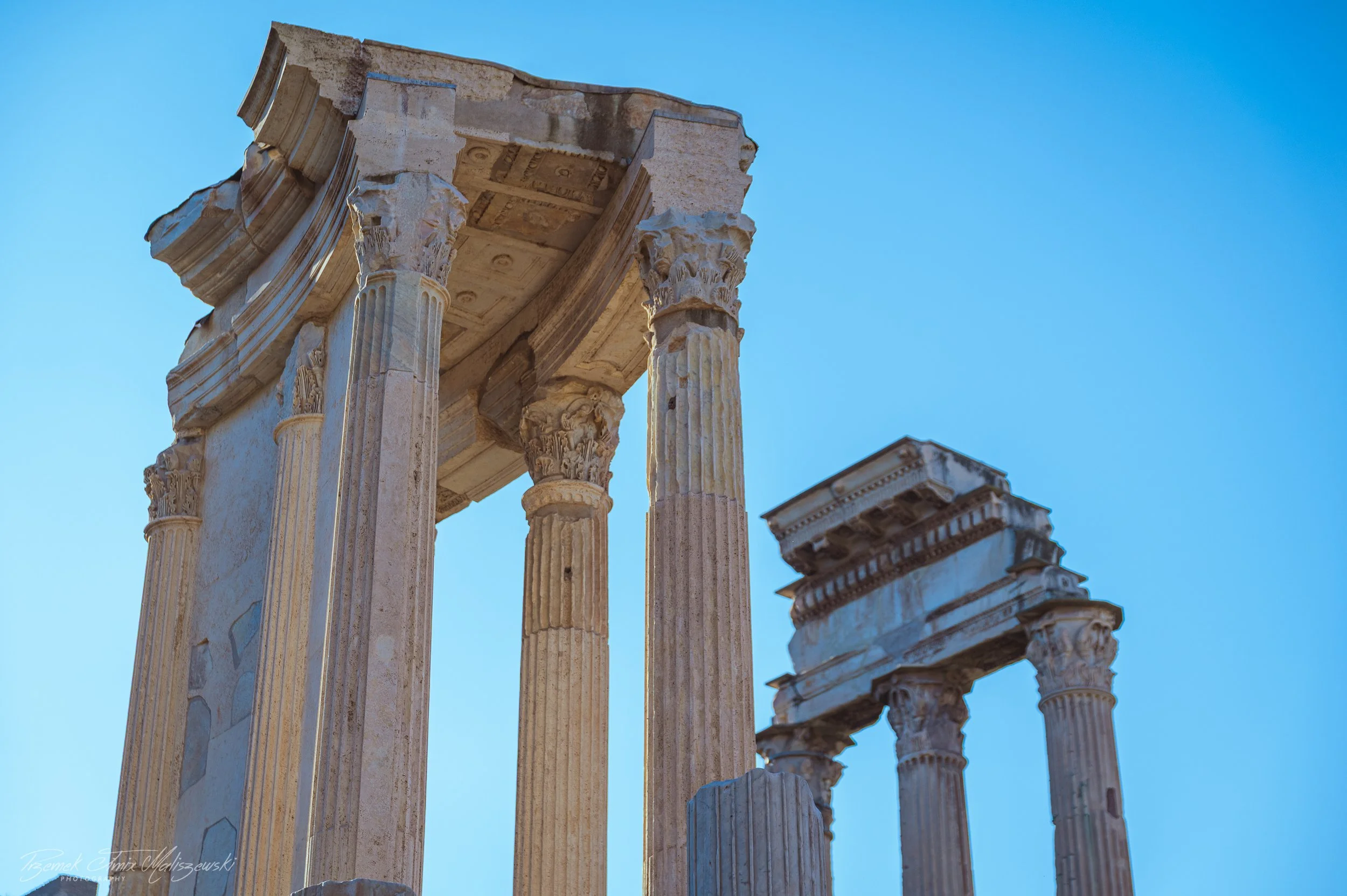
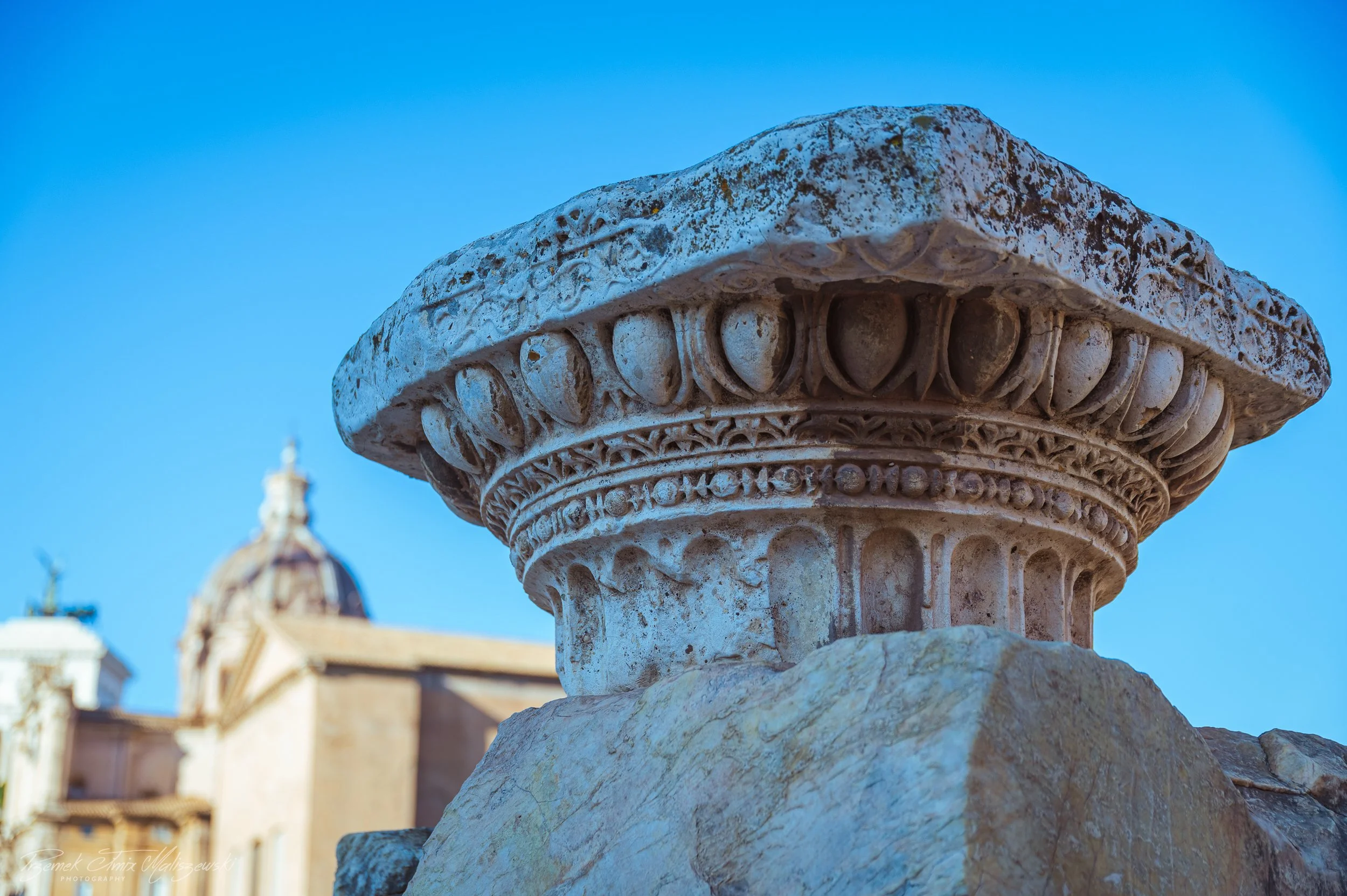
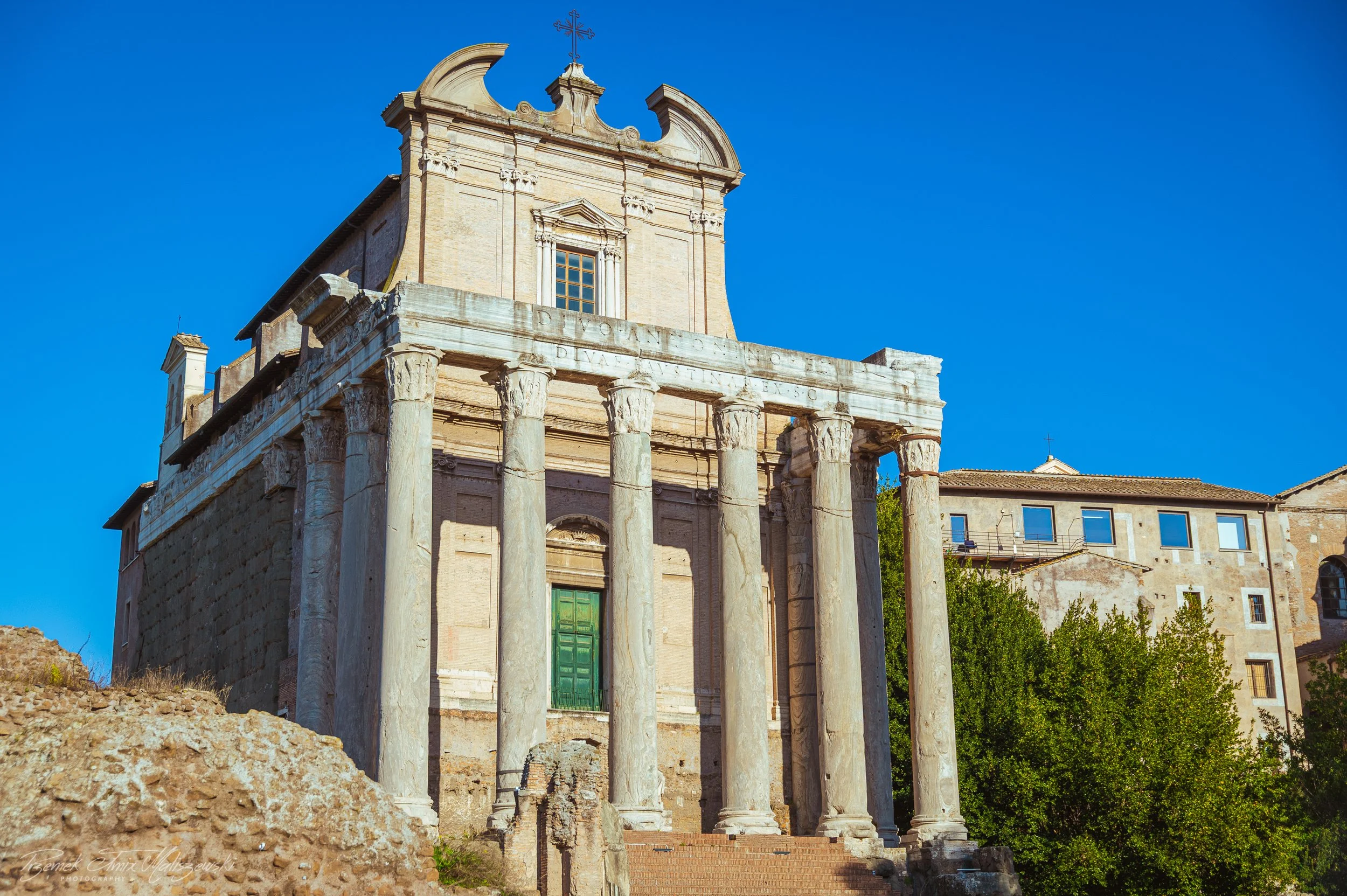
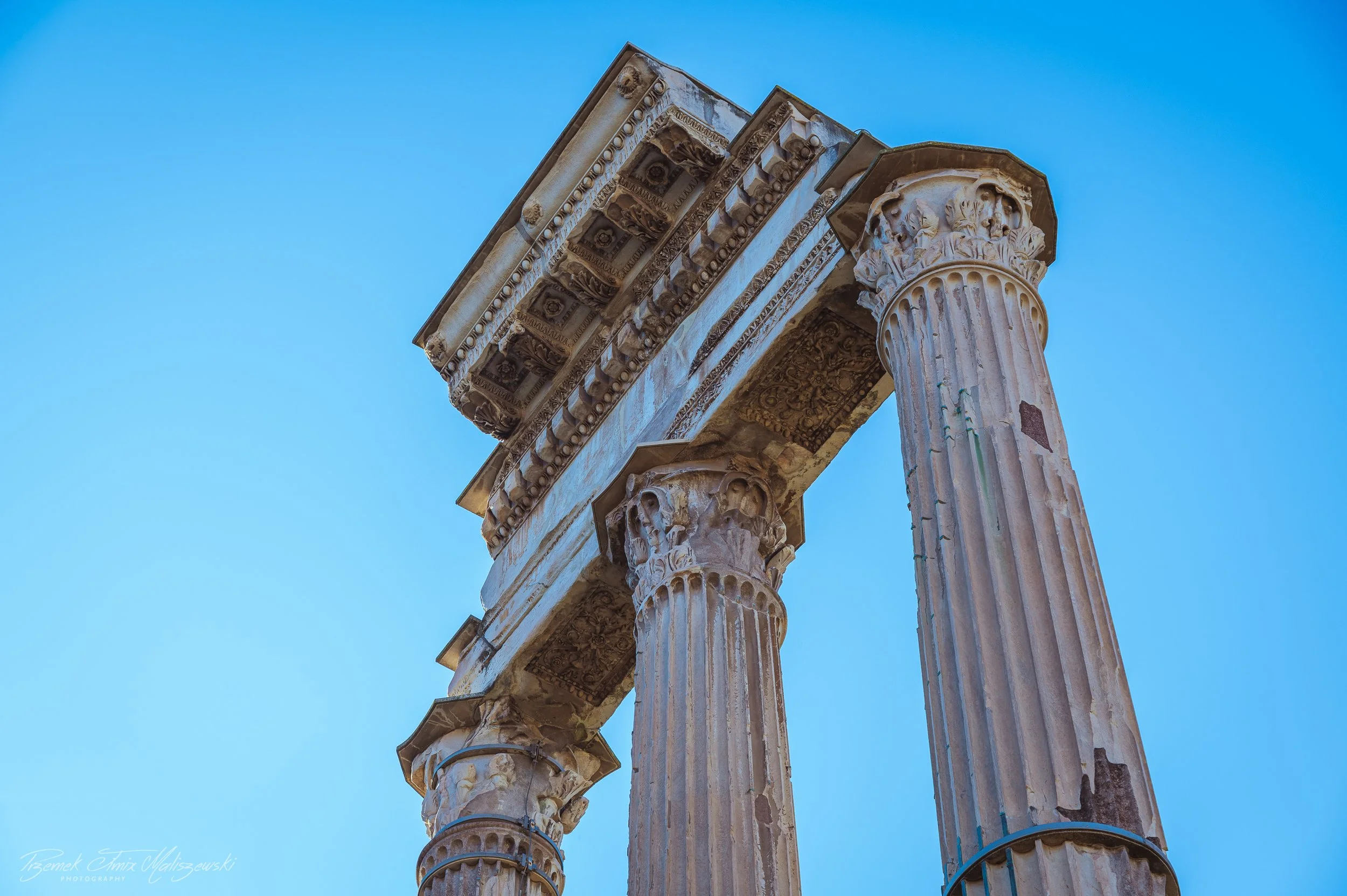
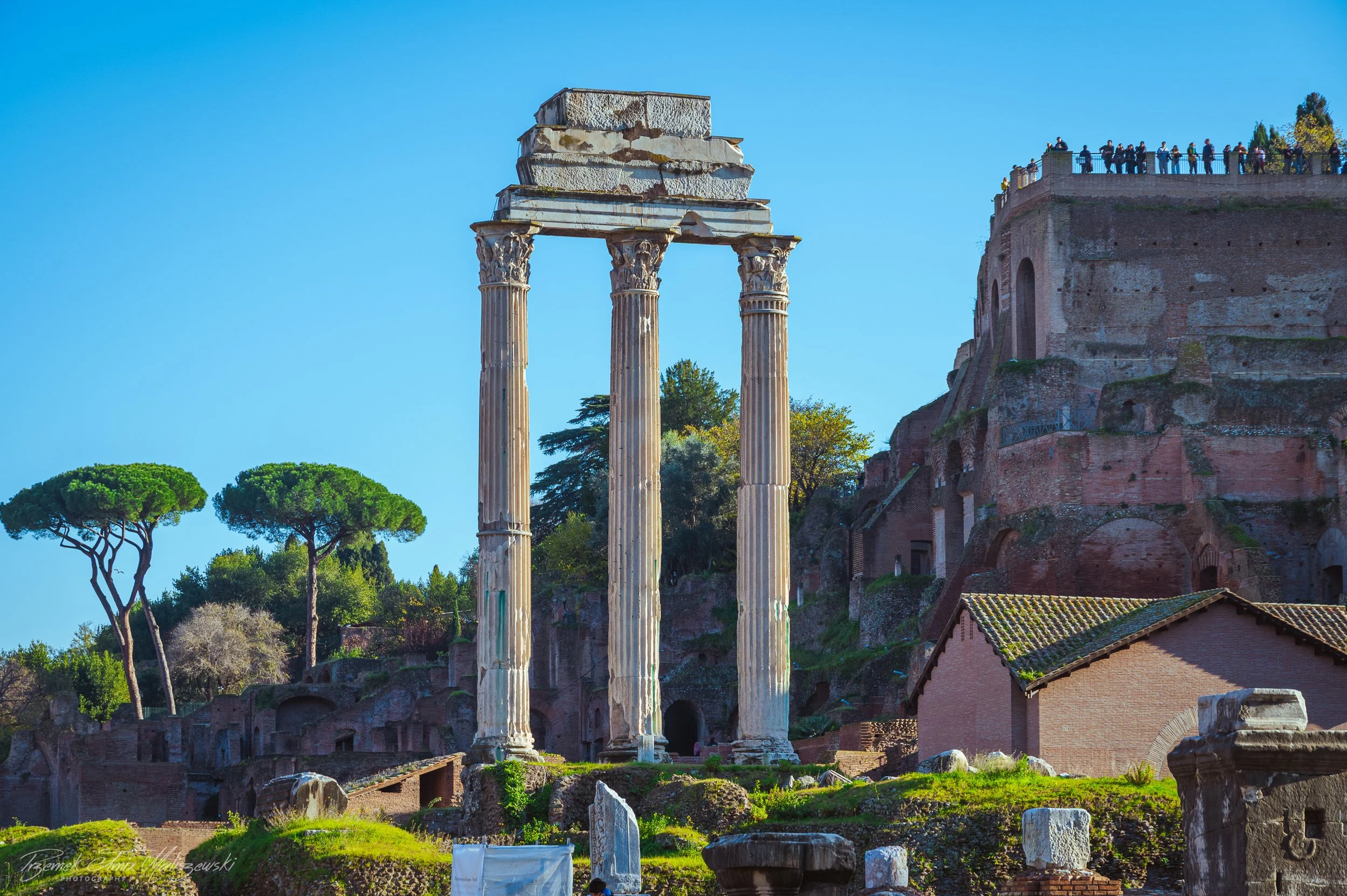
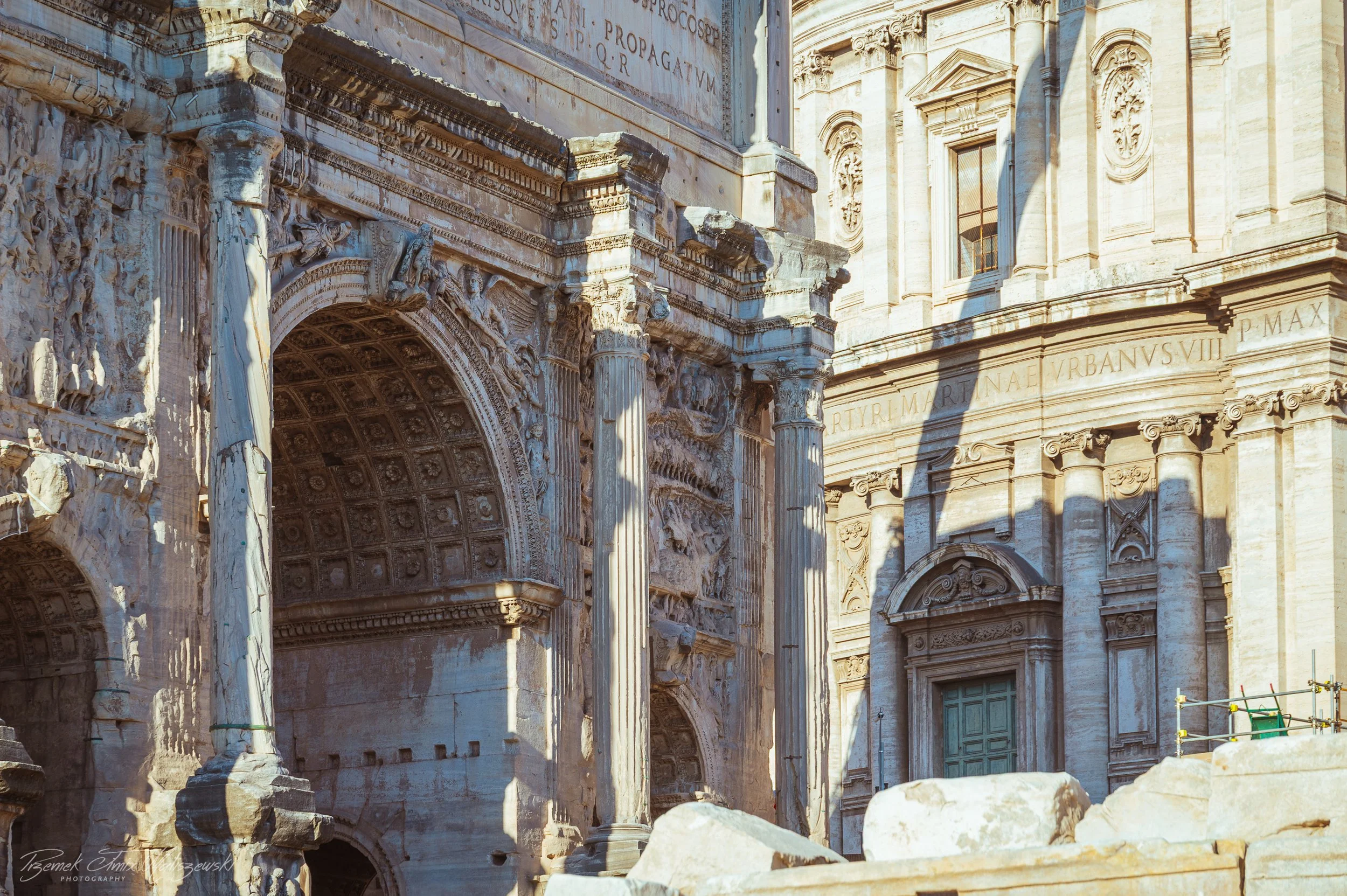
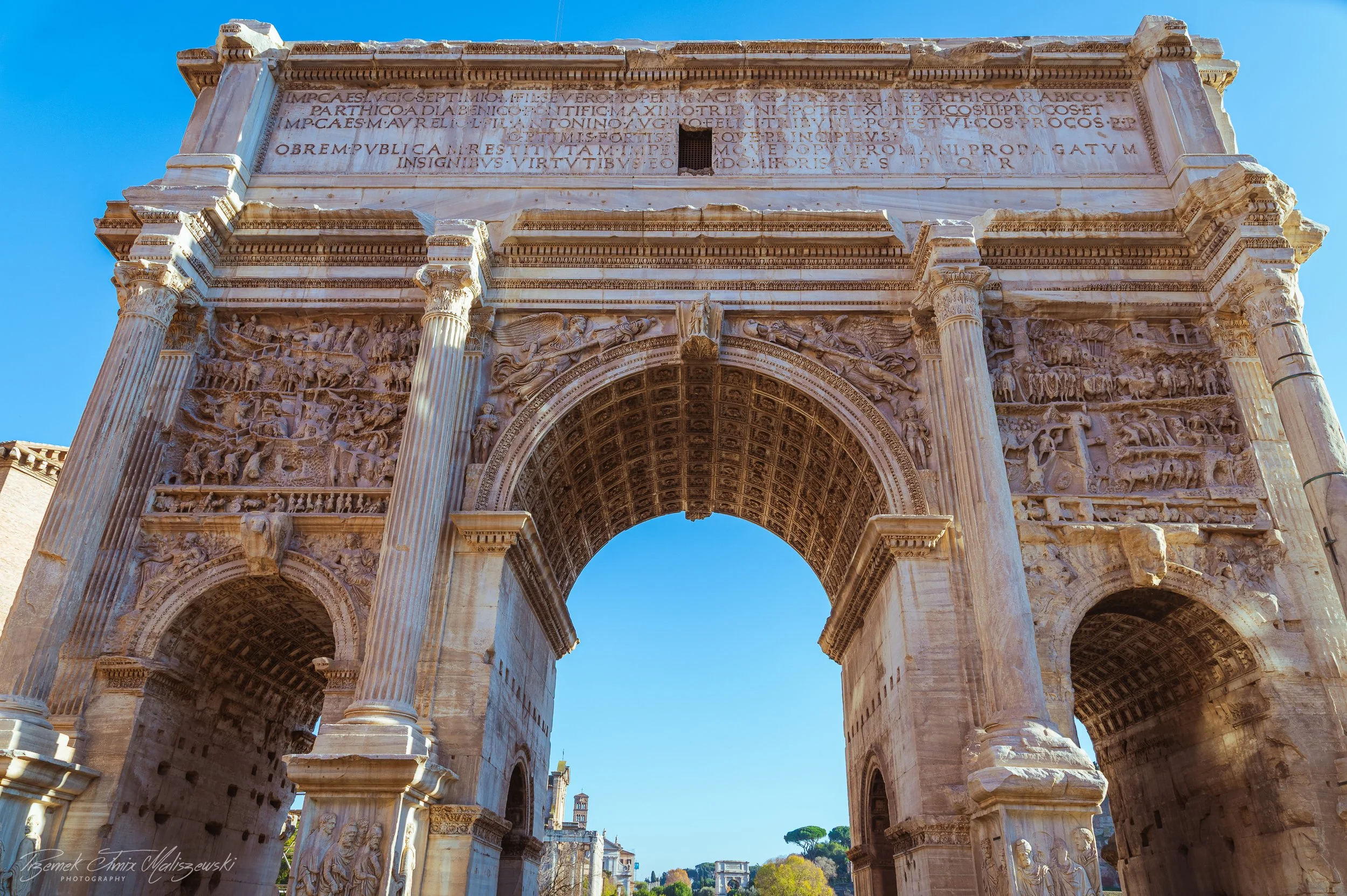
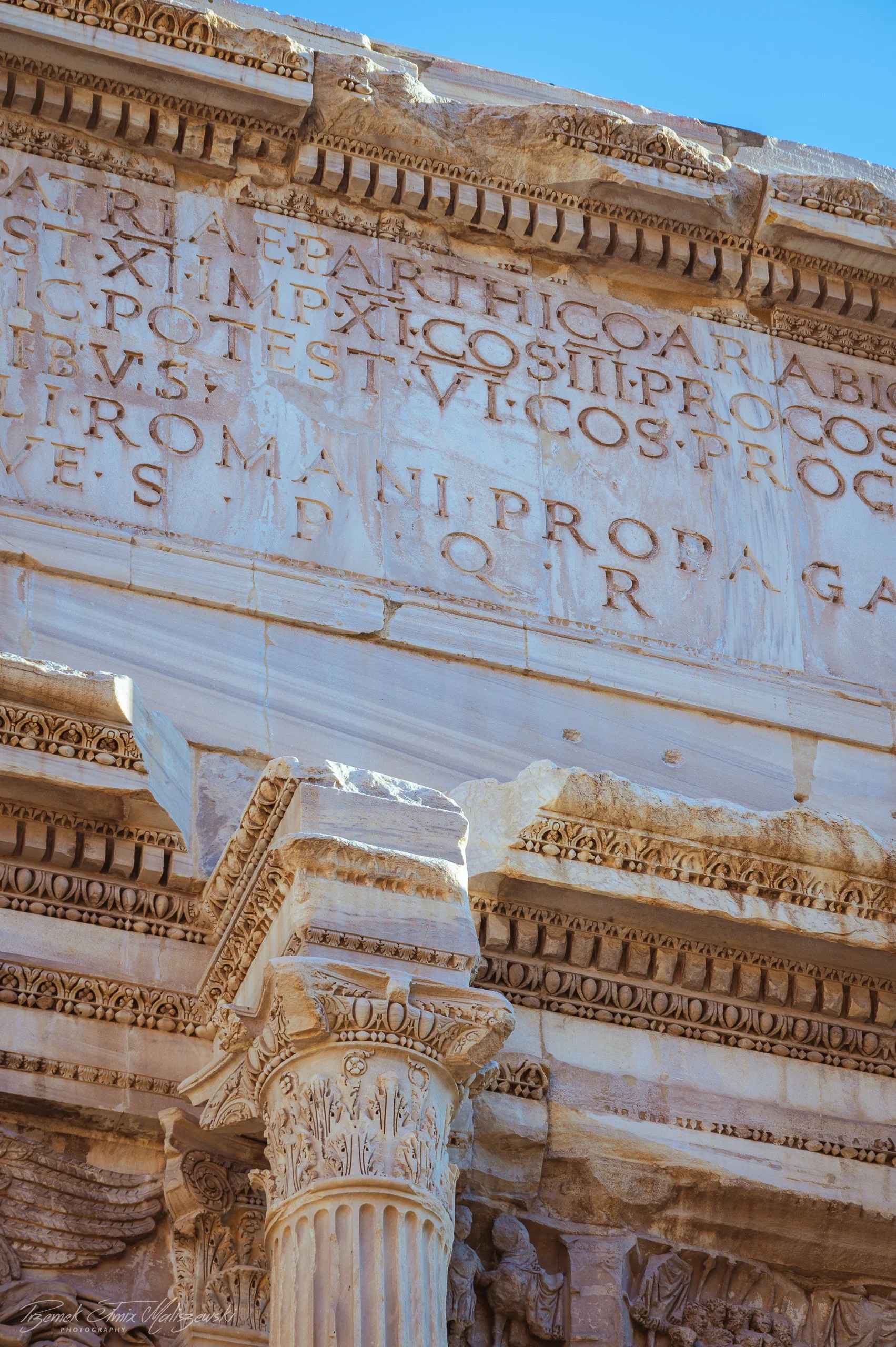
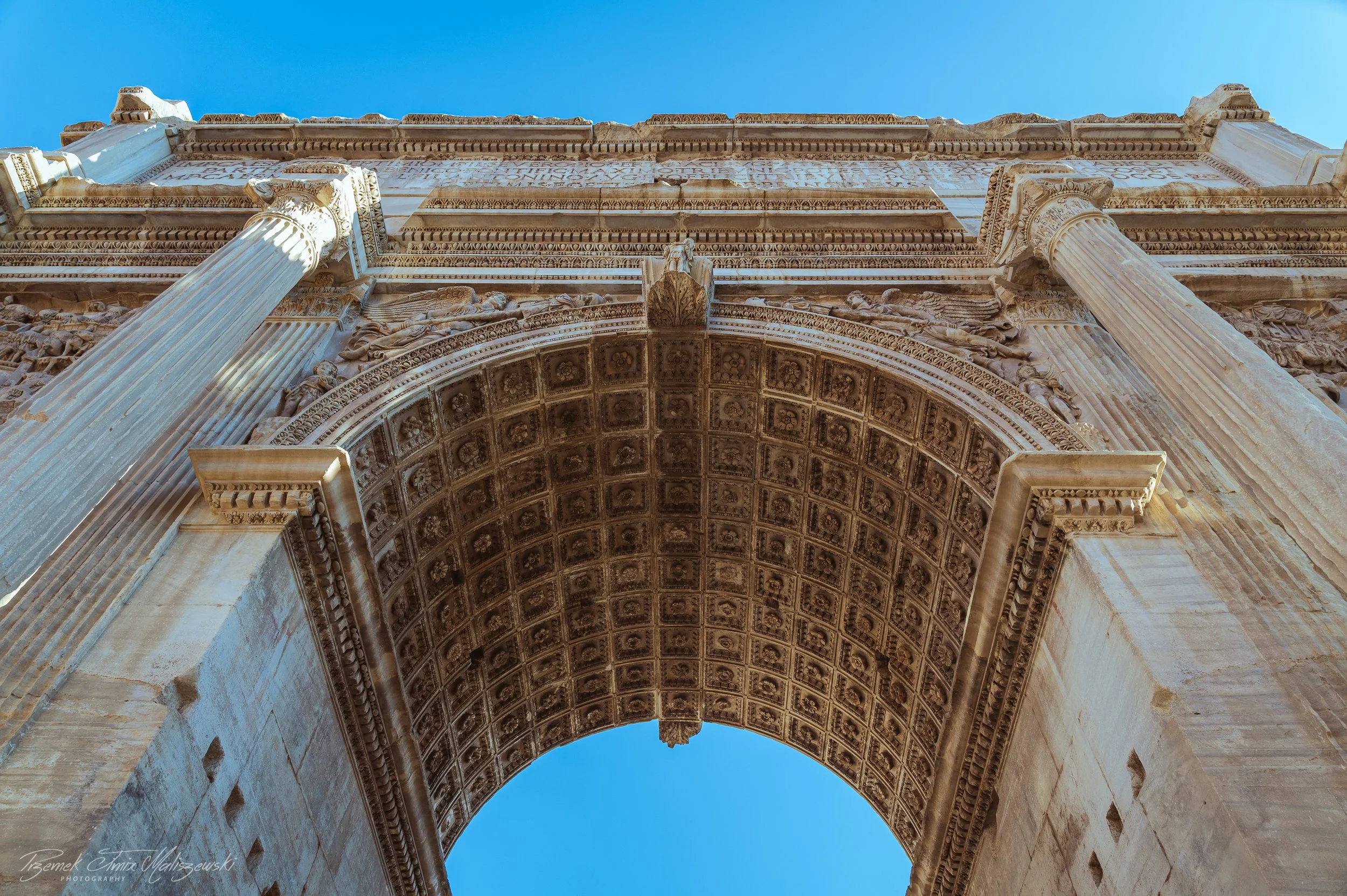
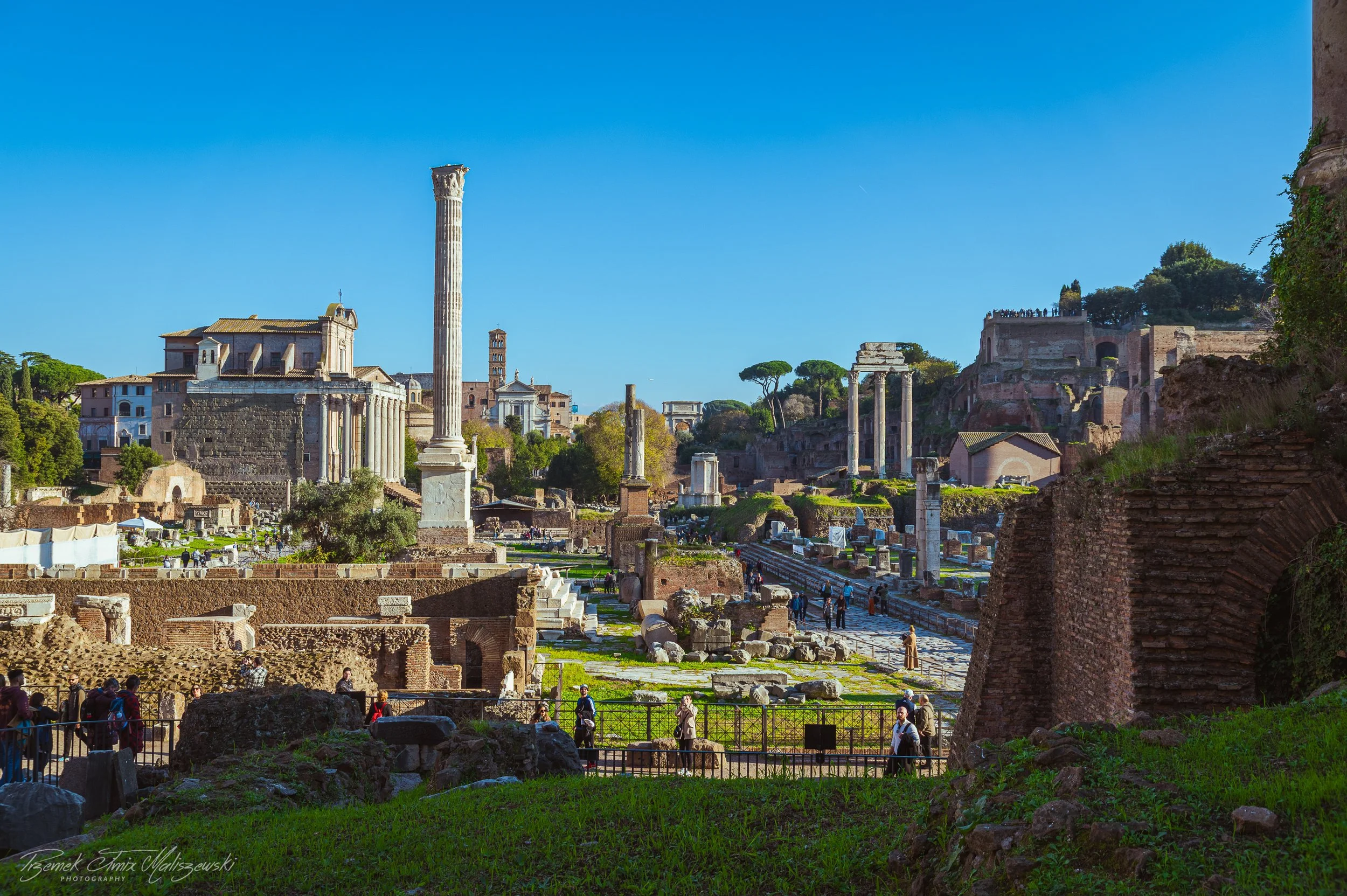
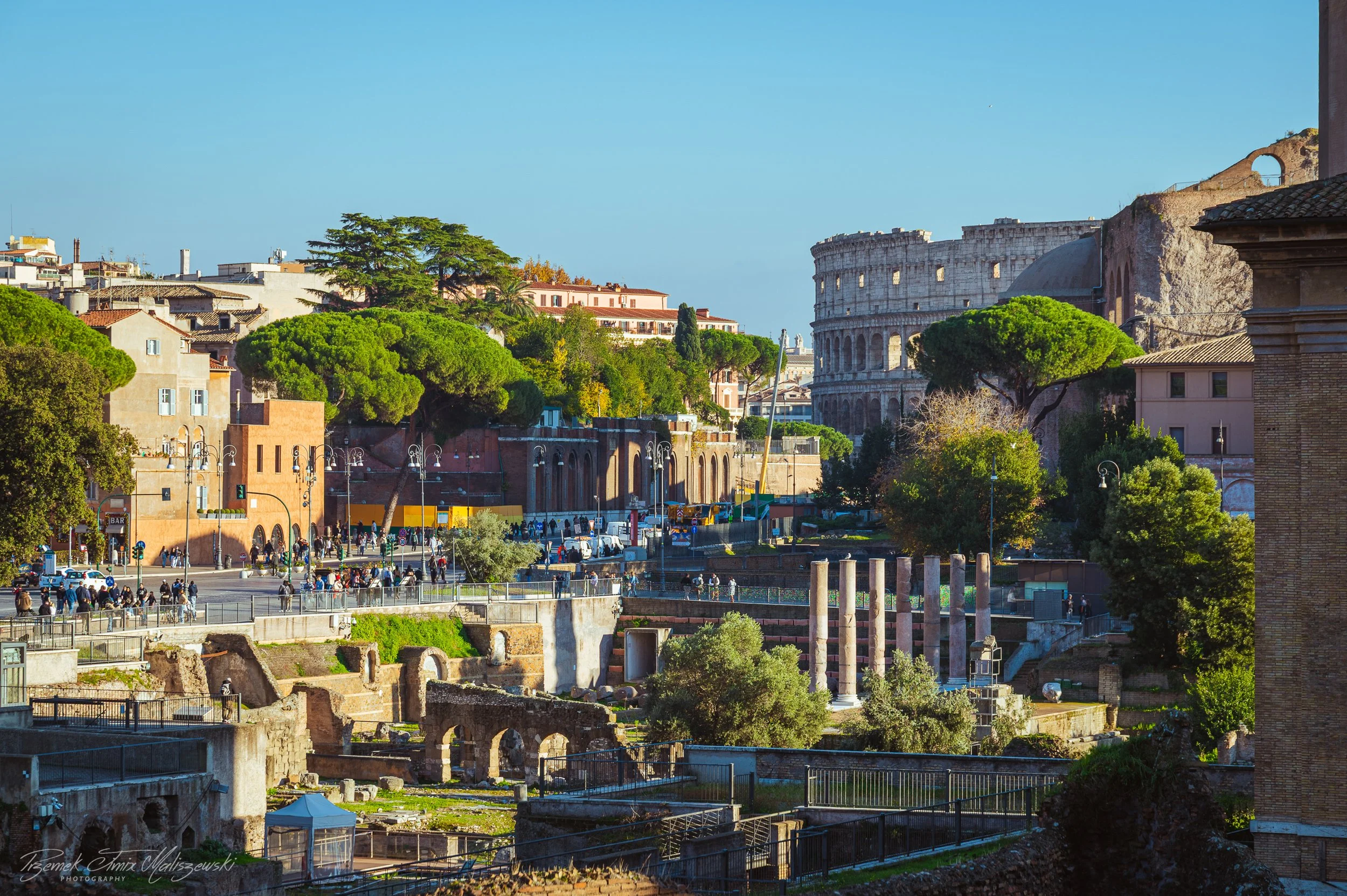
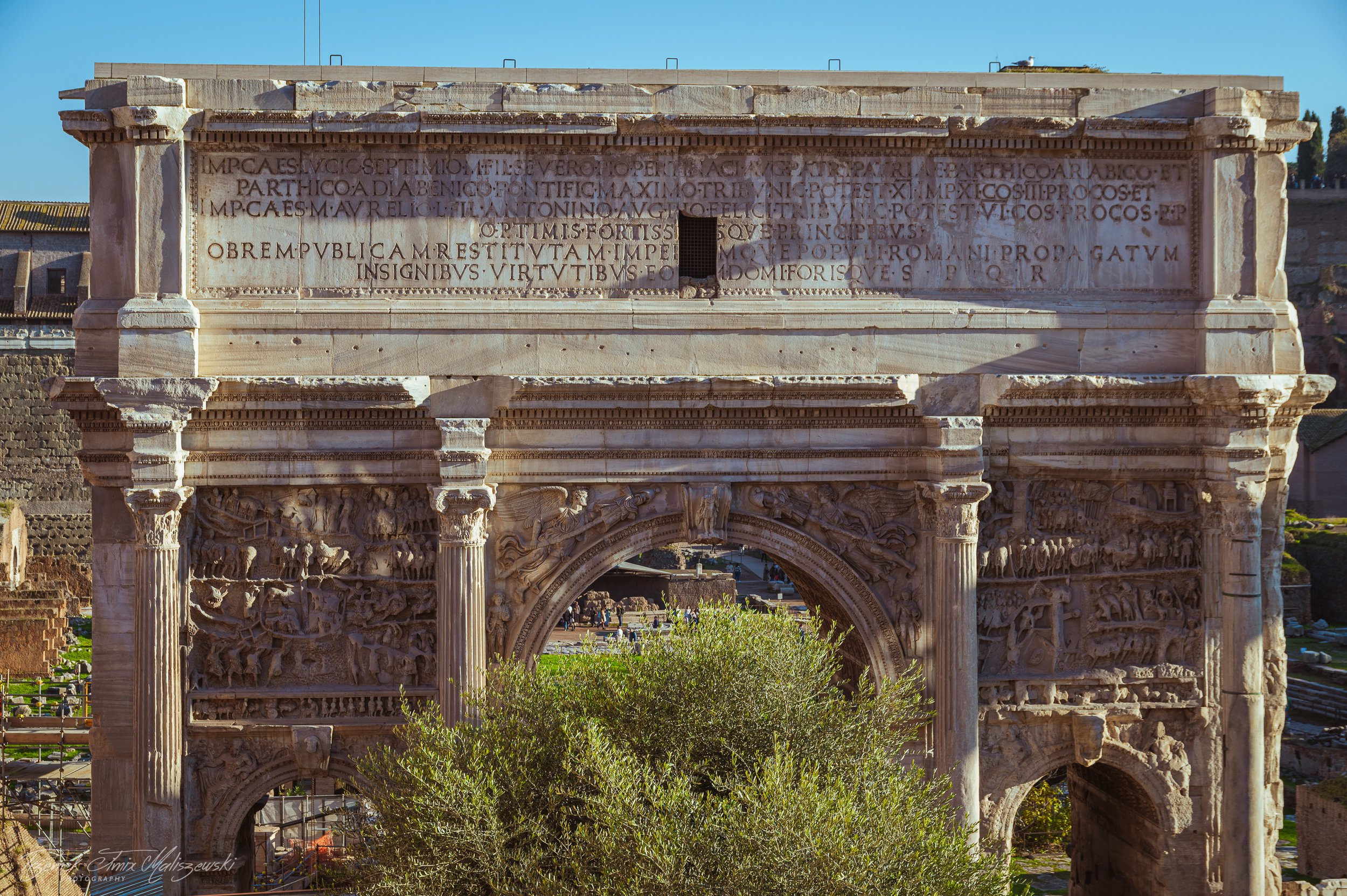
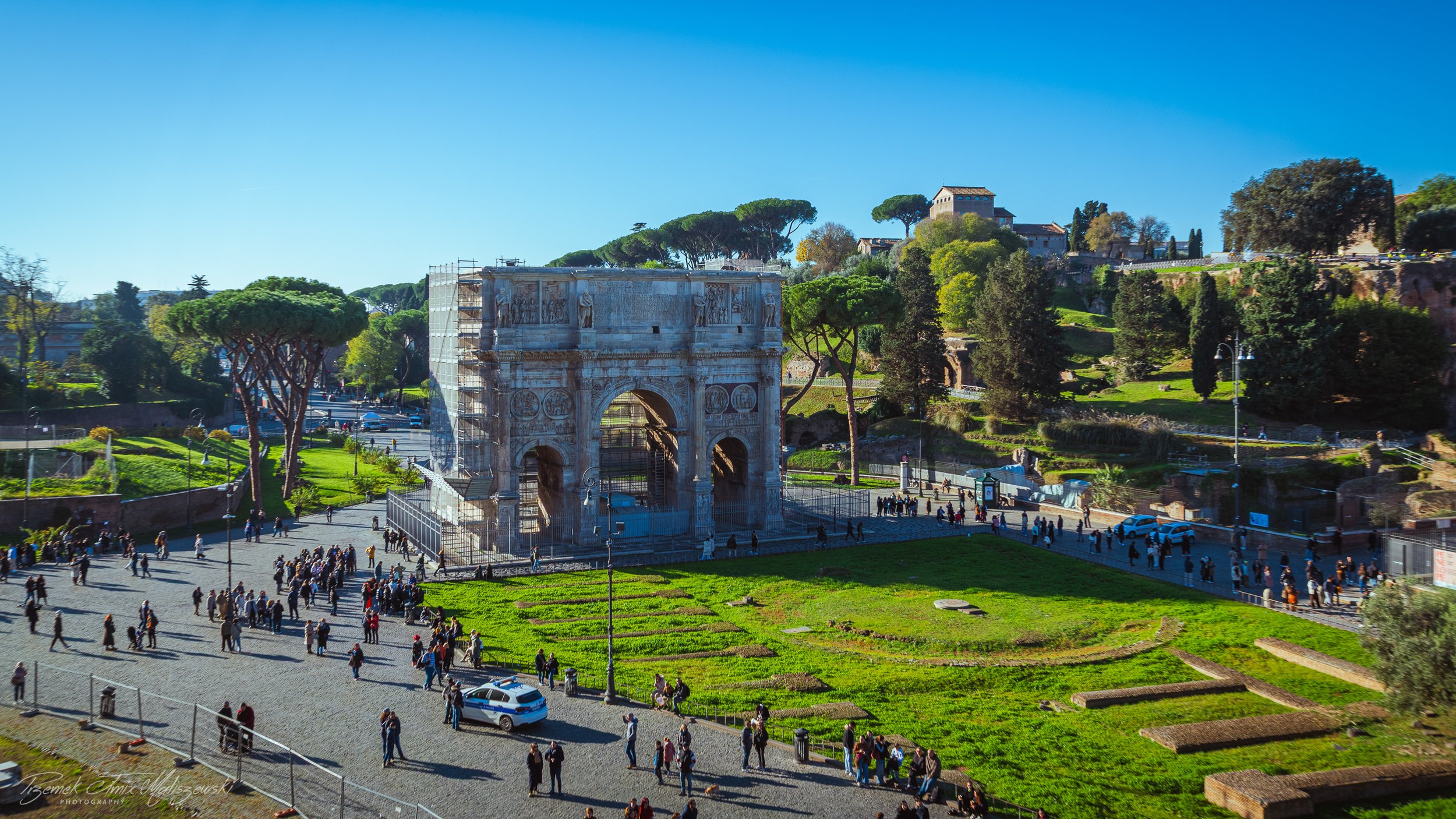
Arch of Constantine. In the background, the Palatine Hill, the ruins of imperial palaces, and the oldest site of civilized Rome. The Palatine.
And this is one of the key takeaways that comes to mind after visiting this place, which was, after all, the progenitor of all European and Western culture, art, architecture, and legal thought. Do the massive columns and the tympanum embedded in the facade of the NYSE (New York Stock Exchange) not feature Corinthian capitals? And what about the Church of St. Alexander in Warsaw? Are we not still building triumphal arches? As a modern civilization, we draw greedily from the cultural treasury of antiquity, including the Rome of the SPQR era. Even Christian temples and the Baroque altars within them are full of elements invented and designed by someone in Ancient Rome. This is how timeless, ideal, and perfectly drafted they remain—classically beautiful to this day.
If 'Donny' has enough time, one might even spring up in DC. I can already see the inscription: 'Senatus Populusque Americanus, Divo MAGA, Divo Donaldo, Divo Trumpo.' Dripping in gold, of course—nothing less. Regardless, that is quite an achievement: to design something that people will still admire two thousand years later. Generally speaking, the creation of beautiful things and the precedence of form over function remains one of Italy’s most recognizable specialties in the world. Empires fall, religions and rulers pass away, and their palaces are reduced to foundations and a few columns. But design endures. The Roman Empire is gone, and so are the emperors, but the architectural style that someone developed, perfected, and standardized two millennia ago lives on.
Look at these few examples below from Warsaw, Washington DC, and New York City to see for yourself how vibrant the architecture of Ancient Rome remains—how we pass it every day, perhaps without much thought, and yet how deeply embedded it is in our subconscious and how beautifully it presents itself after two thousand years:
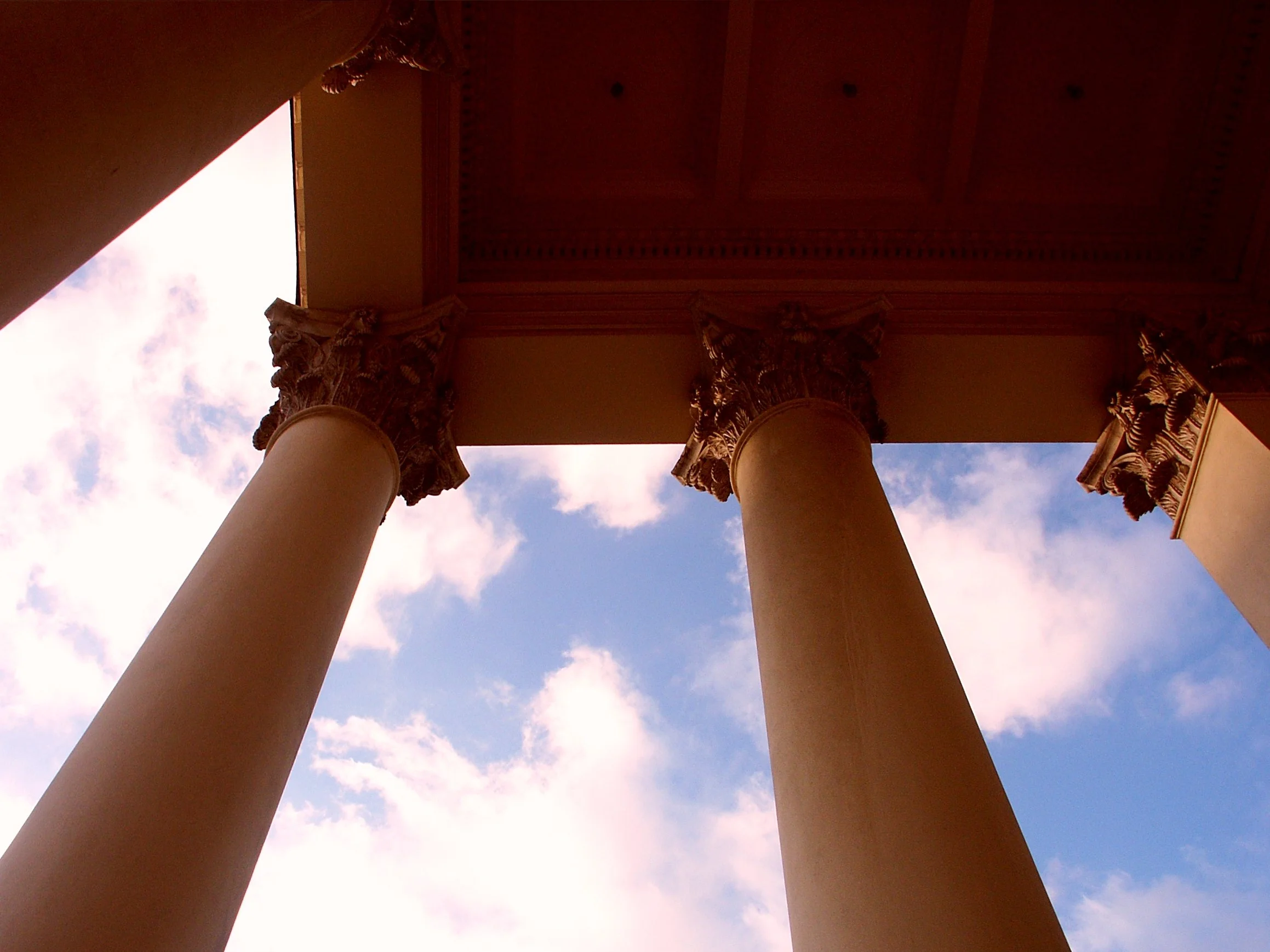
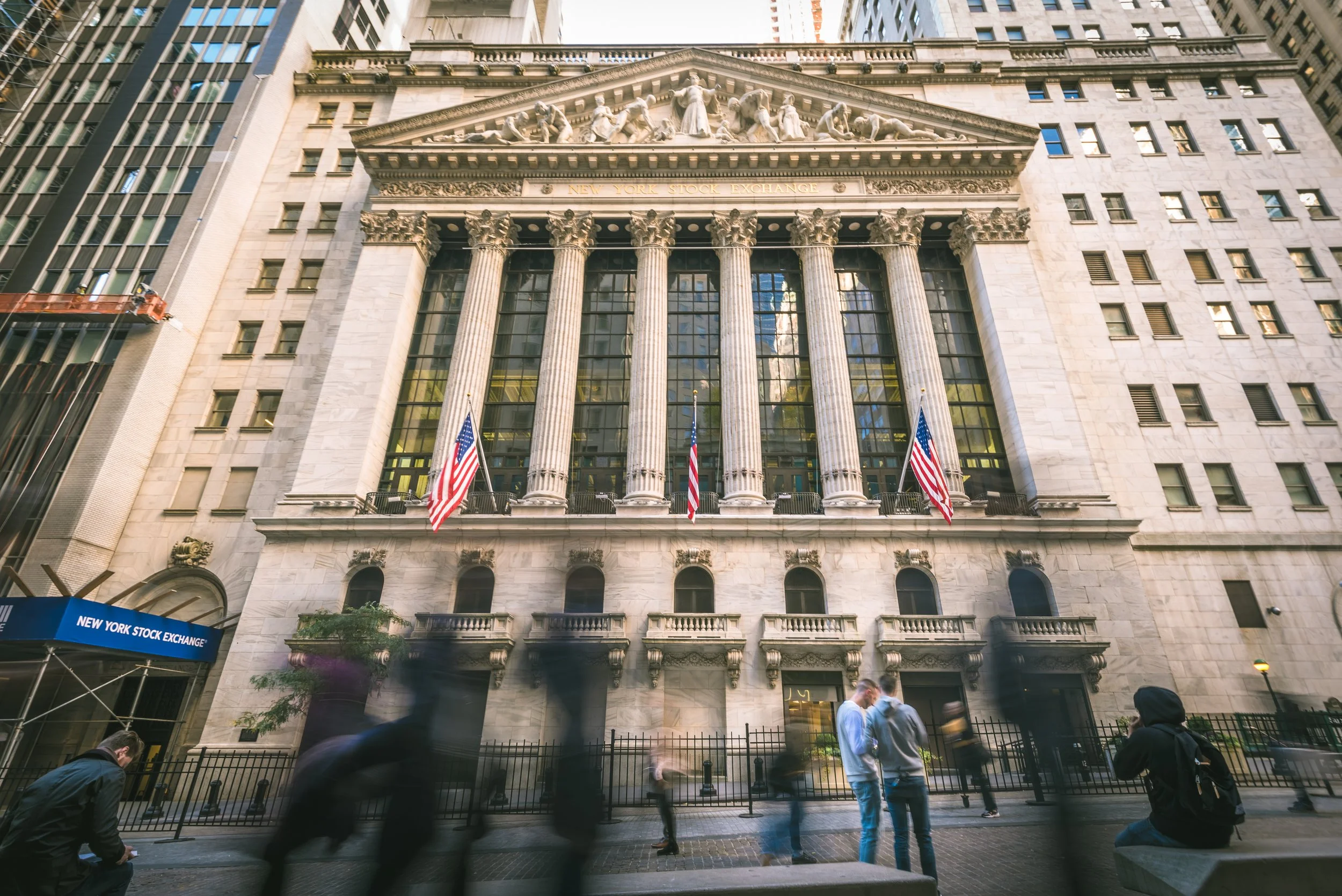
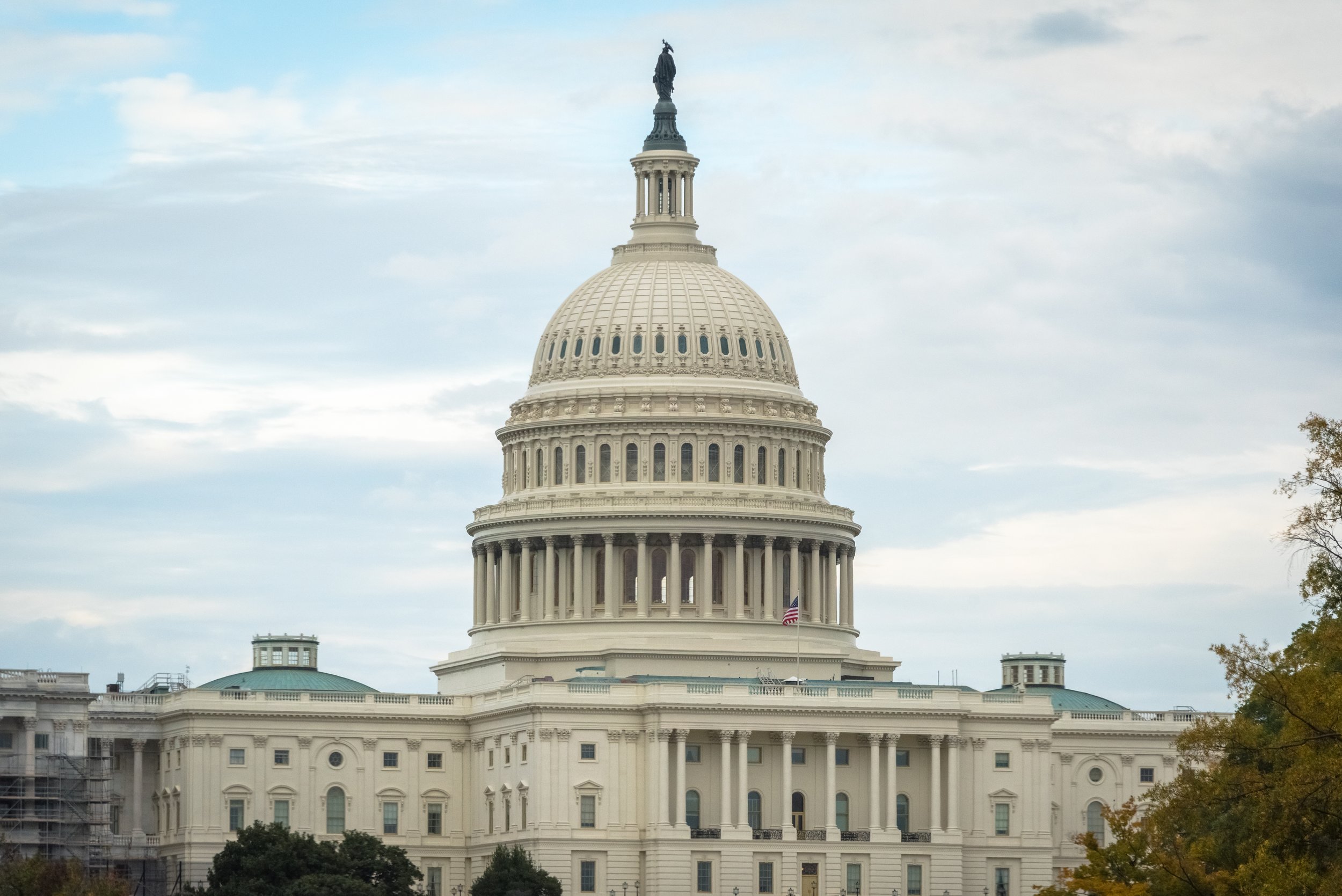
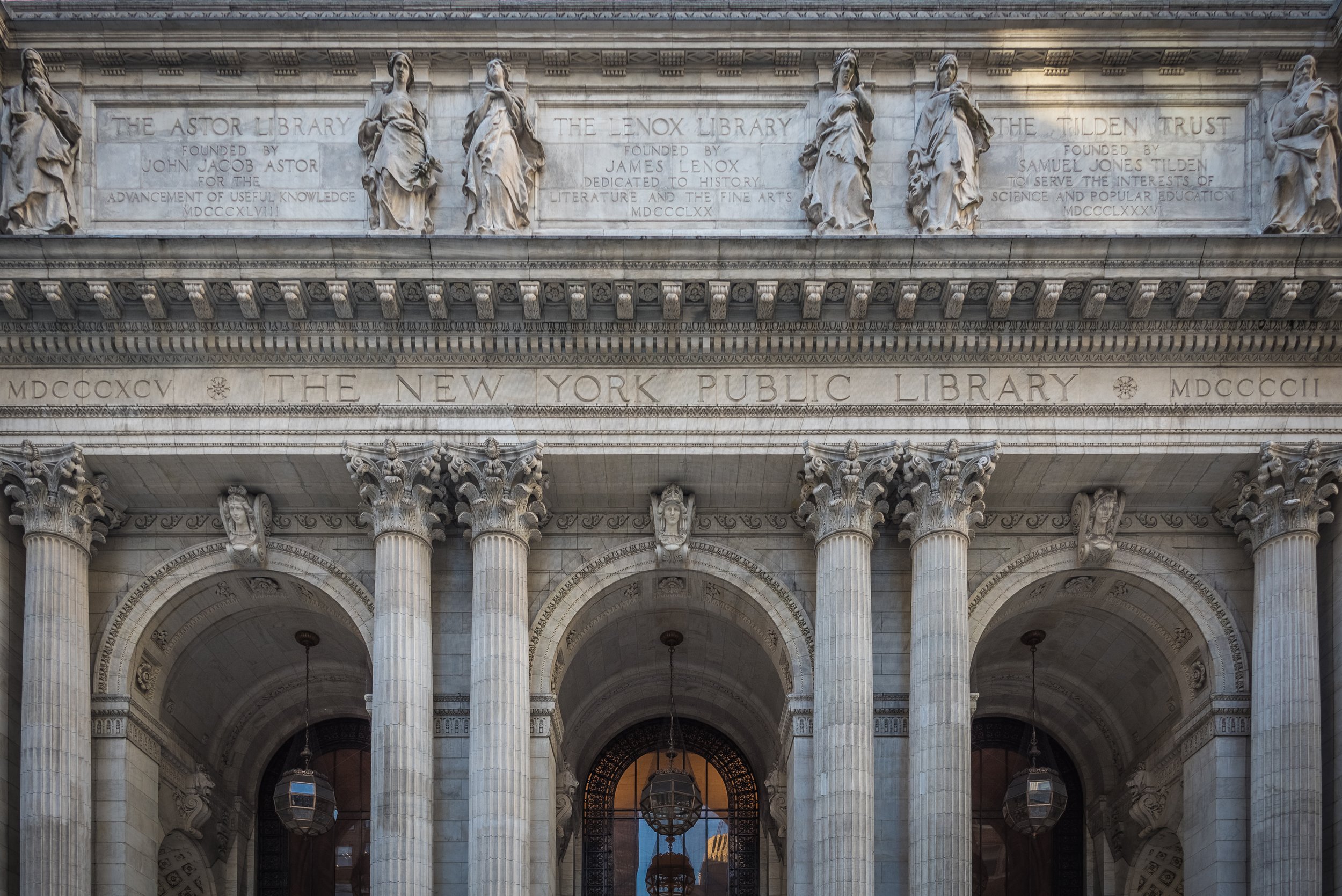
Once we reached the Altare della Patria, it became perfectly clear. The entire gargantuan monument, built at the turn of the 20th century (between 1885 and 1935), is so flawlessly 'Roman' that one might think it is a restored section of the Forum, which it directly borders. Long ago, before I had ever heard of the Altare della Patria, I was personally convinced it was simply a magnificently preserved ancient structure (facepalm…). One of the Altar's greatest merits is precisely that: it allows people living today to more easily imagine how truly magnificent the Foro Romano must have looked during its golden age.
The right wing of the Altare della Patria.
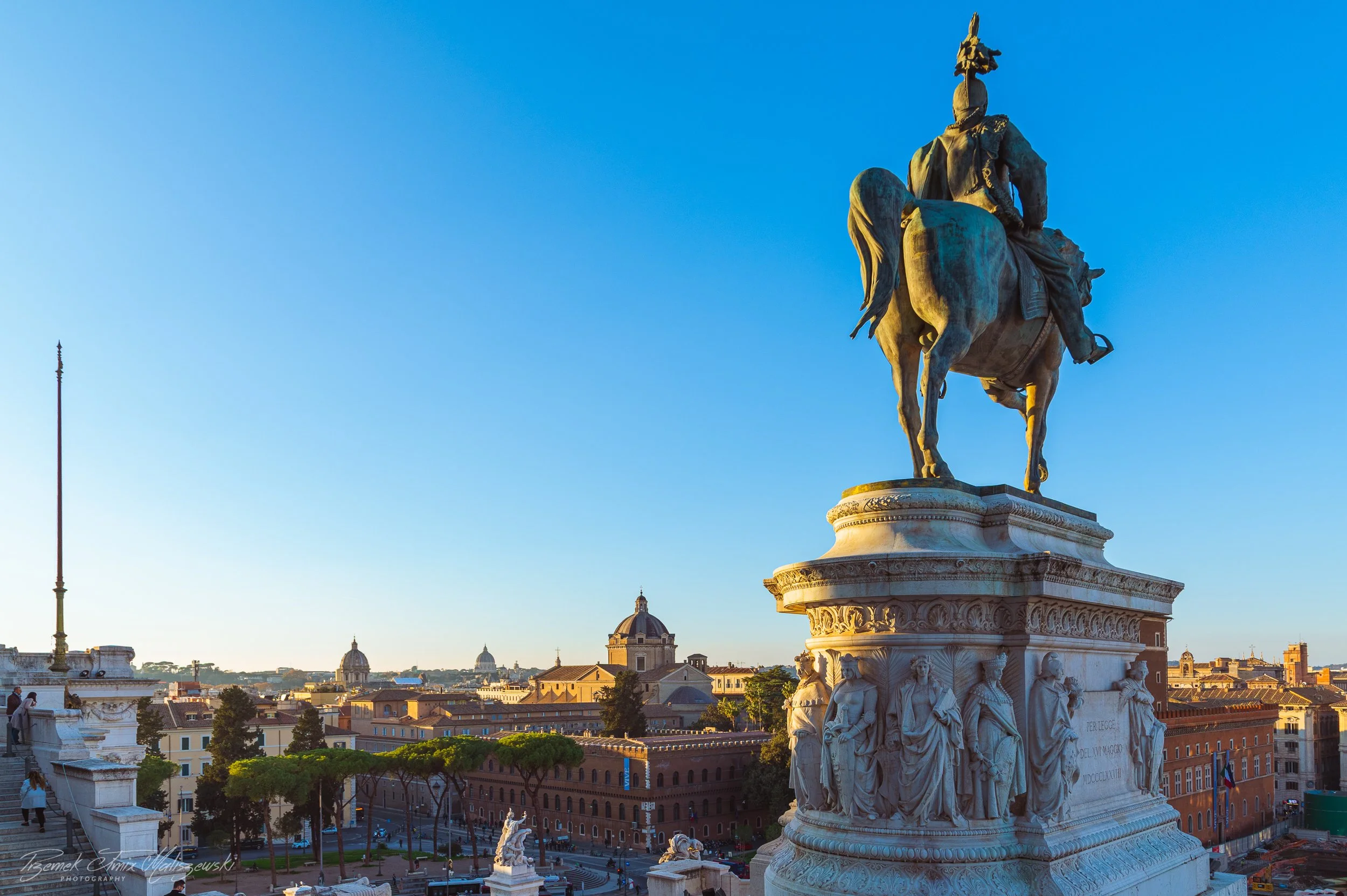
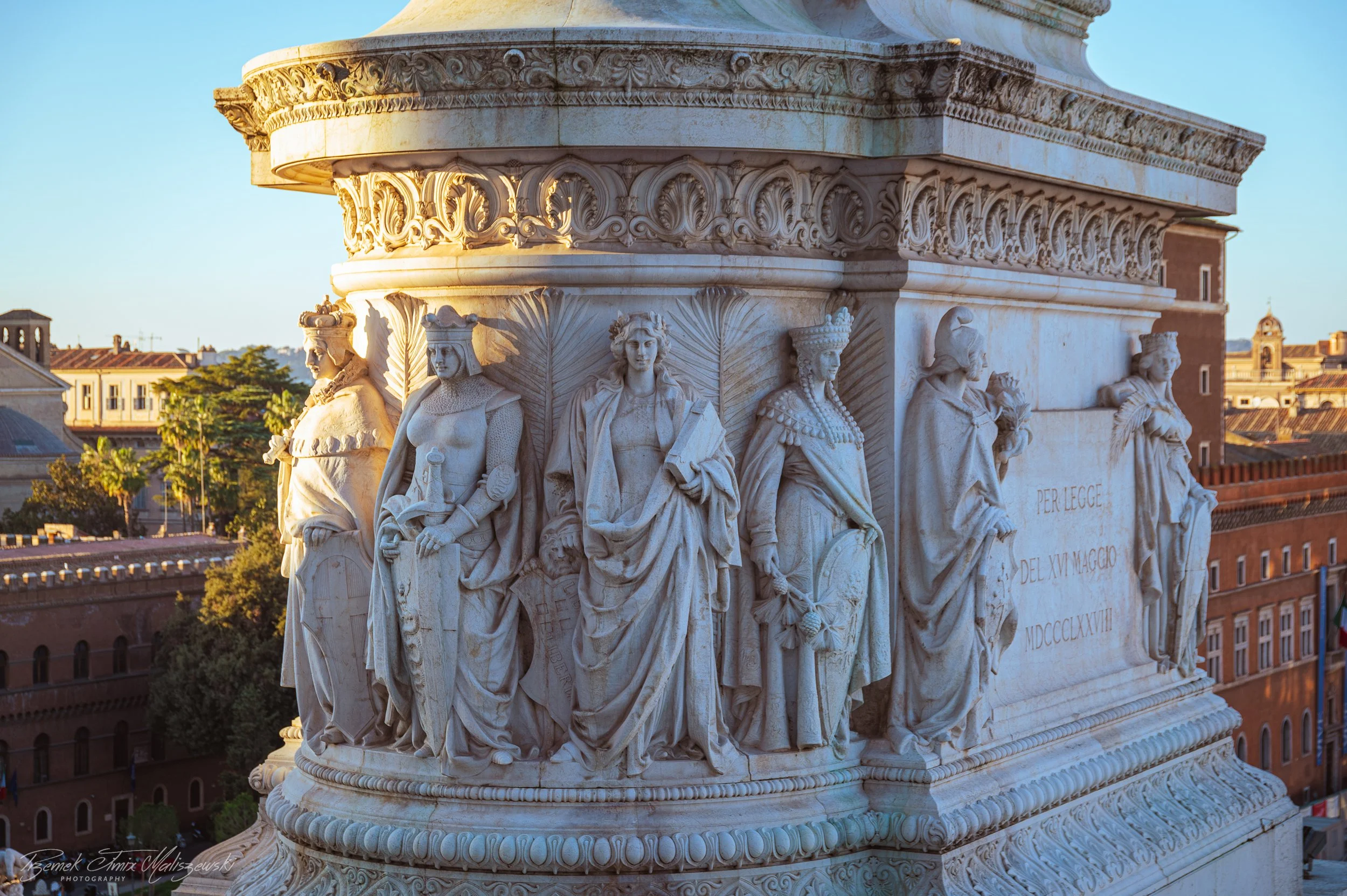
The view west from the roof of the Altare della Patria.
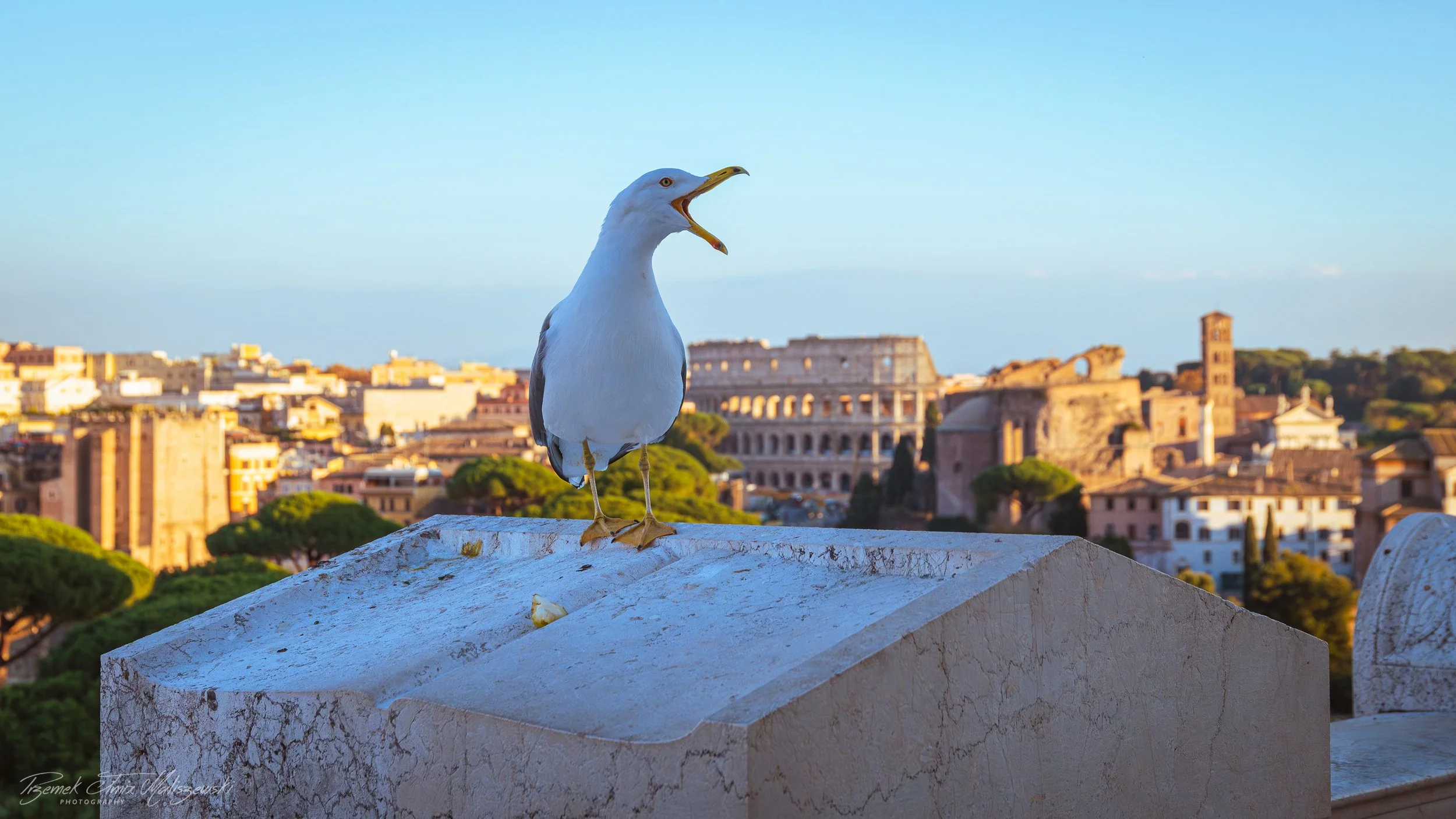
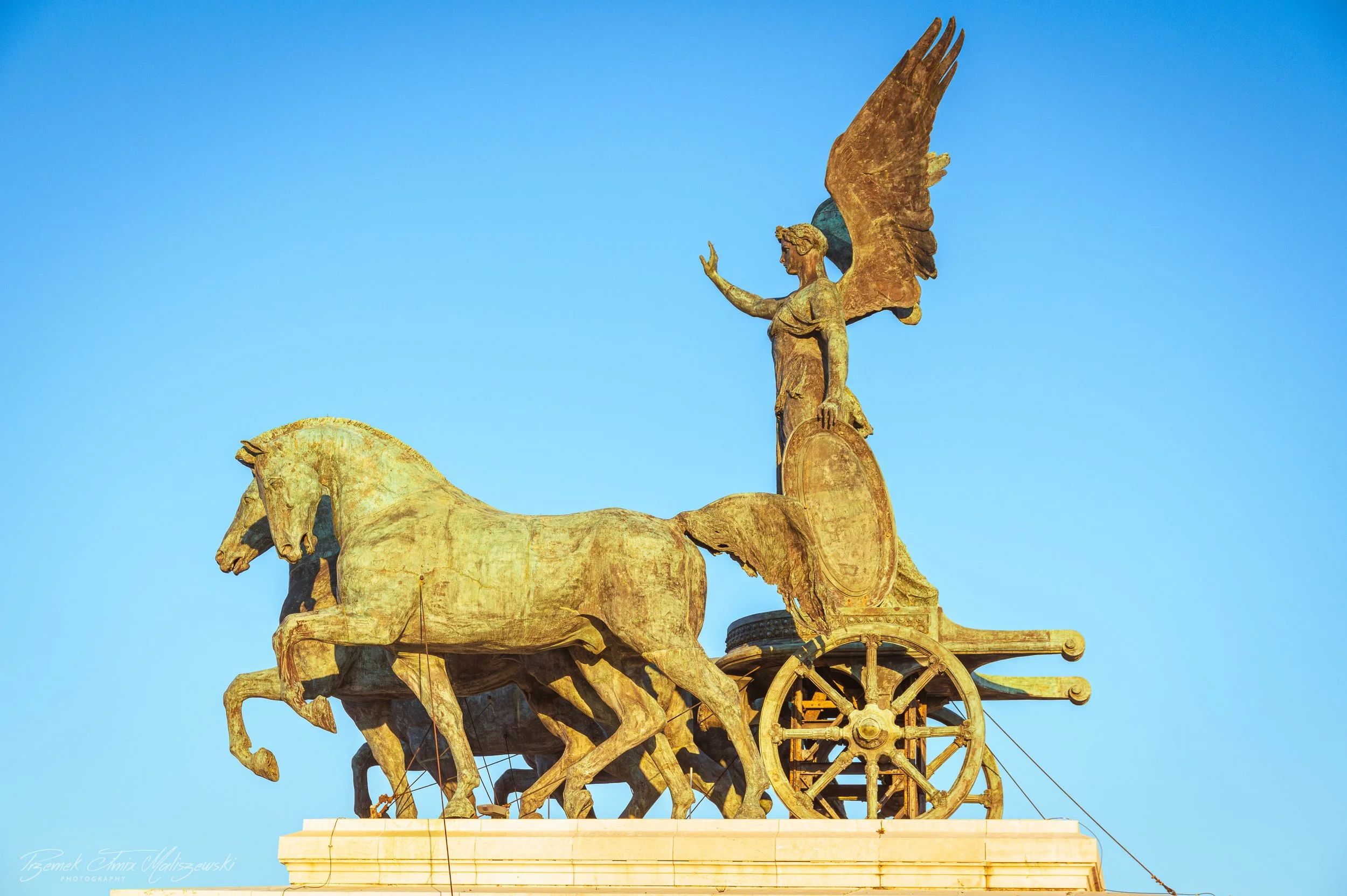
From the roof of the Altar of the Fatherland, as I’ve already mentioned, stretches a breathtaking panorama of all Rome. You take an elevator to the very top and can spend as much time there as your heart desires. On one side, the Colosseum; on the other, the Vatican. The old and the new. This historical transition from one culture to another, from one faith to the next, possesses a certain visual coherence, and that coherence is architecture.
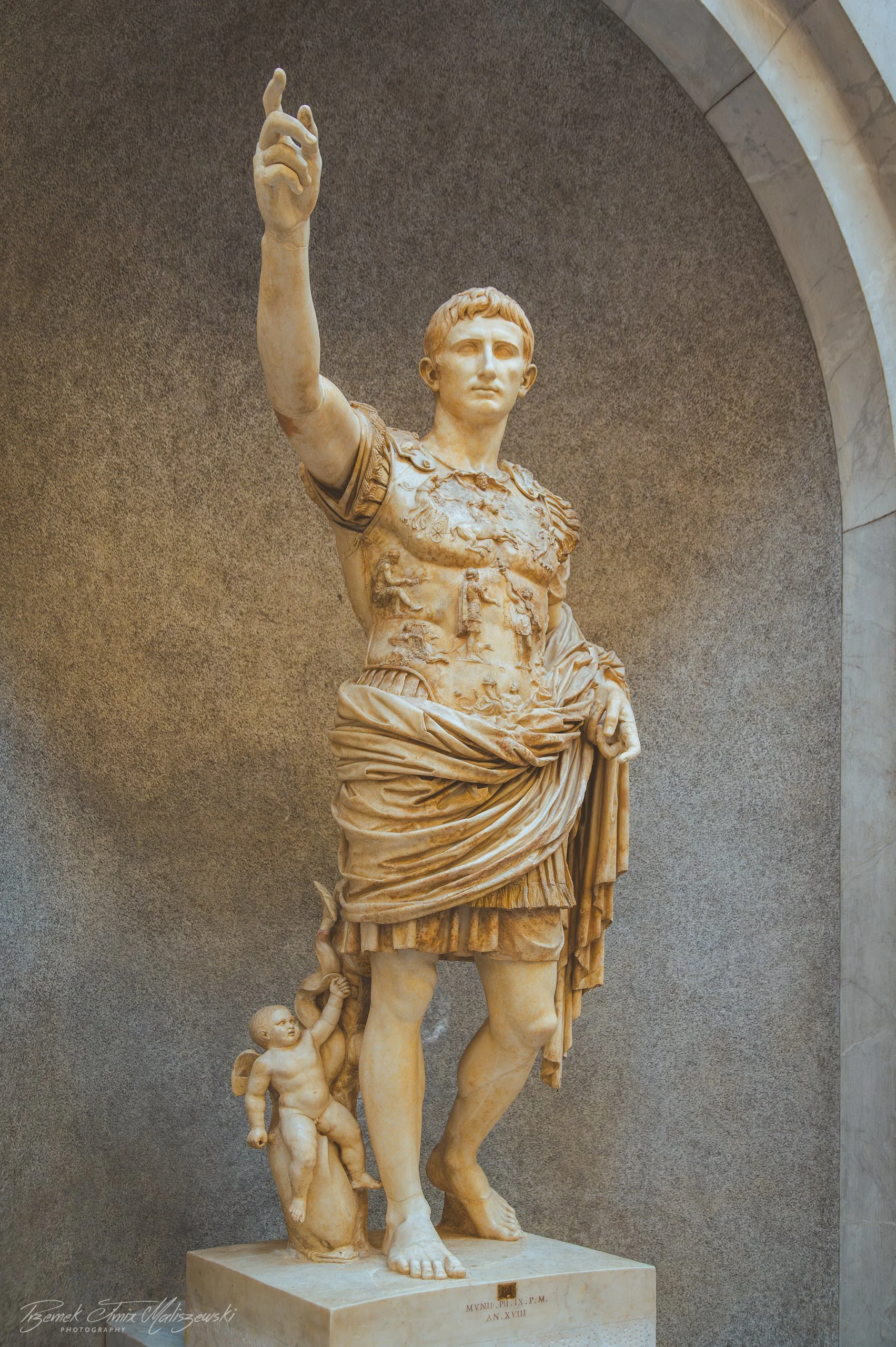
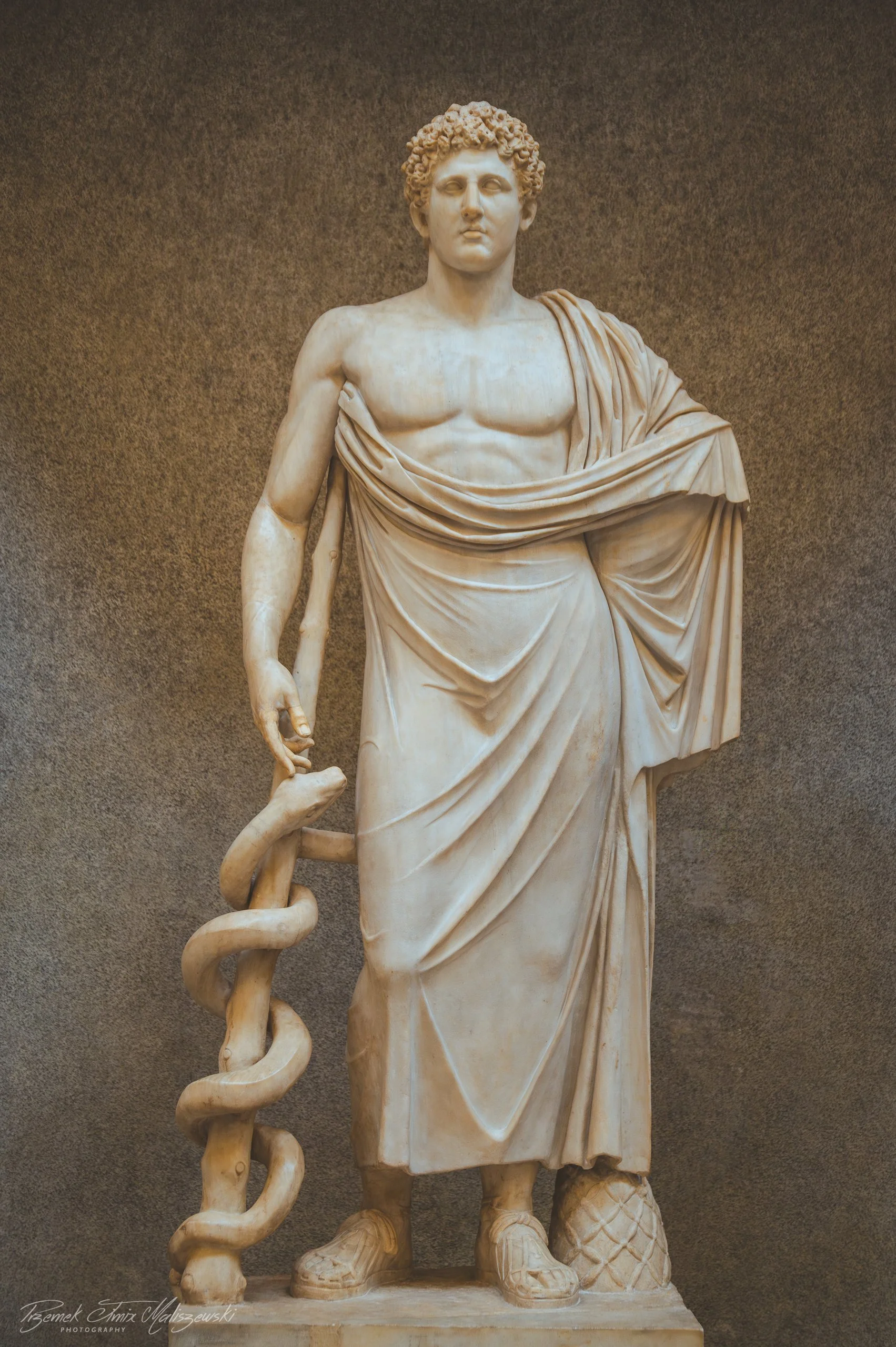
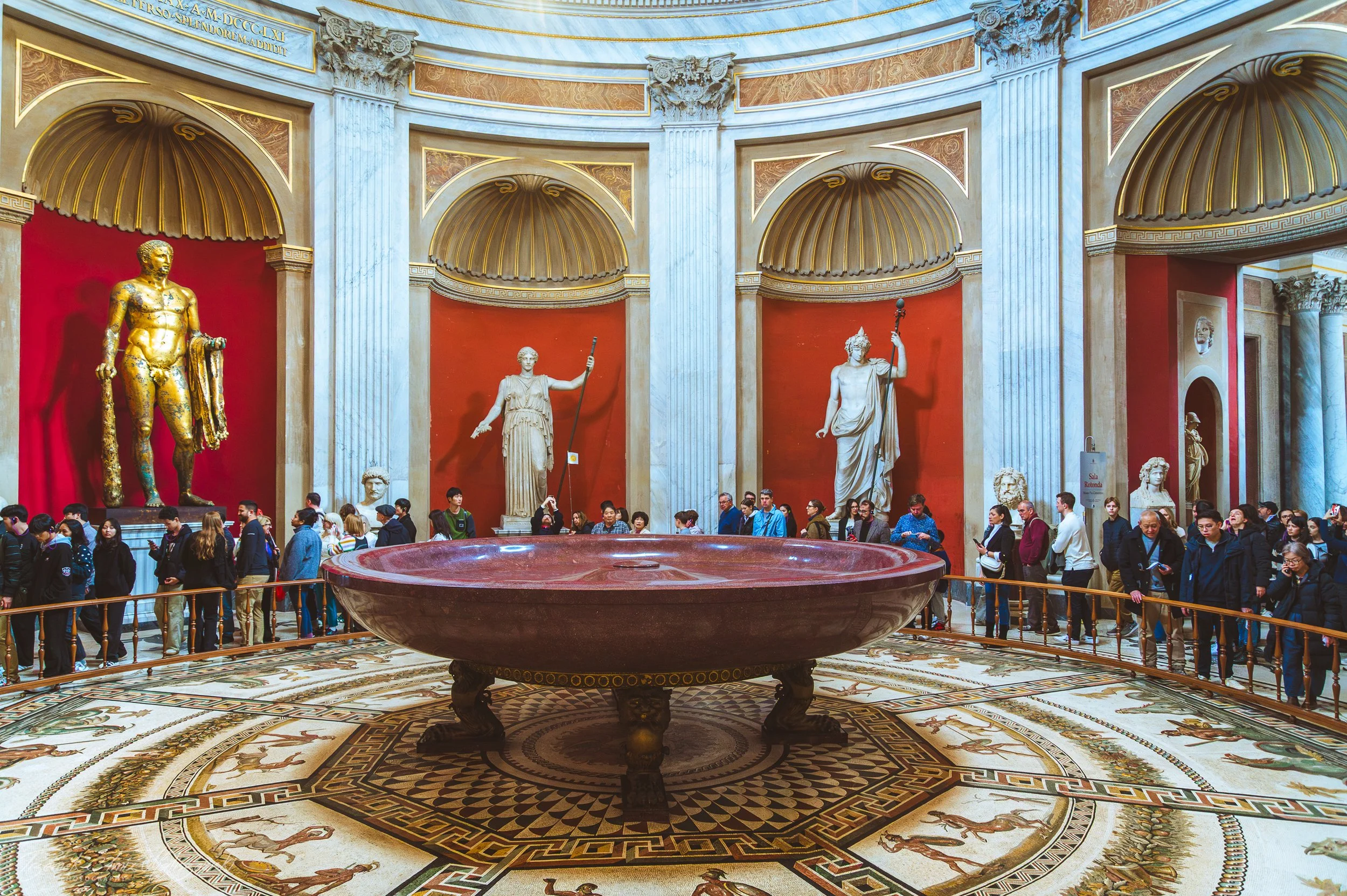
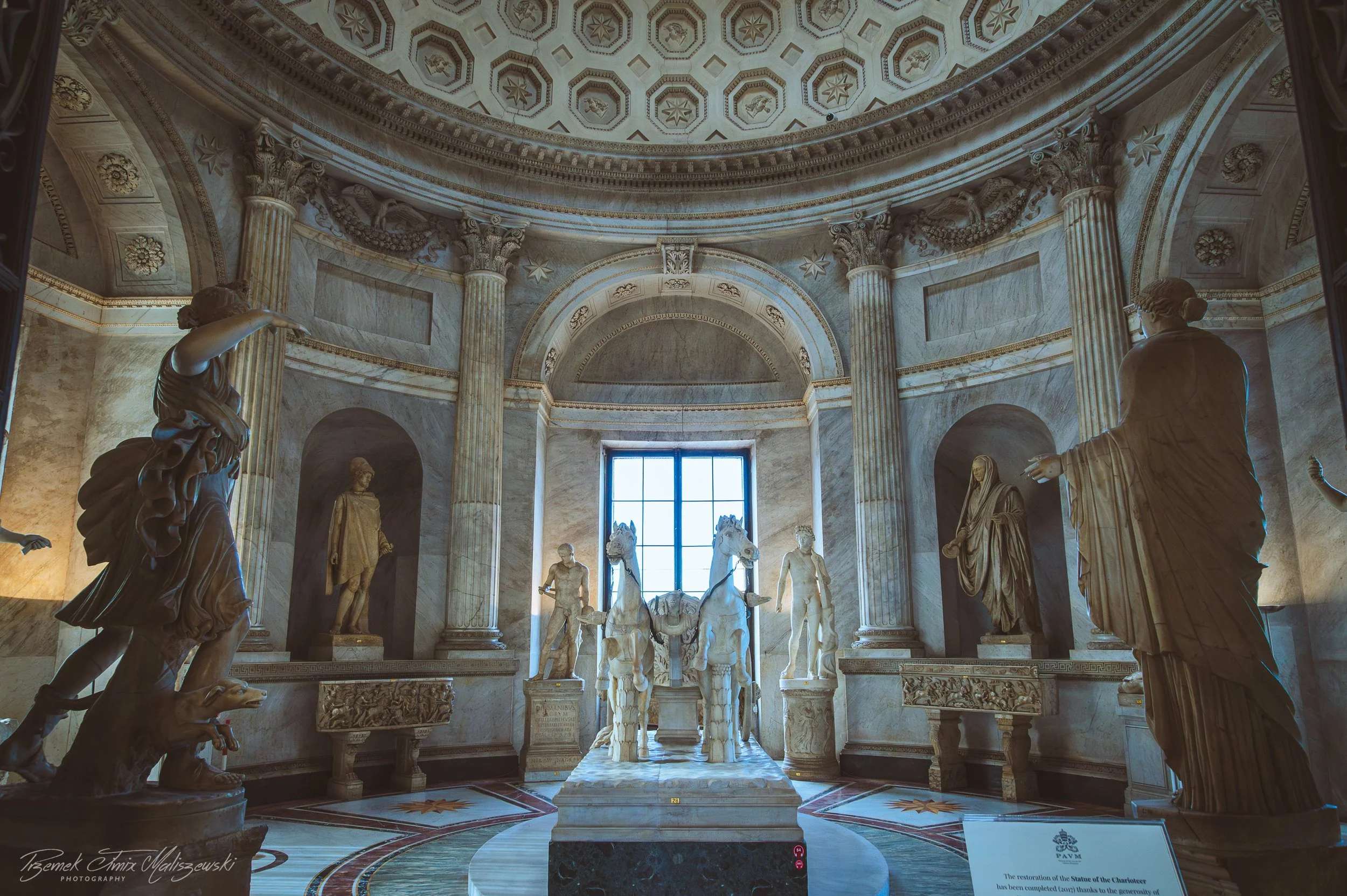
Ancient Rome is present in every detail of St. Peter’s Basilica, and statues and busts of Roman rulers, along with depictions of figures from Roman mythology, are displayed today in staggering numbers within the Vatican Museums. The old has passed into the new—or rather, the former into the latter. The conclusion remains the same: design has triumphed over religion.
View from the roof of Altare della Patria facing southeast, overlooking Foro Romano (right), Via dei Fori Imperiali, and il Colosseo.
Of course, I’d be lying if I said I was only interested in Rome and antiquity, and not in the 44 hectares carved out from its heart for another state—the Vatican. The Vatican, St. Peter’s Basilica, the Vatican Museums, and St. Peter’s Square itself are a 'must-have' for most tourists visiting Rome. 'To be in Rome and not see the Pope?' we ask rhetorically.
Actually seeing the Pope can be hit or miss, as it depends on the schedule of our stay—which is often just a few days long. It might also happen that the vescovo di Roma (Bishop of Rome) isn't in Rome at all during that time, or perhaps even out of Italy entirely. It’s worth checking the official Vatican website, where you can see if, for example, the Angelus prayer will take place this coming Sunday at noon. You can also register for a General Audience, held either in St. Peter’s Square or inside the Basilica itself.
The Swiss Guard at the Vatican.
However, we didn’t plan on participating in the audiences led by the Pope Leo XIV (we’ve set that aside for our next visit to Rome, which I’ll cover in a future blog post); instead, we focused on seeing the exhibitions in the Vatican Museums and visiting the Basilica, its roof, and Piazza San Pietro.
It is easy to overlook the fact that the Vatican is a sovereign state. Some might say it is merely a tiny shadow of its former self. Its current form is indeed the result of centuries of political, religious, and cultural transformations, which have led to it being an enclave today—not just within another country, but within a city.
Maderno Fountain (by Carlo Maderno) in the rays of the afternoon sun. St. Peter’s Basilica in the background.
The Popes used to reside at the Lateran, and the residence was moved to the Vatican in 1377, during the pontificate of Gregory XI. Since then, the Vatican has become a sort of command center for both the Church and the Patrimonium Sancti Petri (literally 'St. Peter’s Patrimony'), or the Papal States.
This state existed for exactly 1,114 years, until 1870, when the multi-year process of Italian unification—known as the Risorgimento ('resurgence' or 'rebirth')—culminated in the form we know today. Italy, with Rome as its capital, formally became the liquidator of the Papal State—a state that had its own army, frequently used mercenaries and foreign military aid, waged wars, and collected taxes.
The Italy we know is a young country. Let me remind you once more: formal unification took place in 1870, effectively the end of the 19th century. Even the USA—whose youth is often cited by citizens of older, smaller nations as a reason to bolster their own egos—is older as an independent state.
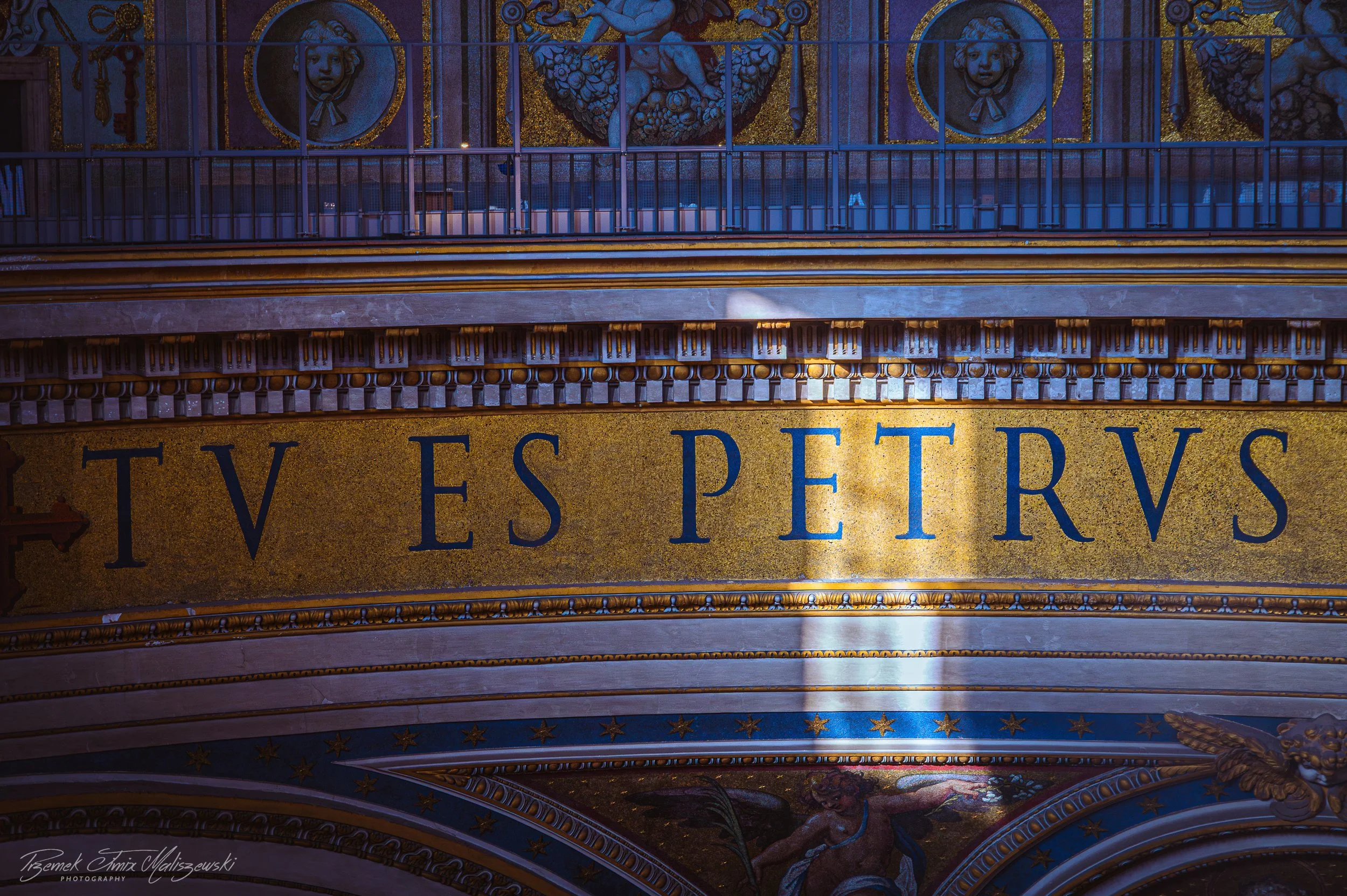
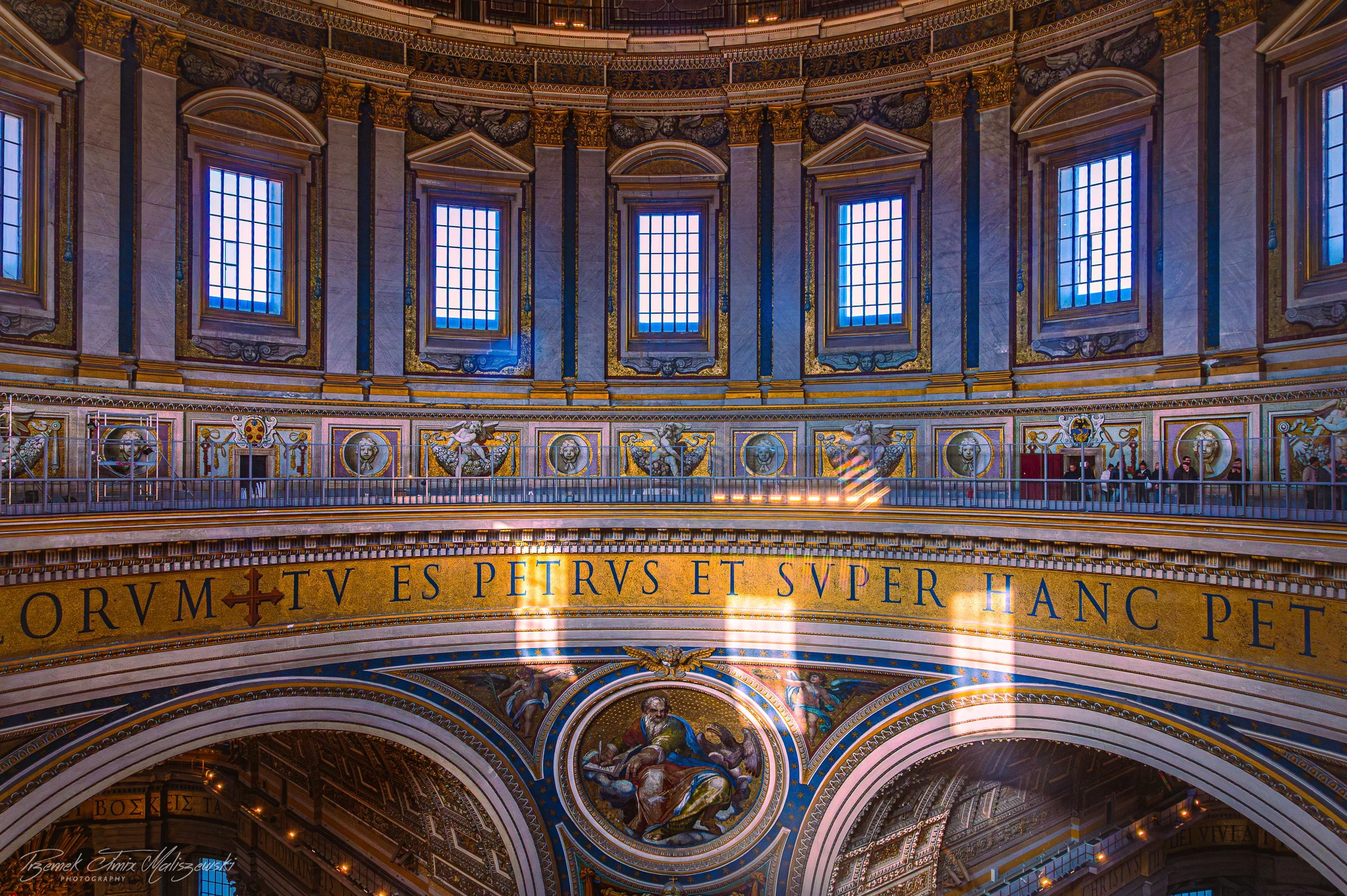
"'TU ES PETRUS' – 'You are Peter [the Rock]' – a fragment of the mosaic encircling the base of the drum of St. Peter’s Basilica's dome. The letters are approximately 2 meters (6 ft) high.
Unification Day is celebrated in Italy on September 20th. It was on this very day that the bersaglieri troops stormed Rome through a breach in the Aurelian Walls near one of the city gates, Porta Pia. This is also where John Hooper begins his excellent book The Italians, which I highly recommend as a must-read for anyone who loves Italy.
Returning to the Vatican: from the moment of Italian unification and the liquidation of the Papal State (pardon me—'St. Peter’s Patrimony'), the territory designated for the head of the Church was restricted to these 44 hectares on the left bank of the Tiber. The Popes became 'prisoners in the Vatican.' Seriously. That is how they described themselves. This particular brand of 'self-flagellation' only ended in 1929, following the signing of the Lateran Treaty between the Holy See and Mussolini’s Italy, which established the sovereign Vatican City State.
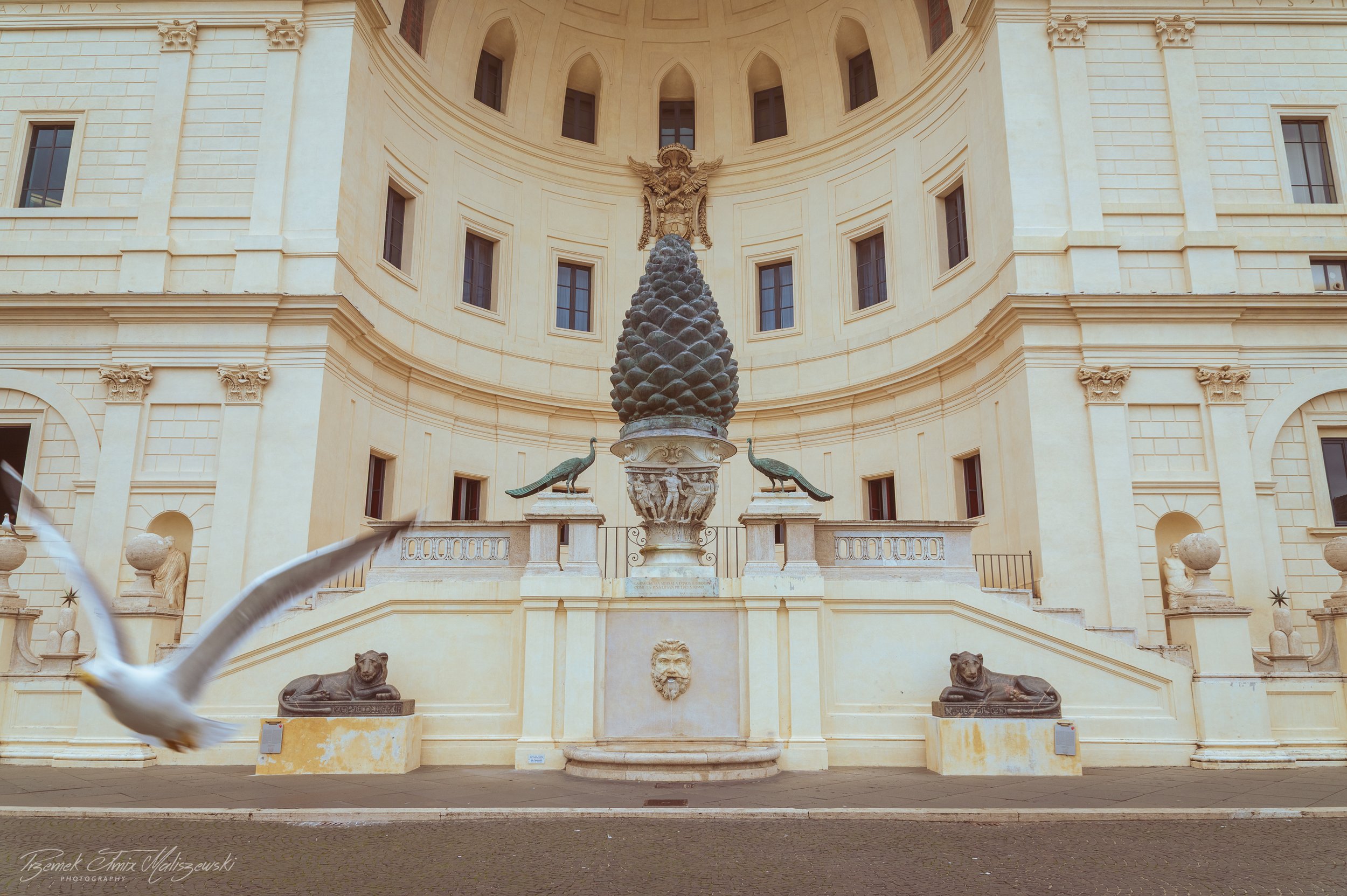
The coat of arms of Pope Innocent X (Giovanni Battista Pamphili), who held office from 1644 to 1655, located above the main entrance to the Basilica.
Ah, the Vatican! There is something about this place that is hard to put into words. A certain energy, a kind of magnet. I have been there four times now, and I still want to go back. Perhaps it is the effect of scale—it is unimaginable for someone who has never personally experienced the Vatican, and yet it remains immense even for those who have. It is a place so rich historically, spiritually, and visually; so dense with symbolism and so burdened as the focal point of the Roman Catholic religion, that it is truly difficult to mentally grasp it all during a first visit. It is indeed an almost gravitational pull, which Romans call grandezza. It is not merely a matter of faith, but rather this overwhelming accumulation of beauty and history on such a tiny patch of earth.
View of the dome of St. Peter’s Basilica from the terrace of the Vatican Museums.
After passing through the security checkpoint nestled under the canopy of Bernini’s colonnade, I head along the walls of the Apostolic Palace toward the Basilica. Even from this distance, it makes a staggering impression. Its façade is so massive and tall that the dome is no longer visible. The size of the façade's columns is hypnotic. I tilt my head further and further back, gazing with admiration at the elements of architectural order, proportion, and elegance 'gifted' to us by the ancients. The Corinthian capitals—mighty and, in places, intricately openwork—arouse my wonder. I walk up the steps to the very entrance, treading on the travertine slabs where the greatest figures in history once walked.
‘IN HONOREM PRINCIPIS APOST PAULUS V BURGHESIUS ROMANUS PONT MAX AN MDCXII PONT VII' – 'In honor of the Prince of Apostles, Paul V Borghese, a Roman, Supreme Pontiff, in the year 1612, the seventh of his pontificate.
I am deeply moved from within, and a sense of profound emotion washes over me as I stand perfectly aligned with the axis of symmetry of the Basilica. Looking up, I gaze at its most famous balcony—the one from which, every so often, the words 'Annuntio vobis gaudium magnum. Habemus papam!' ring out.
They were spoken on October 16, 1978. For me, a person of the so-called 'JP2 generation,' this is a singular moment. Just as one of my personal stories once came full circle under the Arch of Titus, I now find something deeply personal and extraordinary in this small yet momentous instant.
I imagine myself at just eight months old, while here, in this exact spot, tens of thousands of people are gathered. There is an atmosphere of electric anticipation, just moments after the crowds in the Piazza saw the fumata bianca (white smoke) rising from the chimney of the Sistine Chapel. The cameras of every television station in the world are trained on this square, on this balcony I am looking at now, the balcony which every now and again becomes the most important stage of all.
And just as I do when standing in the Colosseum, imagining the ancient games, here too I visualize the atmosphere. I hear the shouts, the applause, the singing; I hear the journalists and the bells—the final confirmation that a new Pope has been chosen. The bells fall silent, the doors of the Hall of Blessings swing open, and onto the Central Loggia steps Cardinal Pericle Felici with his attendants. A moment later, he announces urbi et orbi the election of the new Bishop of Rome.
The Loggia of Blessings. This is where the newly elected Popes appear for the first time following a conclave.
Standing there and imagining it all, I truly get goosebumps. It is grounding—overwhelmingly so. This is something truly monumental. And it all happened right here, above my head. I feel a profound sense of gratitude to be here, to look at it all, to soak in everything unfolding before my eyes.
The sheer scale of this form is, on one hand, almost crushing; but on the other, it is fascinating, inspiring a sense of awe that makes one feel small—not just in comparison to the physical dimensions of this place, but also against the backdrop of the centuries of history and events enclosed within it. You simply feel the weight of history here. Almost physically.
This sensation is amplified by the staggering richness of shapes and forms: the textures carved from stone, the ornamentation, the three-dimensionality of the decorations, the spatiality, and the perspectives. One only needs to look at the vaults at the very entrance for the brain to start showing signs of overheating, unable to sensorially grasp the whole. And you already know that it won’t end with just one day or these few hours. It’s impossible. And it’s not about seeing every inch of the walls and ceilings, every sculpture and mosaic. It’s about reaching even a semblance of a state of saturation, or 'grasping' this matter, so that one can say with a clear conscience: I was here, I saw it, and I truly appreciate it.
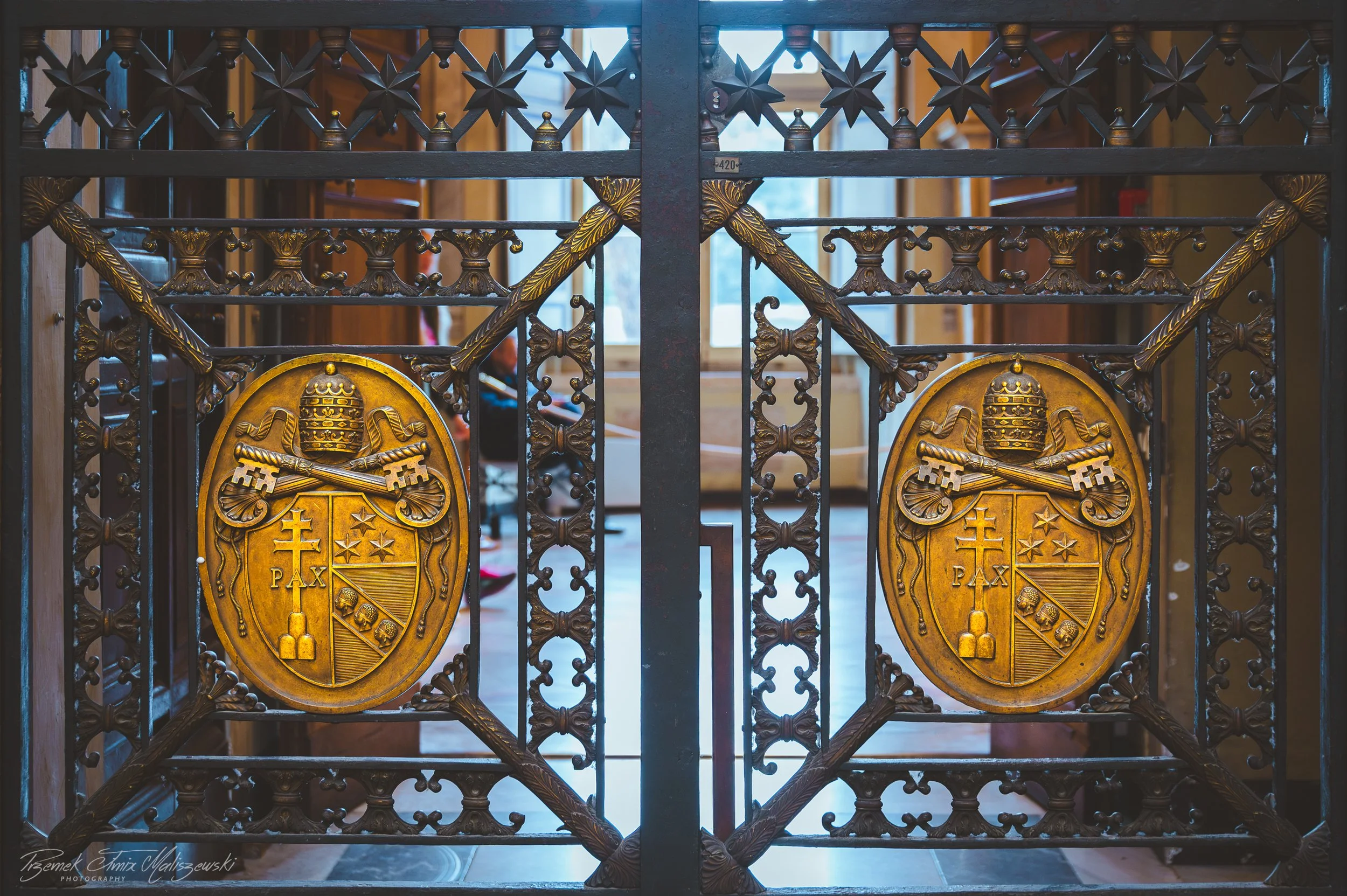
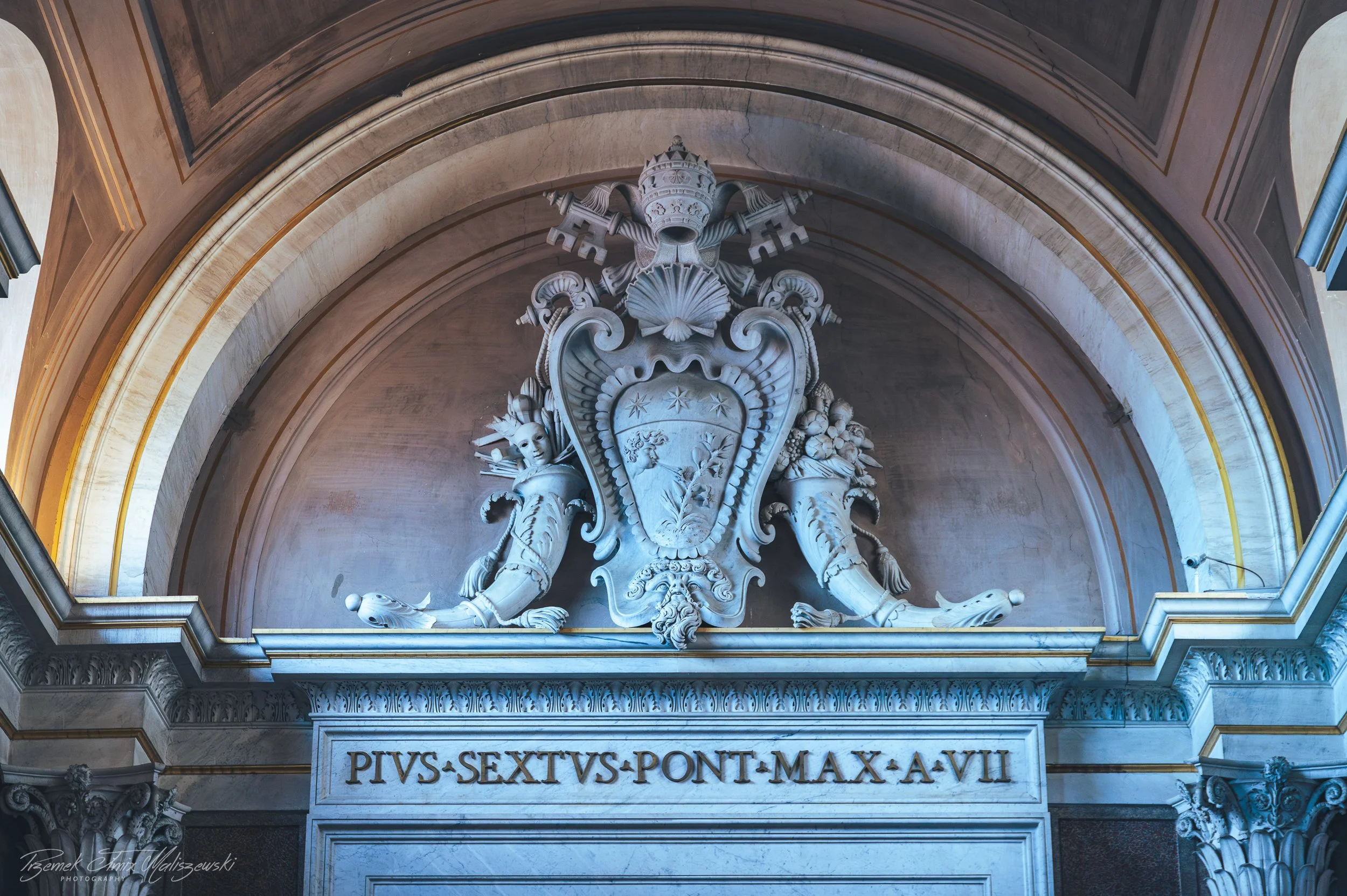
In Rome, at almost every turn, one can spot inscriptions such as: 'PONT MAX', 'P.M', 'P. MAX', or 'PONTIF MAX'. These are often accompanied by a papal coat of arms (each pope has his own, featuring the crossed 'Keys of St. Peter'). These inscriptions are shorthand for Pontifex Maximus, meaning 'Supreme Pontiff' or 'Greatest Bridge-builder.' The etymology of the word pontifex (pons + facere) literally means 'builder of bridges.' In antiquity, this role had a sacred dimension—the priest built a bridge between the world of men and the gods. This title is not exclusive to the leaders of the Catholic Church; Roman Emperors were also designated as 'PONT MAX'. It is fascinating that these inscriptions function like an architectural 'tag.' Wherever you see 'PONT MAX', the state or the Church has marked its presence, financed a construction, or carried out a renovation. This means that while walking through Rome, you aren't just reading street names; you are reading the history of the 'investors' who have shaped this space for over two millennia. These inscriptions appear even on purely technical structures, such as fountains or defensive walls. This demonstrates that in Rome, every 'infrastructure investment' was an opportunity to manifest the majesty of the Supreme Pontiff.
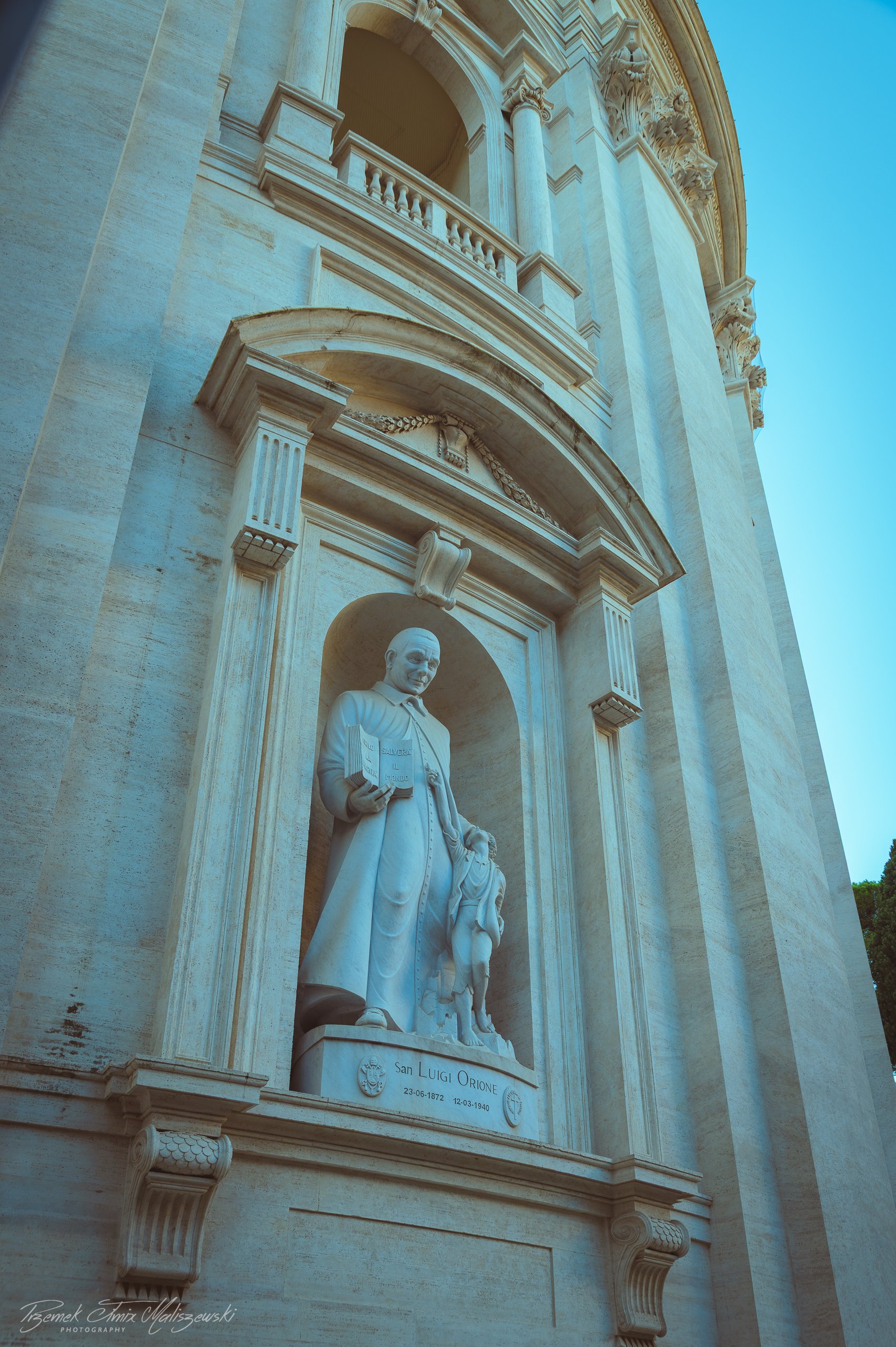
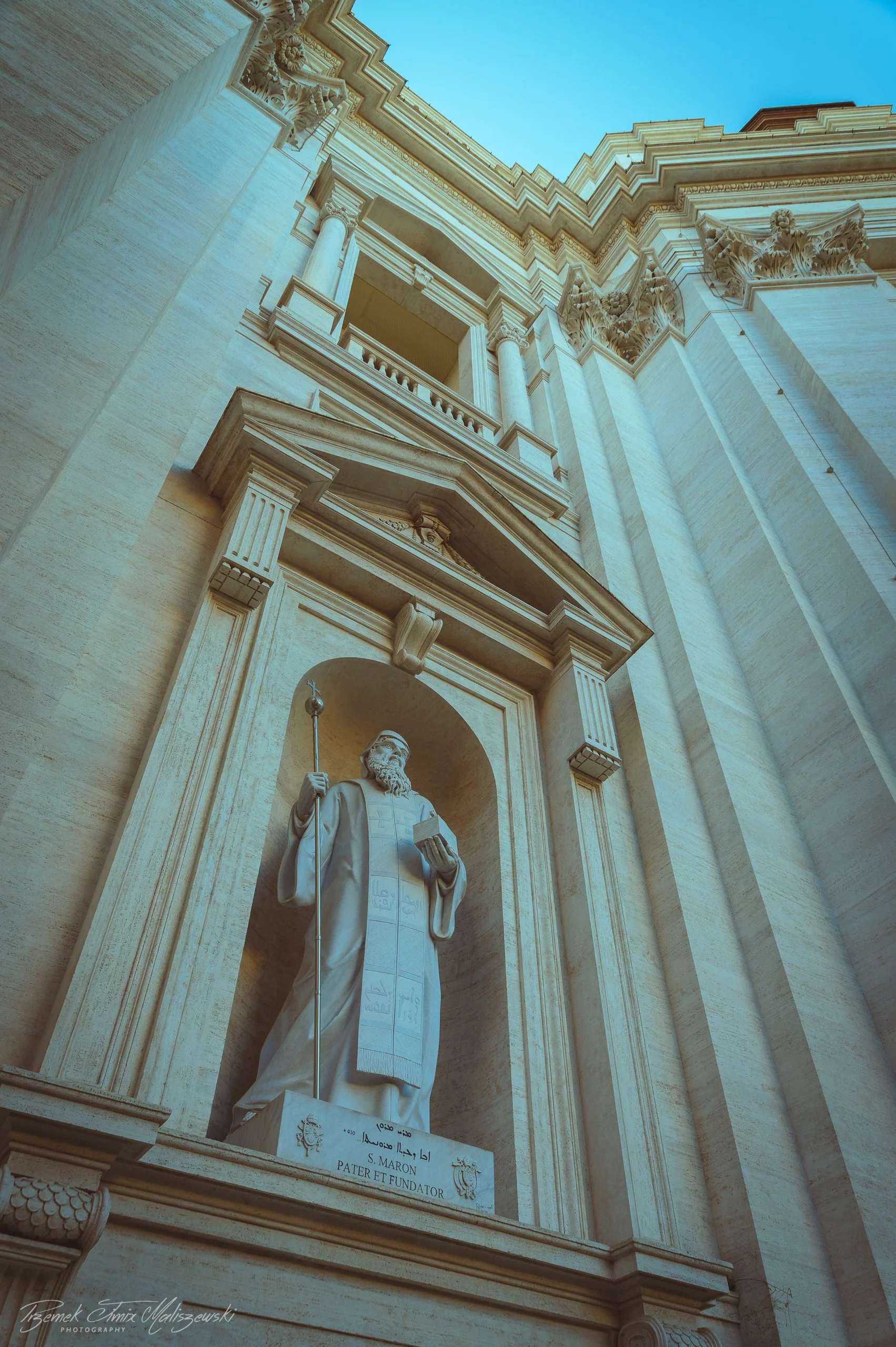
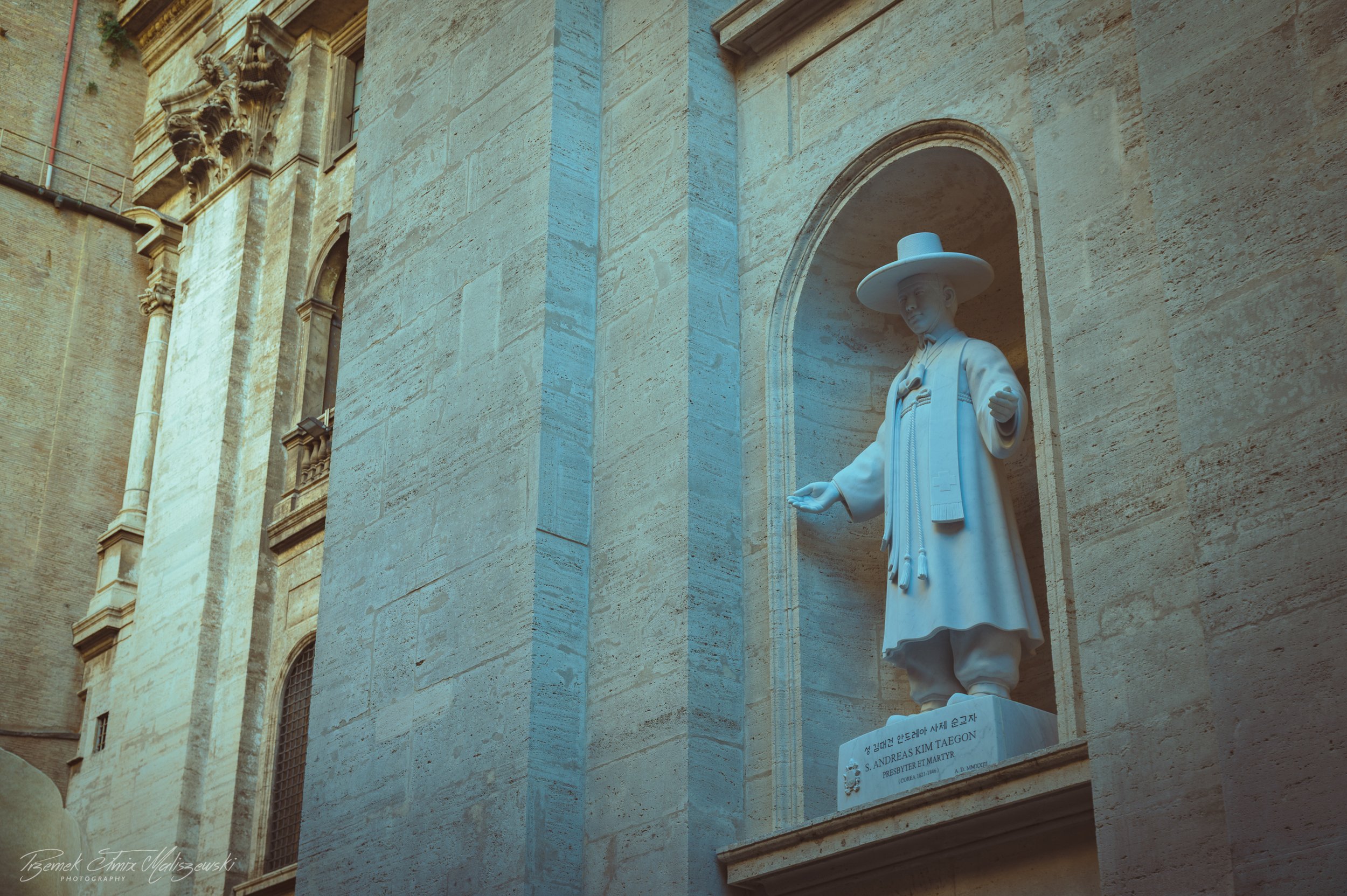
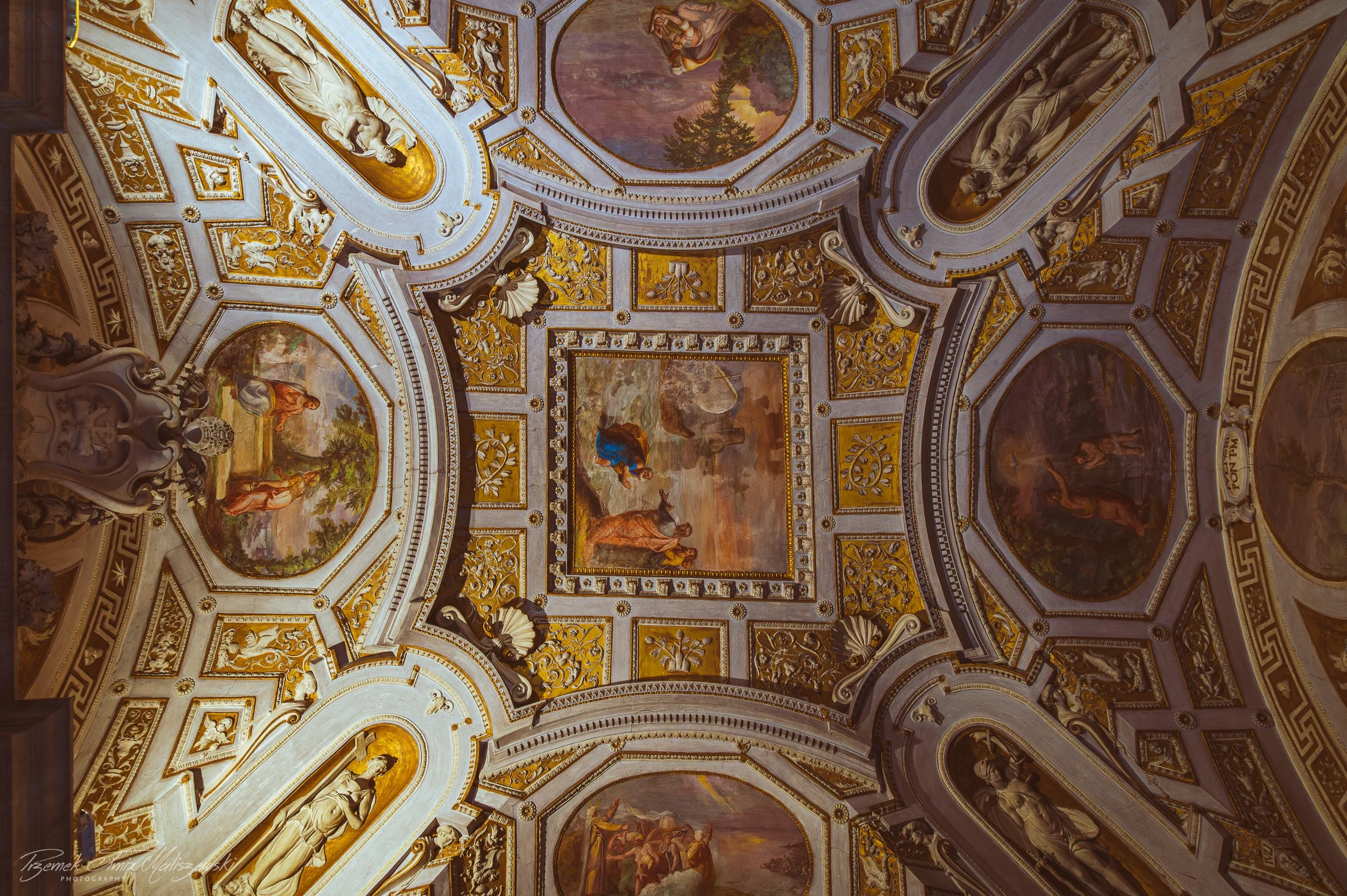
A fragment of the vault in the northern wing of the Basilica's vestibule. The level of detail is staggering.
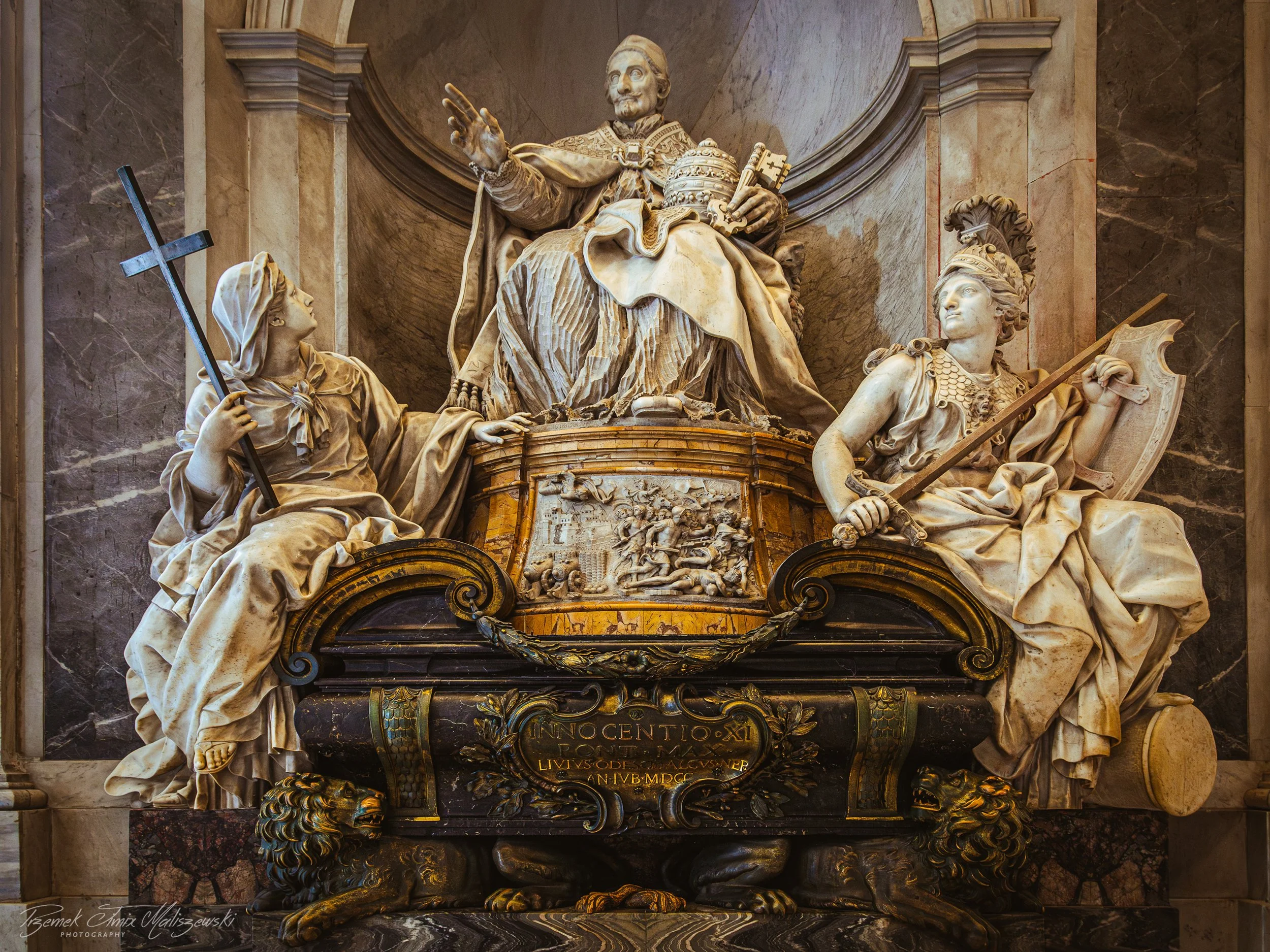
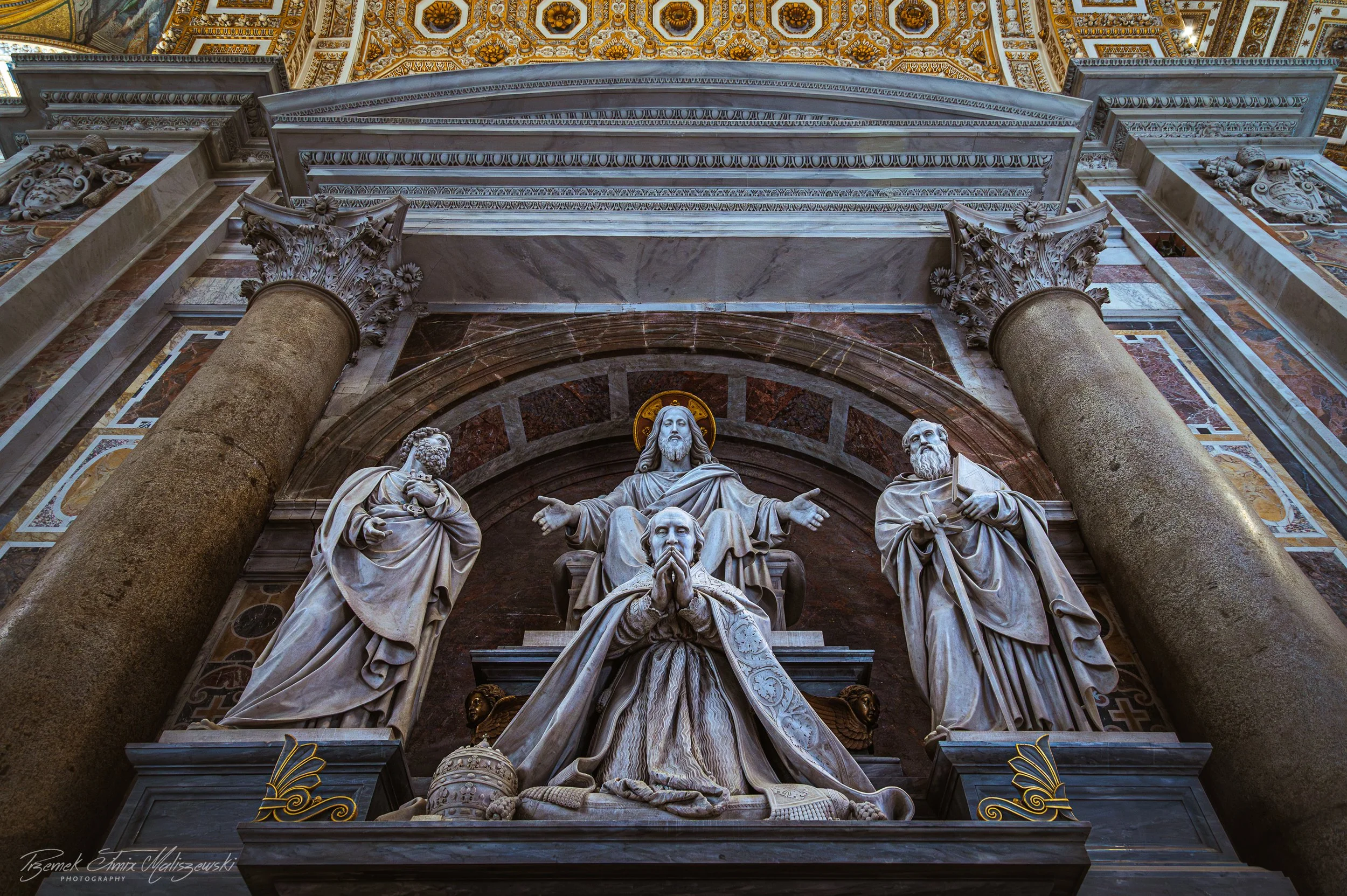
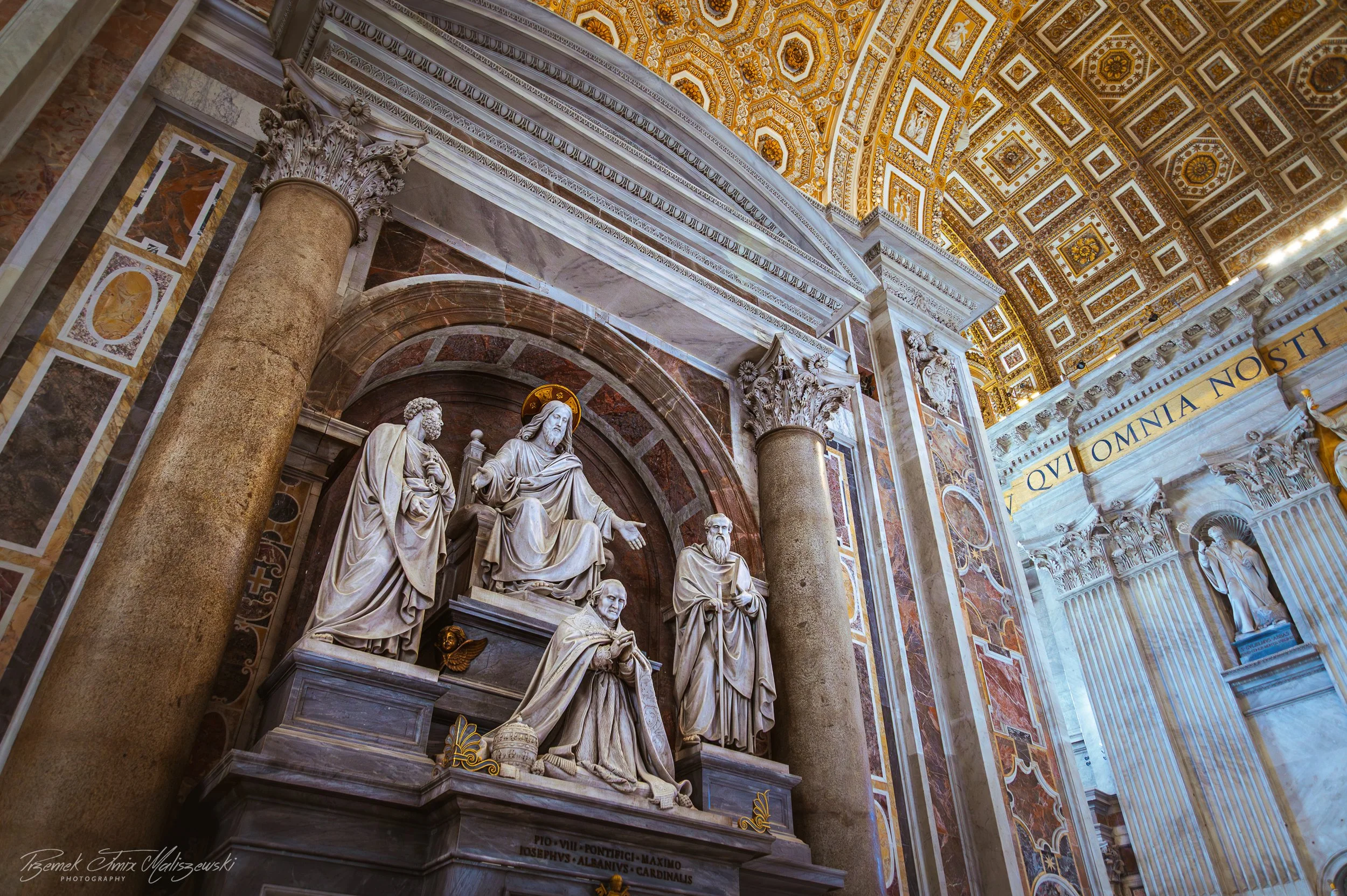
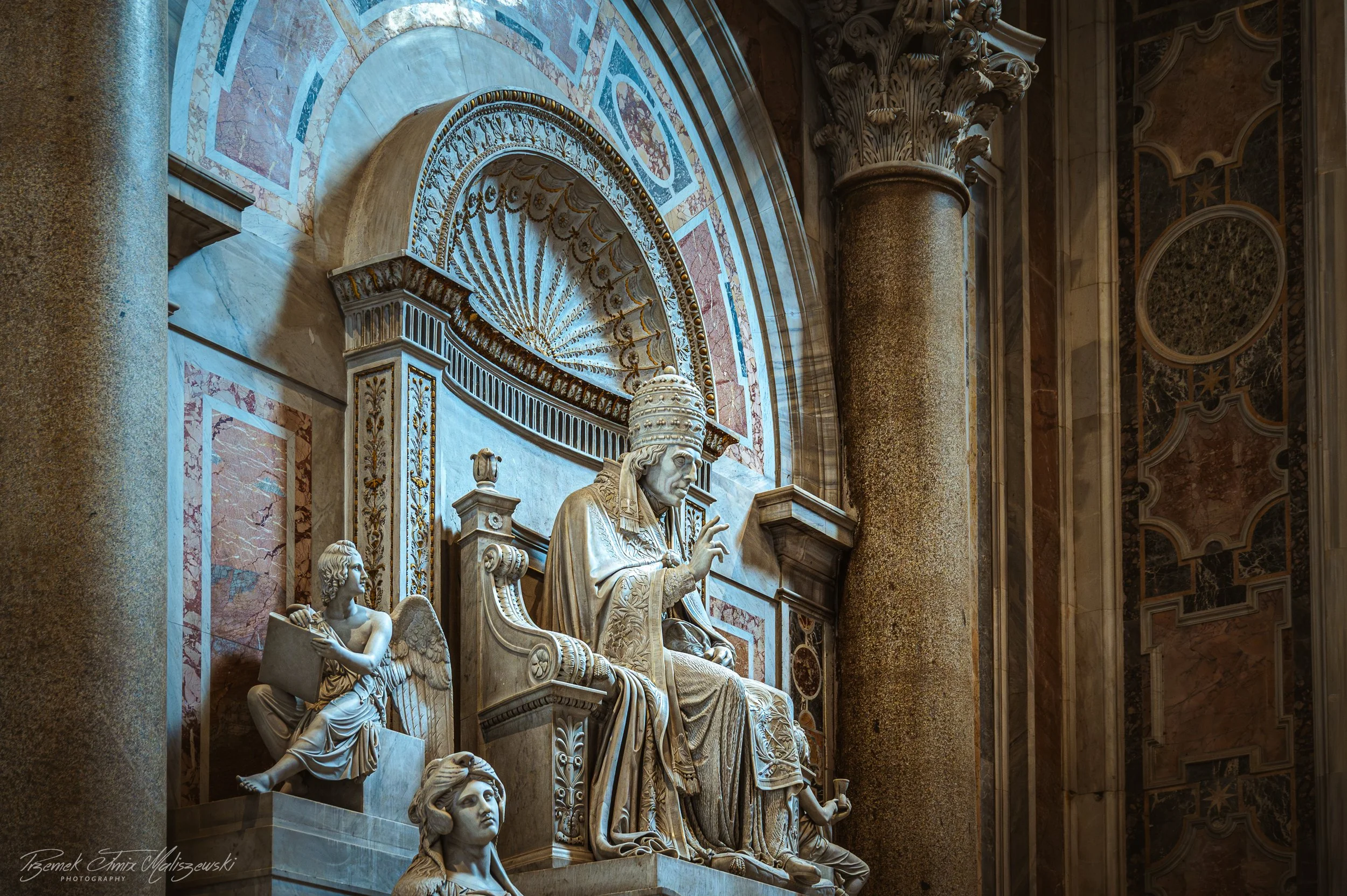
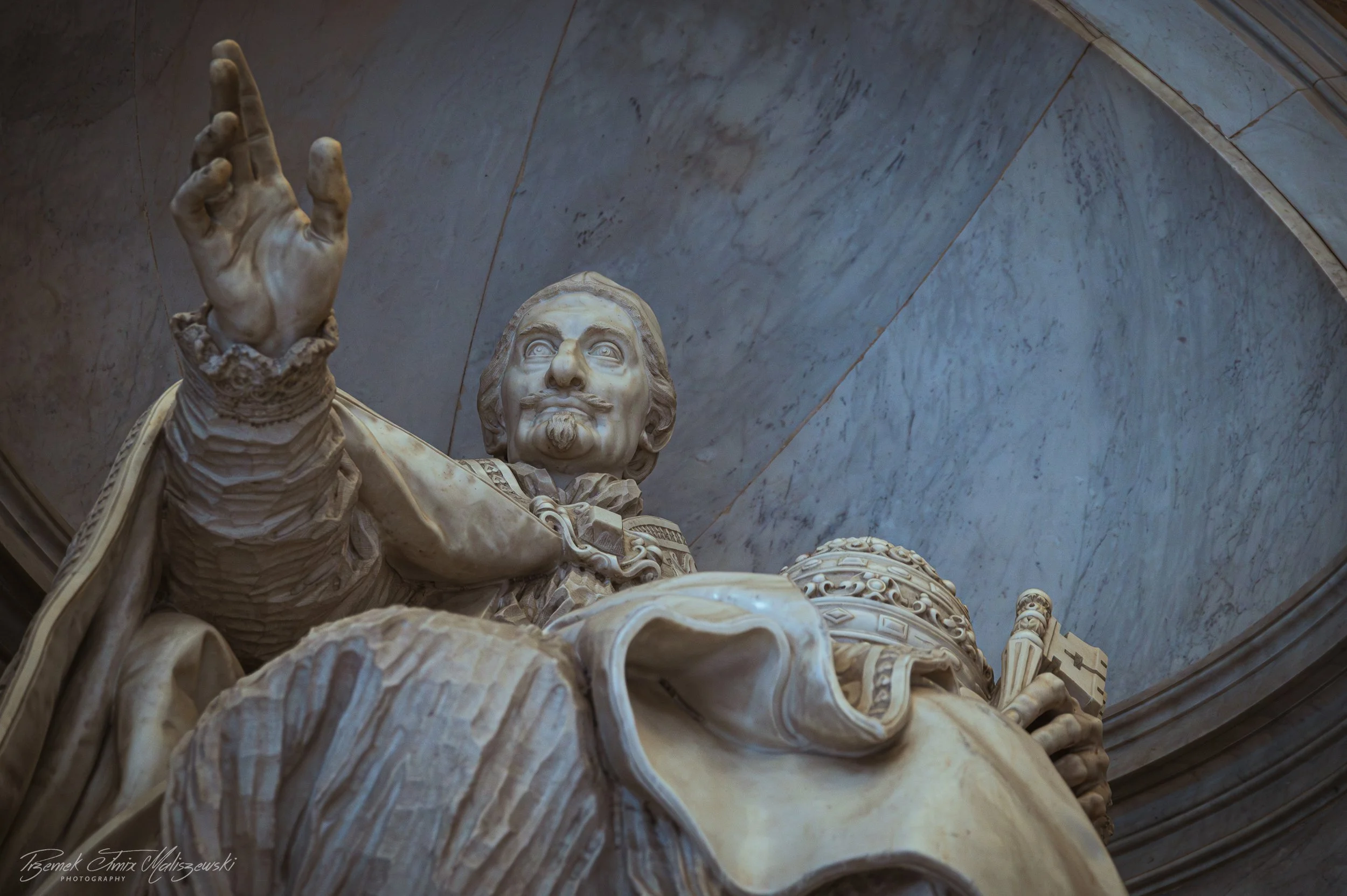
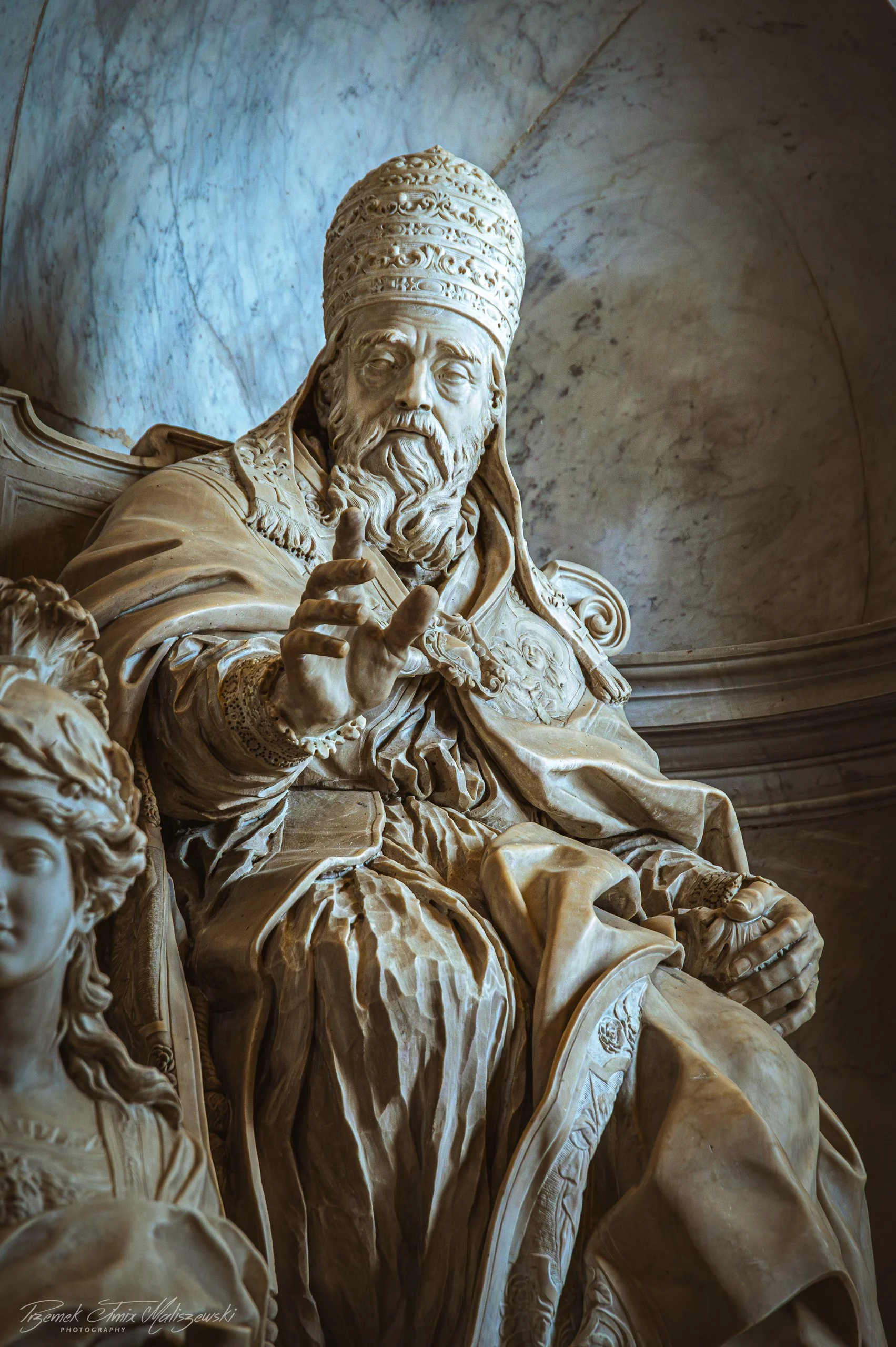
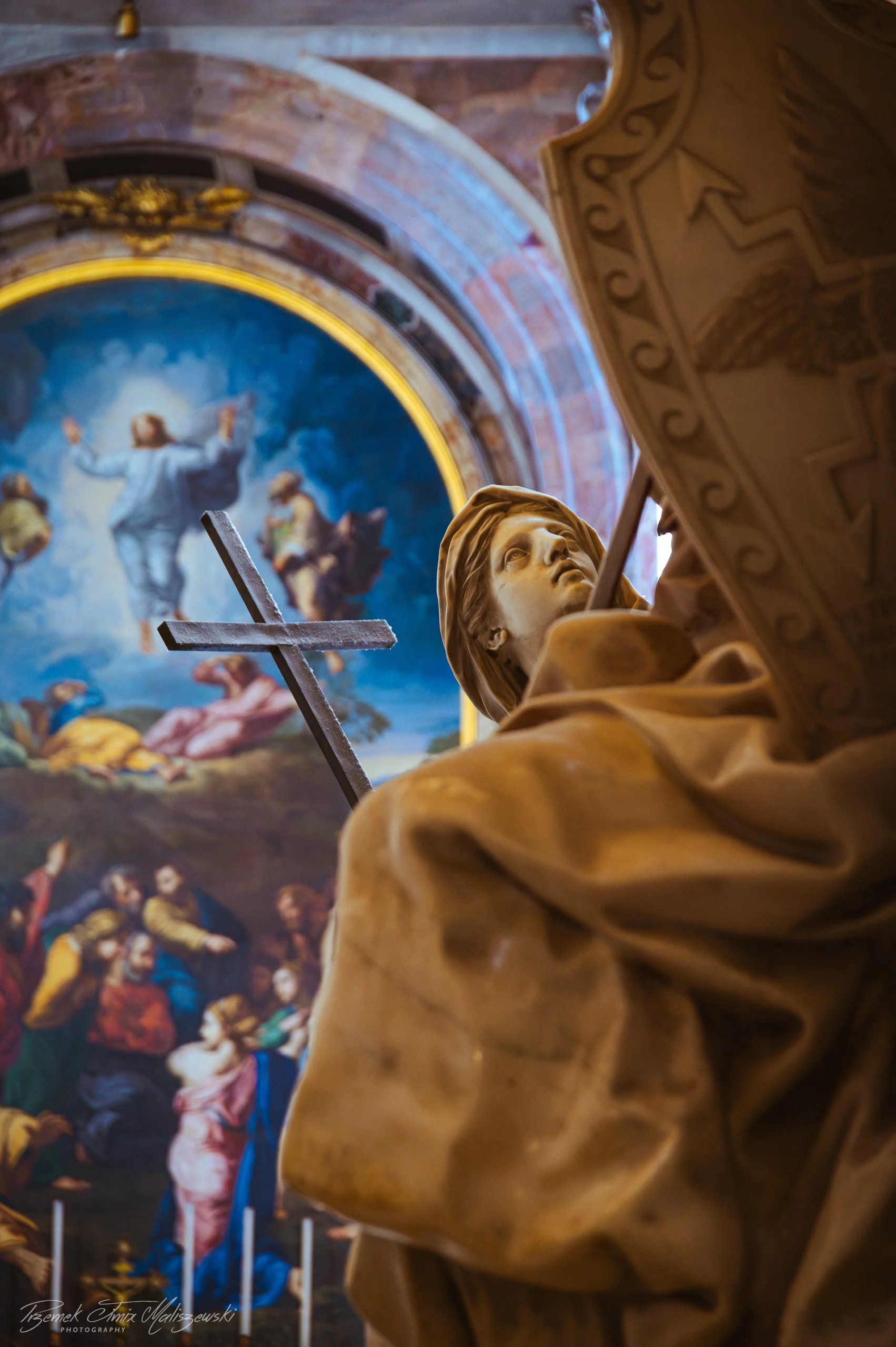
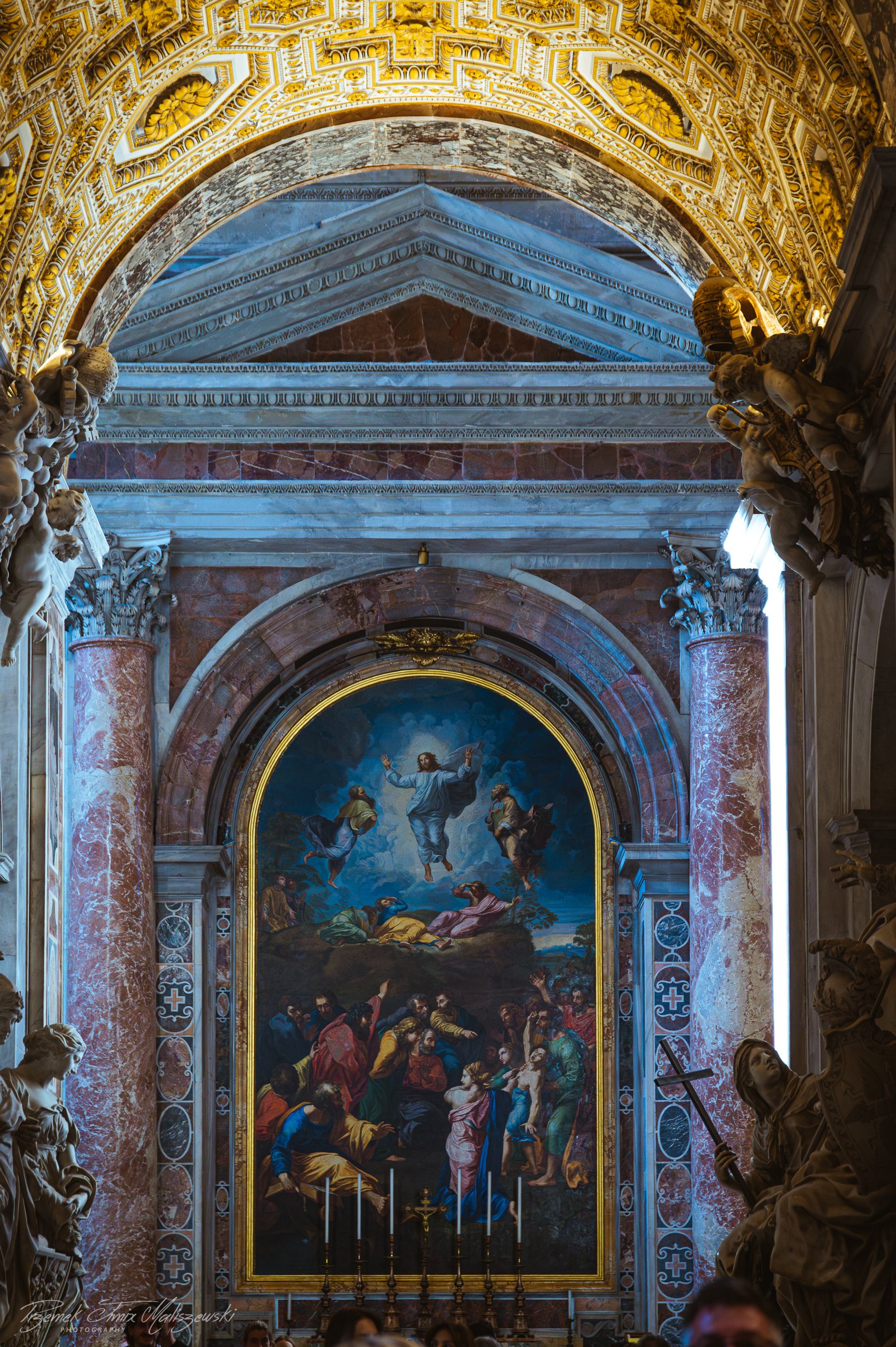
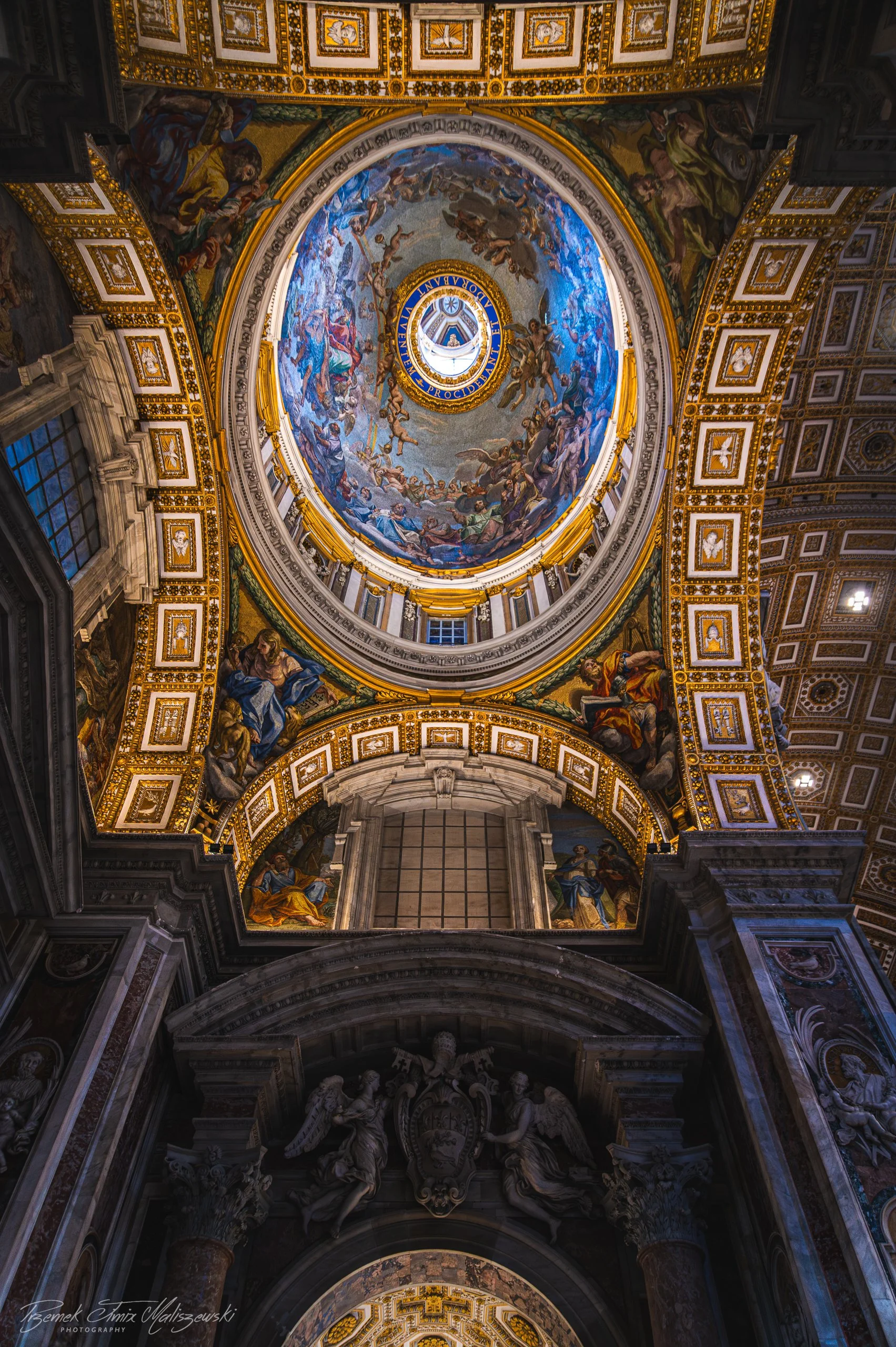
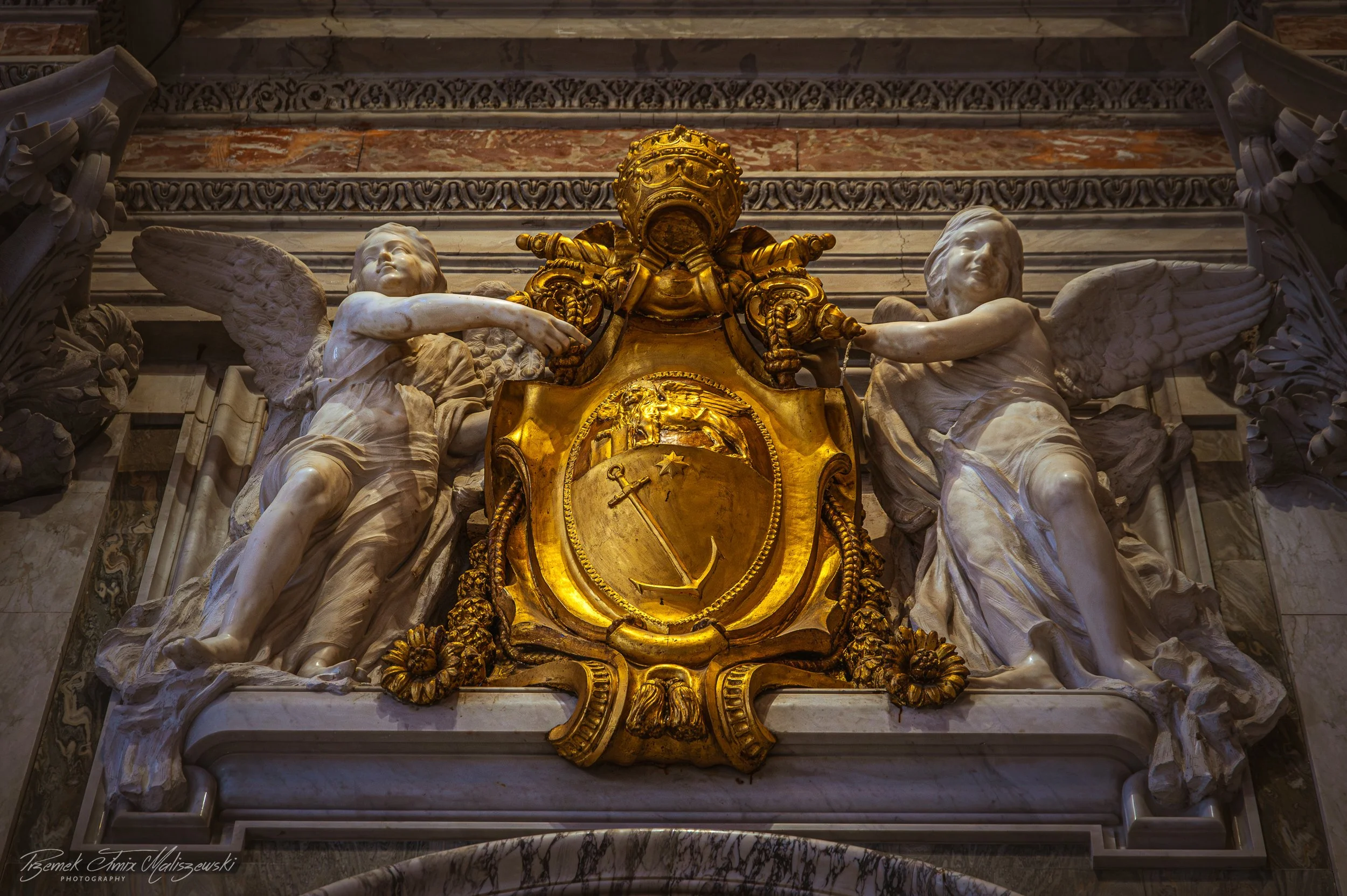
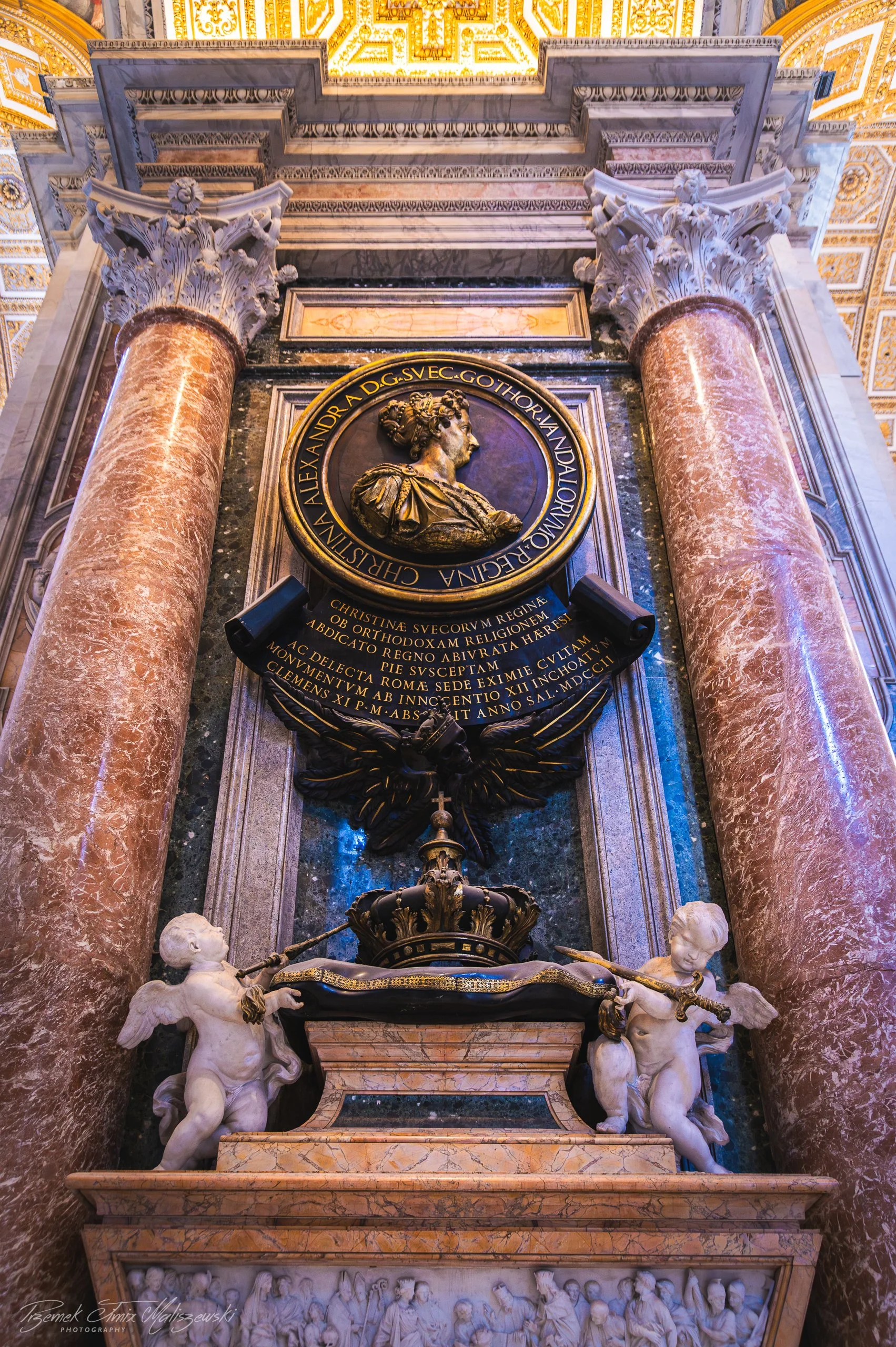
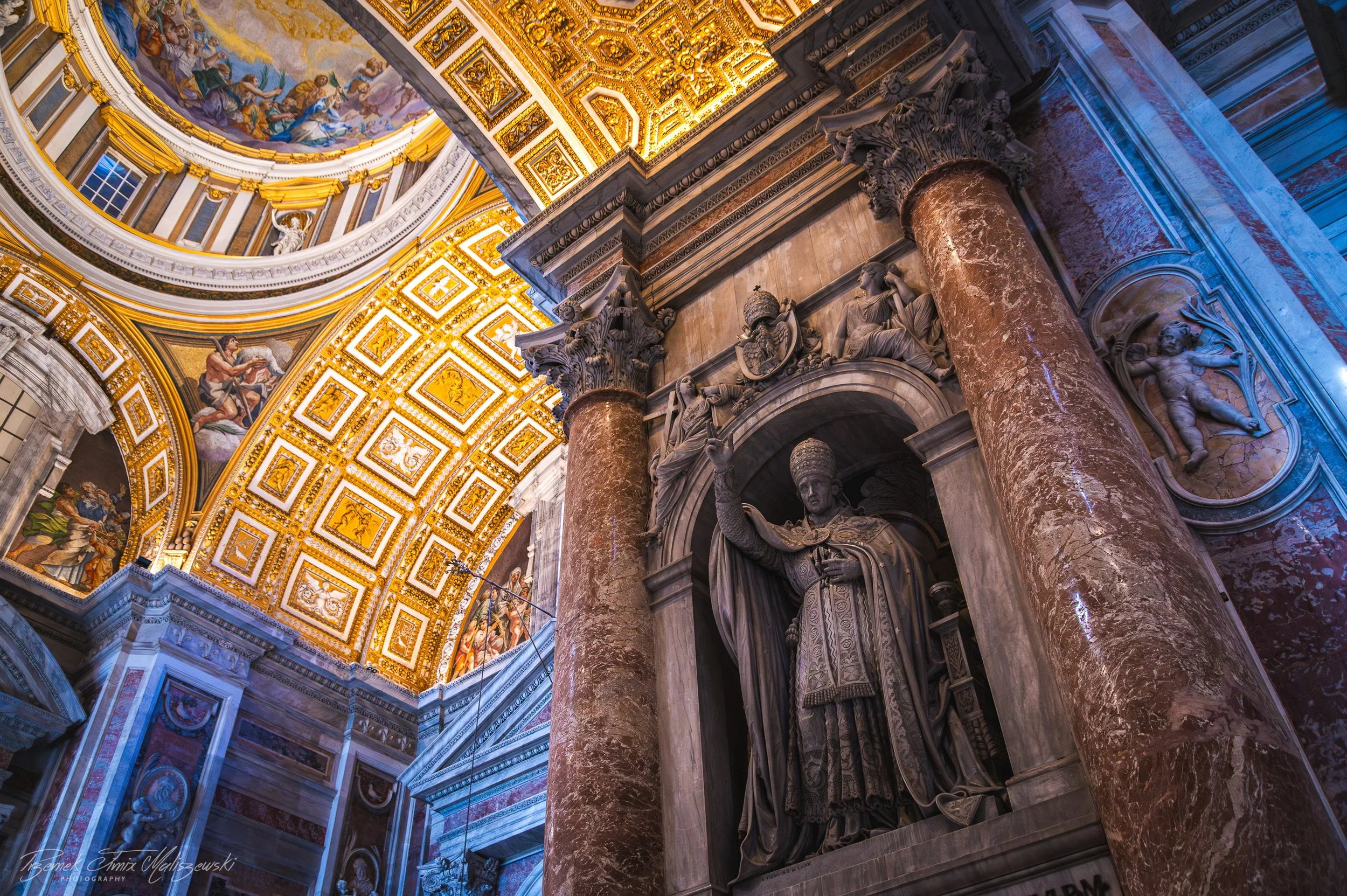
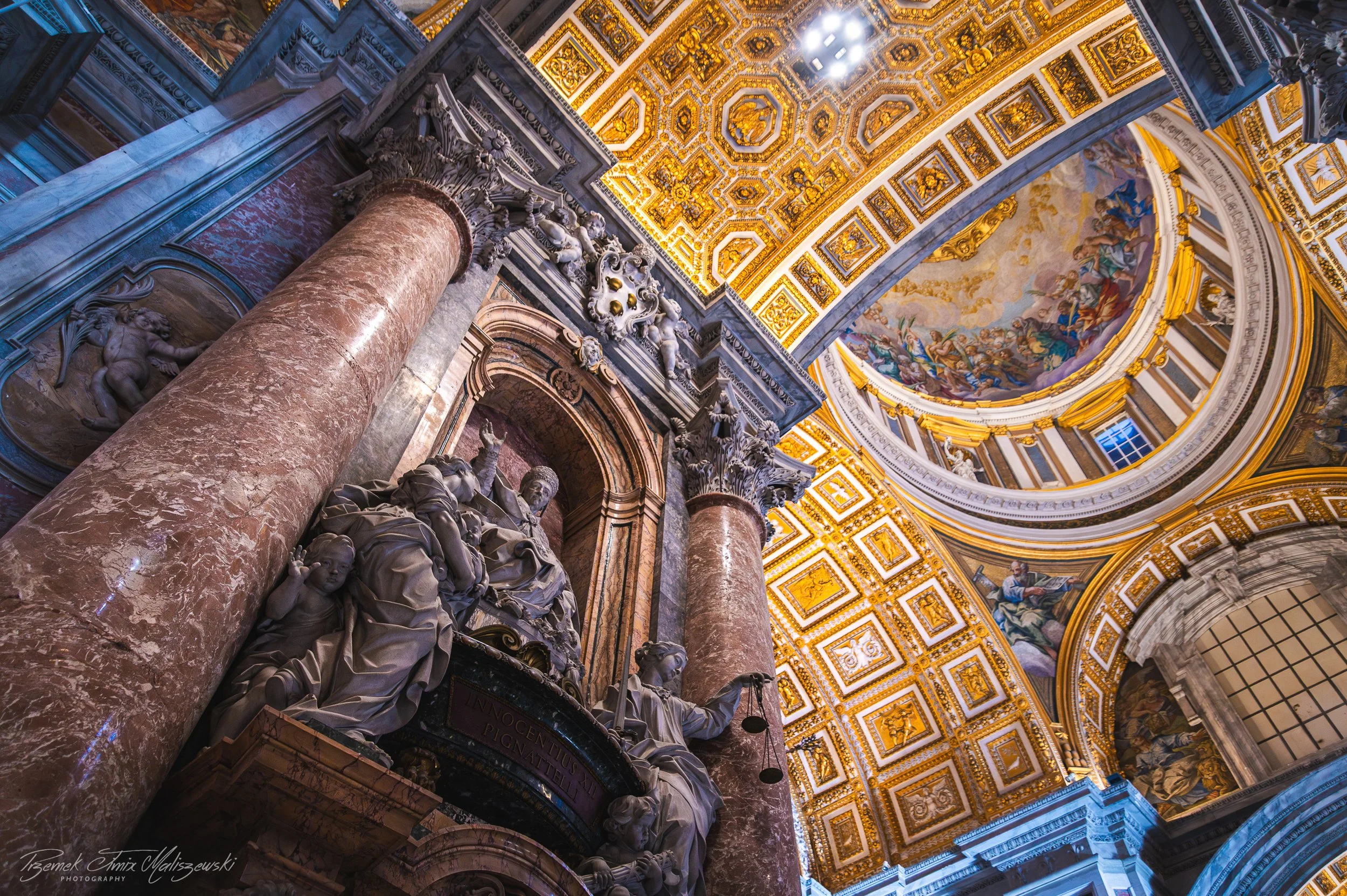
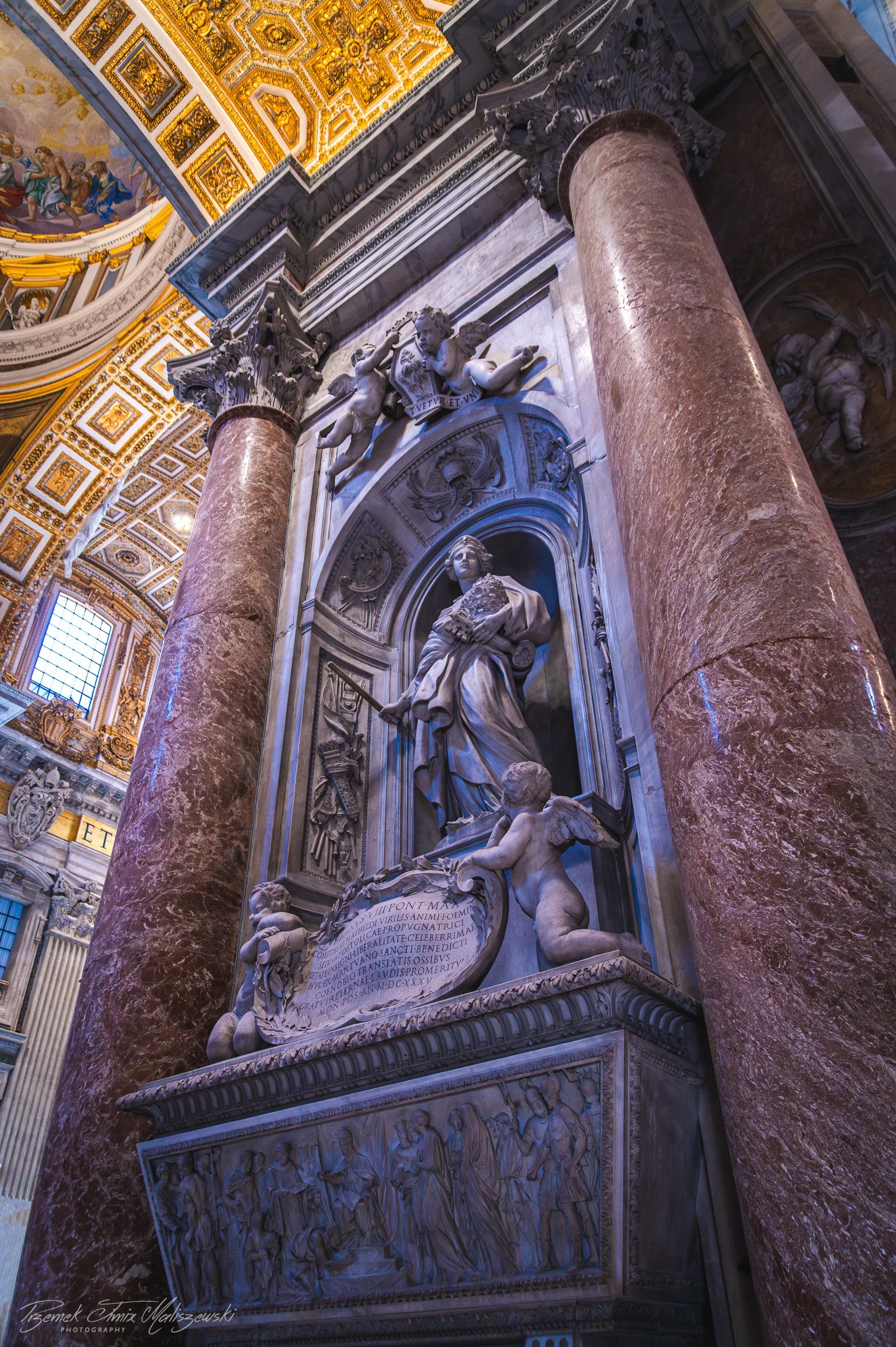
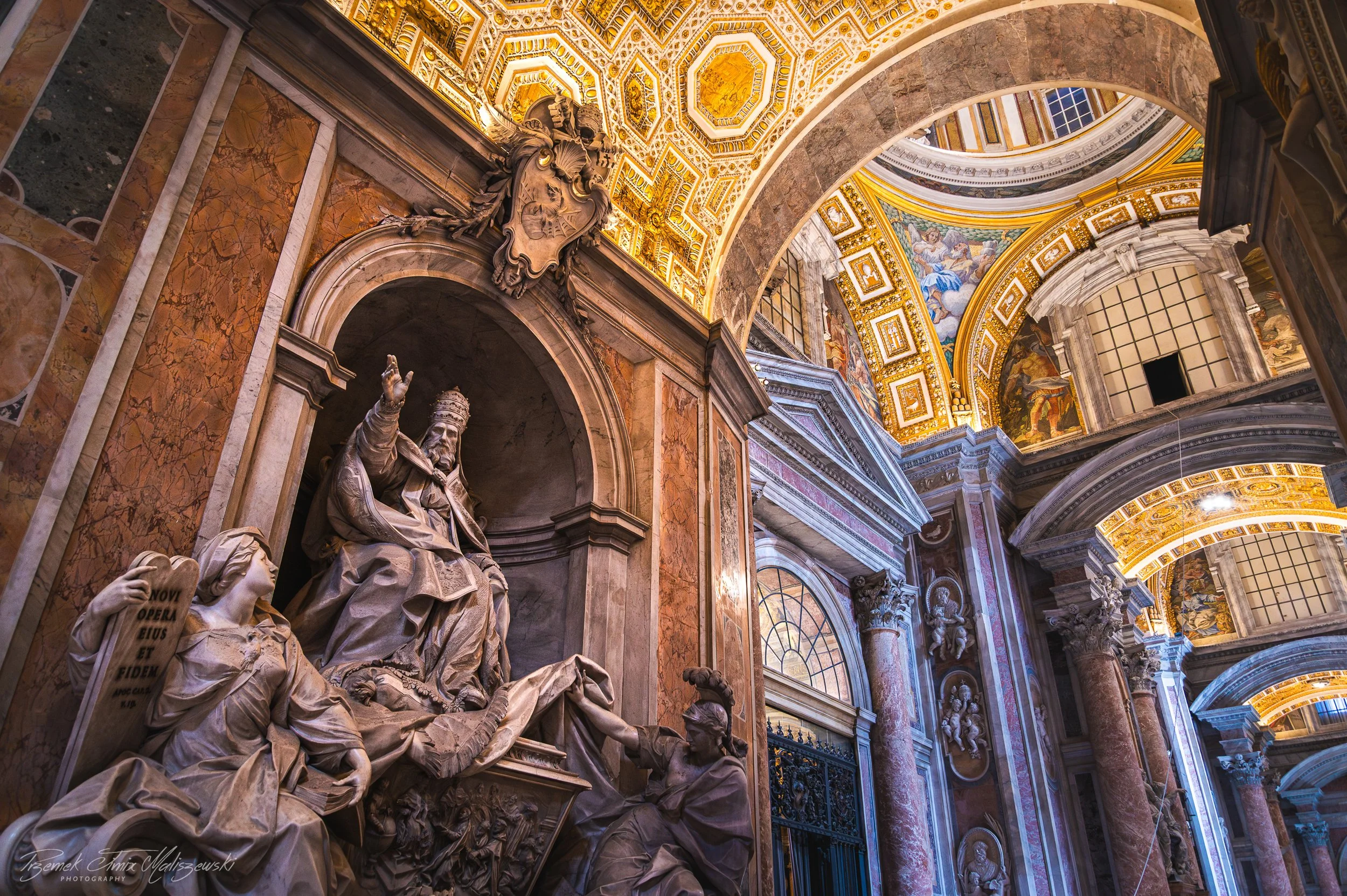
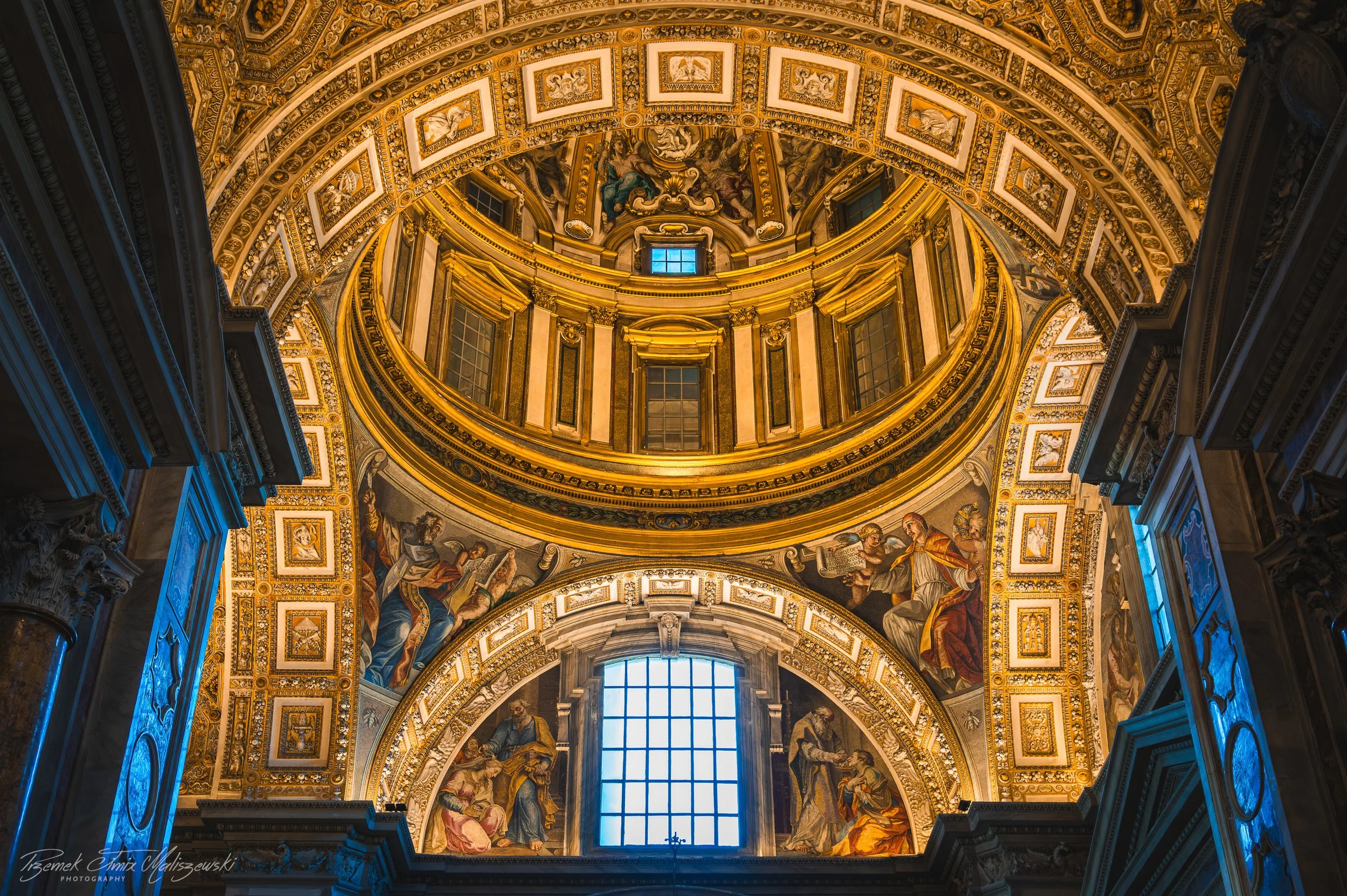
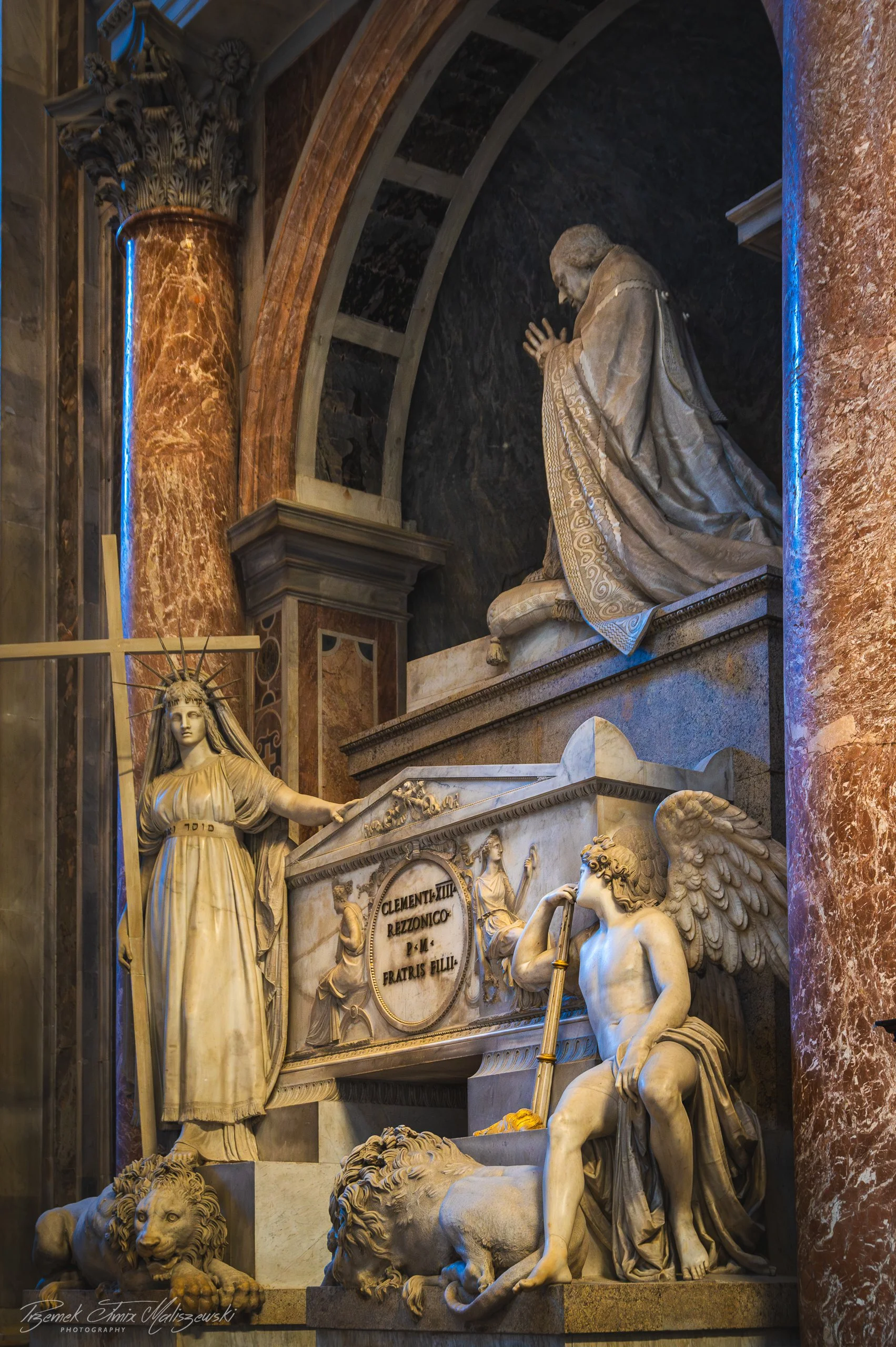
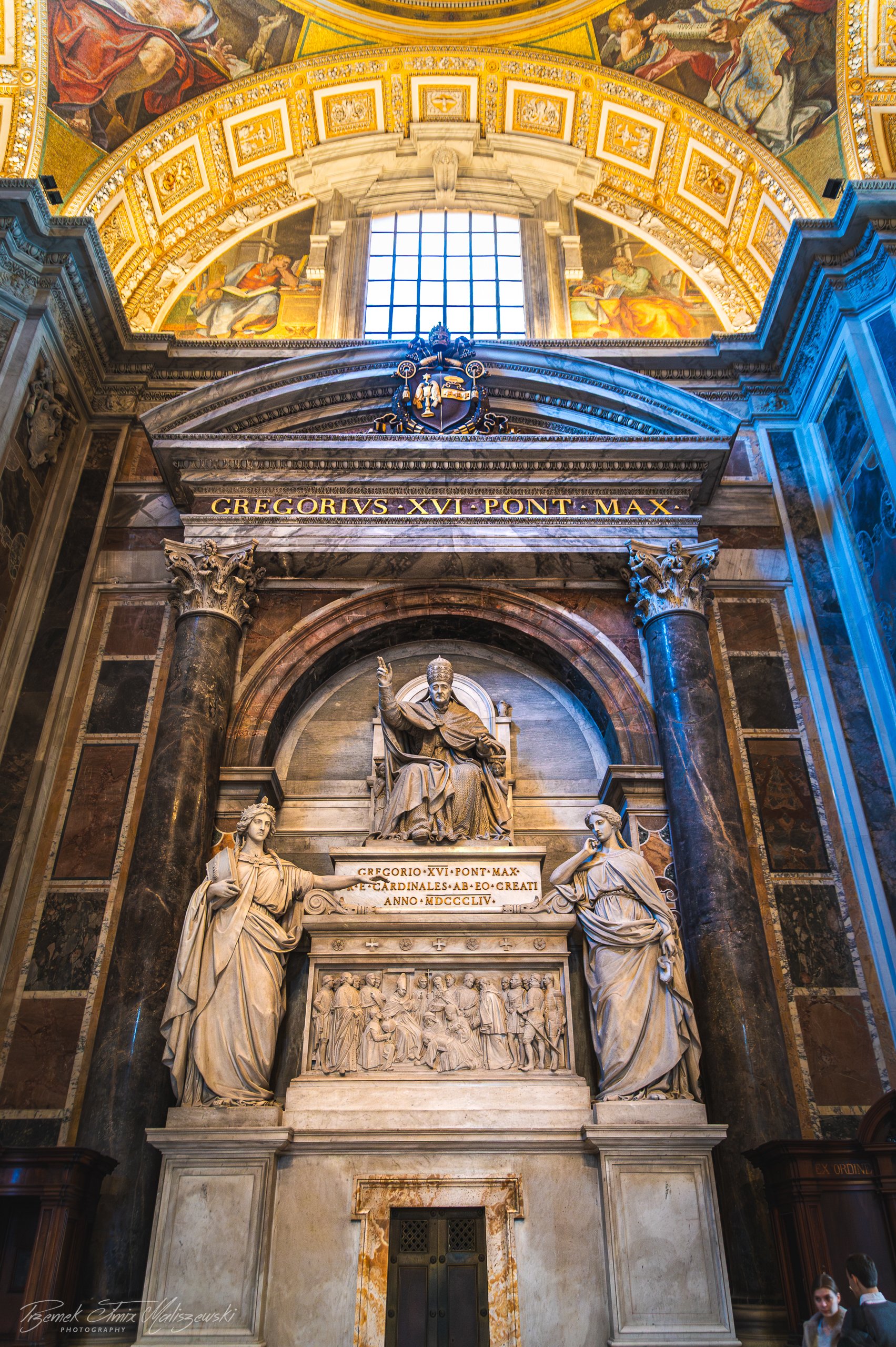

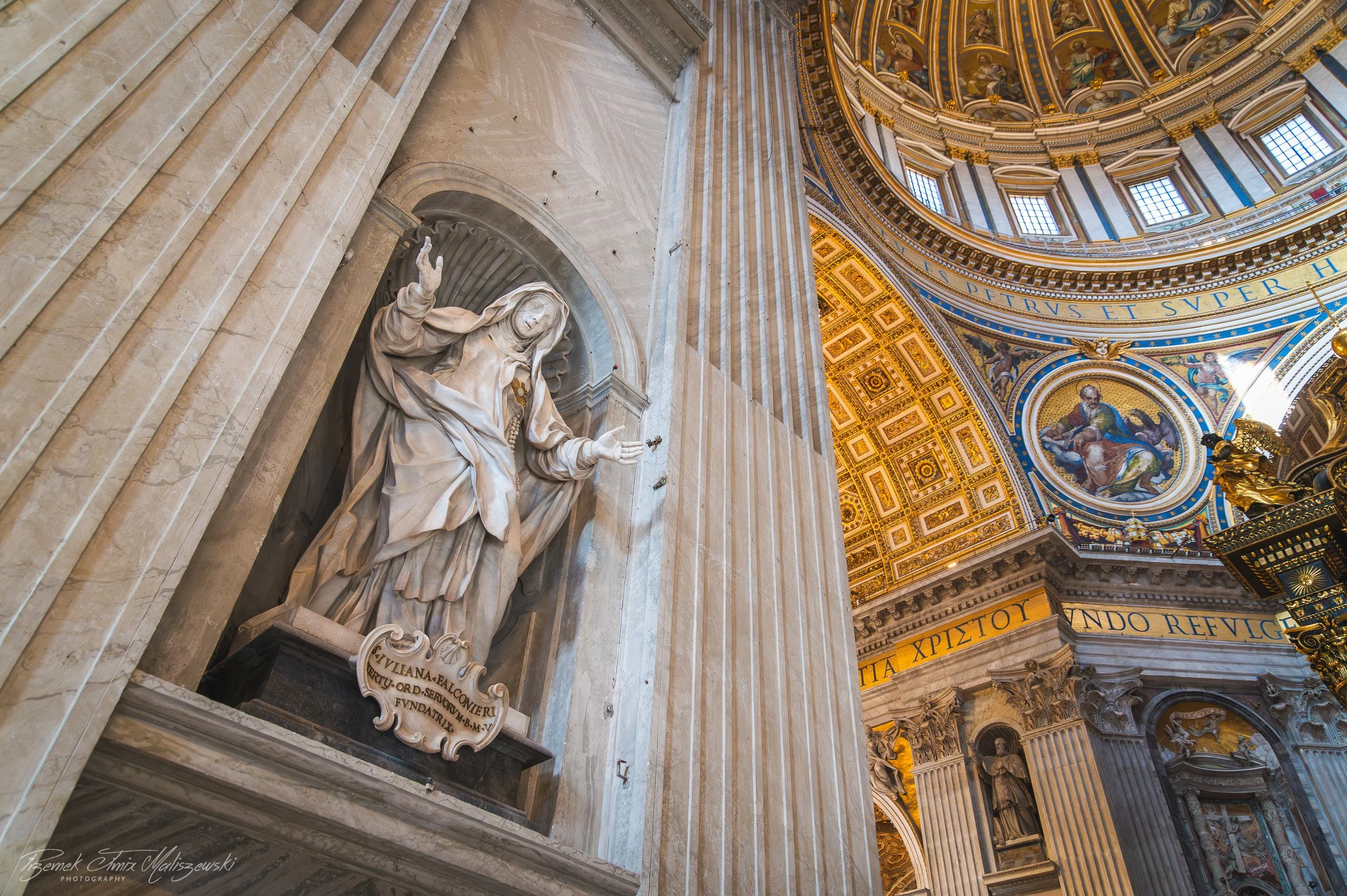
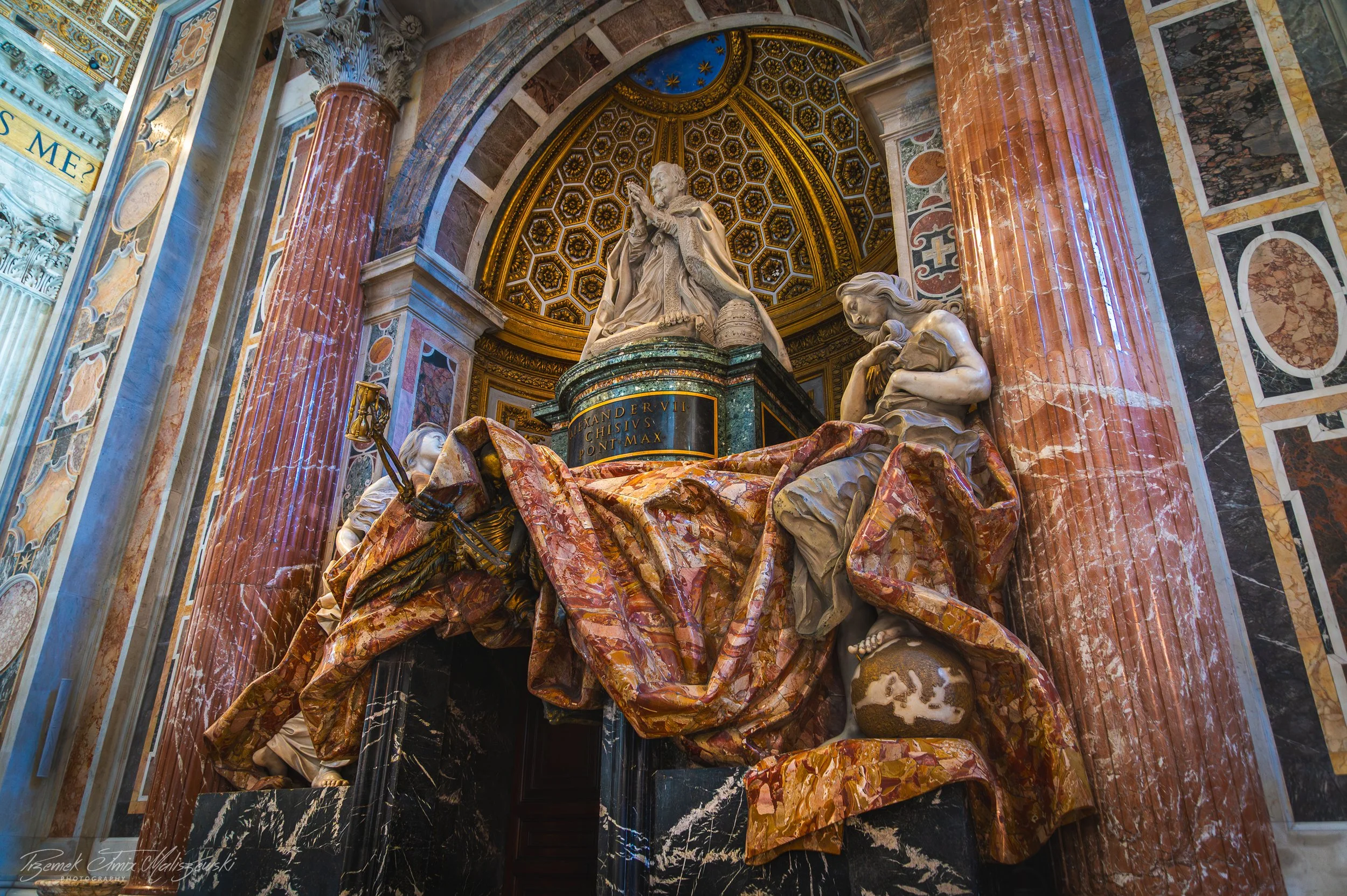
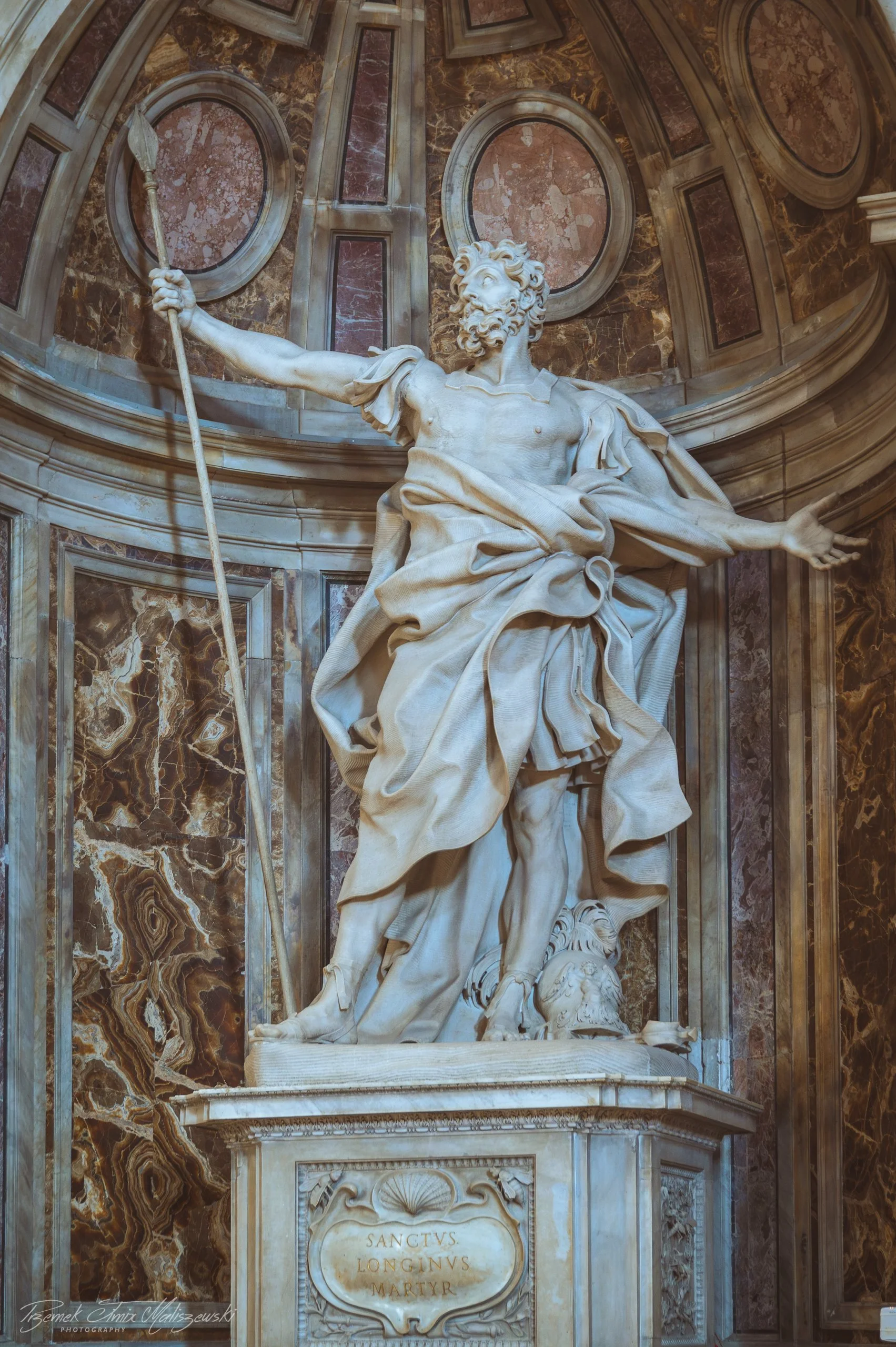
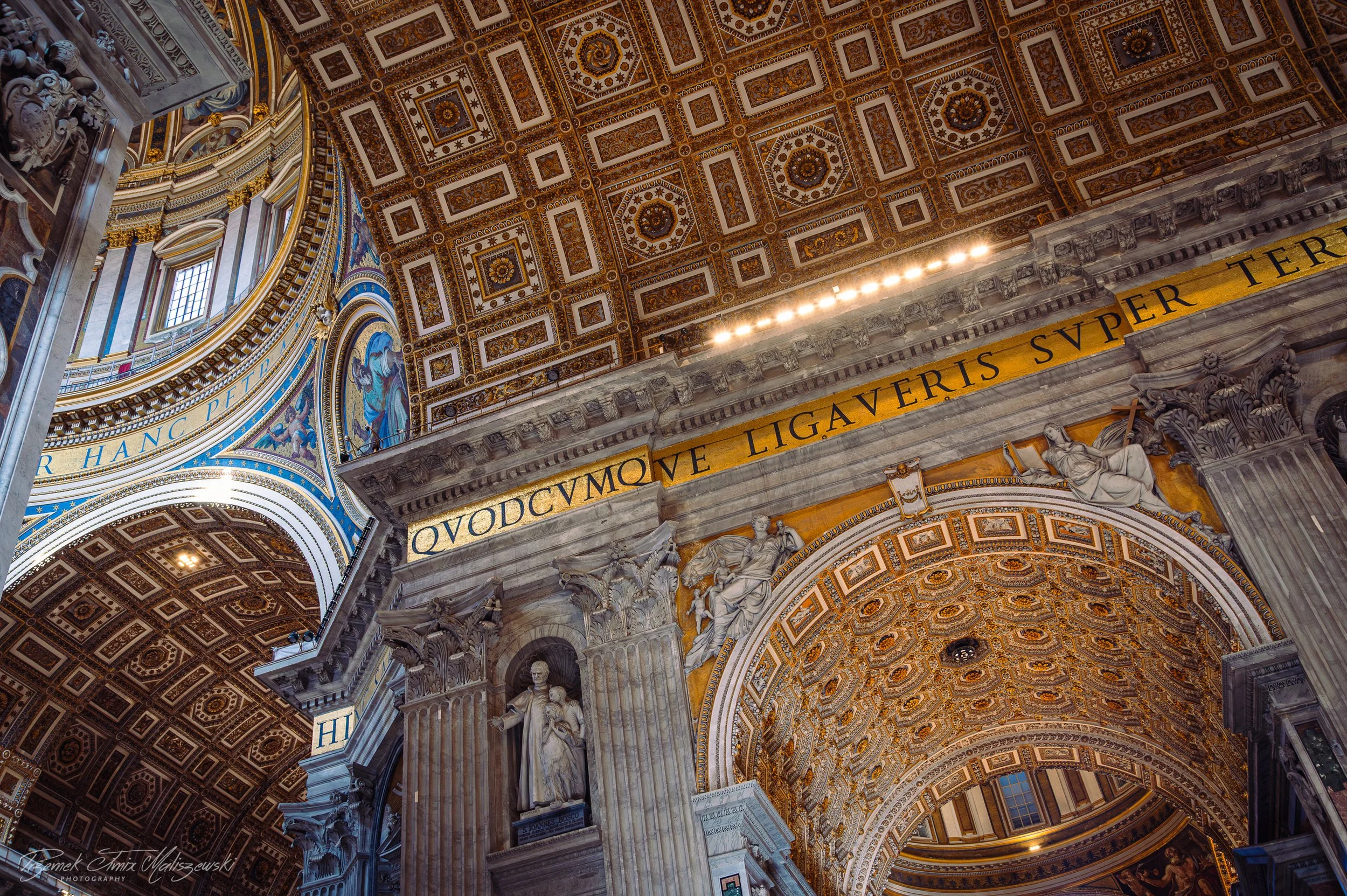
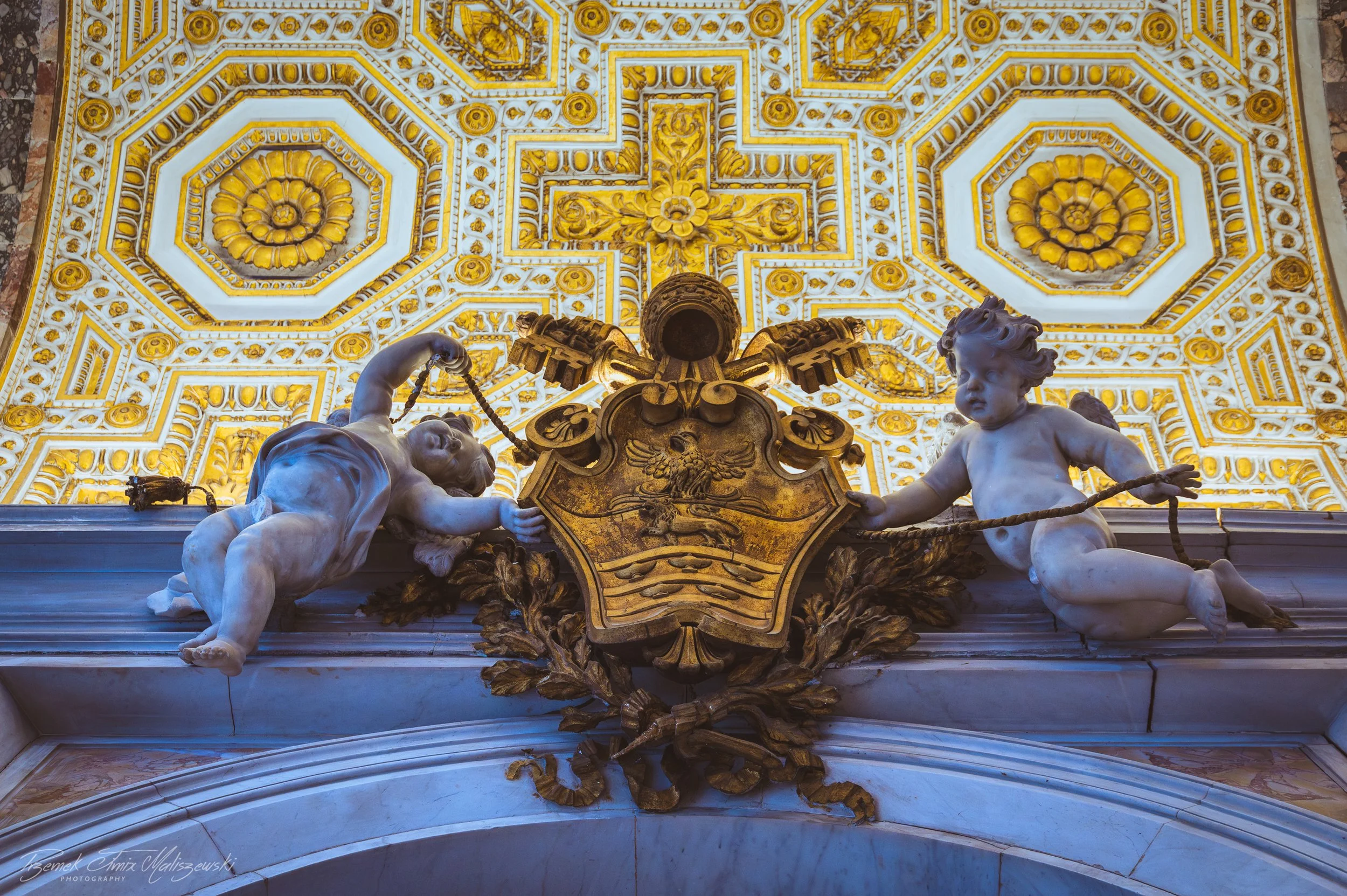
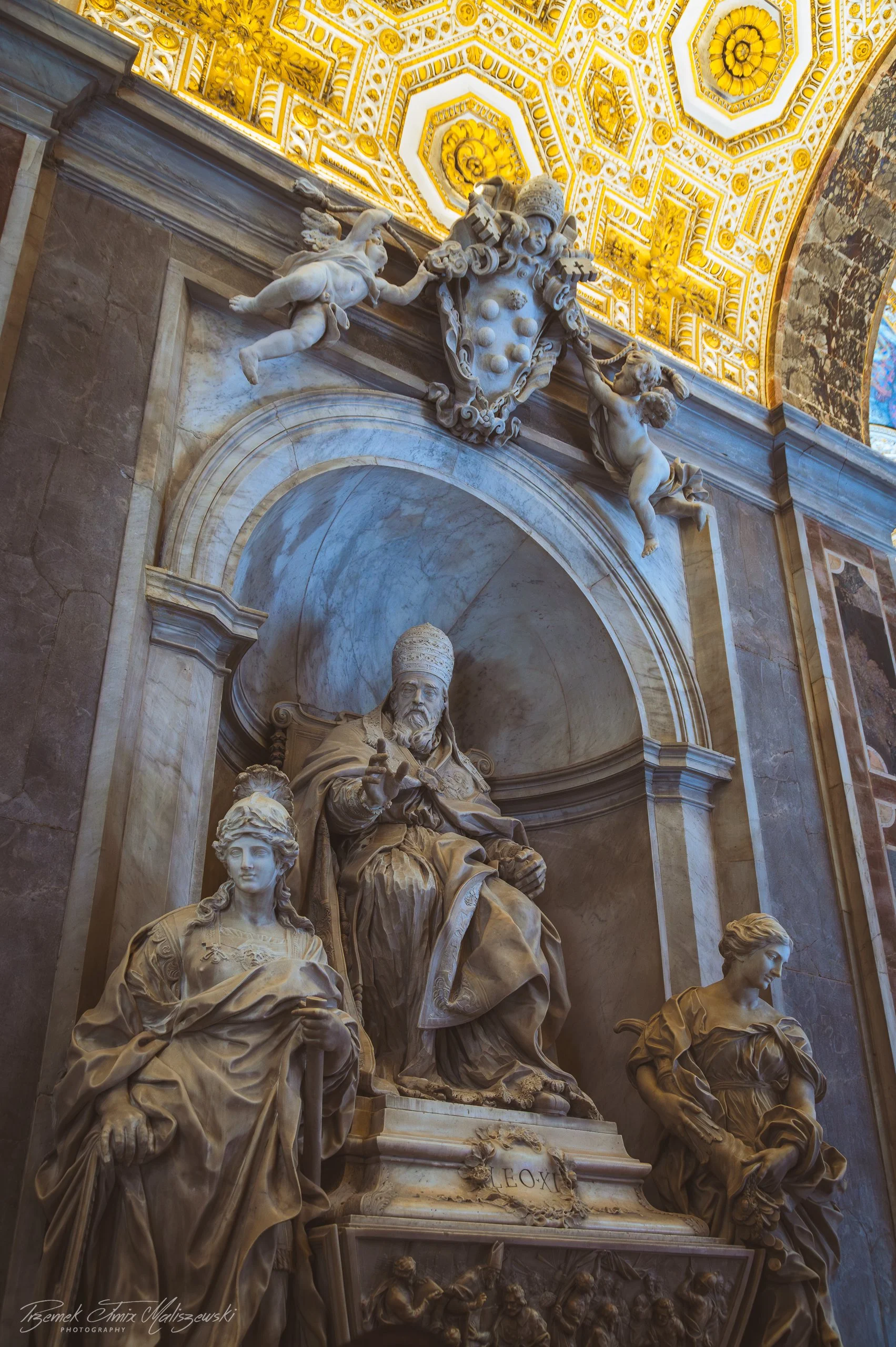
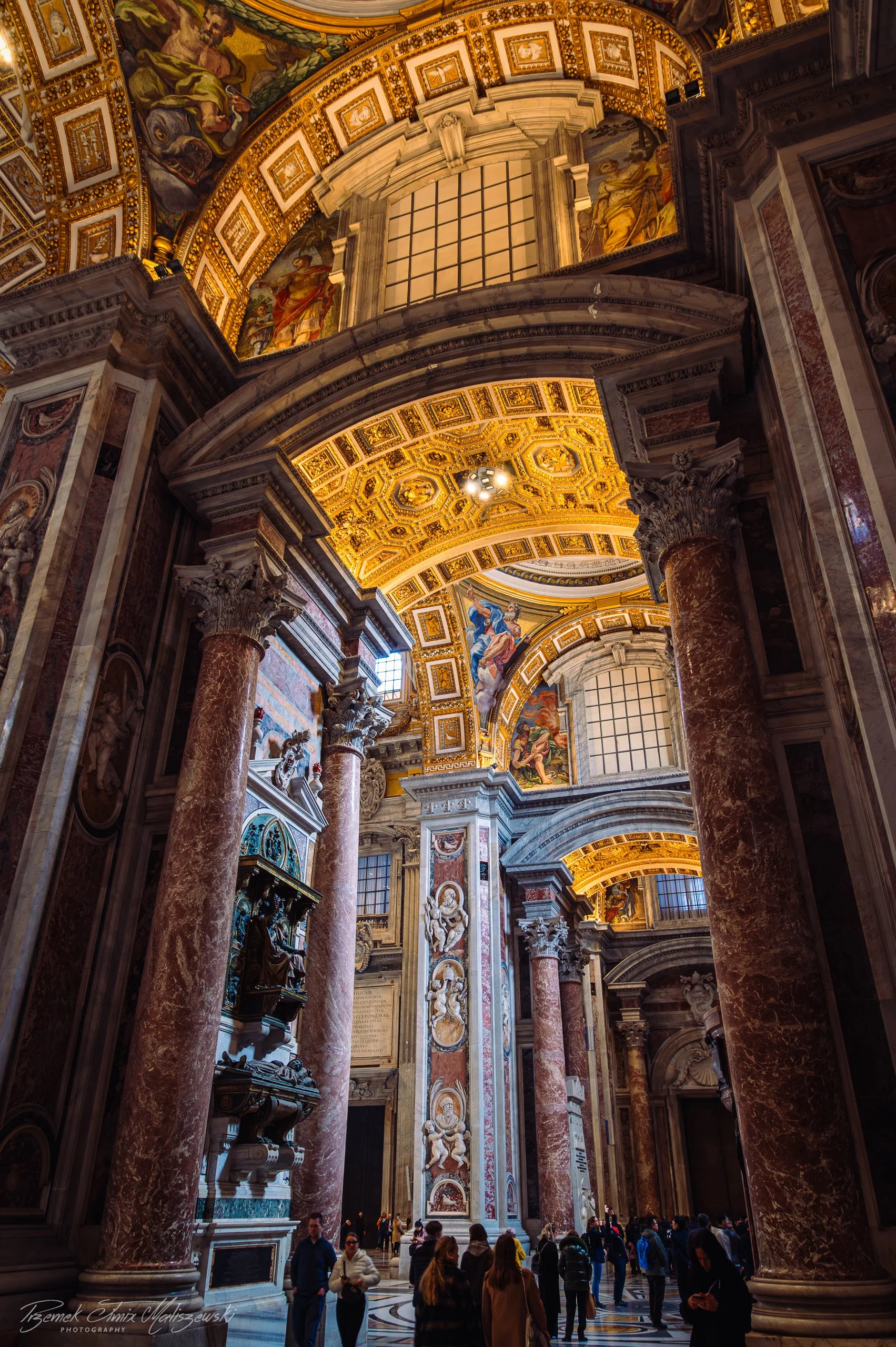
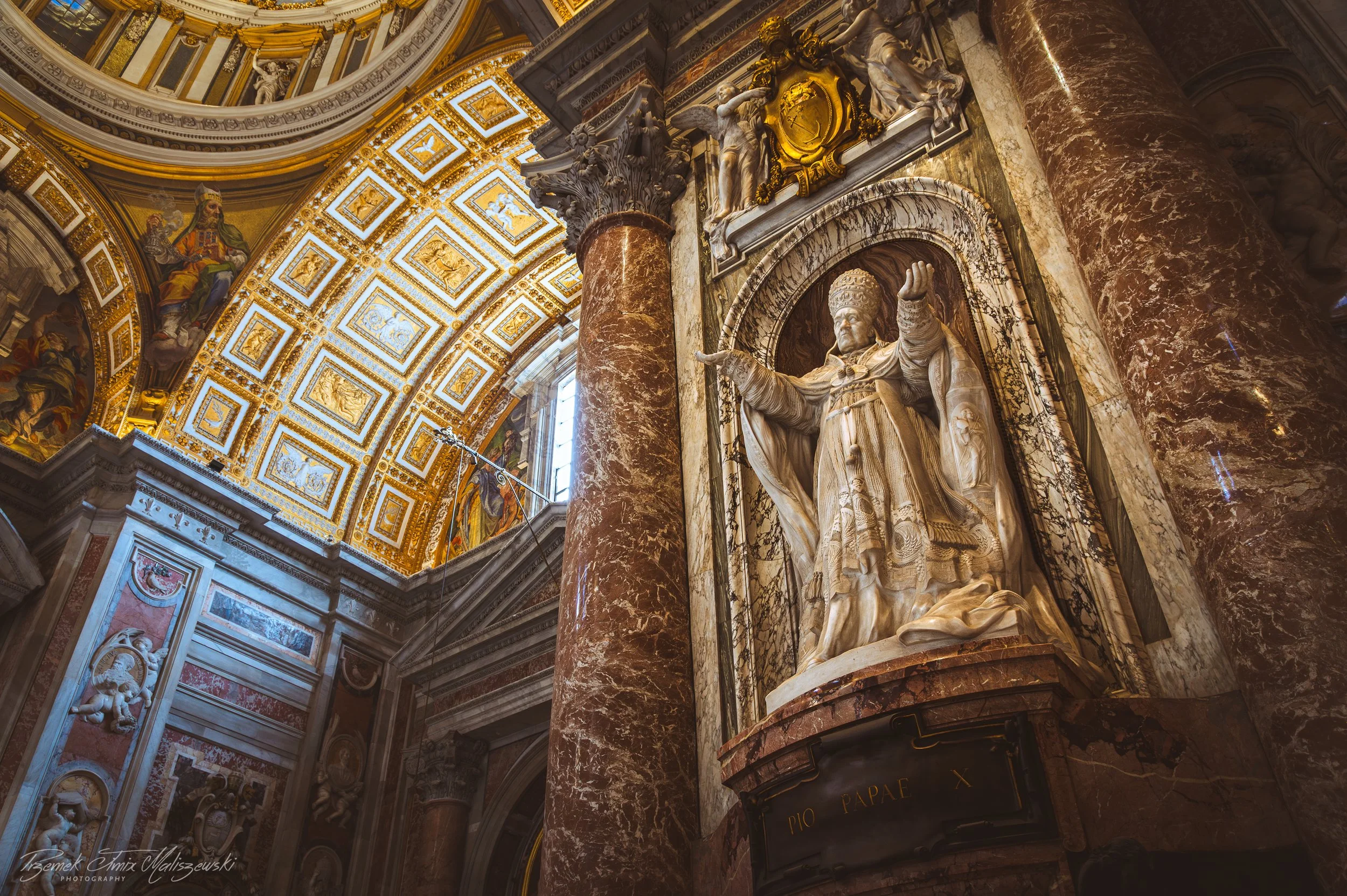
The sheer amount of labor poured into the interior decoration is staggering. Words simply fail. The beauty of the sculptures, the papal tombs, the ornaments, the mosaics, and other elements is nearly impossible to describe. After all, what can you say when you see carved fabric that looks like a light drape, seemingly floating in the air, while your brain insists it is stone—that it must weigh several tons…* What is there to say about Michelangelo’s Pietà—the figure of the Virgin Mary cradling Jesus after he was taken down from the Cross? It is a work of breathtaking beauty, haunting and moving; in a sense, unrealistic, yet it compels you to stand and admire every single detail in awe. And finally, what can you say about the transept—a space so vast that it could house the entire Lady Liberty from New York Harbor, pedestal and all!
*The tomb of Alexander VII, where the skeleton and the marble drapery appear so light they seem unreal. This is the pinnacle of Baroque illusion—marble that breathes. This so-called morbidezza—softness in stone—is an absolute phenomenon. Often in papal tombs (such as those by Bernini or Canova), the marble appears warmer and lighter than air. It is an architectural illusion designed to remind us that here, the boundary between matter and spirit is paper-thin.
For most of the time, you explore with your head tilted upwards.
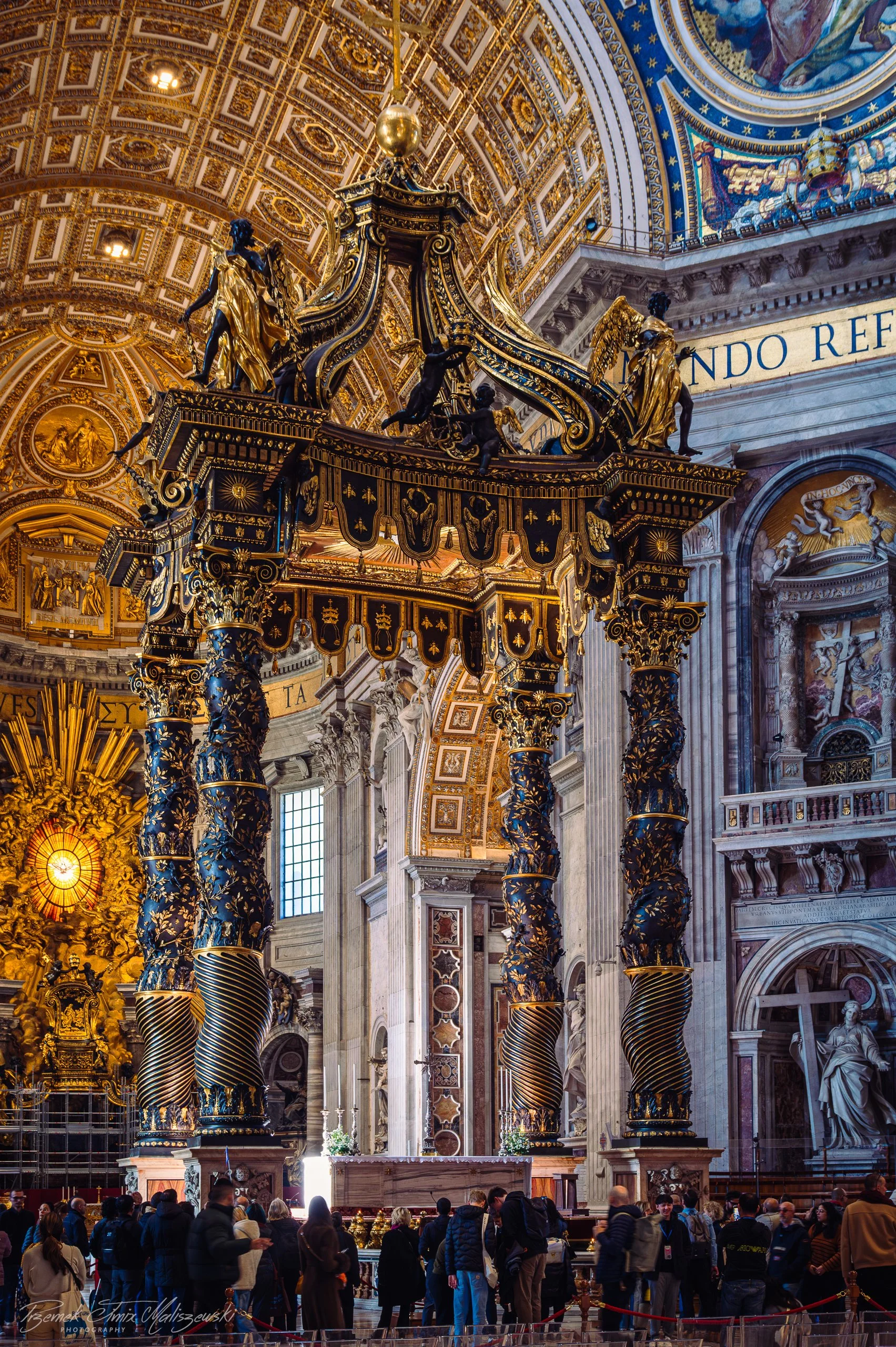
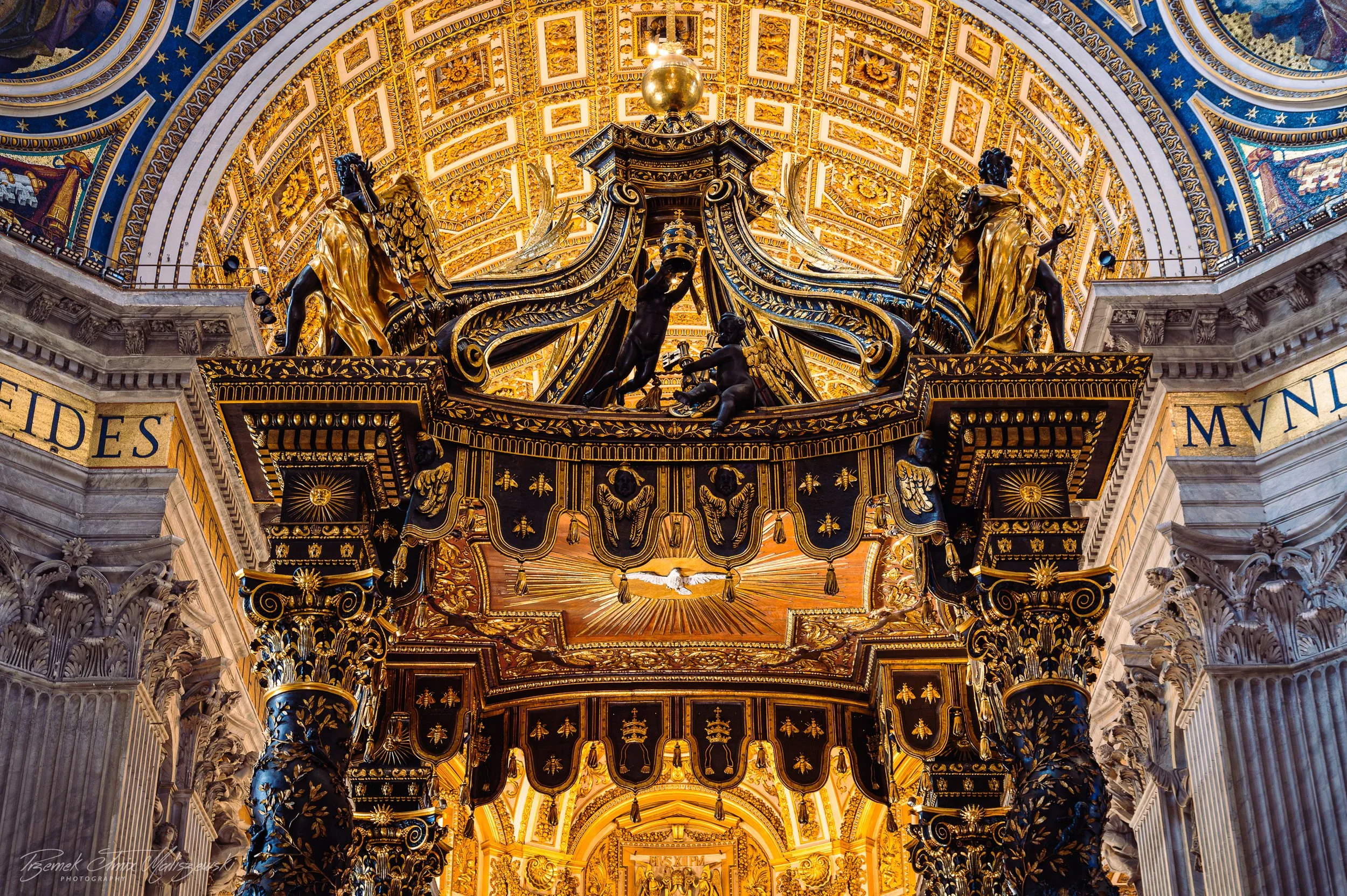
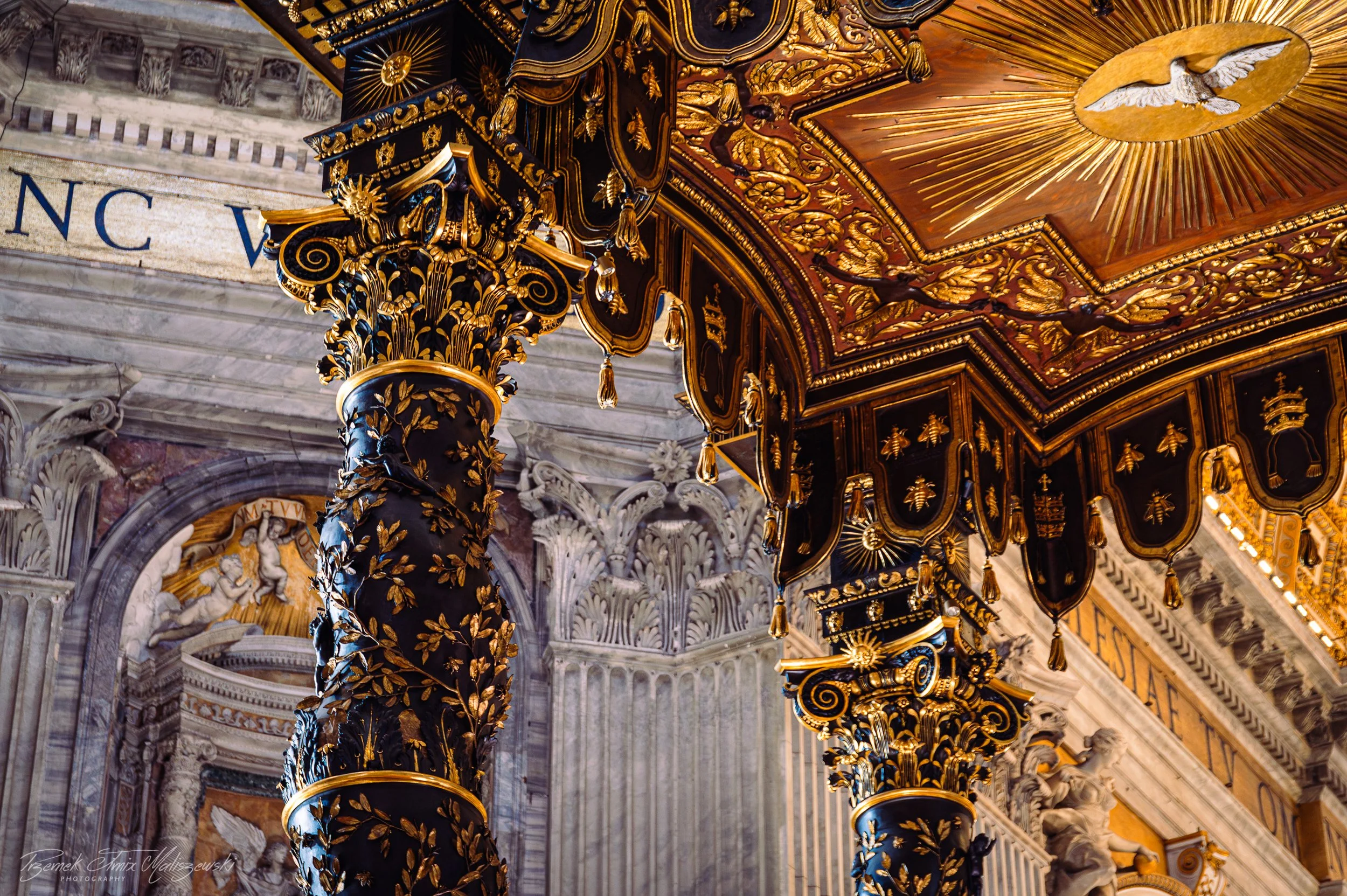
I could write for hours about every corner of the interior: about the absolutely brilliant form of Bernini’s Baldacchino, whose densely ribbed, spiral columns—as I mentioned before—were cast from bronze stripped from the nearby Pantheon. I could write about the mosaics which, even from up close, appear to many—including myself—as oil paintings. I could write about the polychromies, the stunning floors, or the metaphysical atmosphere in the Chapel of the Blessed Sacrament.
I could write about all of this, yet I feel an absolute sense of inadequacy, as well as a pressing need to return—to spend as much time as I wish, without haste, studying everything that captures my interest. And there is so much to study and observe. No matter how hard I try, I am unable to describe the magnificence of this place. I don’t even know if I can. To truly appreciate the Basilica, one needs several visits of substantial length. But that, I hope, lies ahead of me.
One thing I know for certain: for me, a visit to Rome without a visit to the Vatican simply makes no sense. The cuisine, the antiquity, and the Vatican—take away any one of these elements, and Rome, at least for me, ceases to exist.
Bernini’s Baldacchino, covering the Papal Altar, which stands precisely above the tomb of St. Peter.
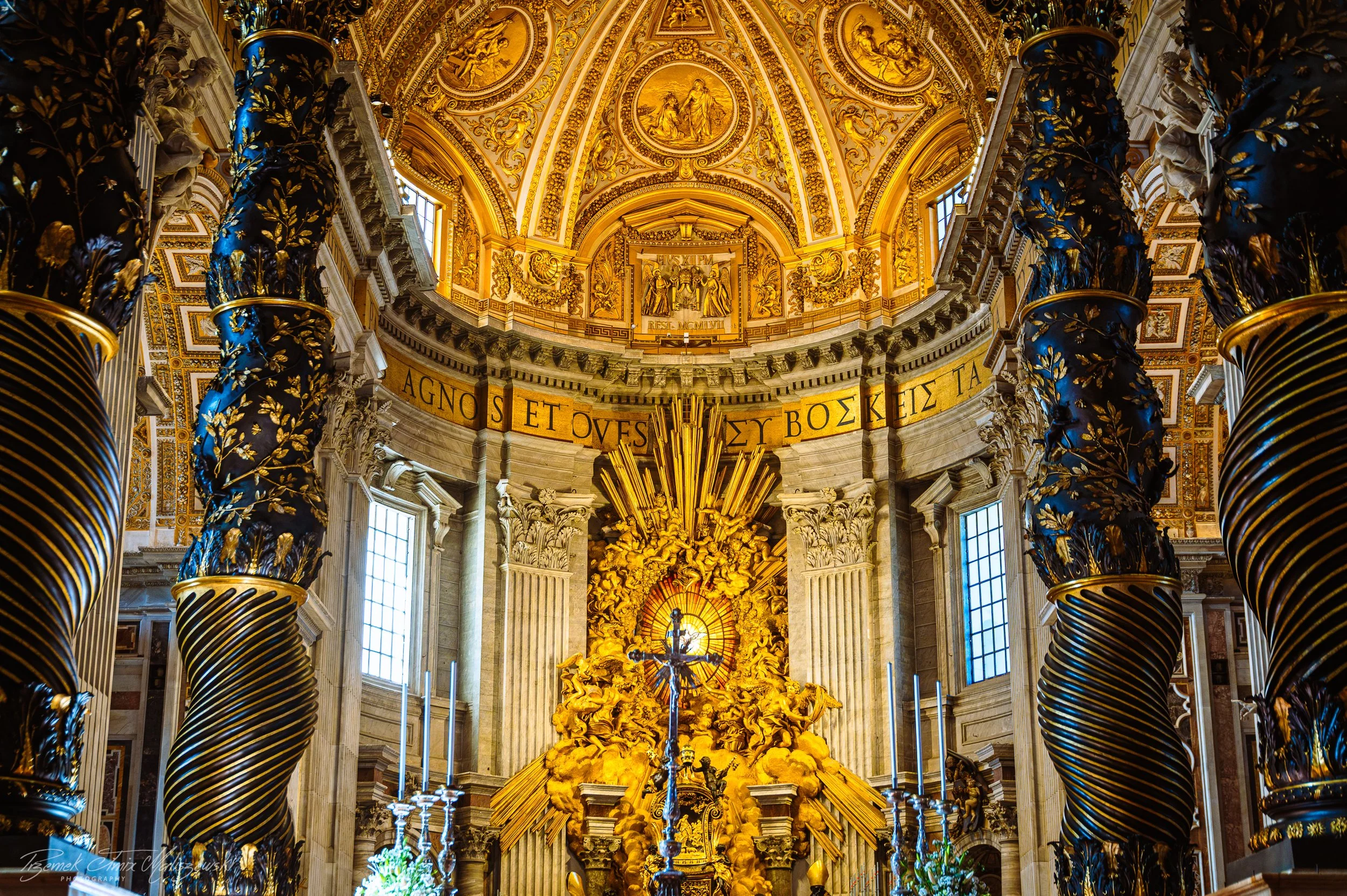
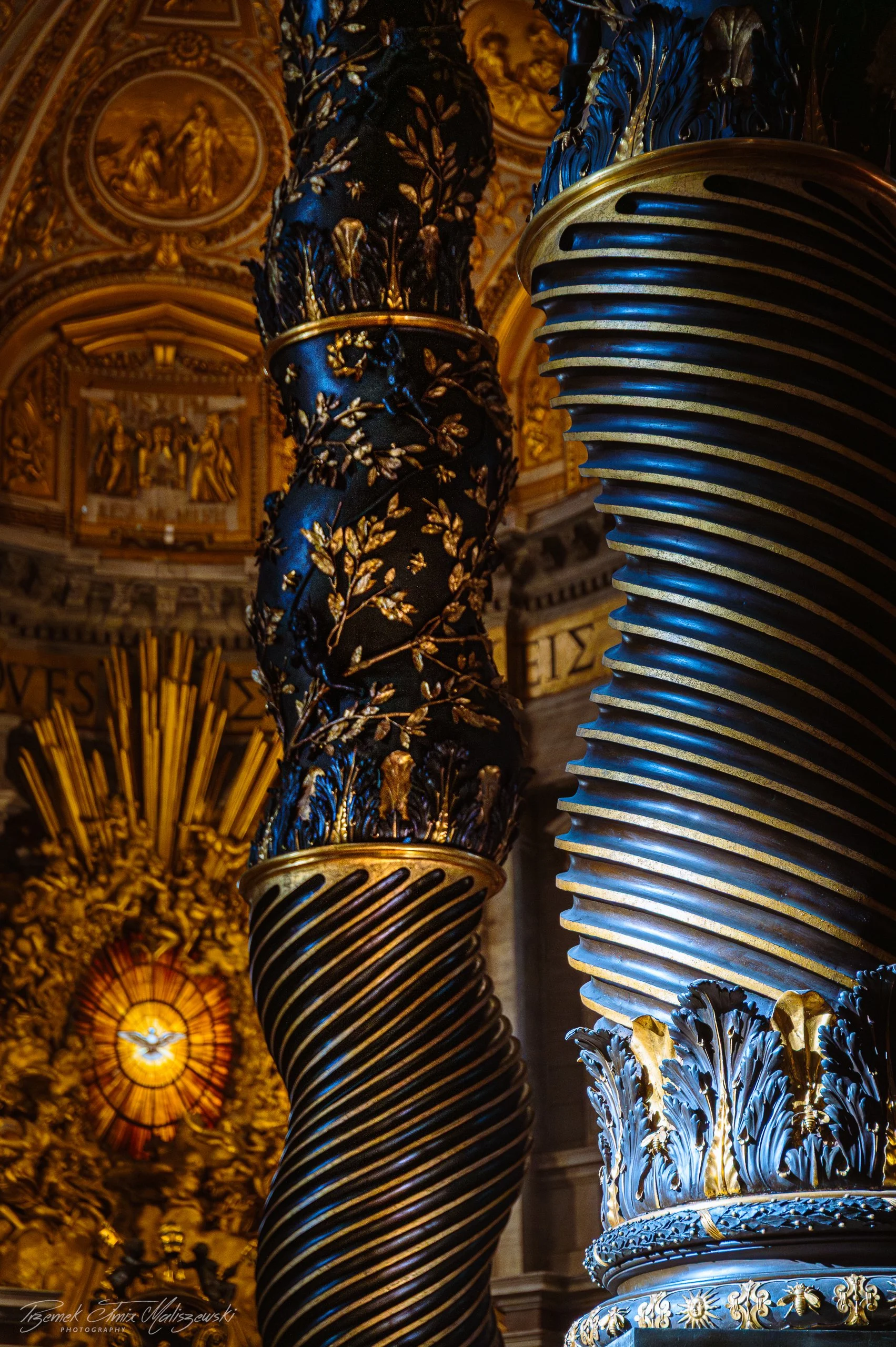
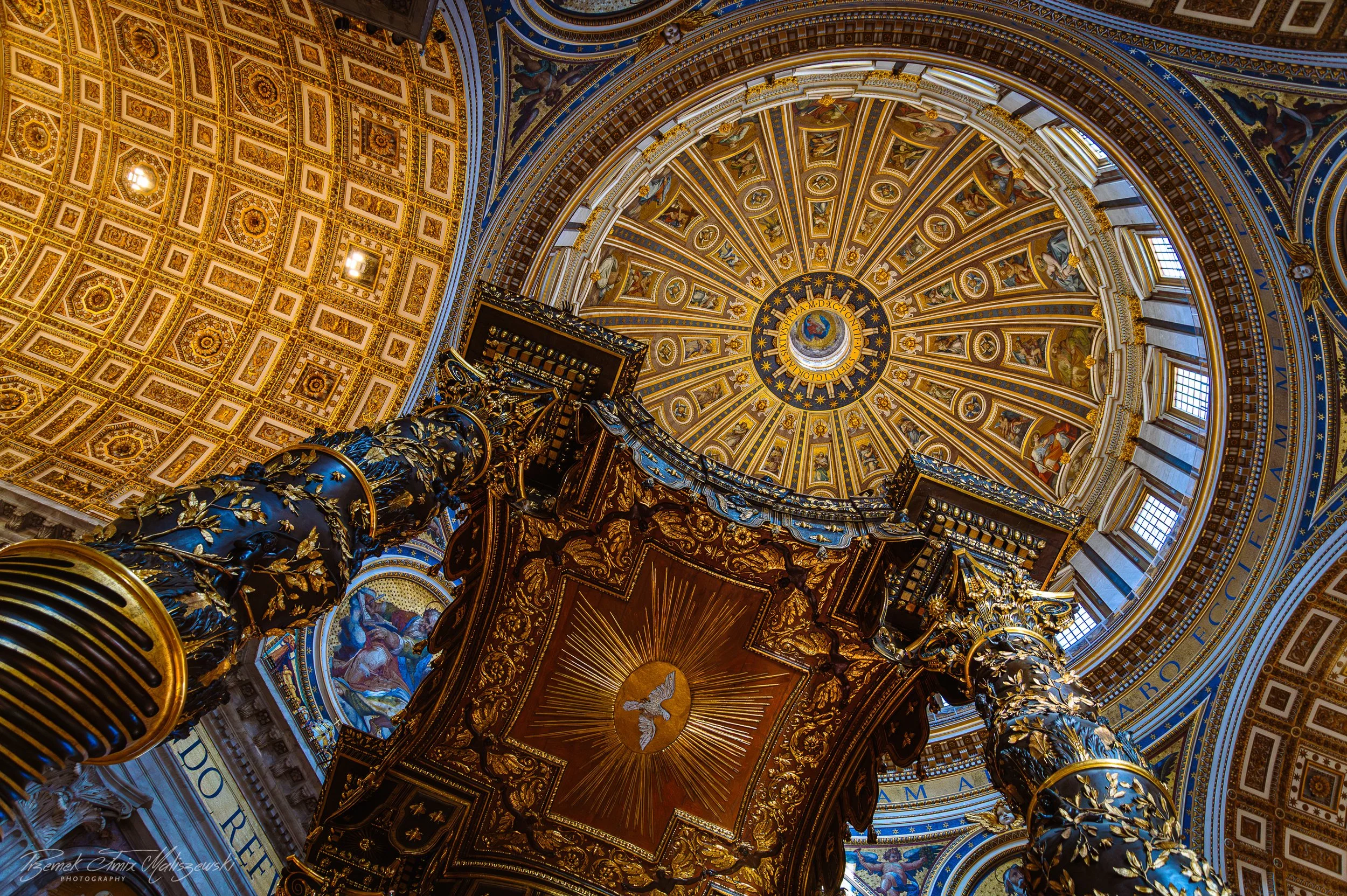
This space can fit the entire Statue of Liberty with the pedestal.
The interior of the dome of St. Peter’s Basilica. The lantern hangs at 130m (400 ft) above the floor.
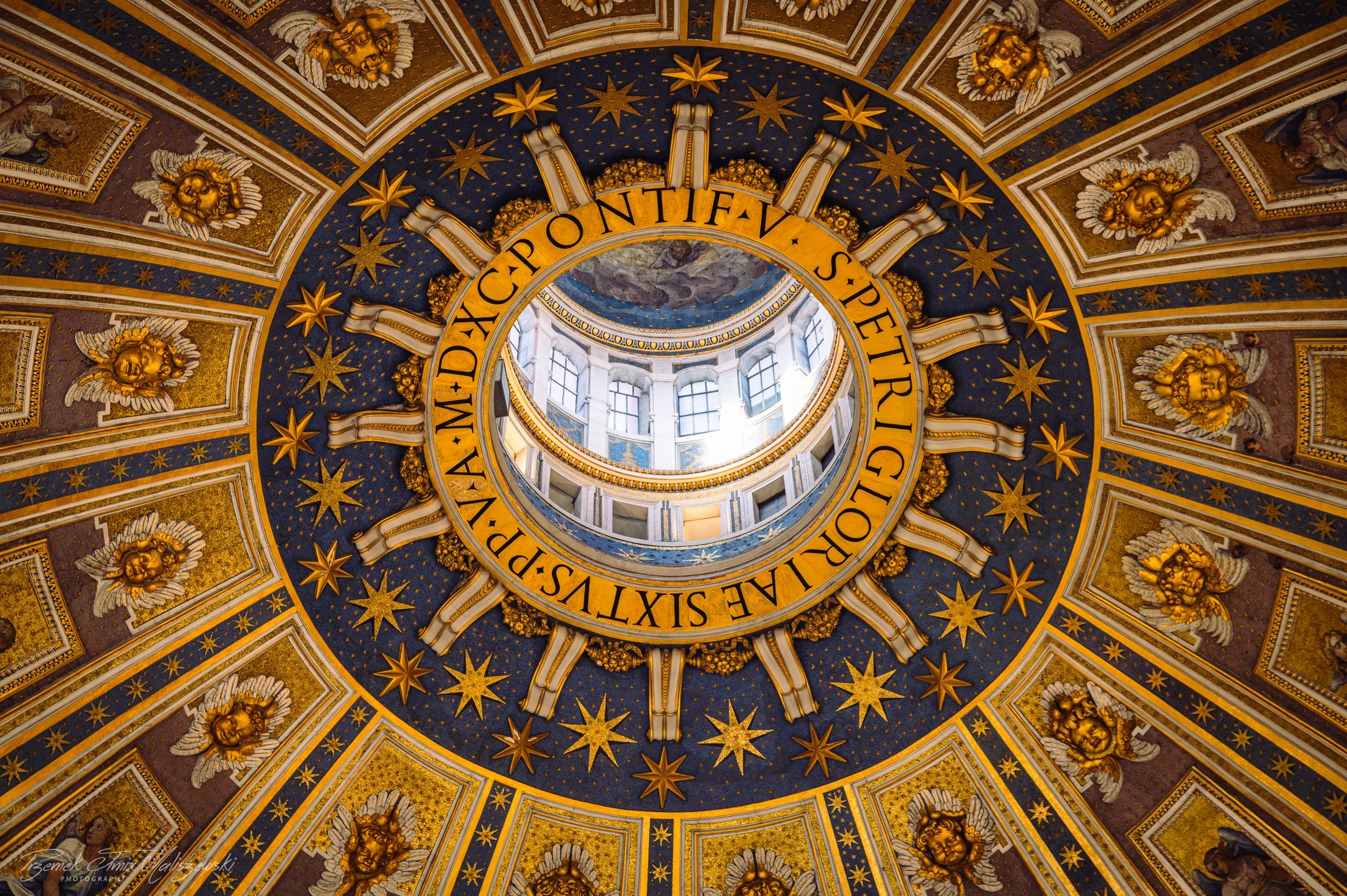
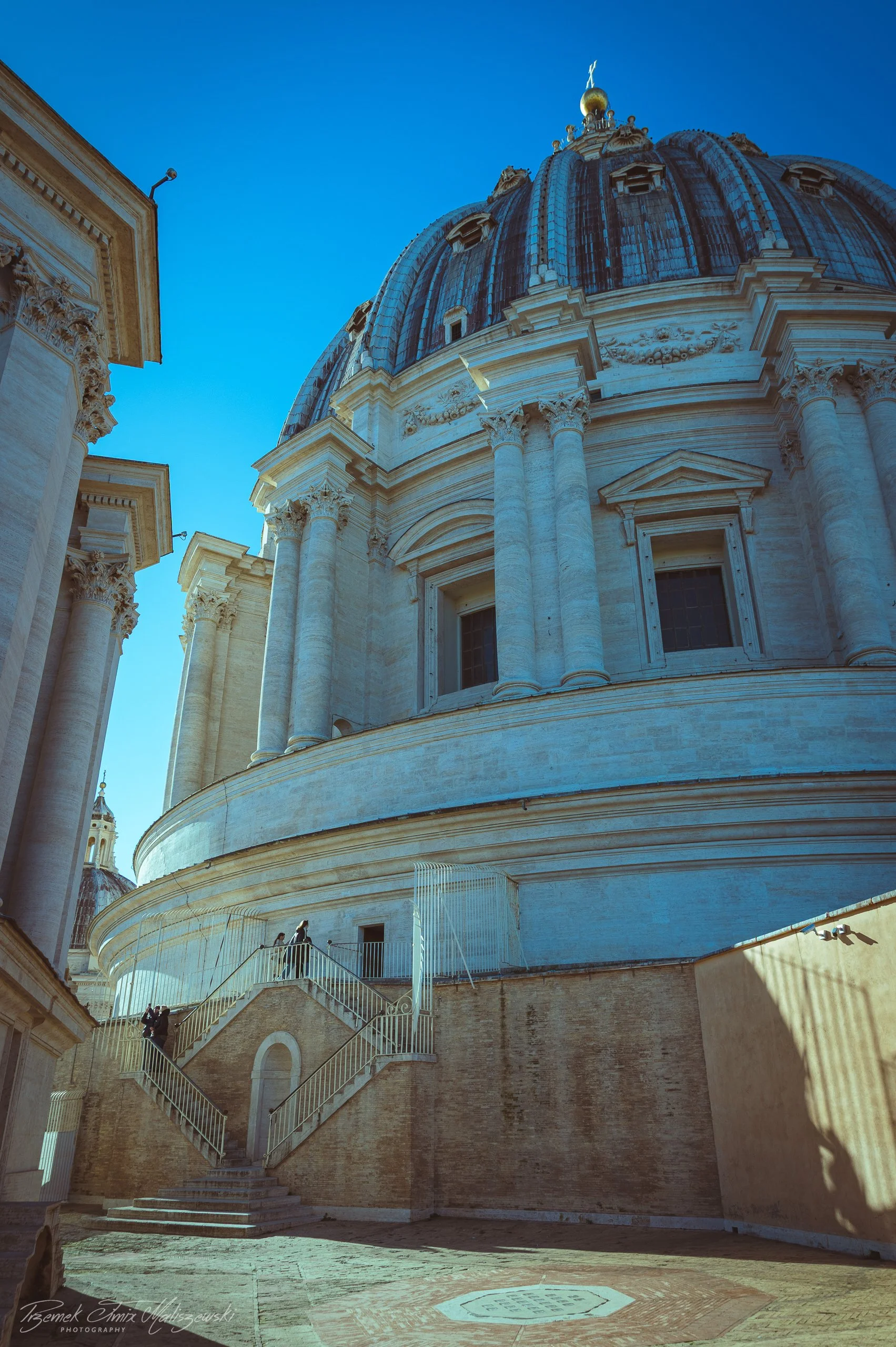
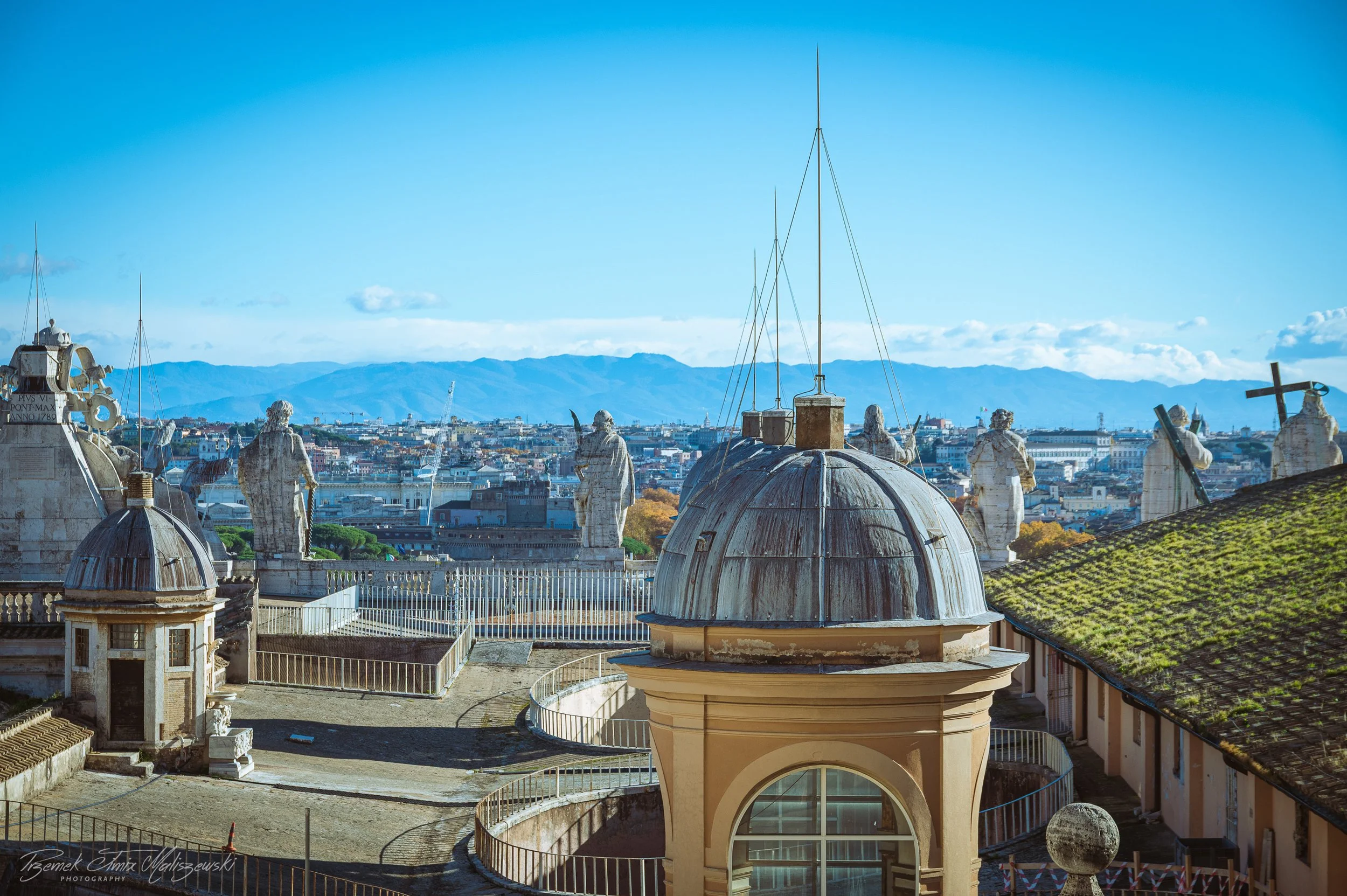
Visiting the roof of the Basilica and its dome is an incredibly interesting experience. There is even a post office on the roof, where you can send a postcard with a Vatican postmark to family or friends. There’s also a bistro. But the highlight is undoubtedly the climb to the very top of the dome. I mentioned the view from the Altare della Patria before, but this one, in my opinion, is even more beautiful. All of Rome lies at your feet. The foreground competes for dominance with the middle ground, the background, and the horizon. The axis of St. Peter’s Square flows into the Via della Conciliazione (Way of Conciliation), reaches the Tiber and Castel Sant’Angelo, then soars over the rest of the city before coming to rest on the slopes of the Apennines. You can see the roof of the Sistine Chapel and, further to the left, the stunning Vatican Gardens. The dome itself features 48 small windows (plus 16 large ones in the drum, providing additional light to the interior of the Basilica).
You can reach this level by elevator or by taking the stairs. However, the lantern itself can only be accessed via stairs. It is absolutely worth it!
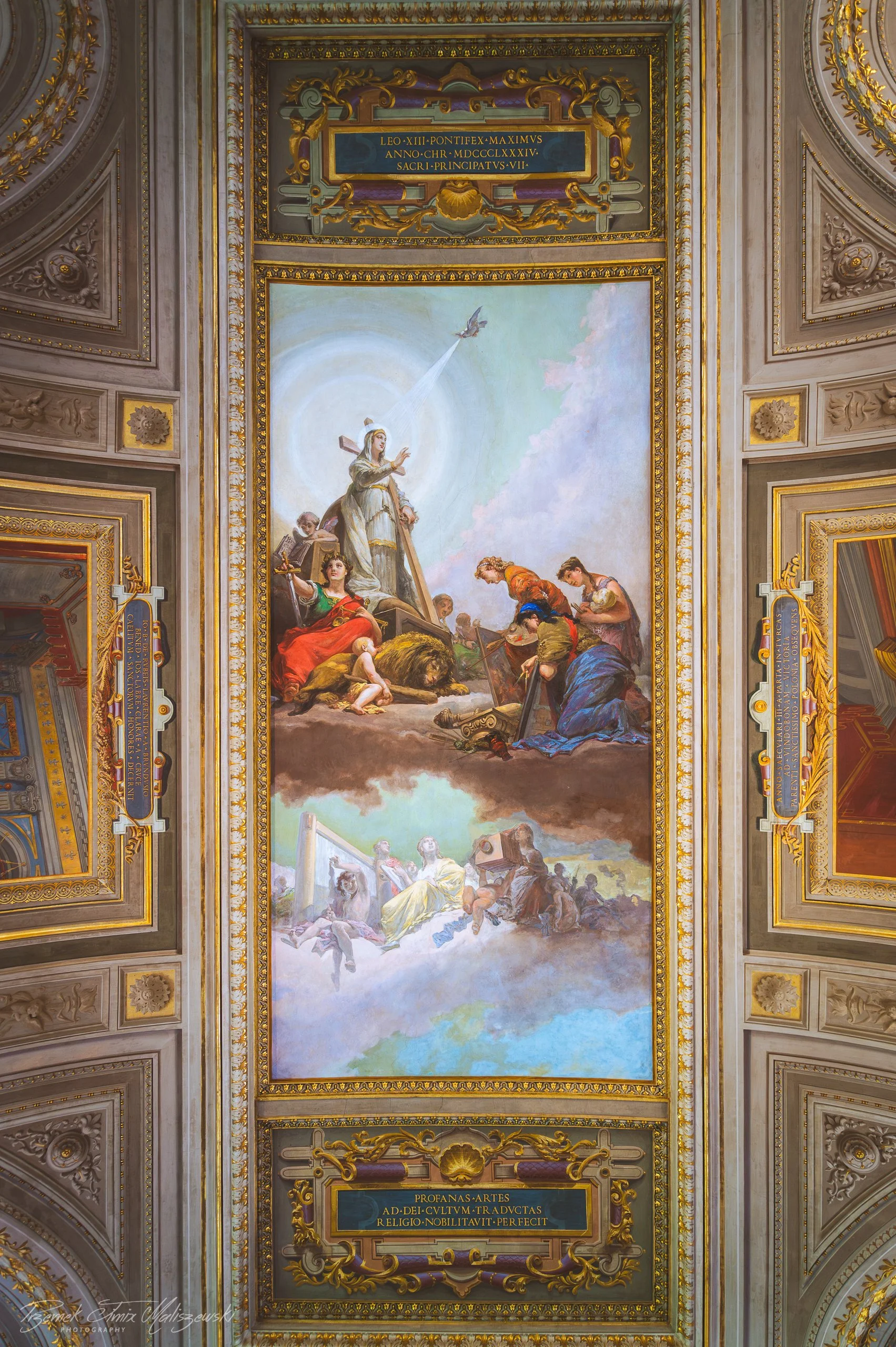
Looking from the outside, while standing on the lantern’s terrace, you can see that every small window-covering on the dome—clad in patinated copper—bears an inscription with the pontifical name of a pope. By sheer coincidence, I took a photo focusing on one such inscription: Leo XIII.
Six months later, we were driving our camper to the Pelješac peninsula, while back in Rome, it was the second day of the conclave. The fourth ballot. We pulled over near Pag Island to quickly tune into a YouTube live stream. White smoke… On May 8, 2025, Cardinal Robert Prevost was elected Pope, taking the name Leo XIV. Coincidence? I think not.
On the roof of the St. Peter’s Basilica.
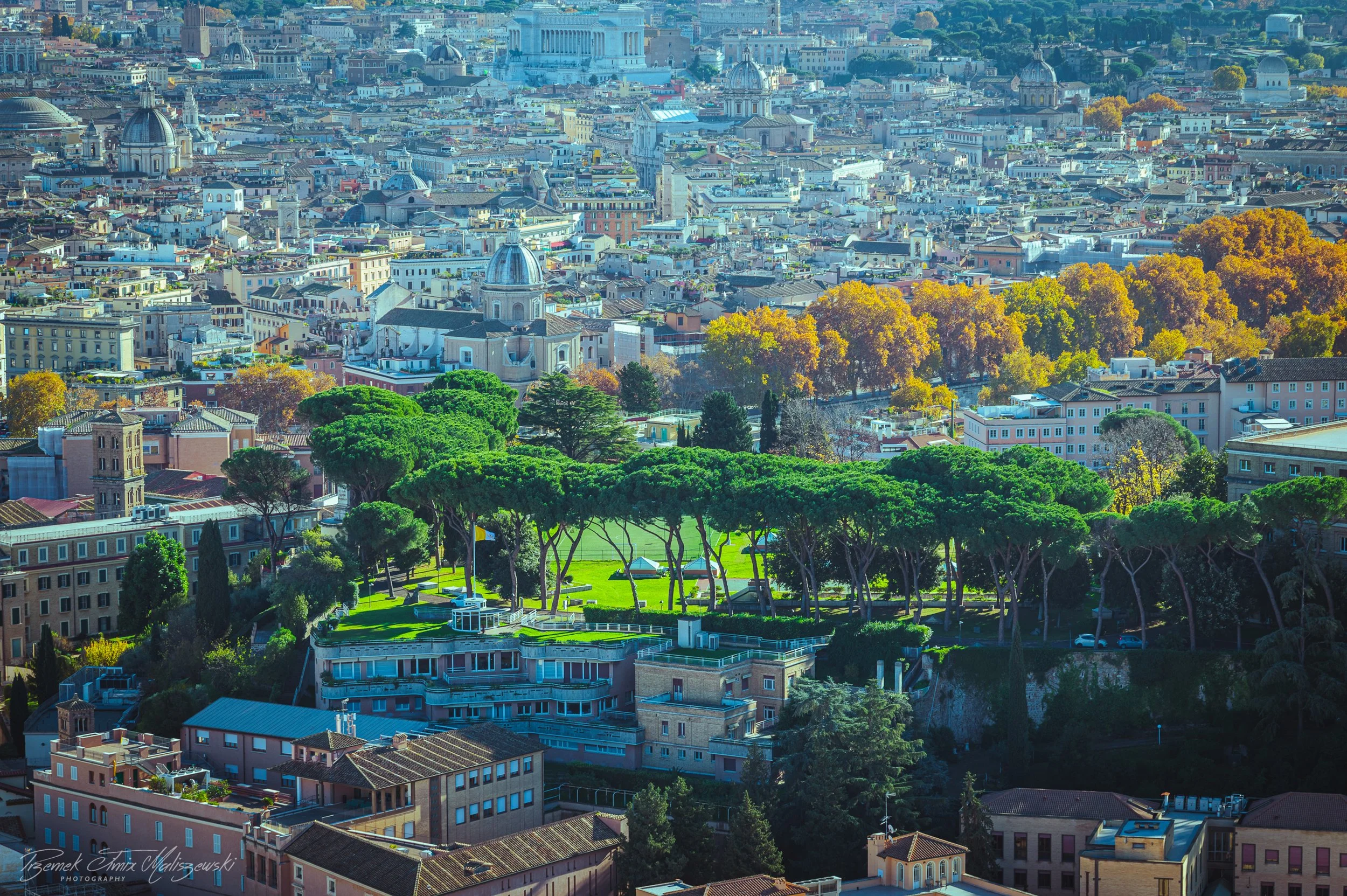
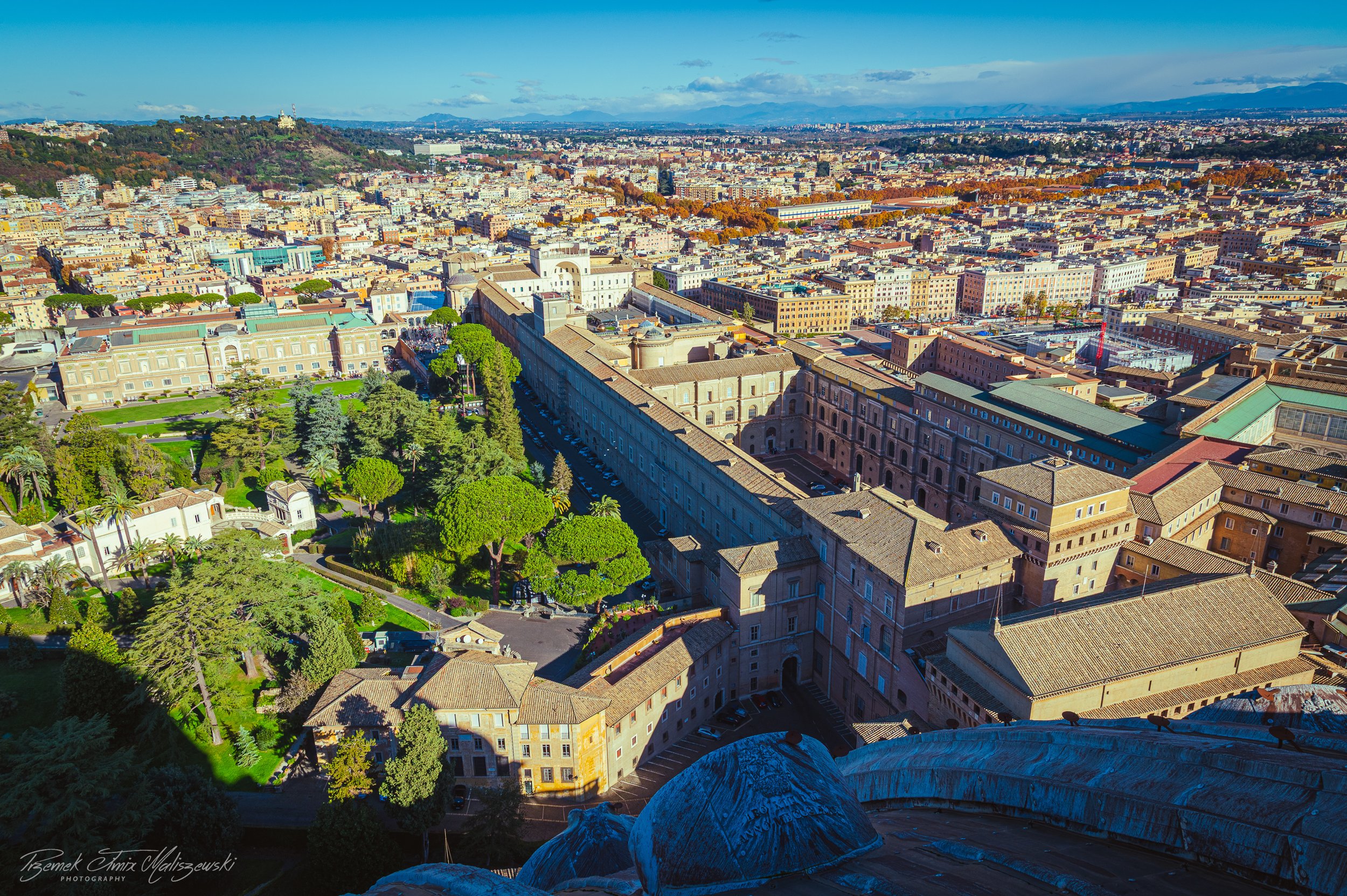
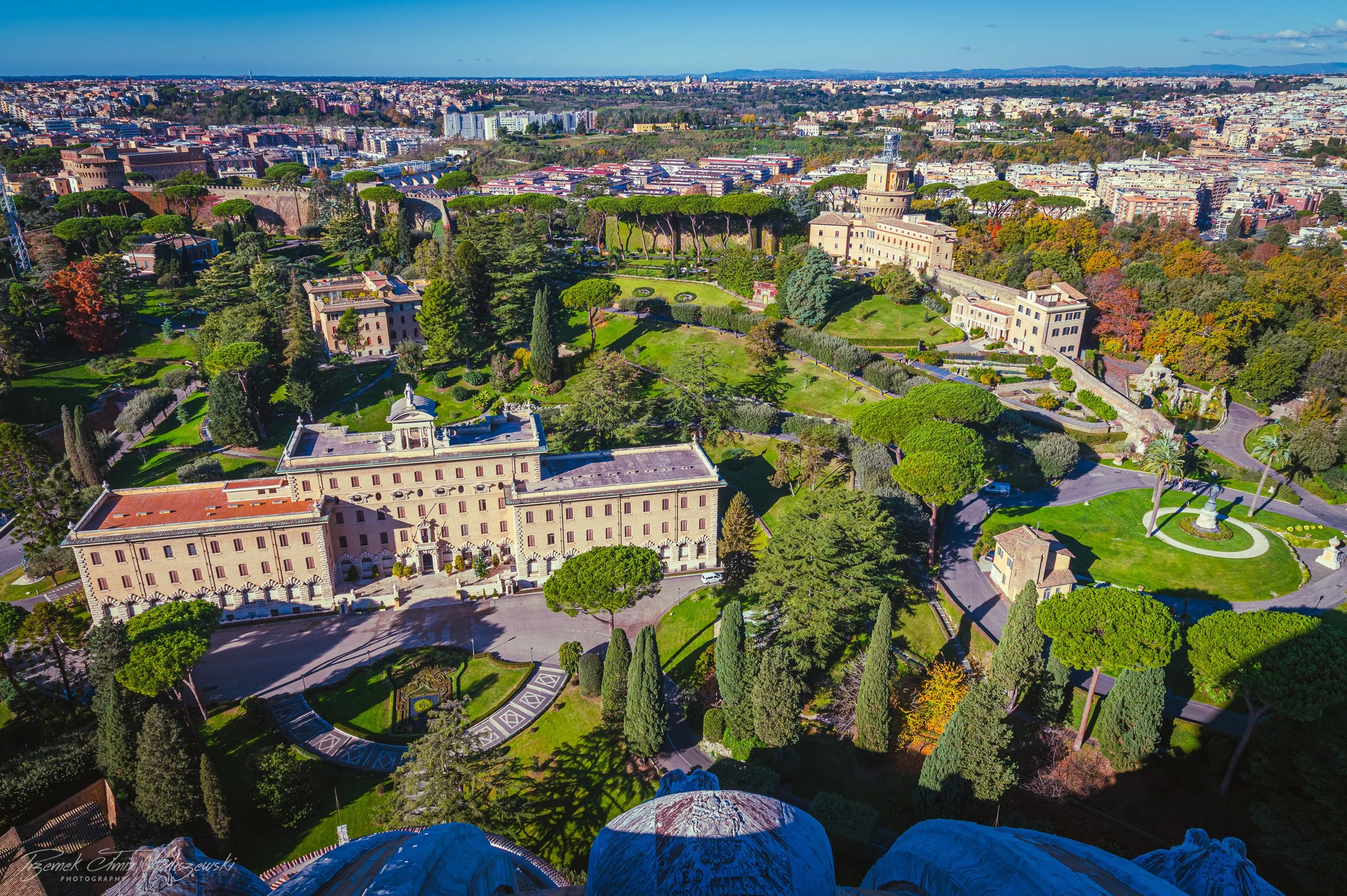
The Vatican is a place that acts so powerfully on a person for another simple reason: immutability. While writing this, I watched a video of Karol Wojtyła’s election as Pope. The camera panned over St. Peter’s Square, Bernini’s colonnade, the obelisk, and the Via della Conciliazione. I thought to myself: damn, absolutely nothing has changed. Exactly. We live in a world that changes rapidly, in every aspect. This world suffers from the excess of temporality, the surfeit of transience, if you will. Sometimes we look at photos from just a few years ago and say: 'Oh, that building is gone, there's a bank there now, those trees weren't there yet, and there’s a new road over there.' We are used to everything being in flux. Everything evolves. Here something is built, there something disappears; elsewhere, something is demolished to make way for a housing estate. Roads are widened, trees are removed, facades are altered, repainted, murals appear and vanish, skyscrapers or shopping malls sprout on once-wild meadows near new expressways. And here I am, watching a video from nearly half a century ago, seeing the exact same places where I was walking just recently. Places that still look the same, that don't feel foreign, and don't provoke thoughts like: 'oh, wow, how everything has changed’.
May 13, 1981.
This endurance, this stone, this immutability—it is yet another link between the past and the present. Much like the marker, a white marble plaque embedded in the pavement of the Square (on the right side as you face the Basilica, roughly where the arc of the colonnade ends its run) commemorating the spot of the assassination attempt on John Paul II. I very much wanted to be in that place, to physically locate it within the space of the Square, and we succeeded. Moreover, we didn't look up information on its location; instead, we found it by analyzing the perspective seen in the video from that day. We wanted to find it ourselves. It is another anchor in time. It happened here. Exactly here. You stand there, and history unfolds before your eyes. It is truly extraordinary.
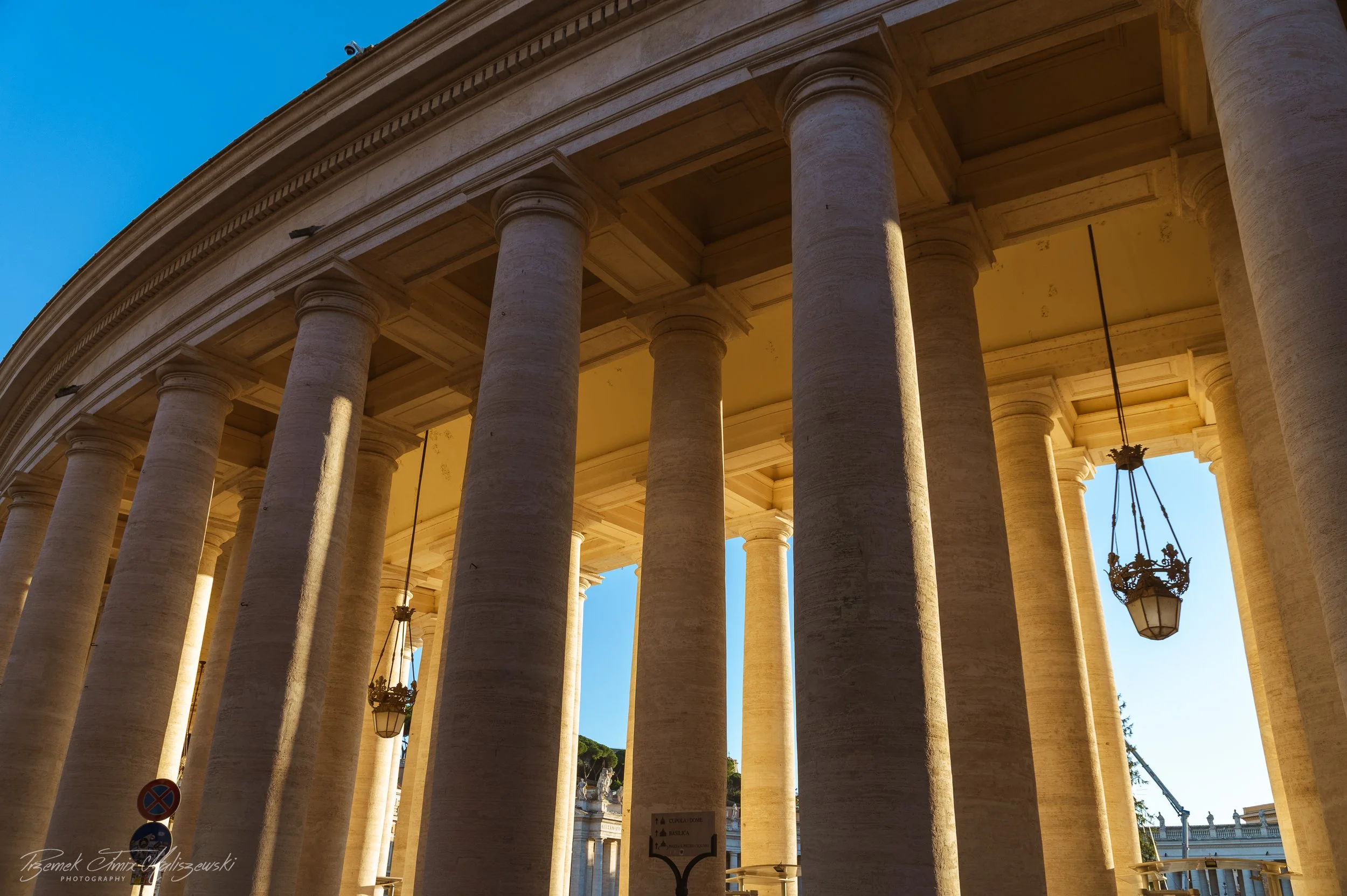
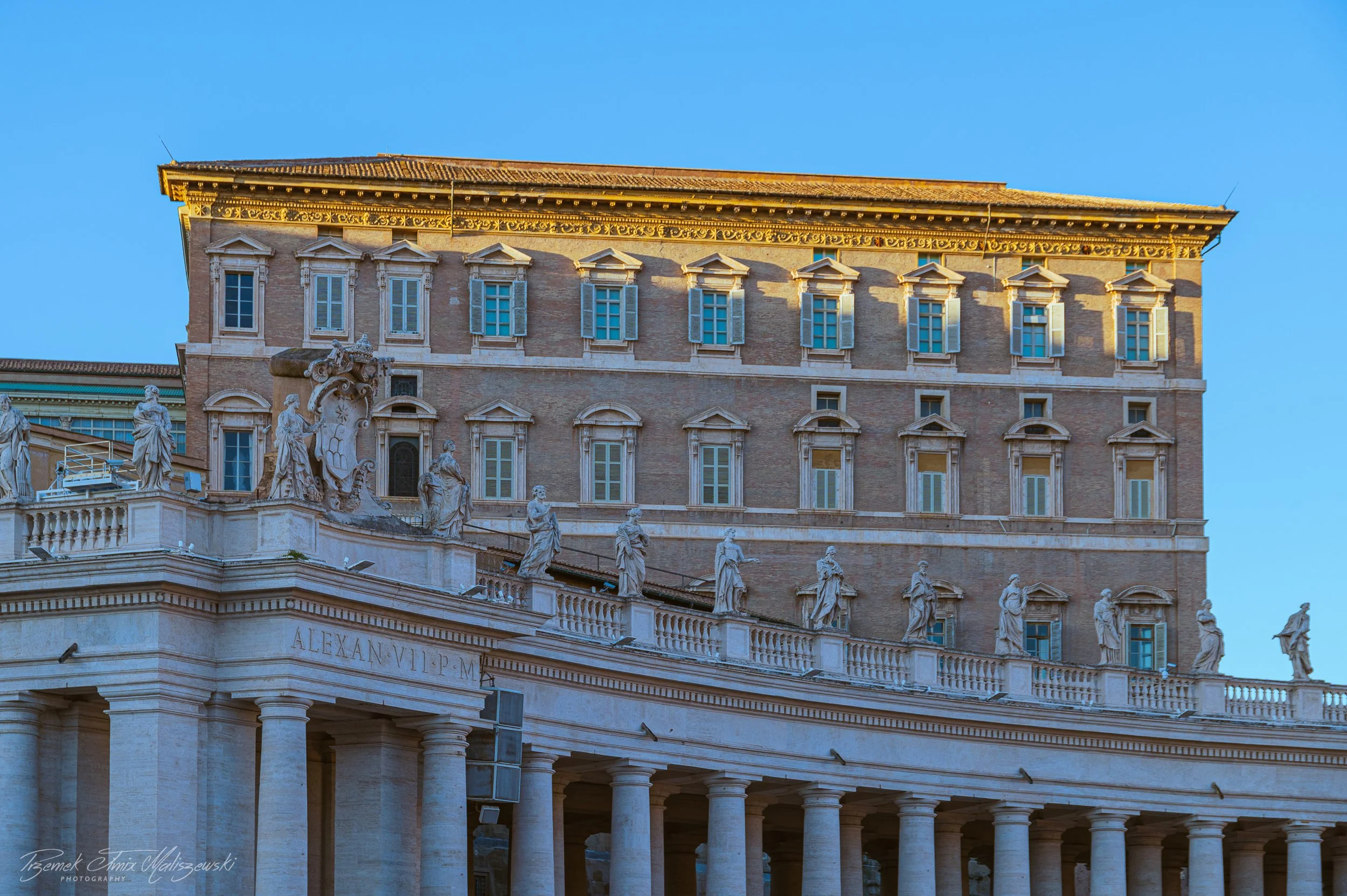
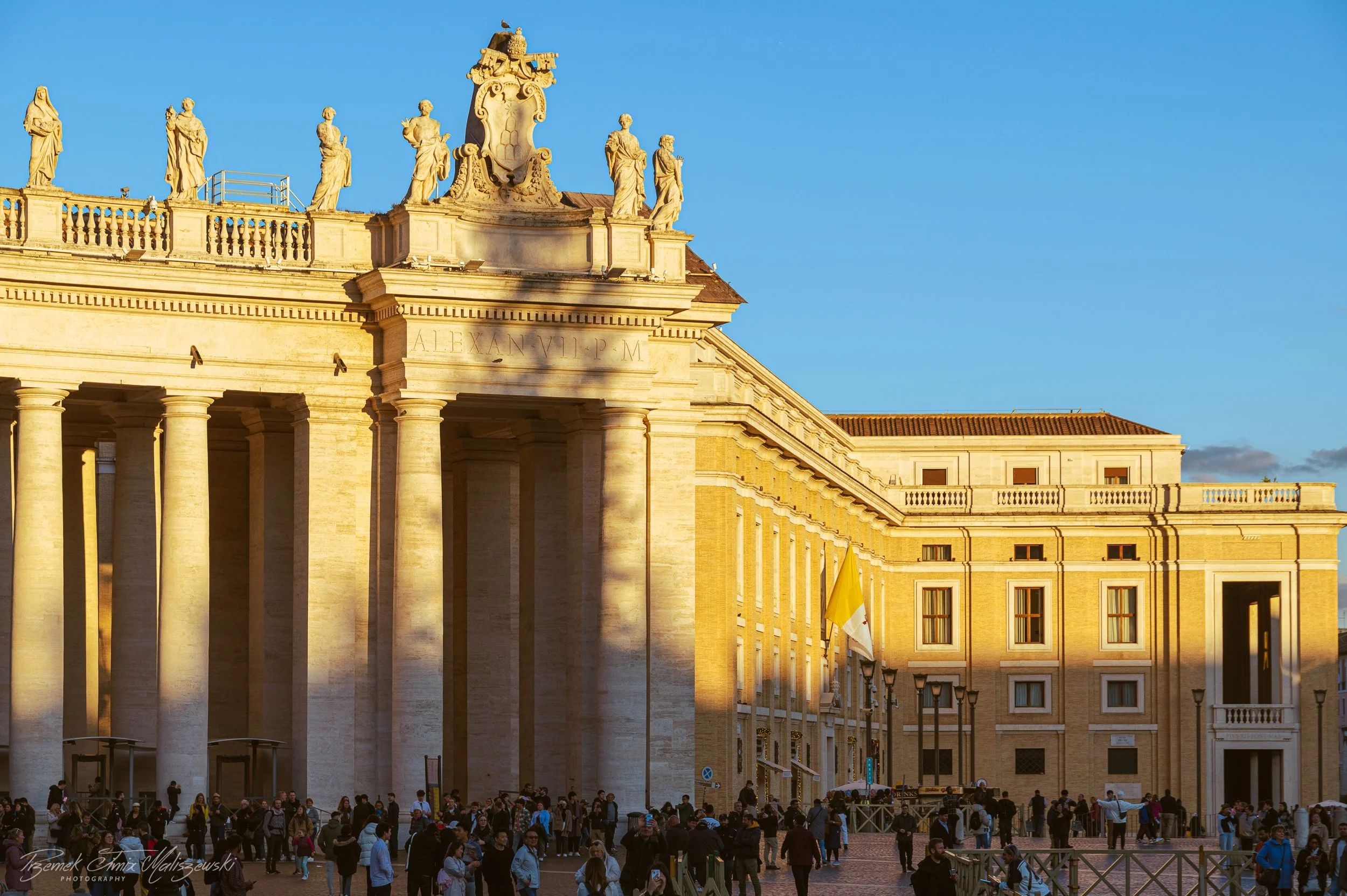
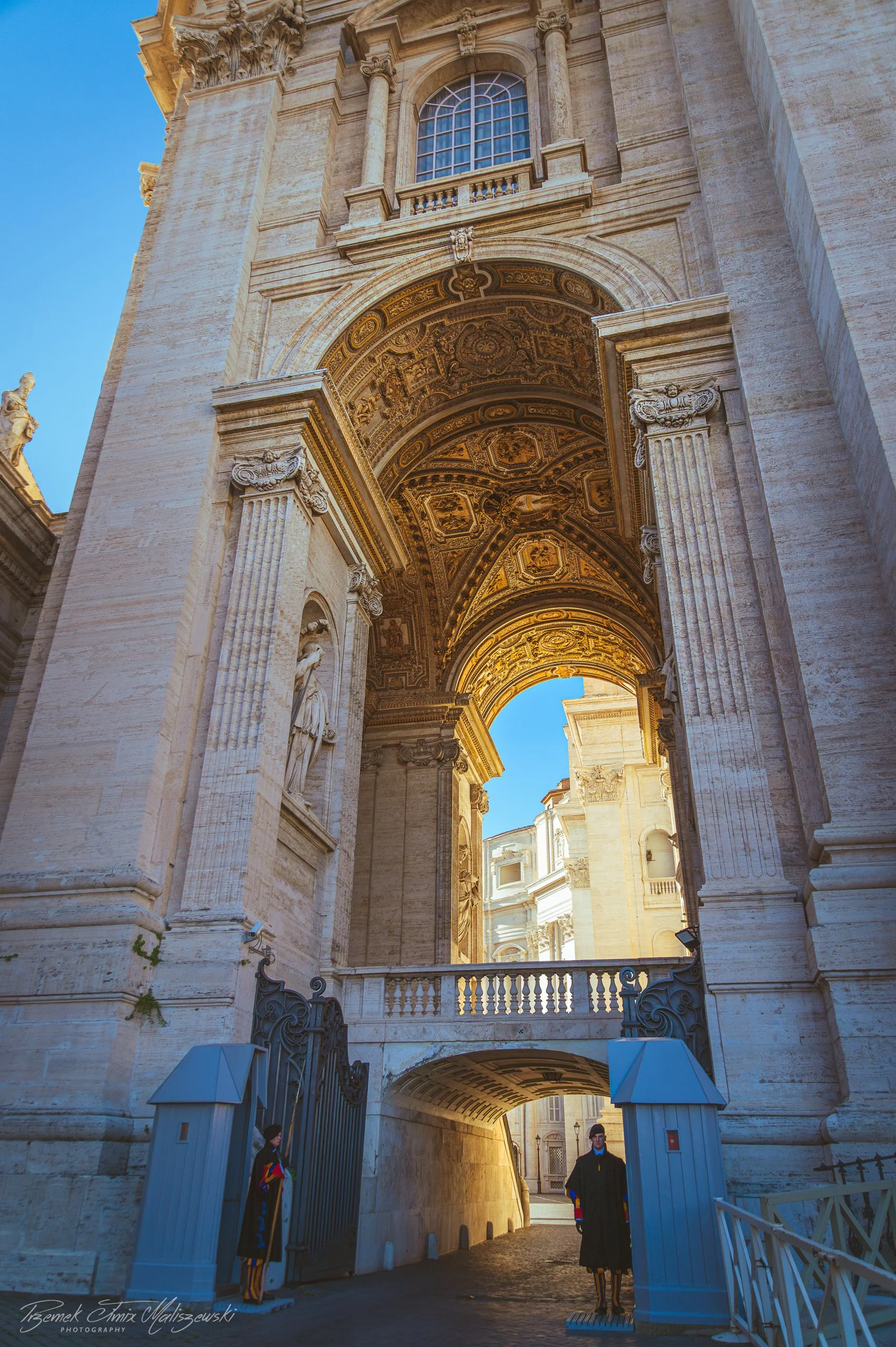
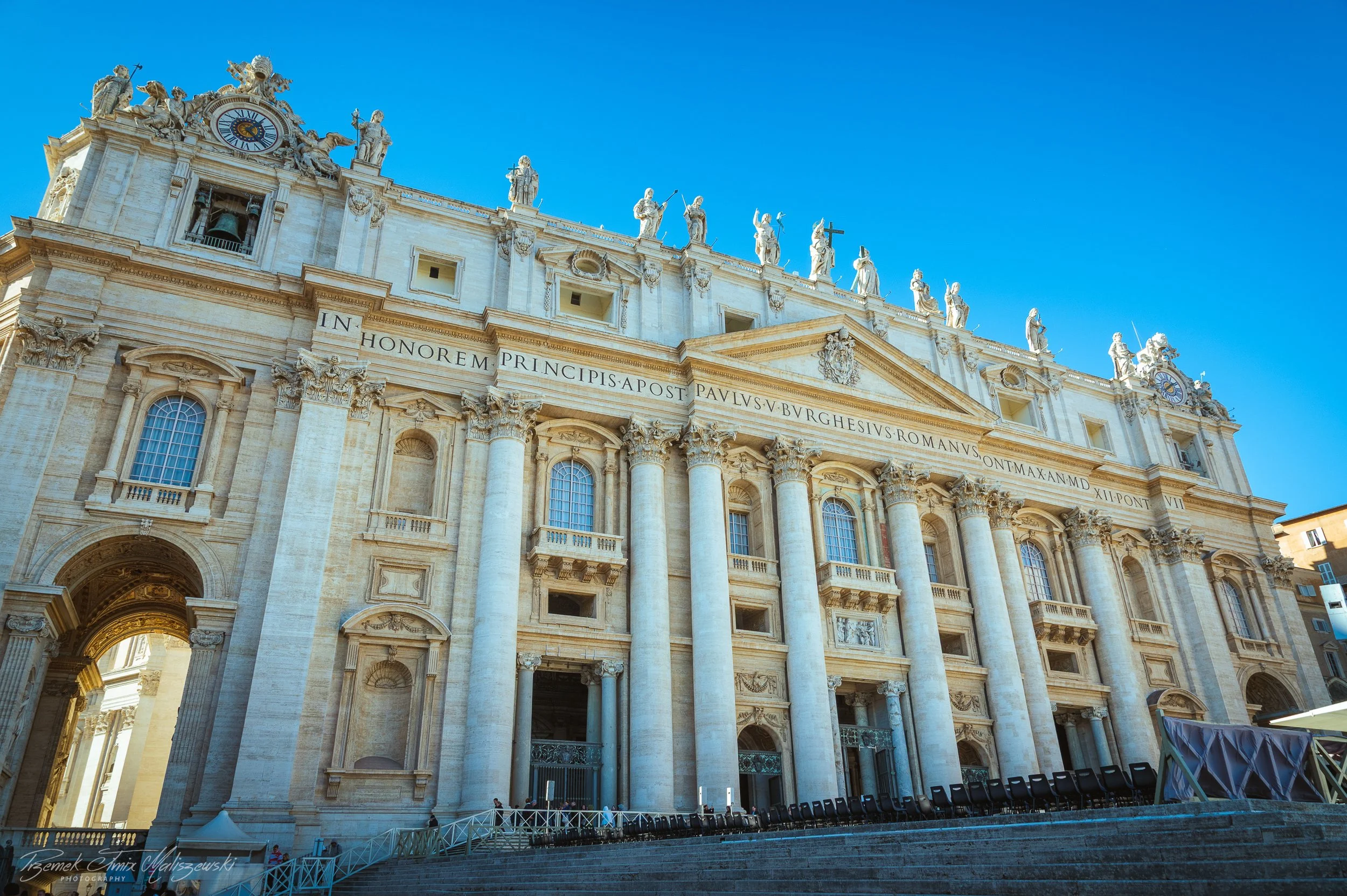
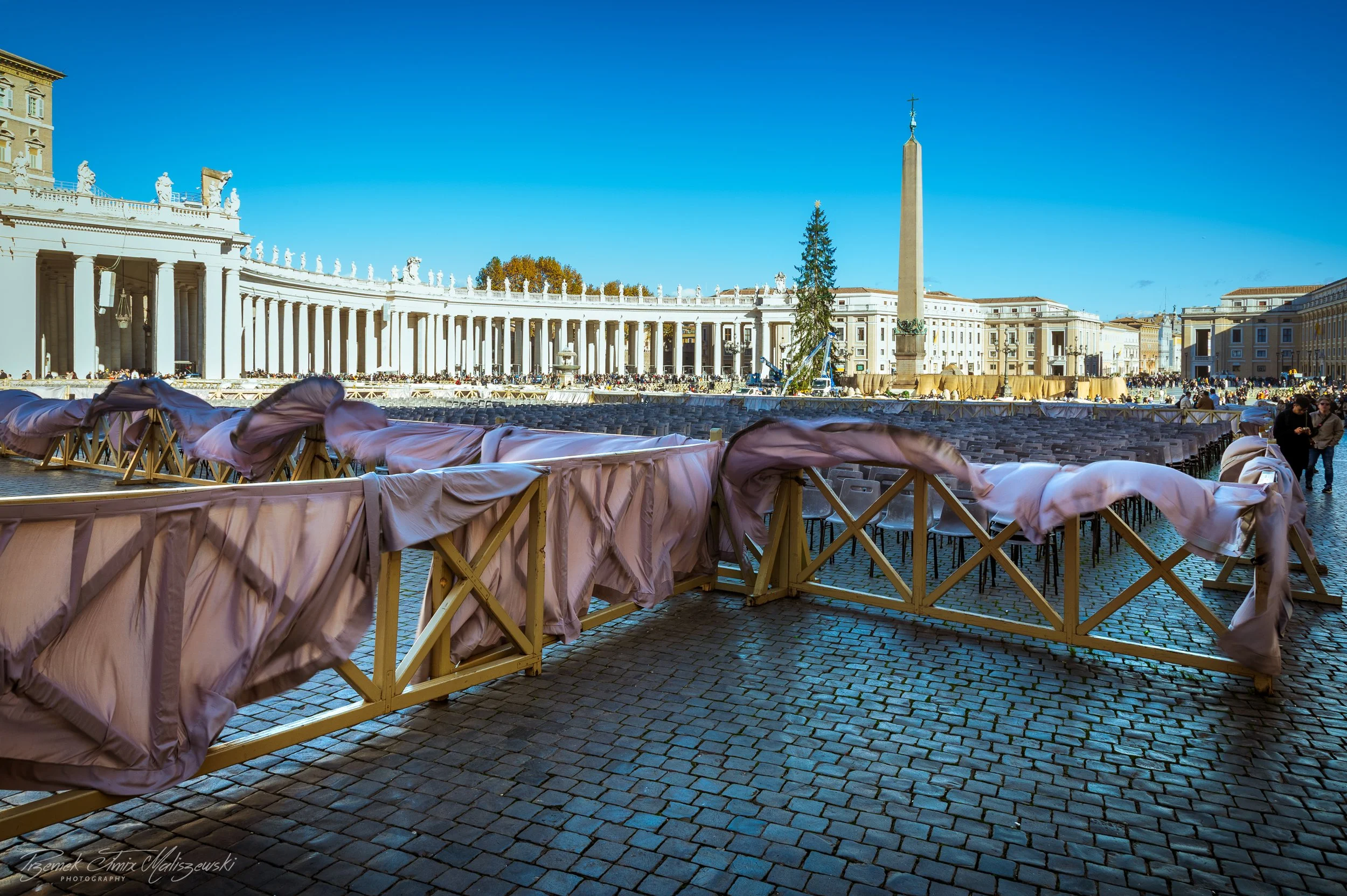
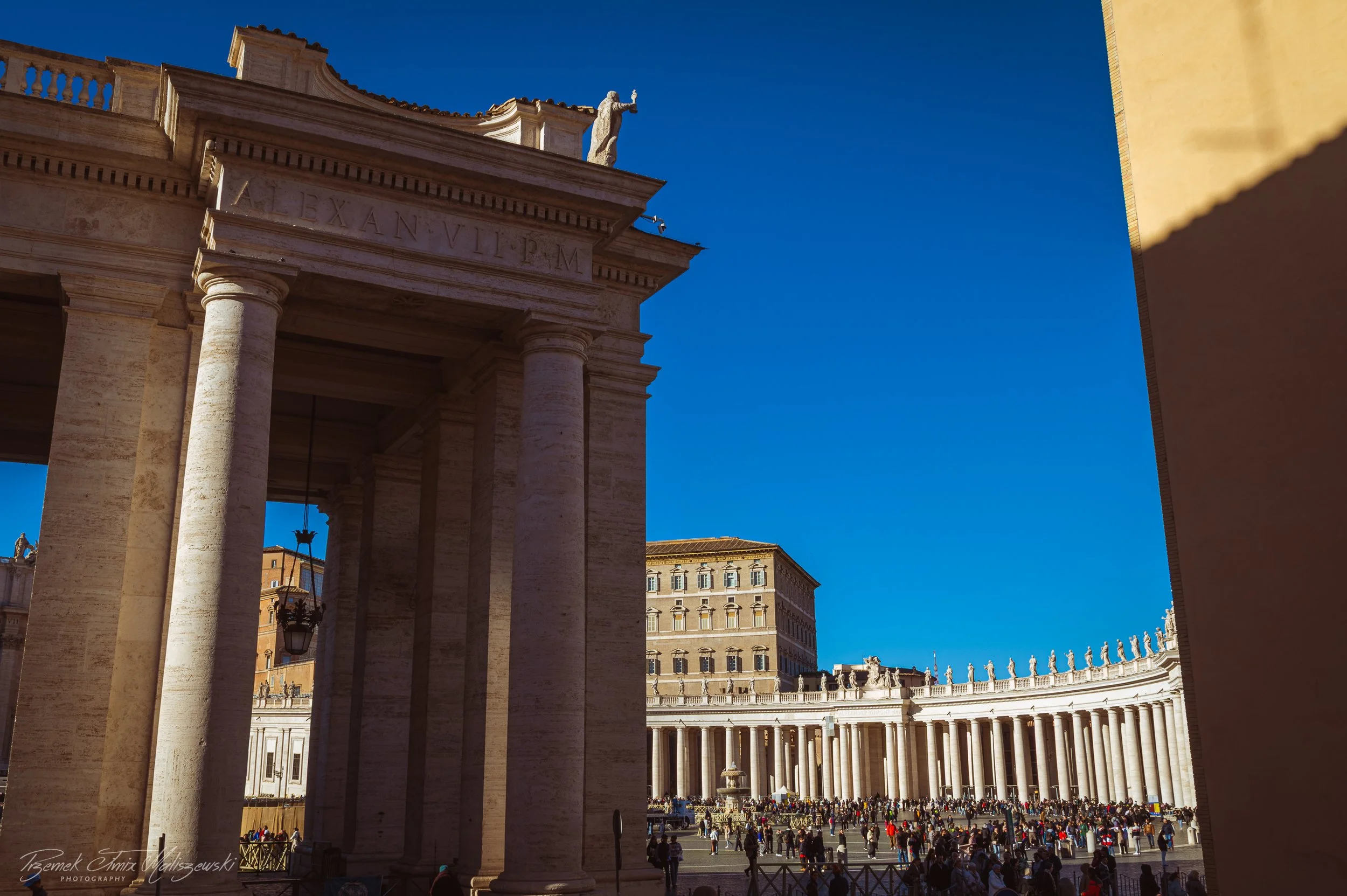
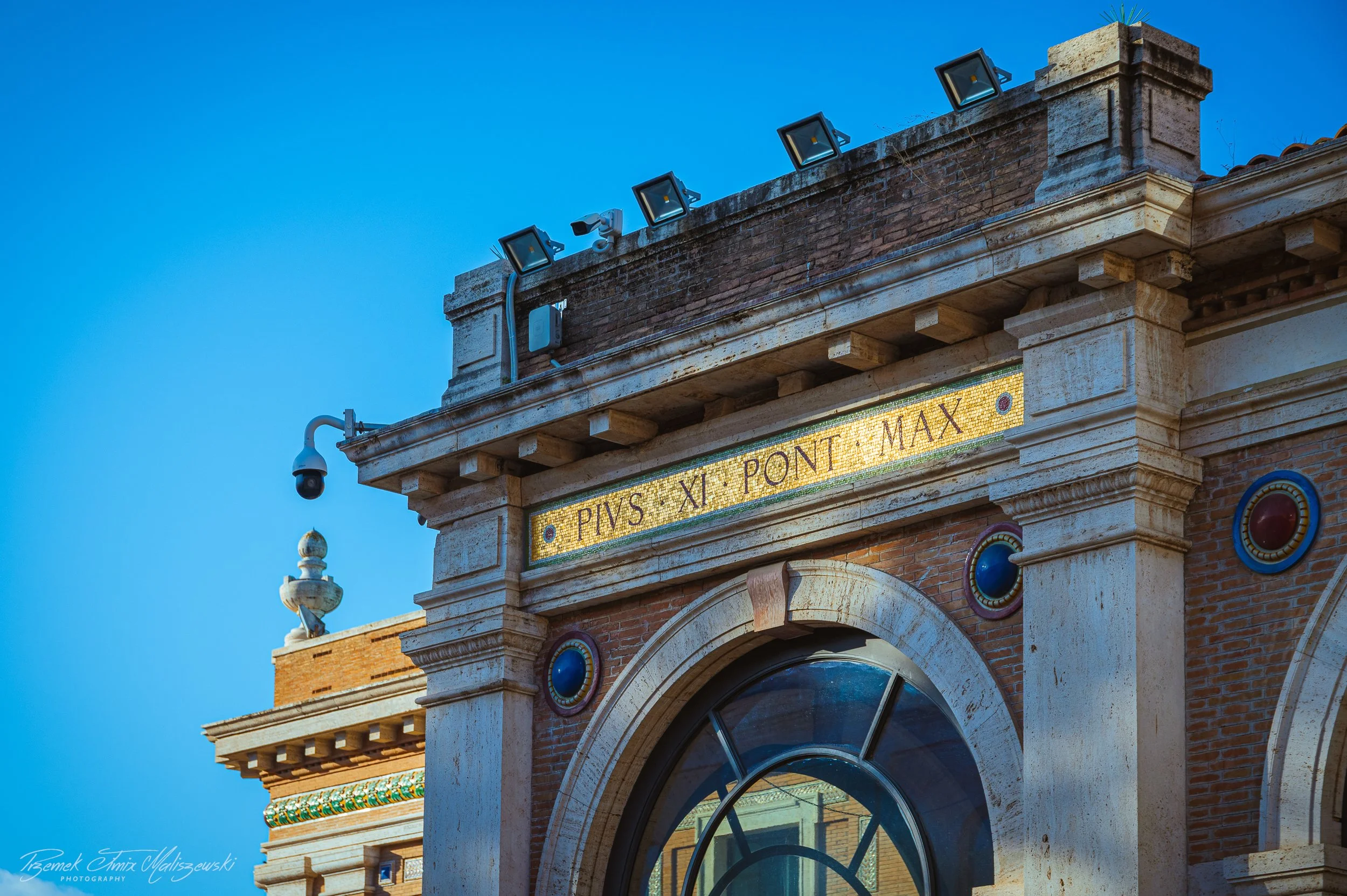
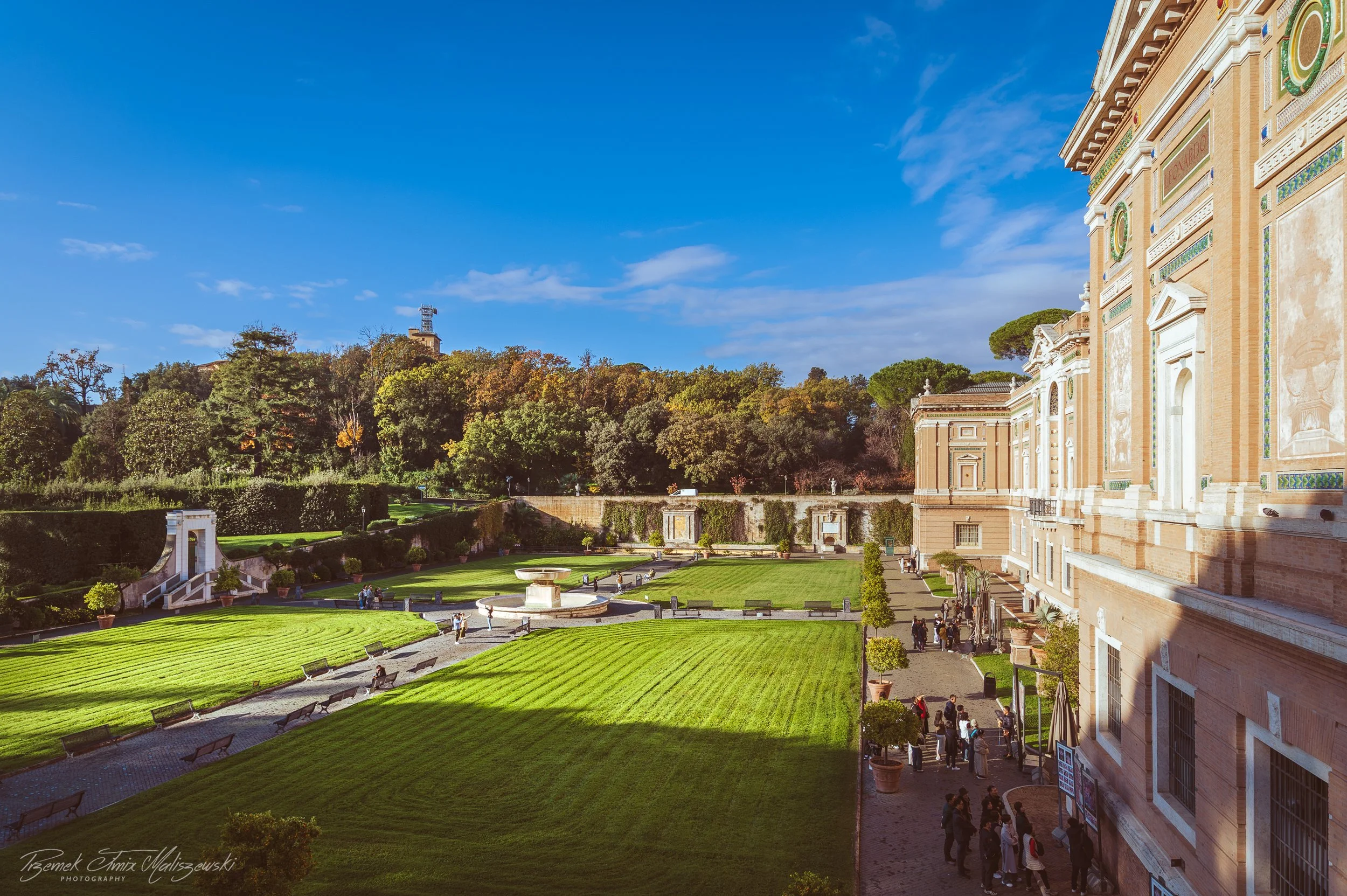
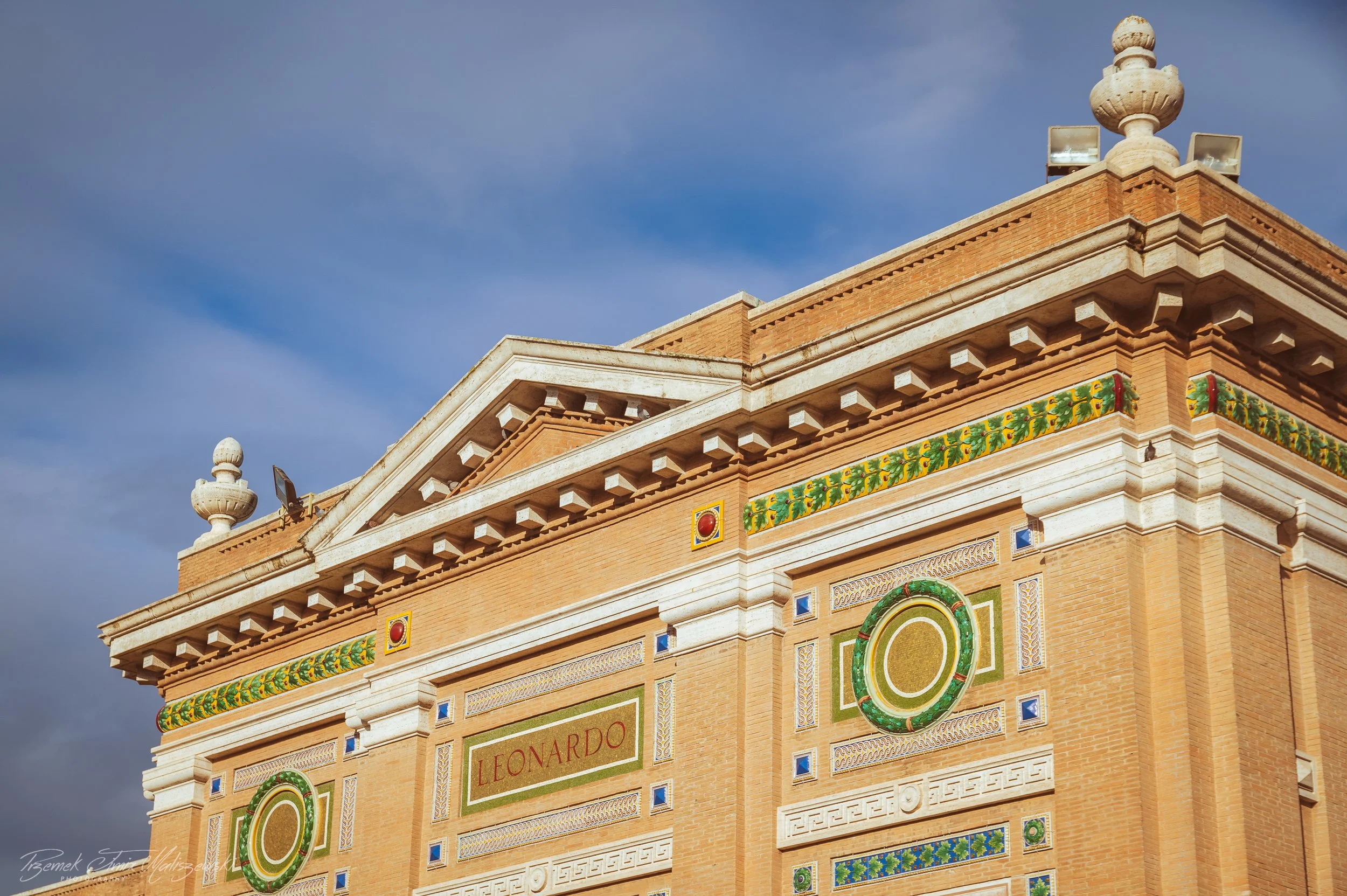
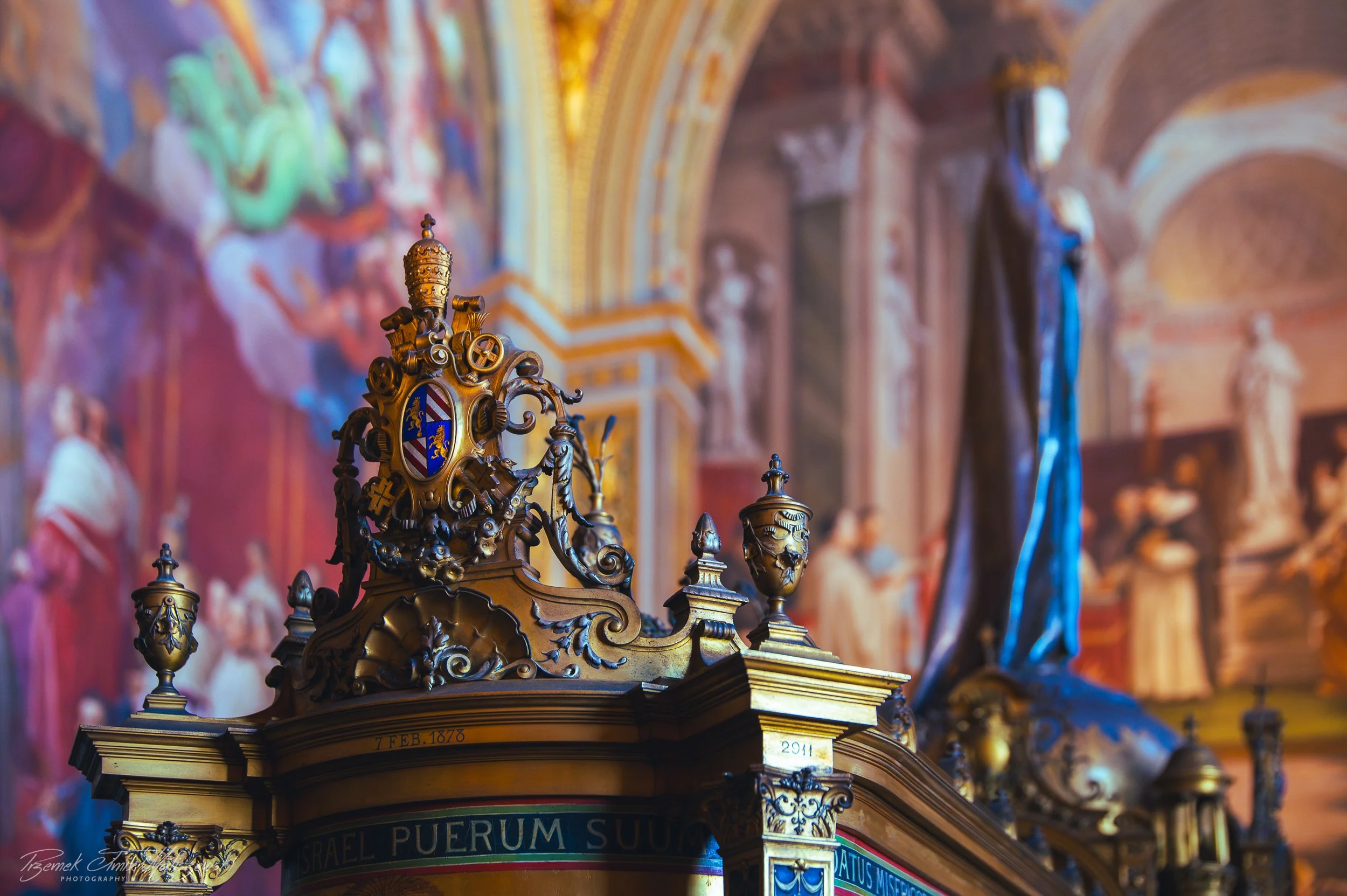
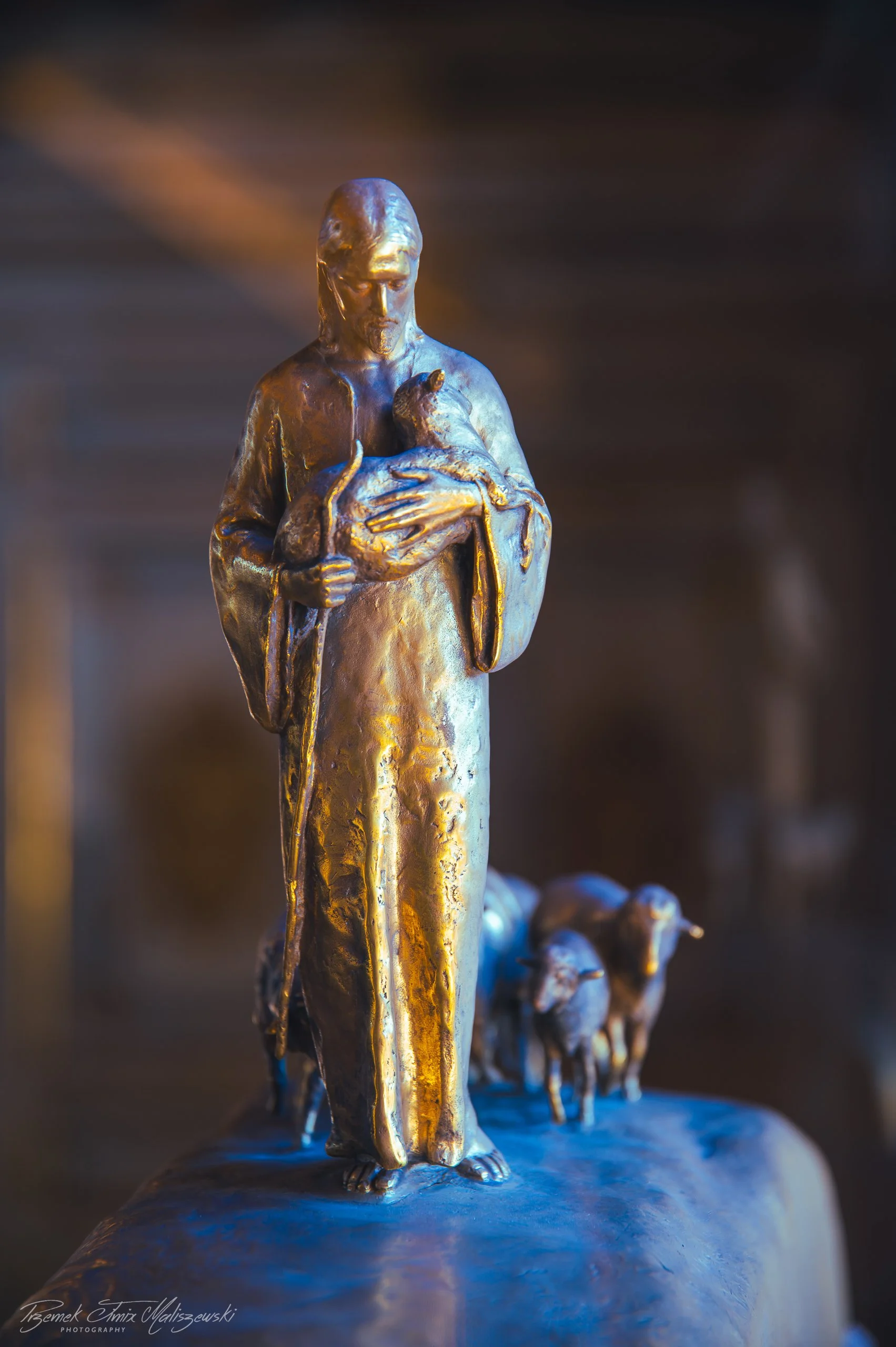
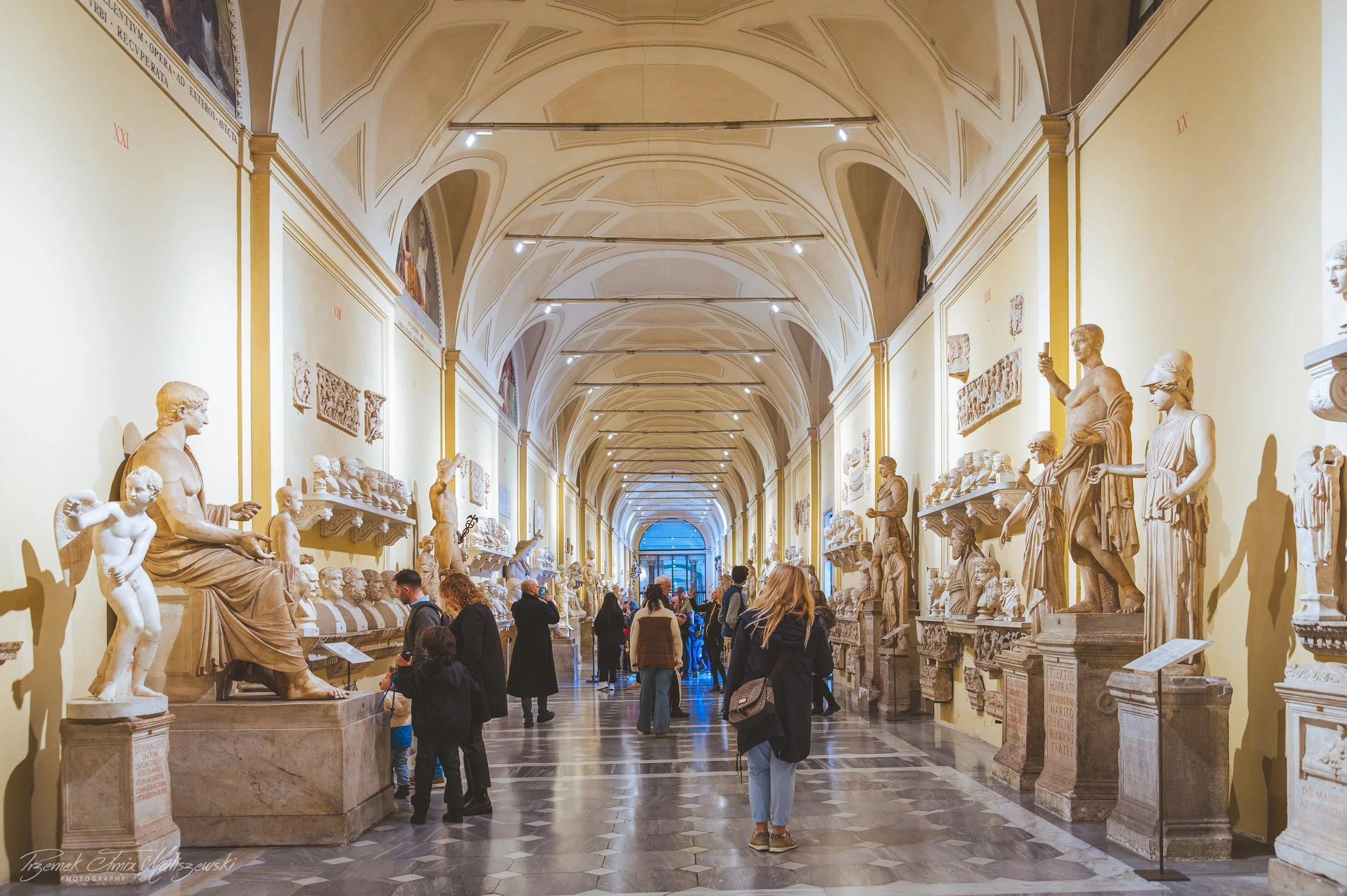
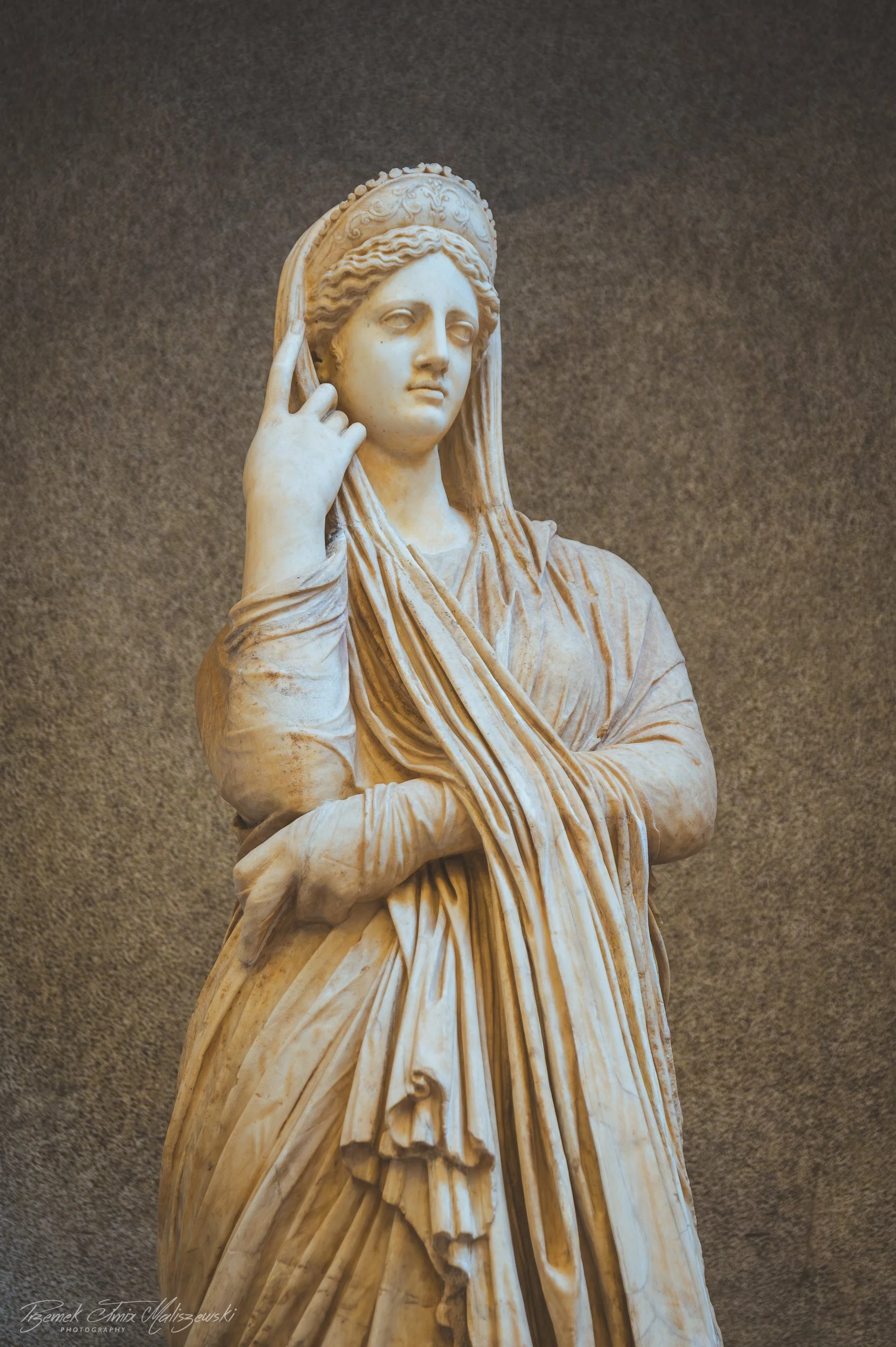
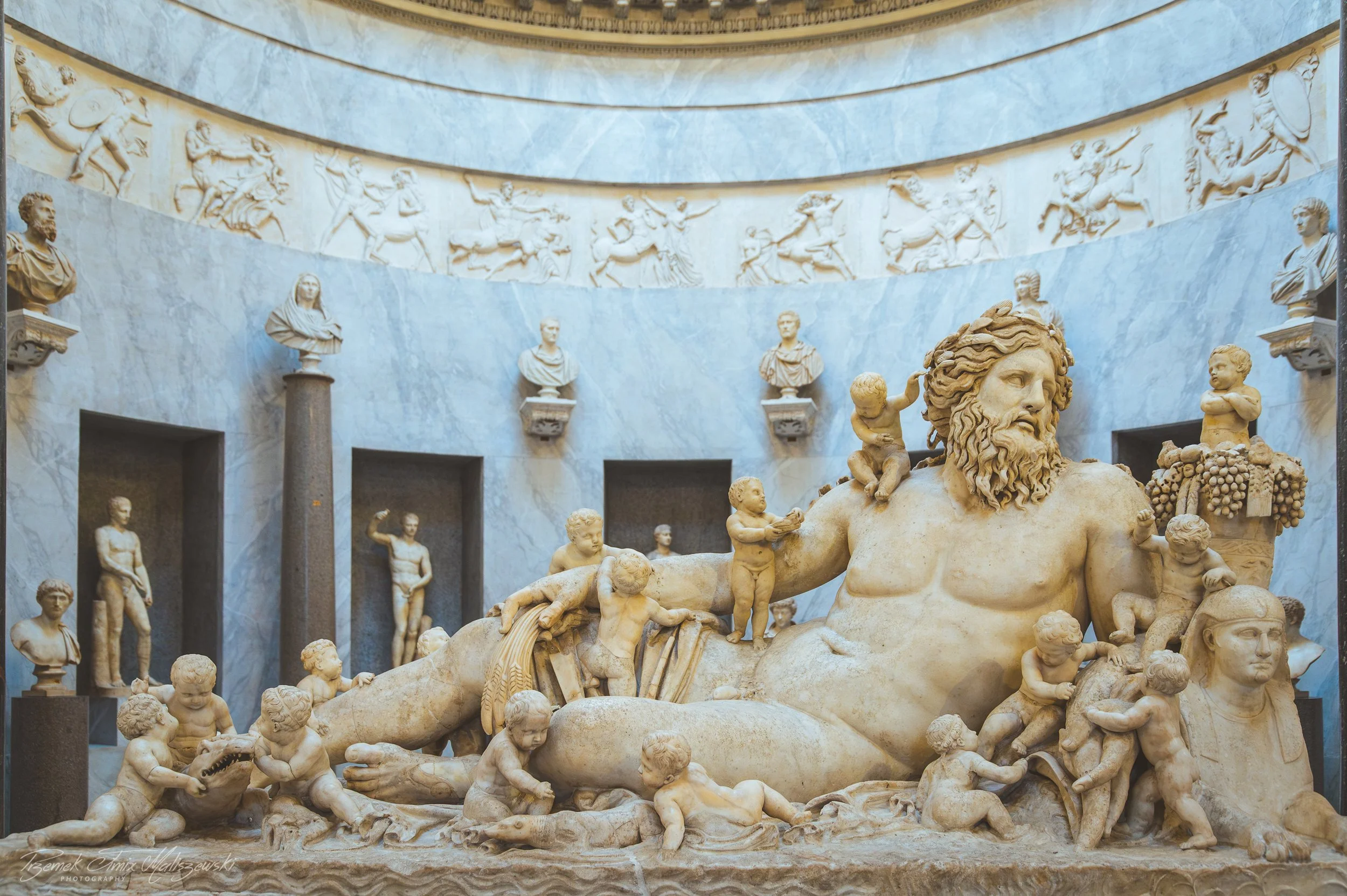
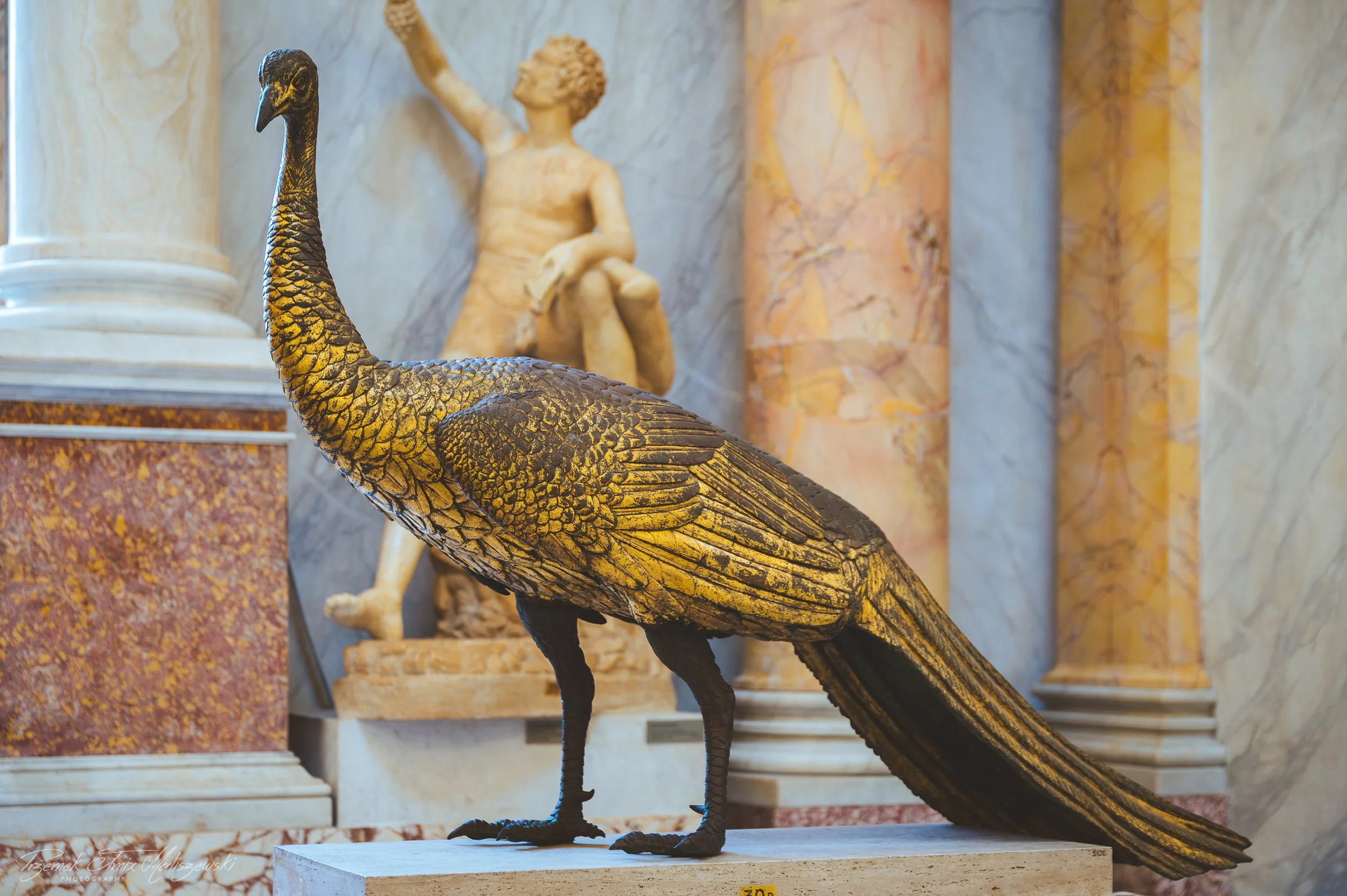
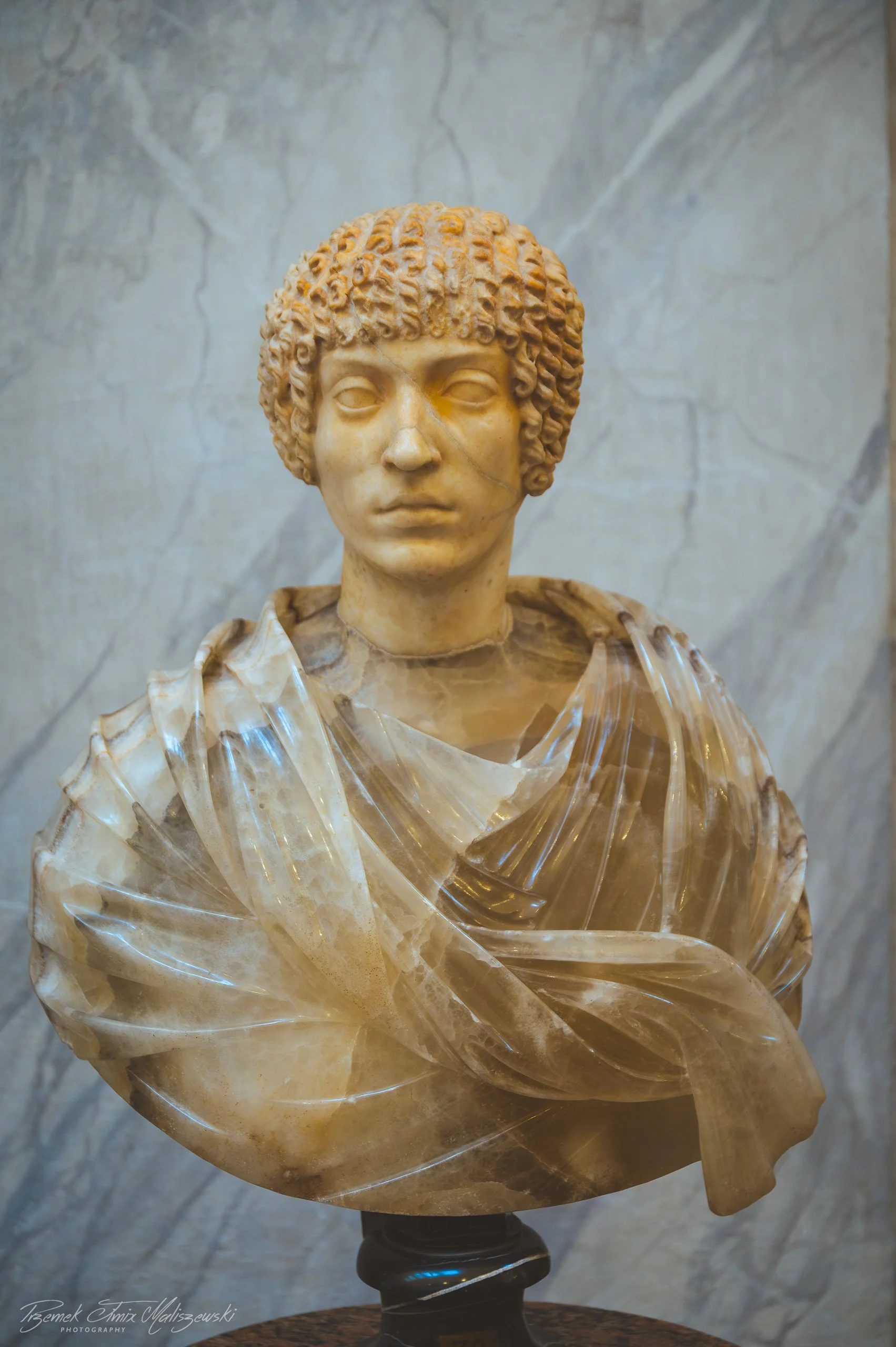
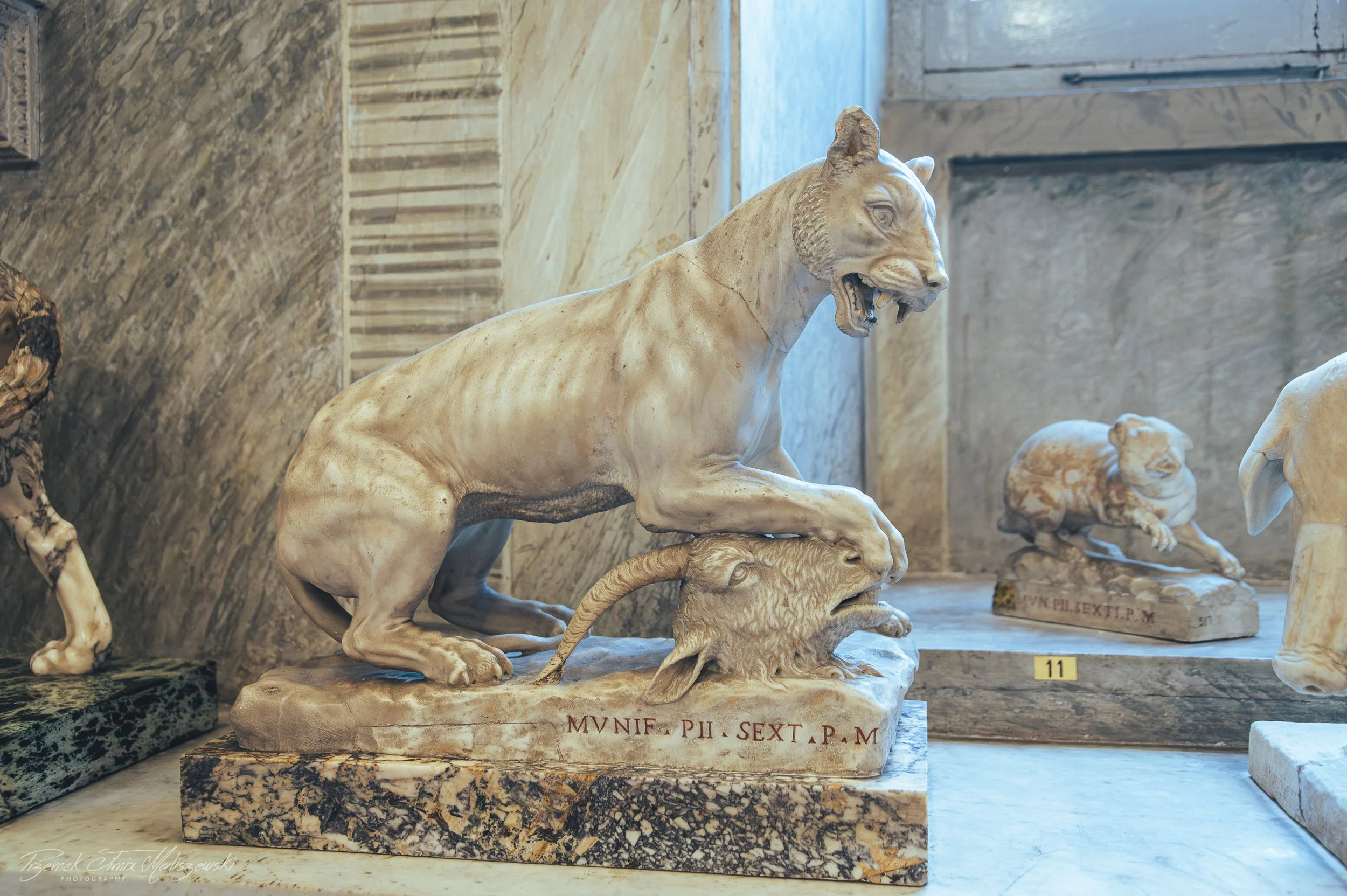
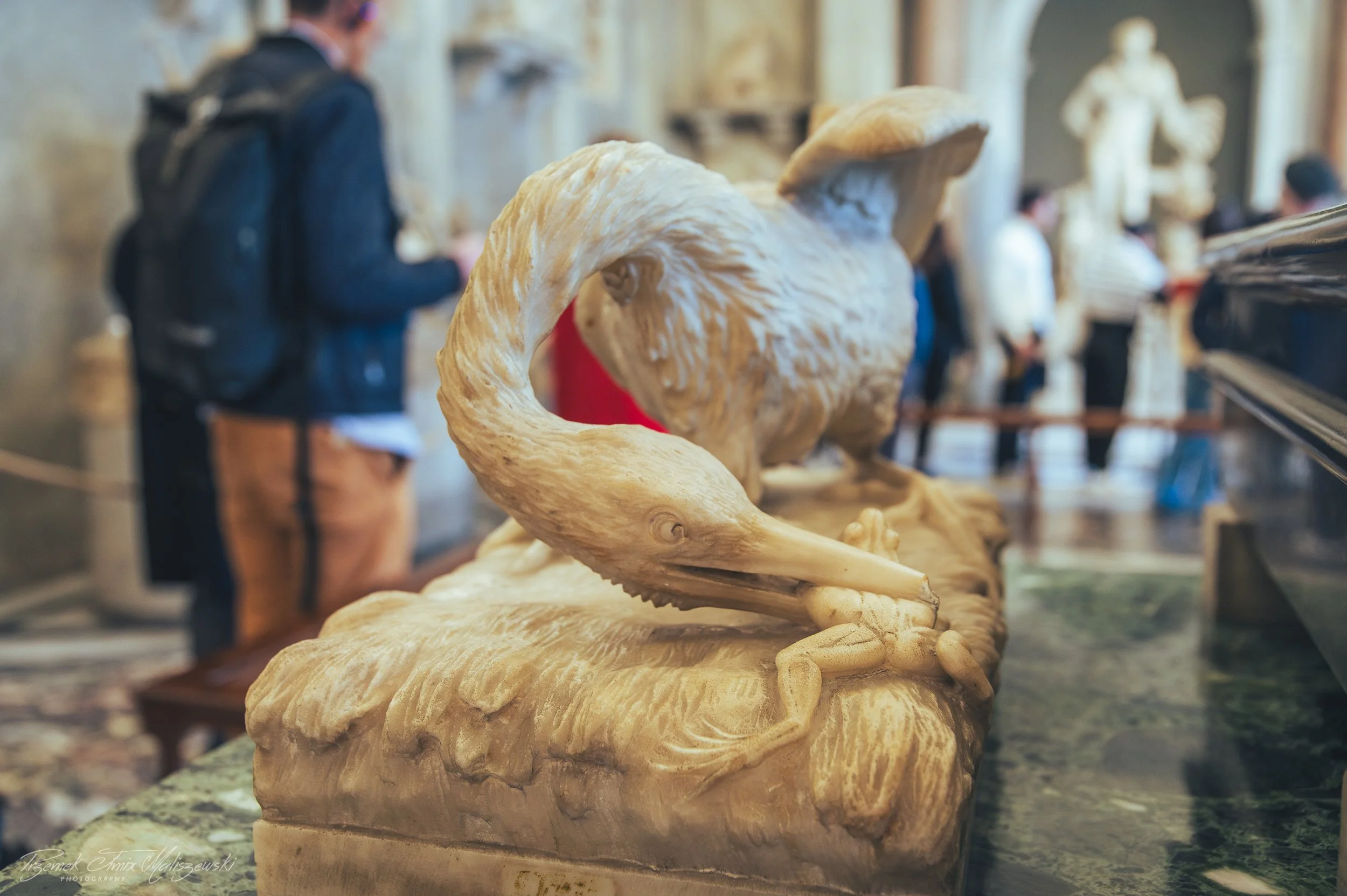
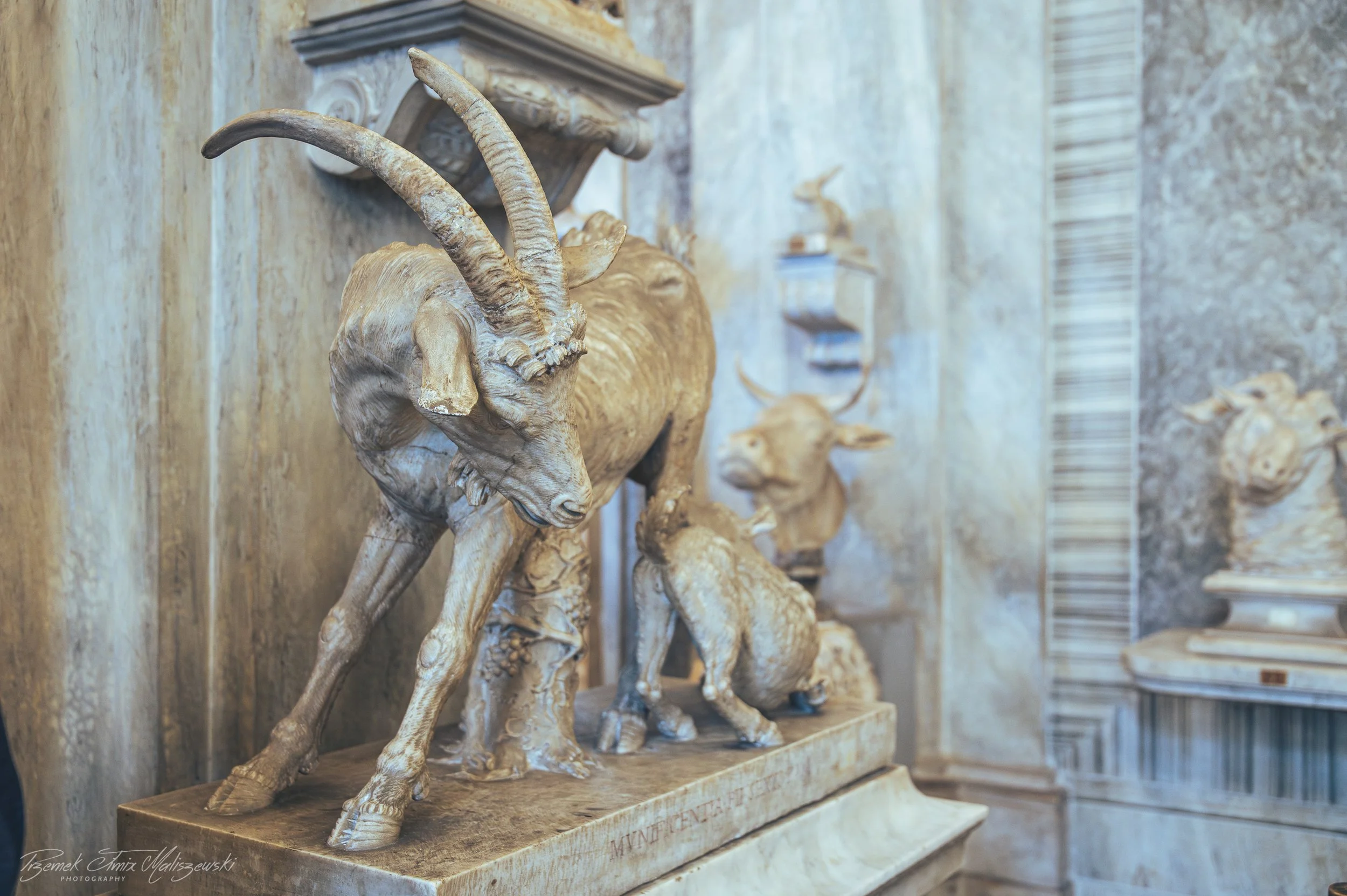
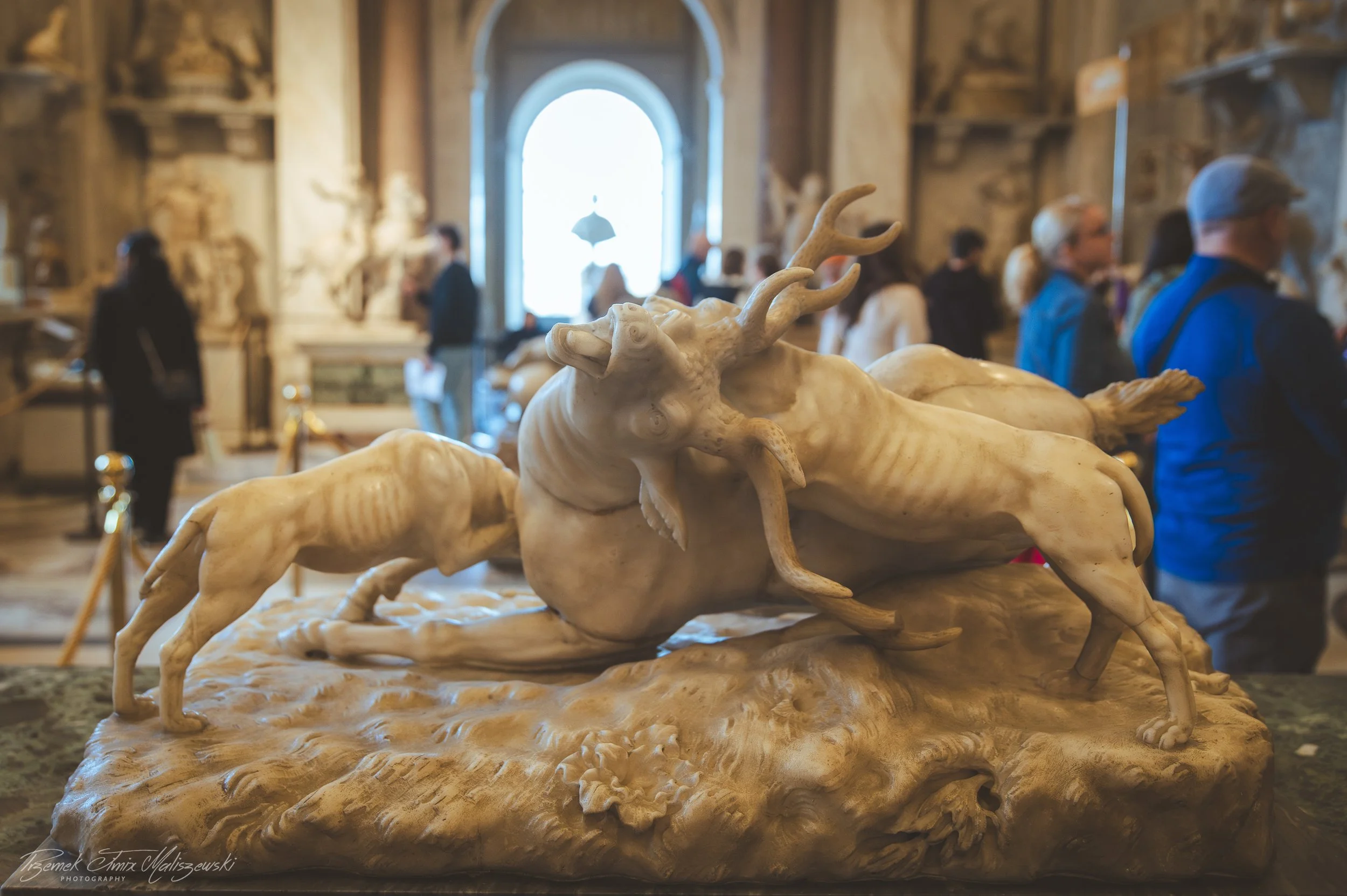
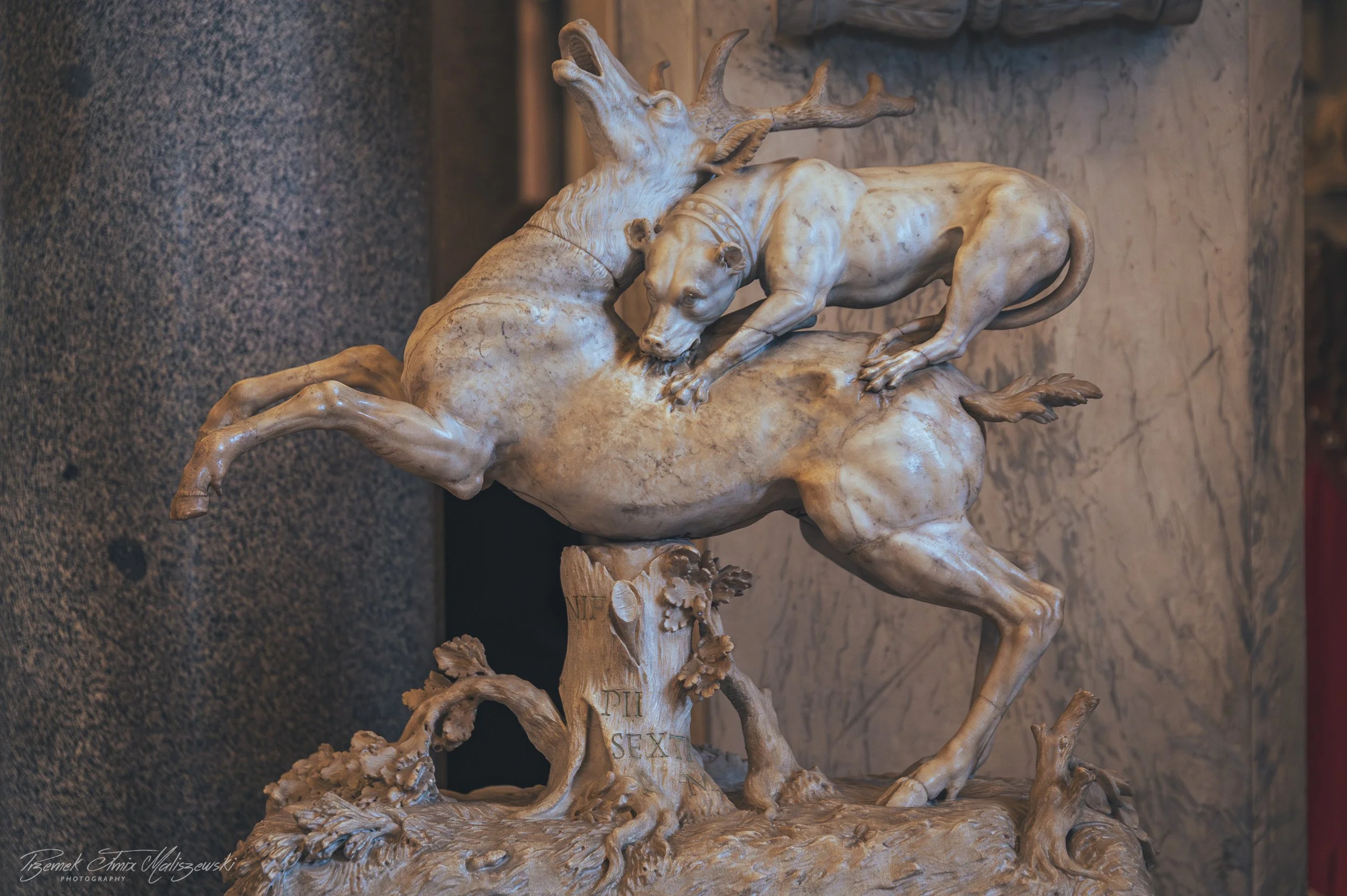
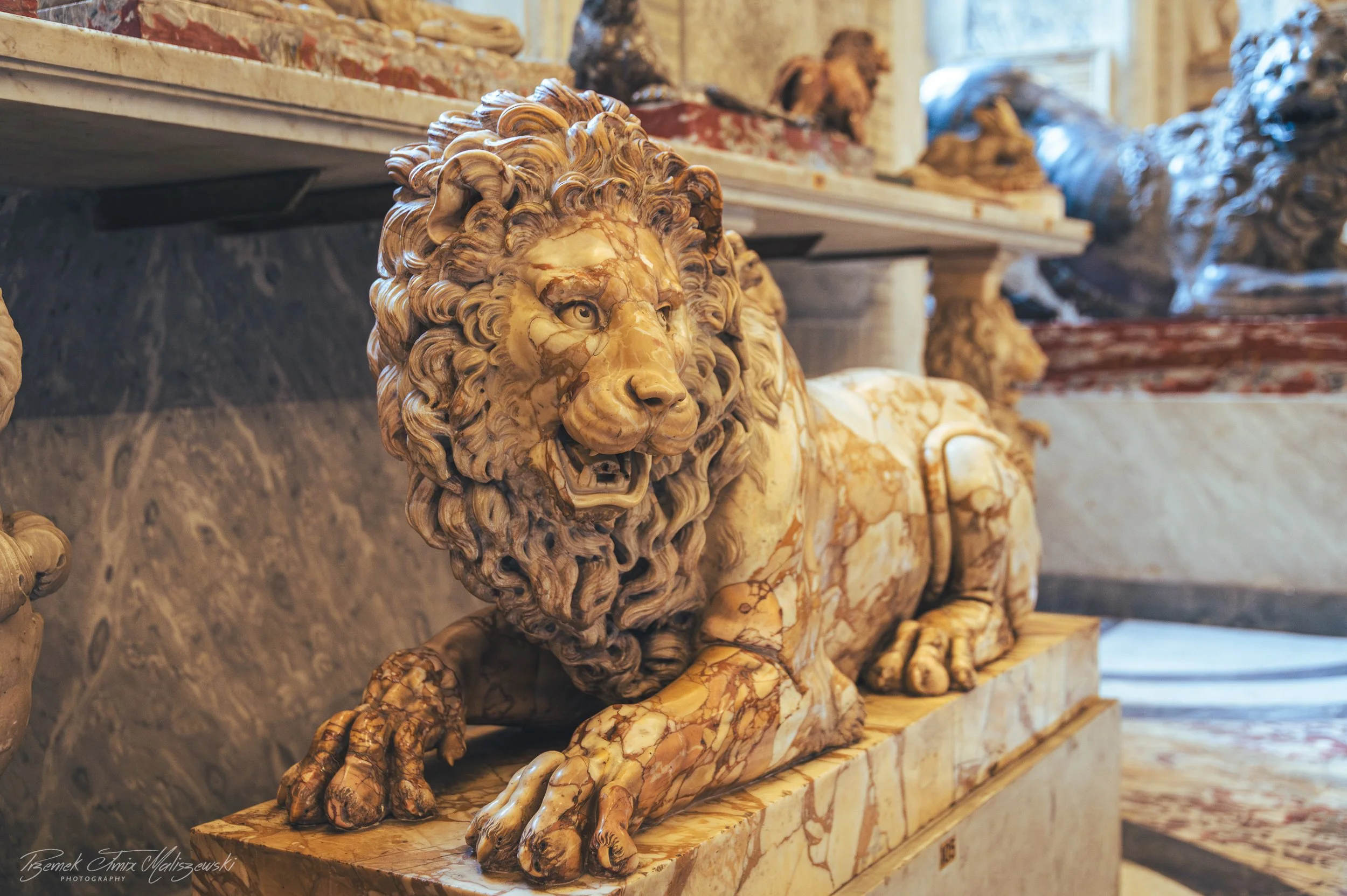
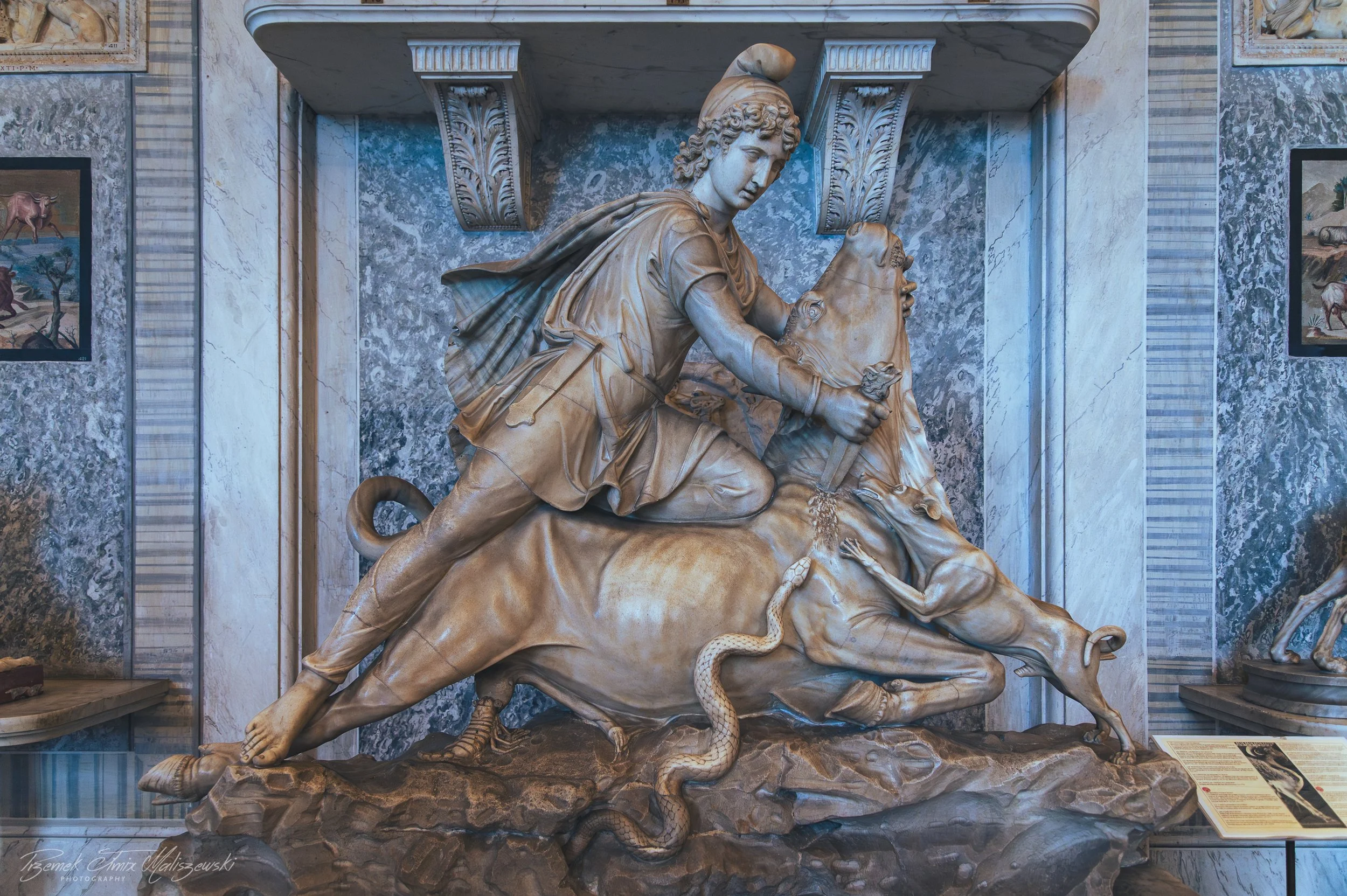
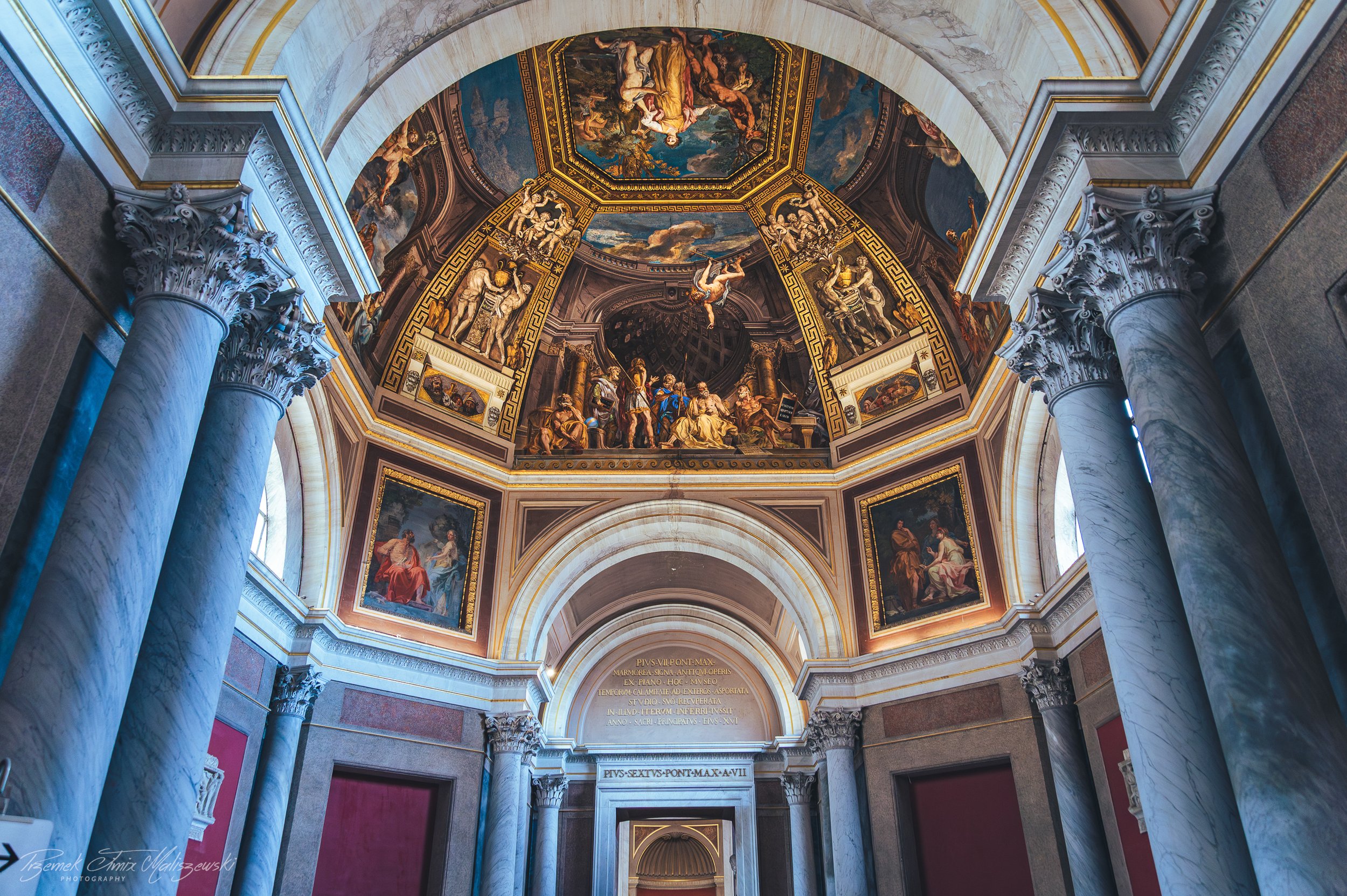
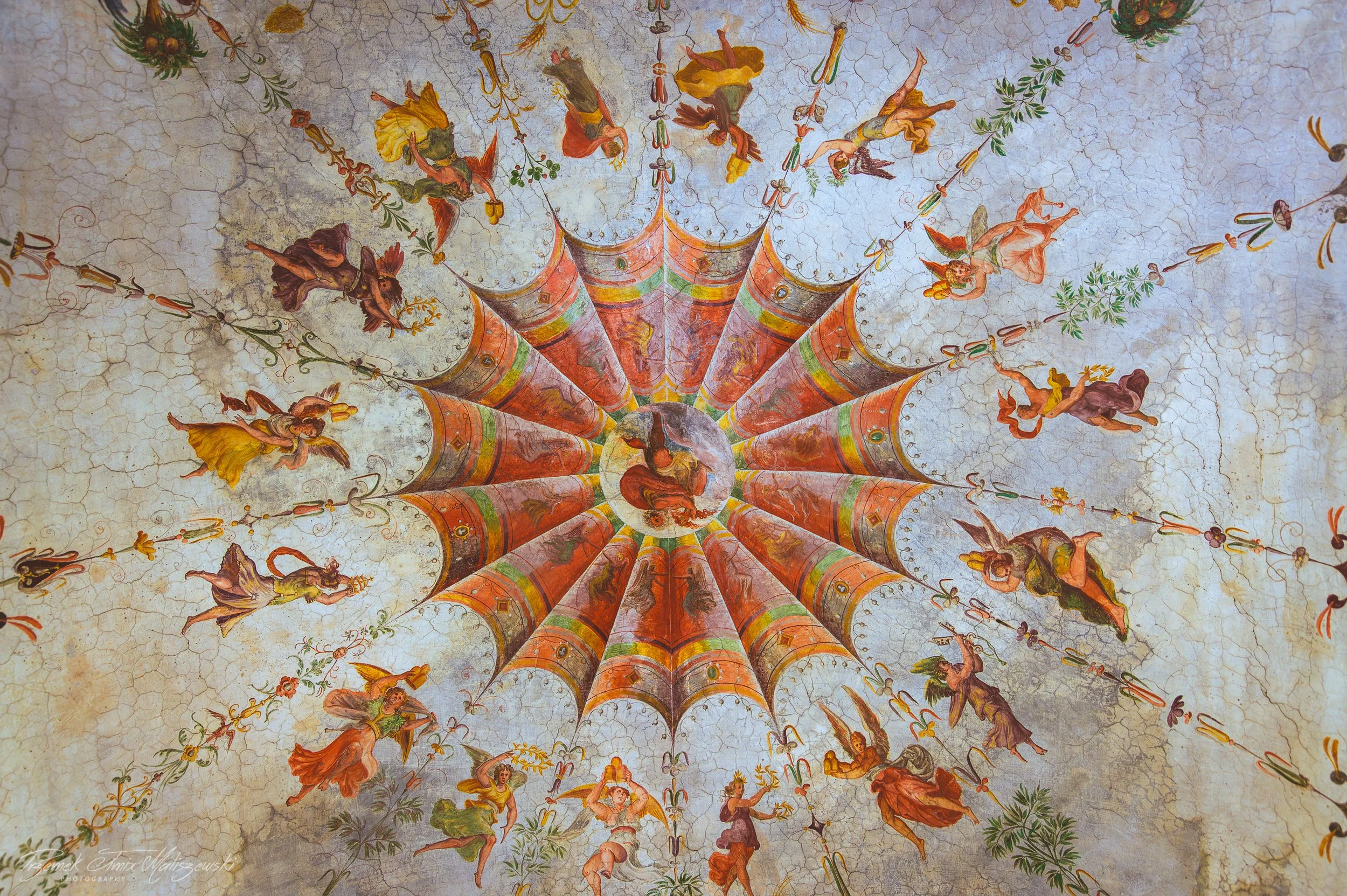
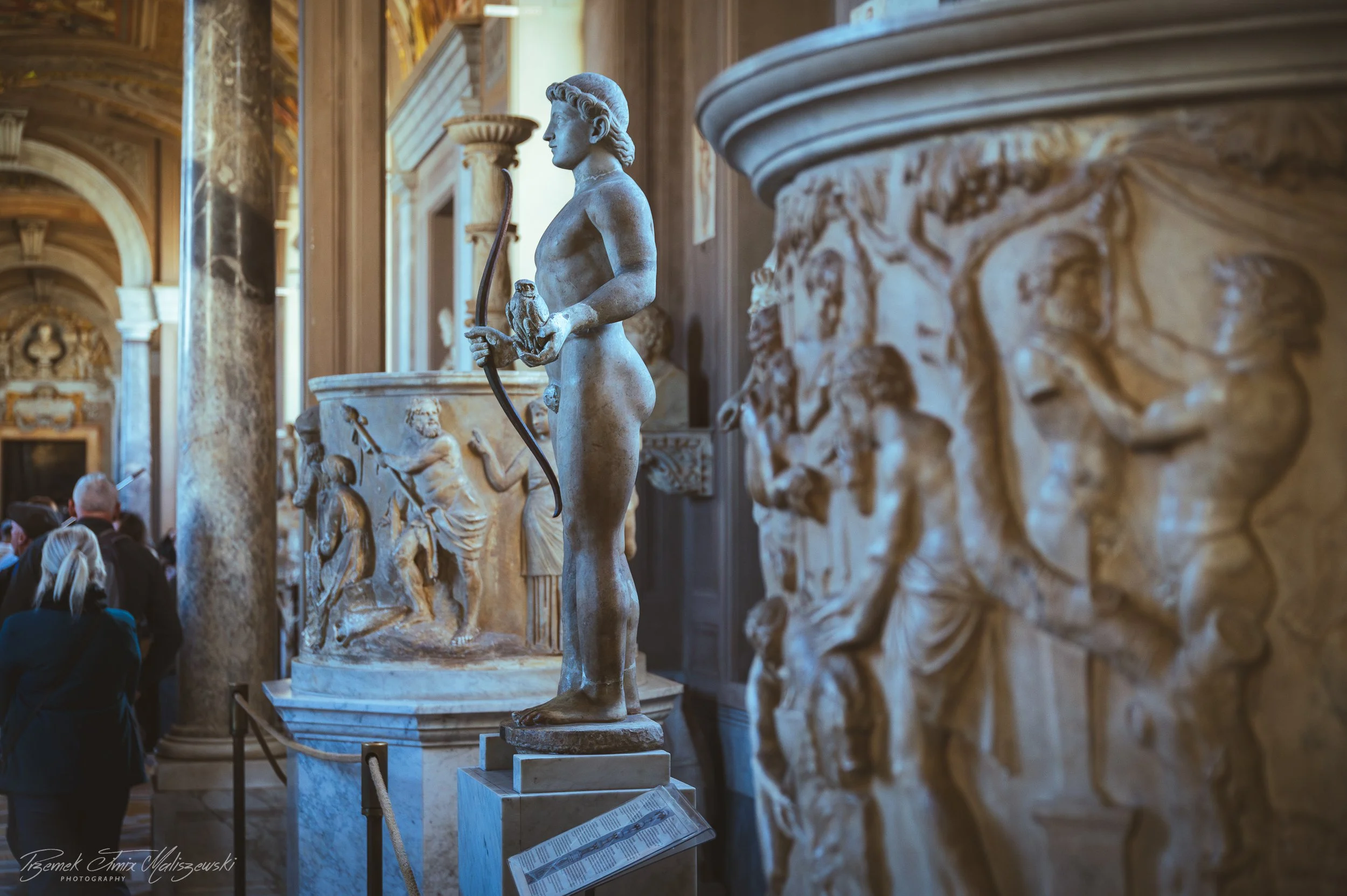
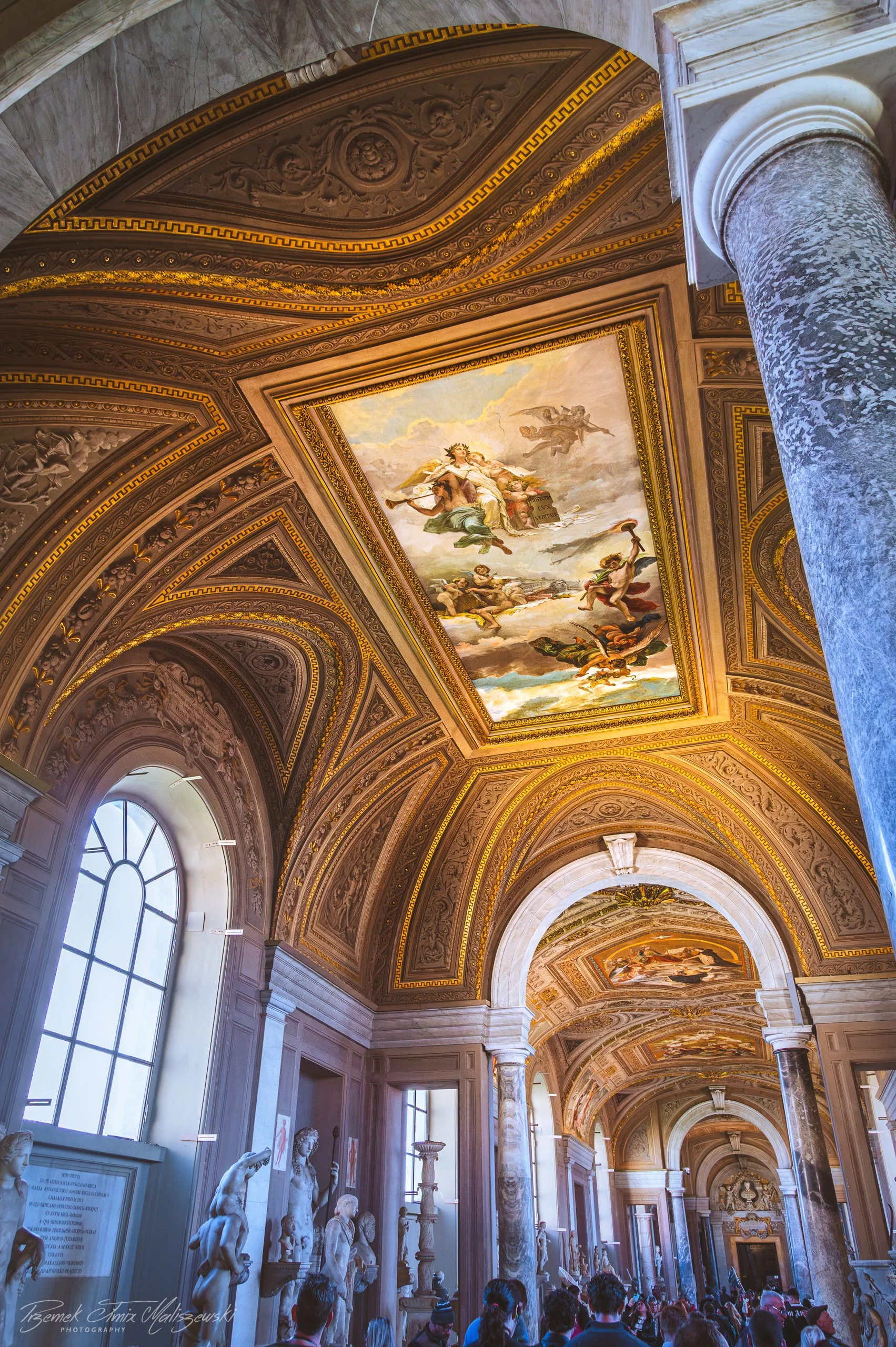
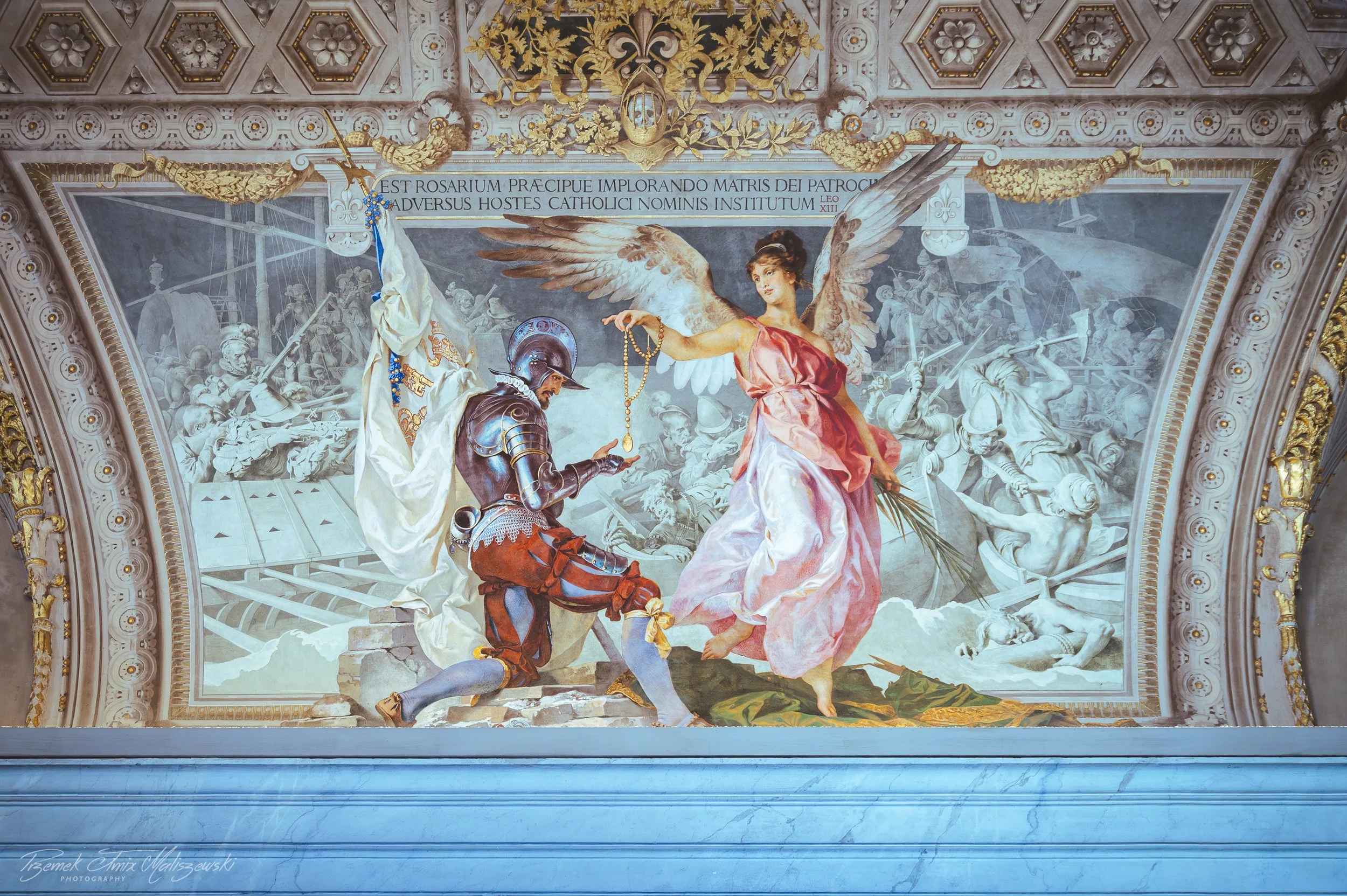
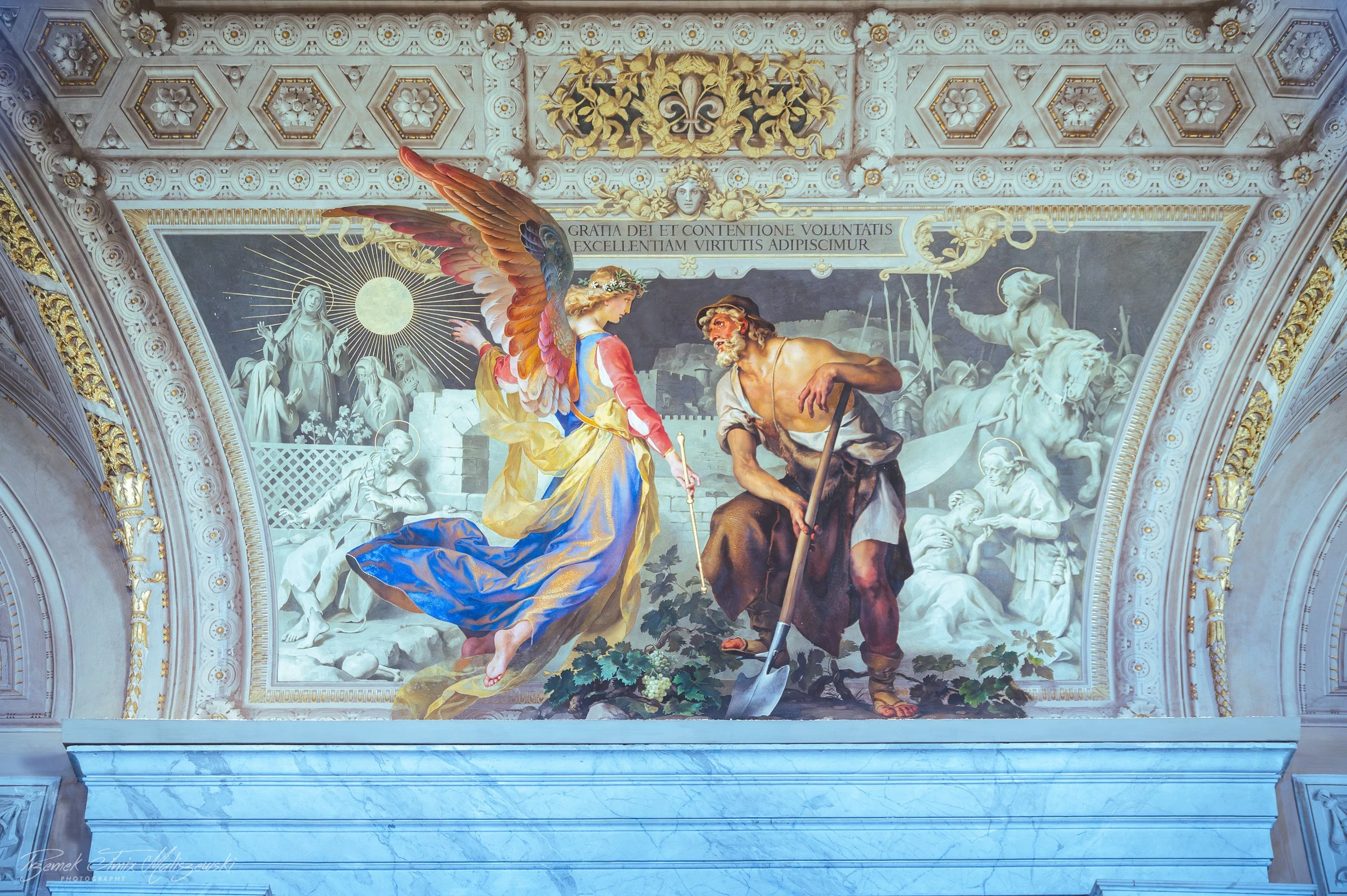
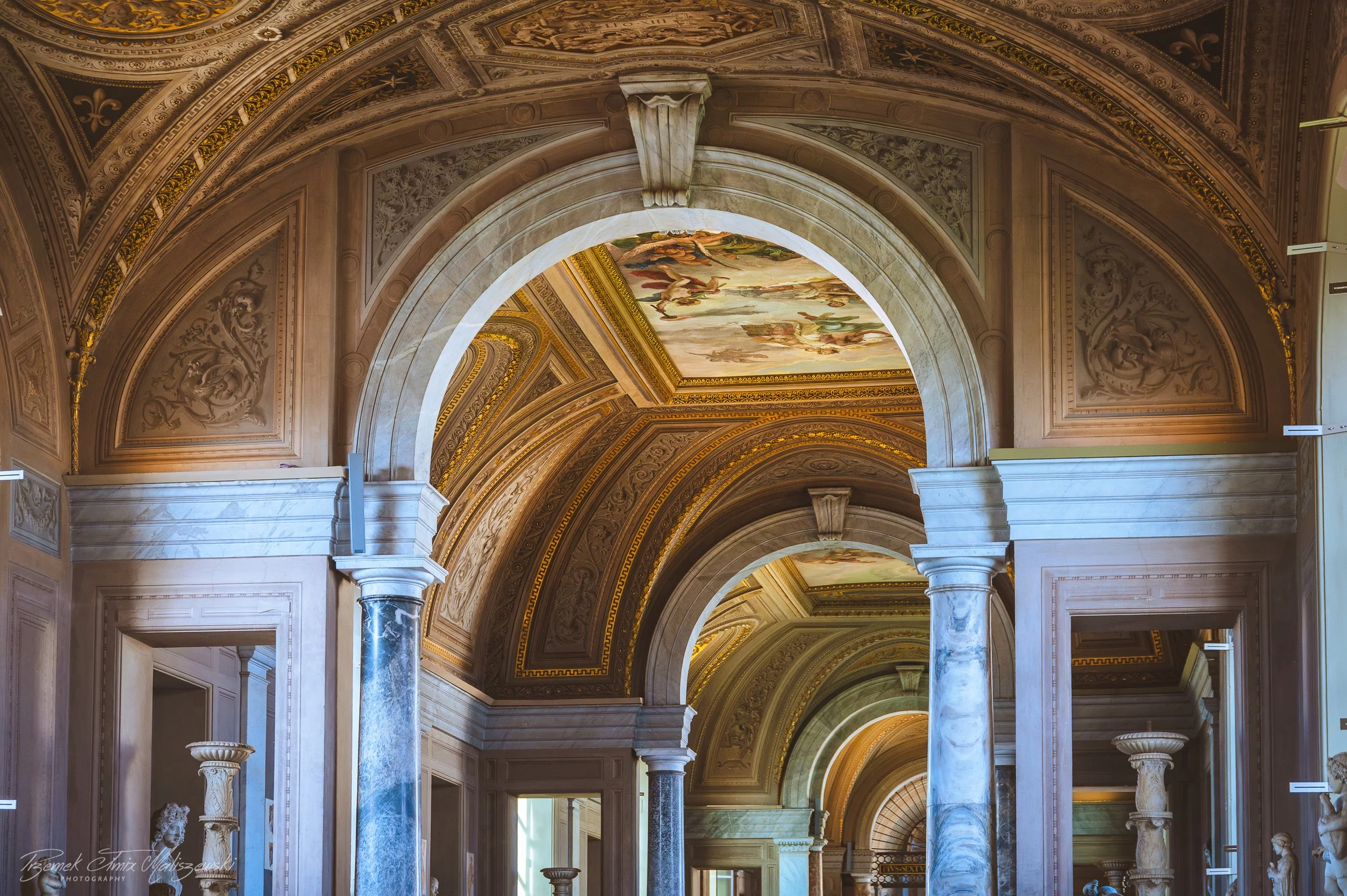
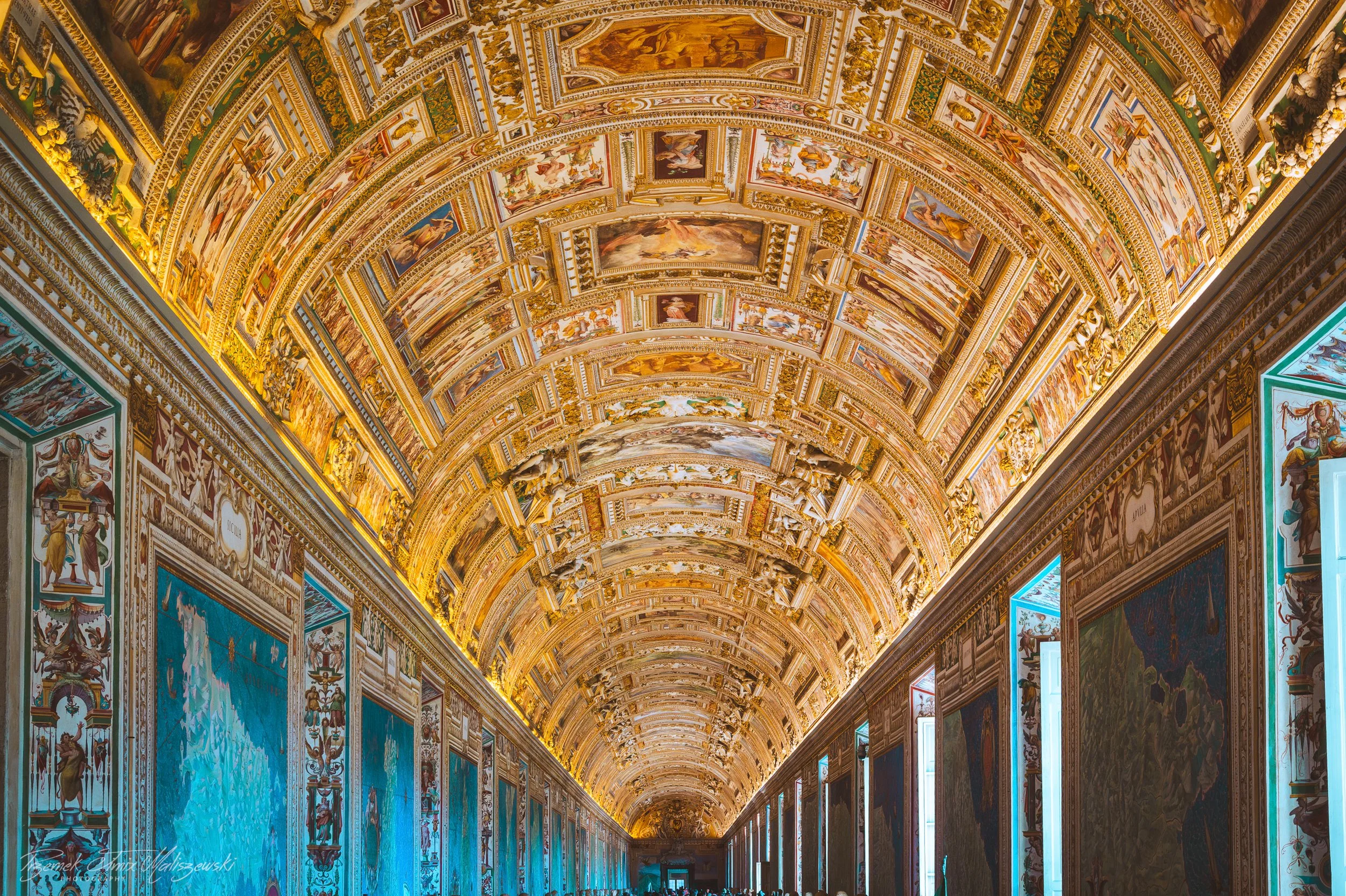
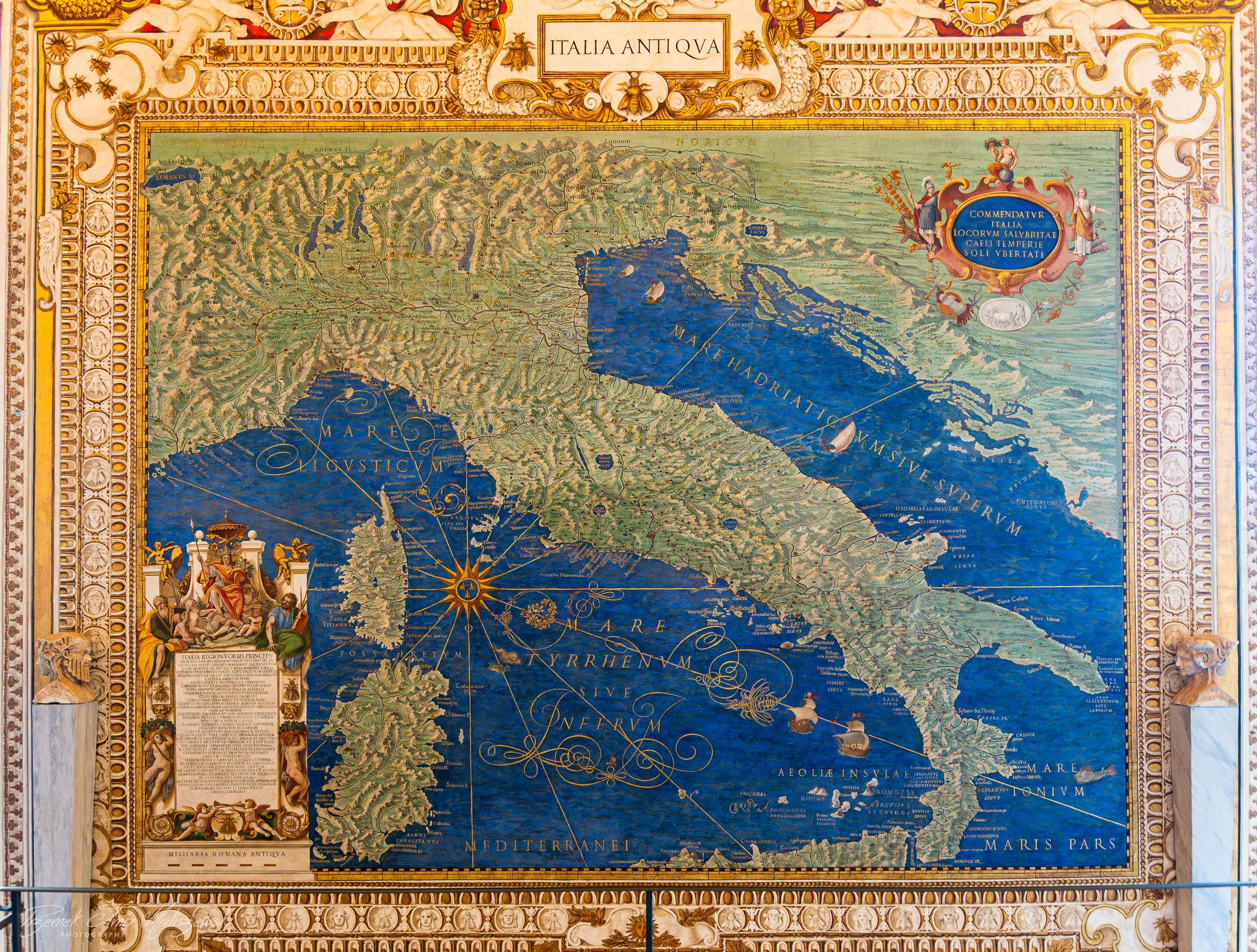
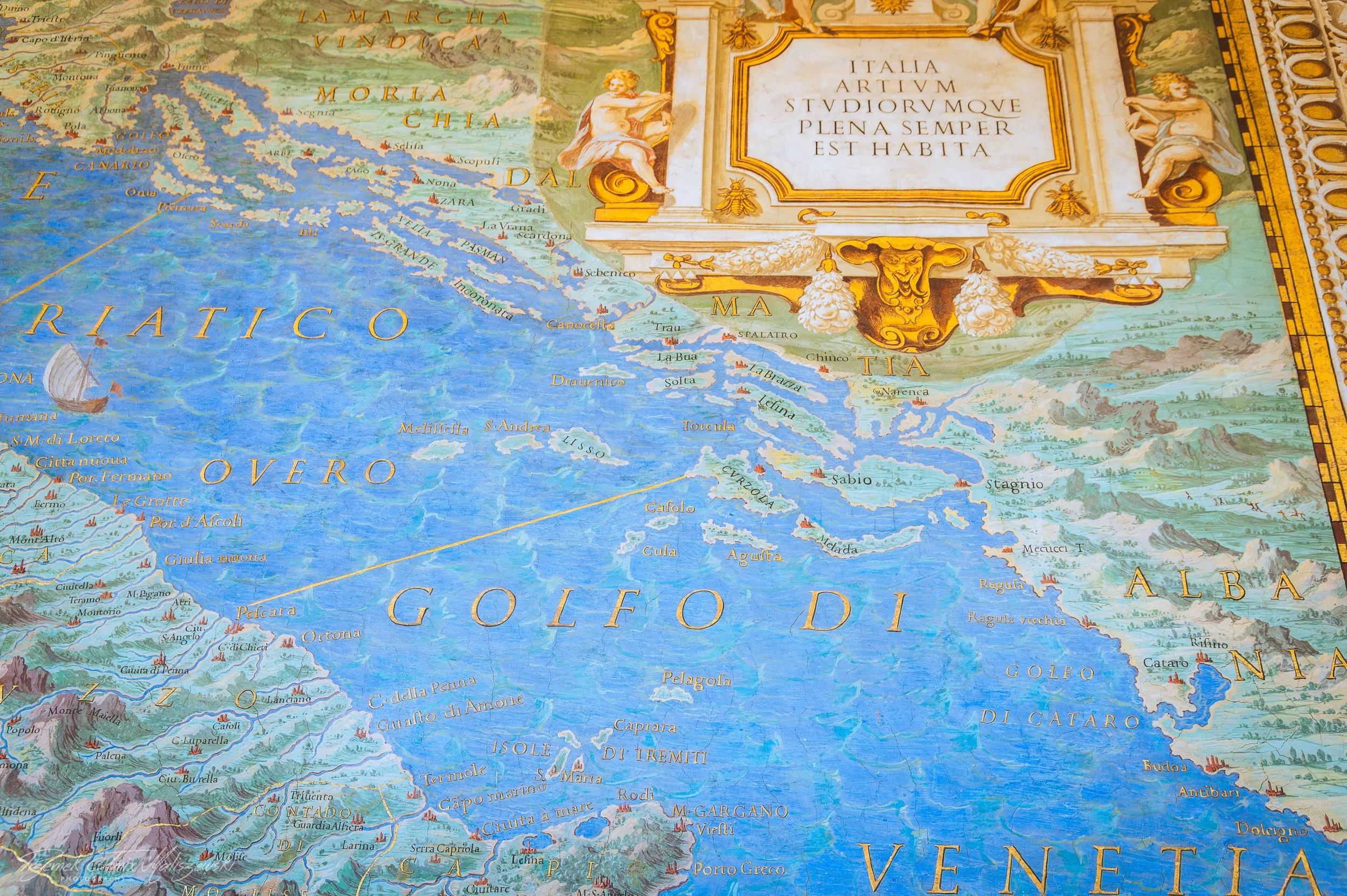
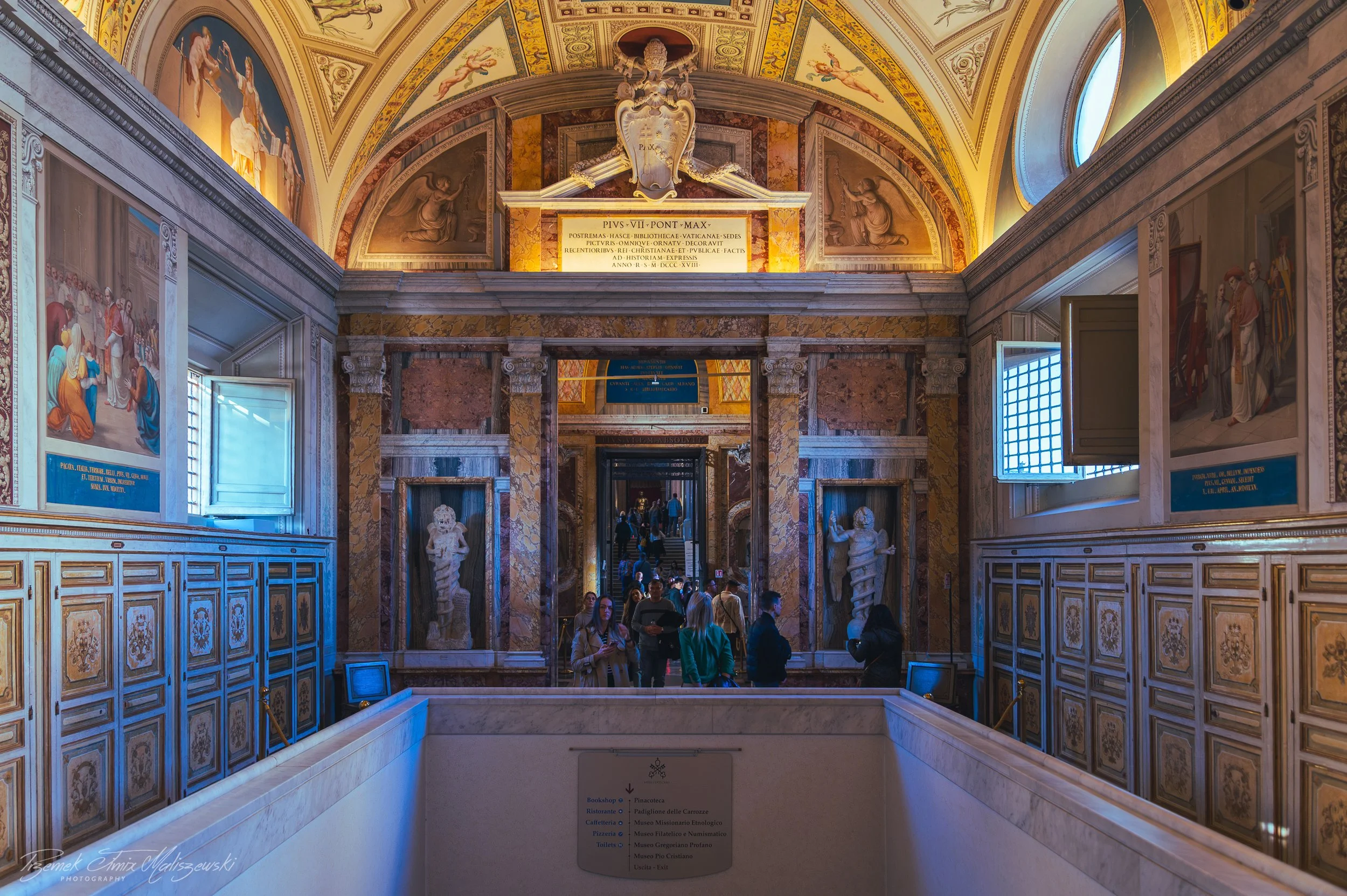
And with that, I think I will conclude this first 'return' entry. I’ll end it with a reflection on how vital endurance and immutability are for a person. That is why Rome is so magnetic (it’s the same reason I am drawn to the Pelješac Peninsula). People, it seems, need stability—at least in certain matters. In the long run, we feel uneasy in an environment of constant change. We crave predictability. Not just physically, in terms of our surroundings, but also in politics or in the decisions made at our workplace. We want stability; we want the continuation of positive phenomena and good decisions.
We feel good visiting a place that doesn't change drastically, a place that endures. It is pleasant to return to a favorite spot for a holiday and see it just as it was when we were younger. It is then that we feel a true connection to the place; we feel our own presence within it and the footprint we've left behind. We feel 'at home.' We feel like part of something much greater than ourselves. We feel like part of the history of that place and a significant point on the timeline. This is exactly how I felt while watching the archival video of Wojtyła’s election. By being in the Eternal City myself, I became a part of its history, and I know that—in some small way, if only through these photographs—I have inscribed myself into its slowly flowing time.
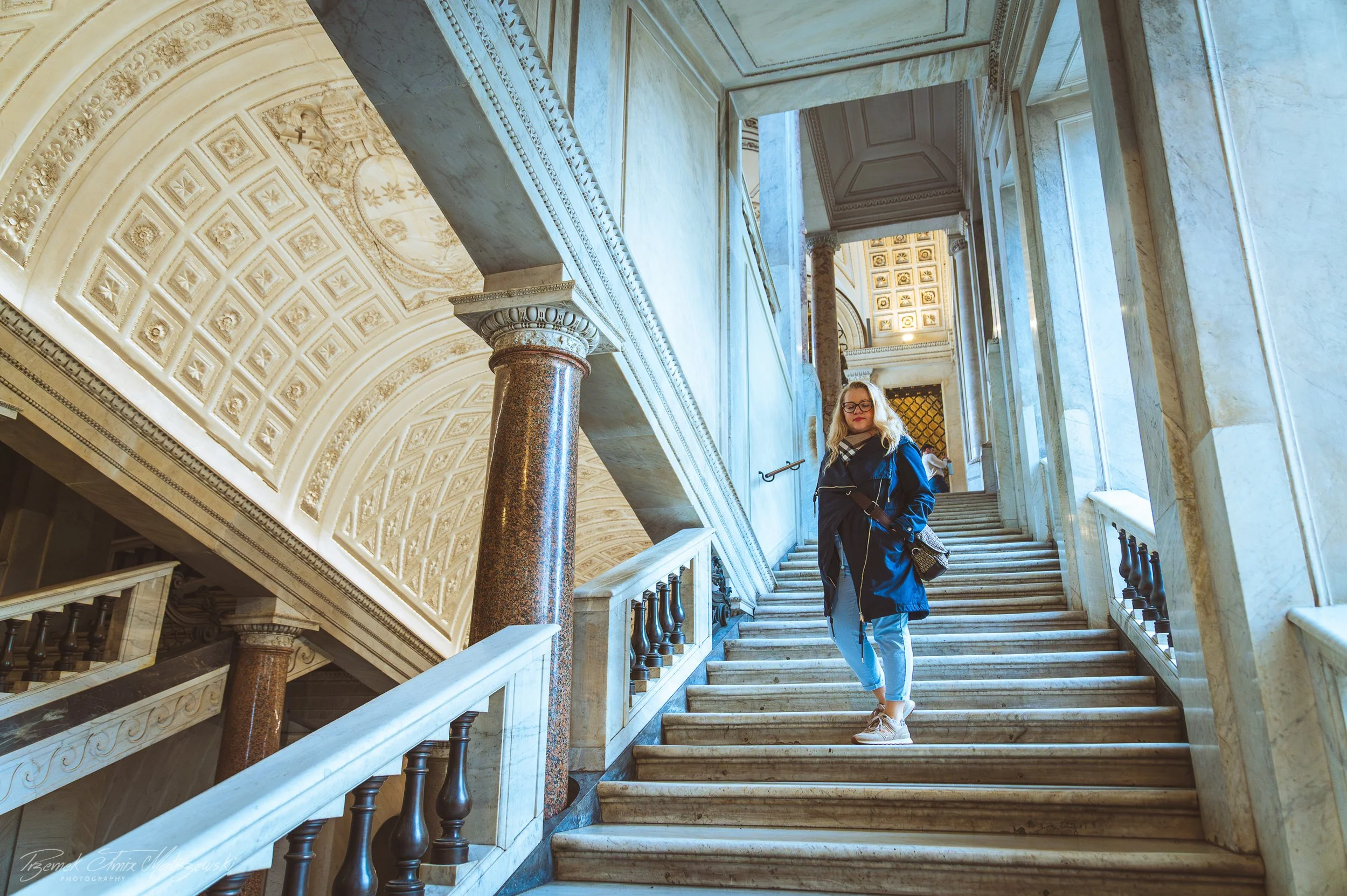
The Giuseppe Momo stairs (designed in 1932), also known as the Bramante Staircase—drawing inspiration from Donato Bramante’s 1505 original—in the Vatican Museums.
It looks like a sculpture of a homeless man, but if you look closely at the feet, you immediately realize who it is. 'Homeless Jesus' by Timothy Schmalz, Trastevere.

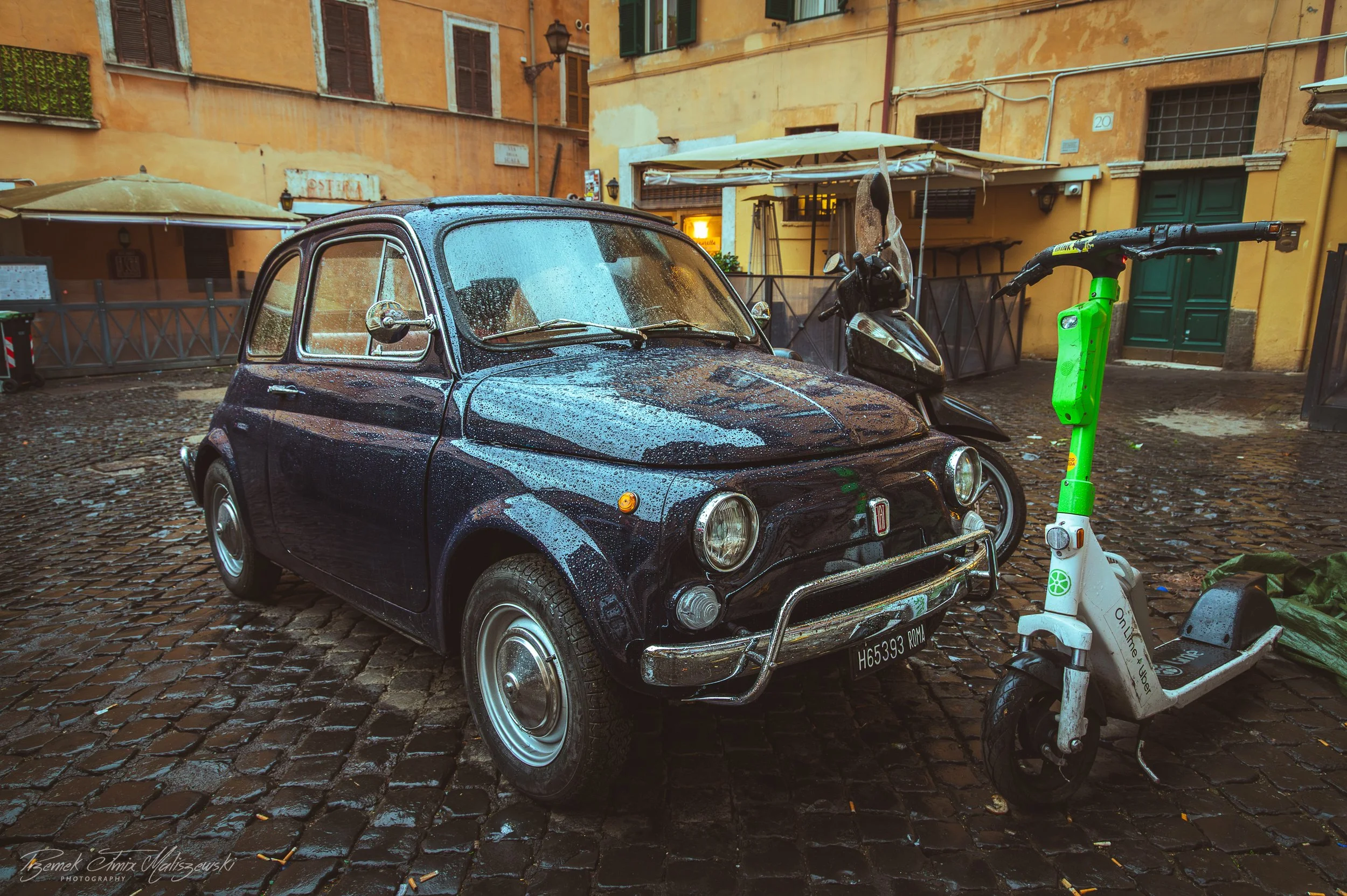
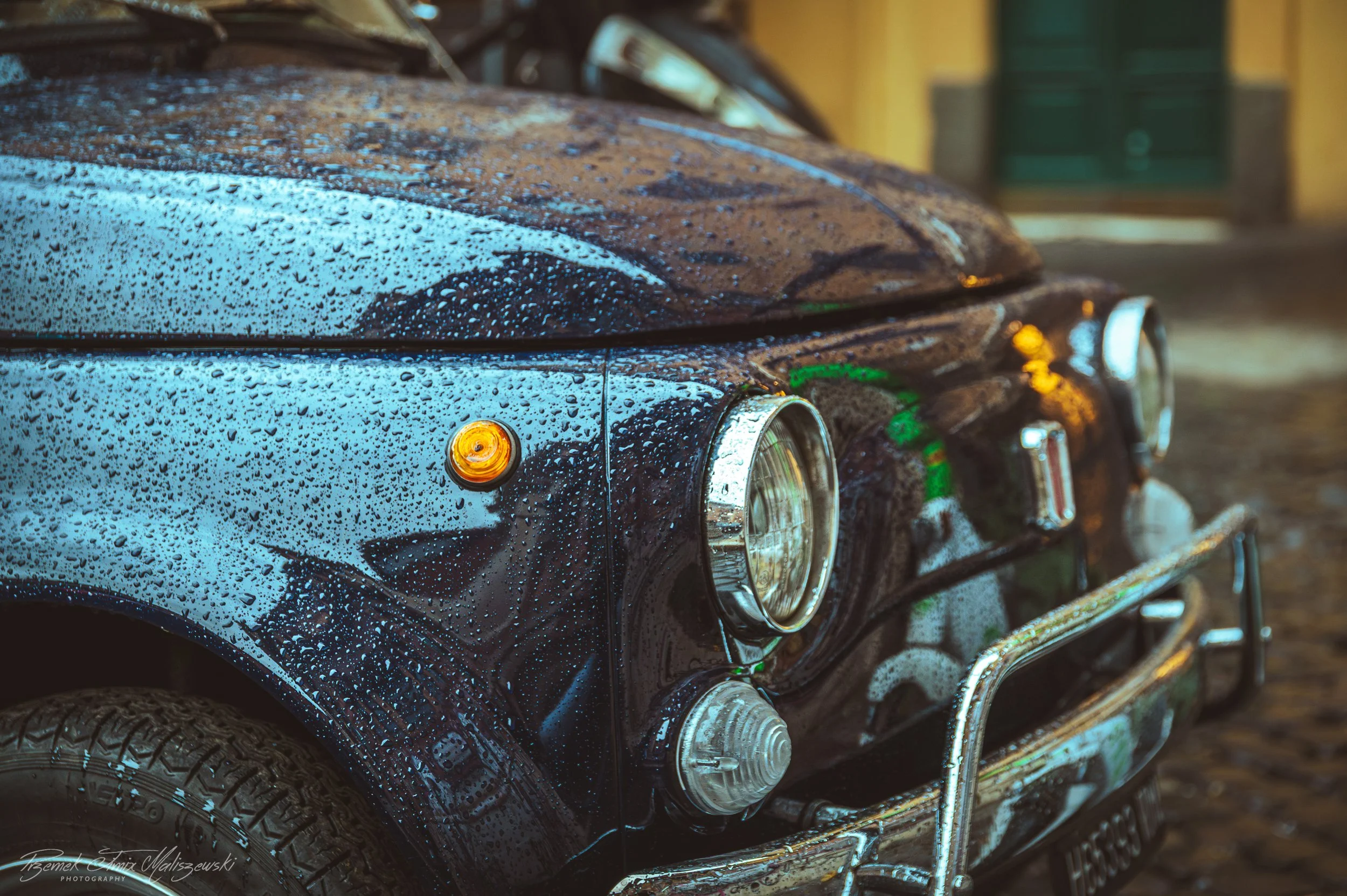
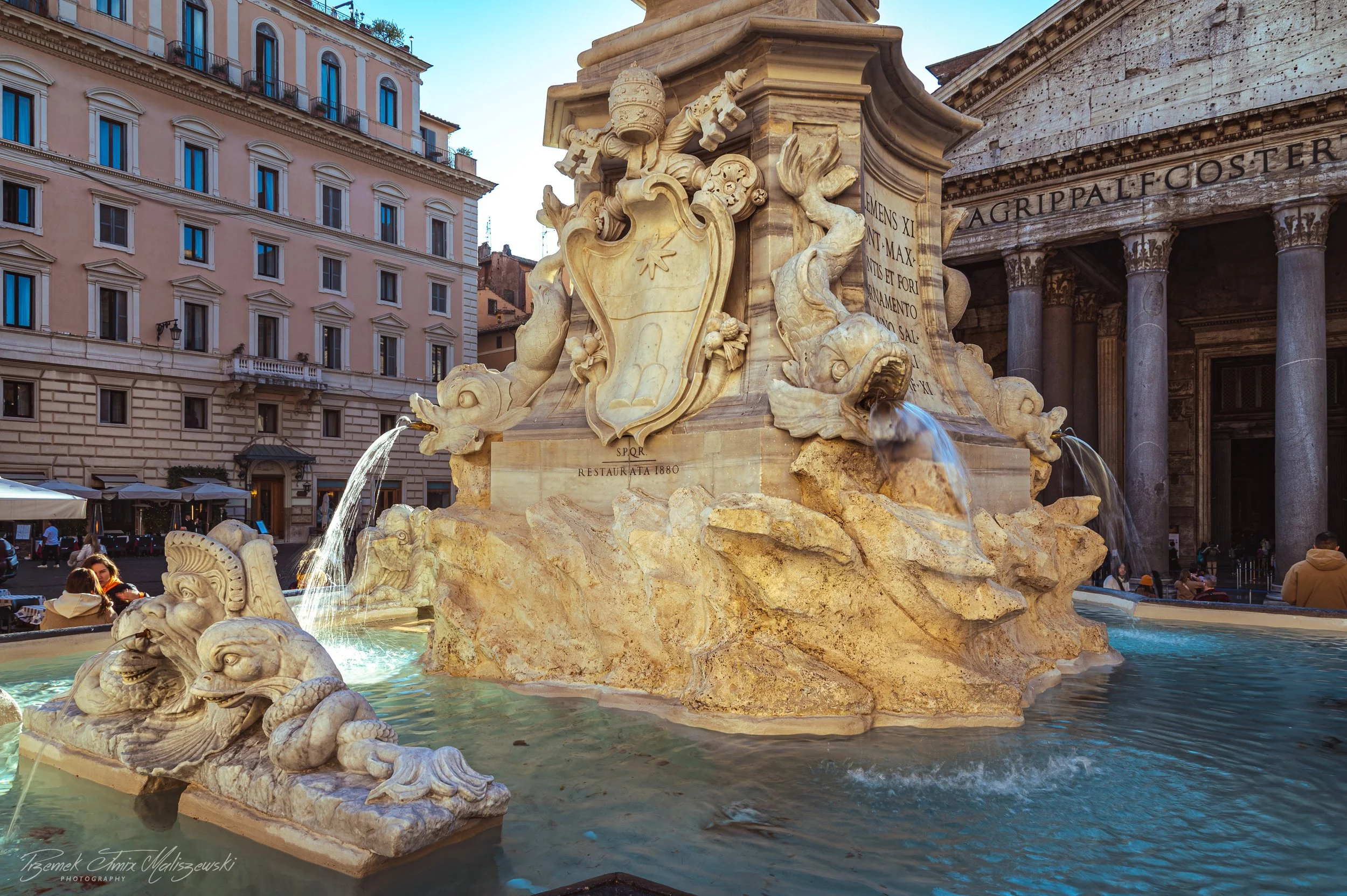
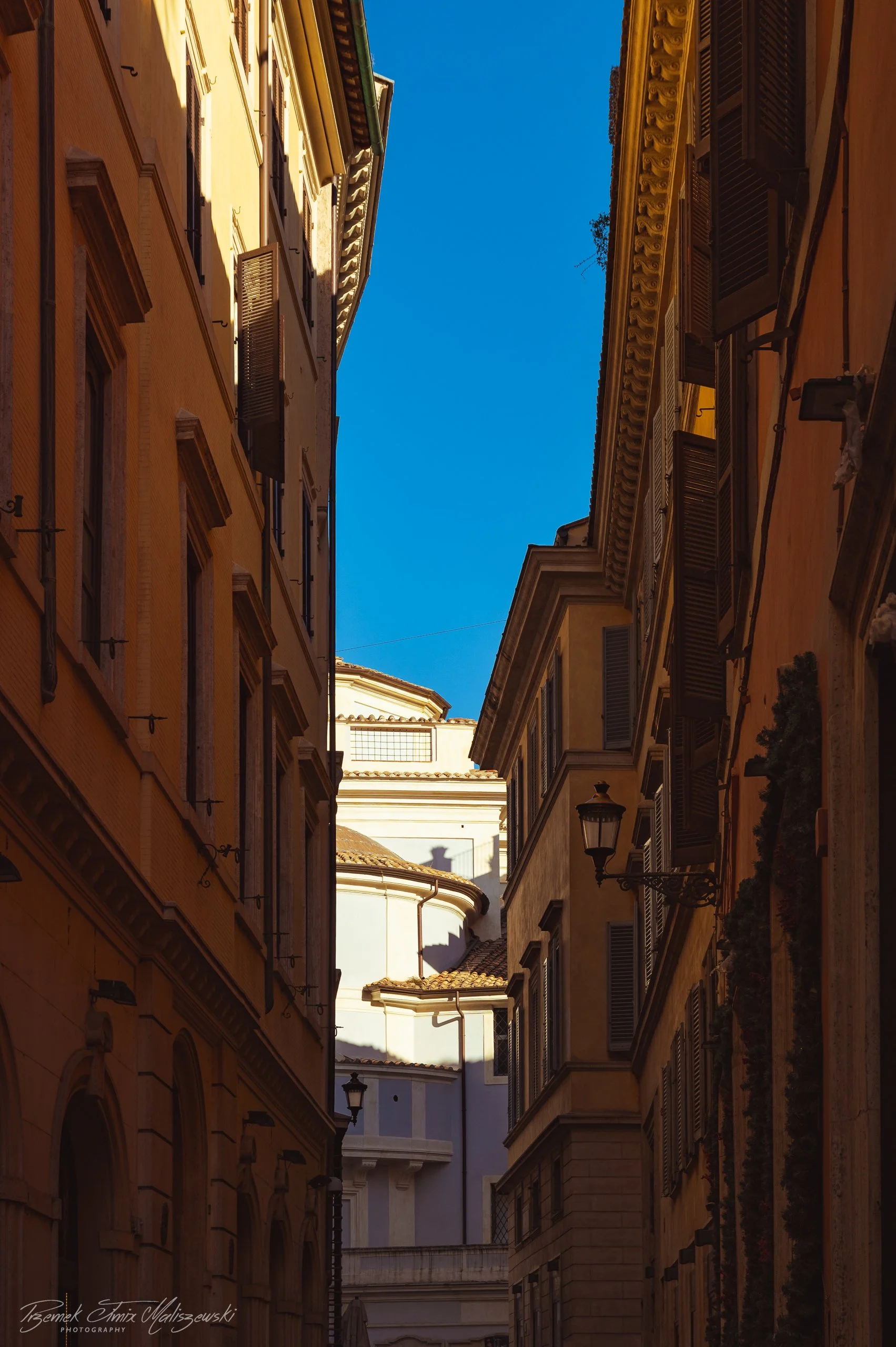
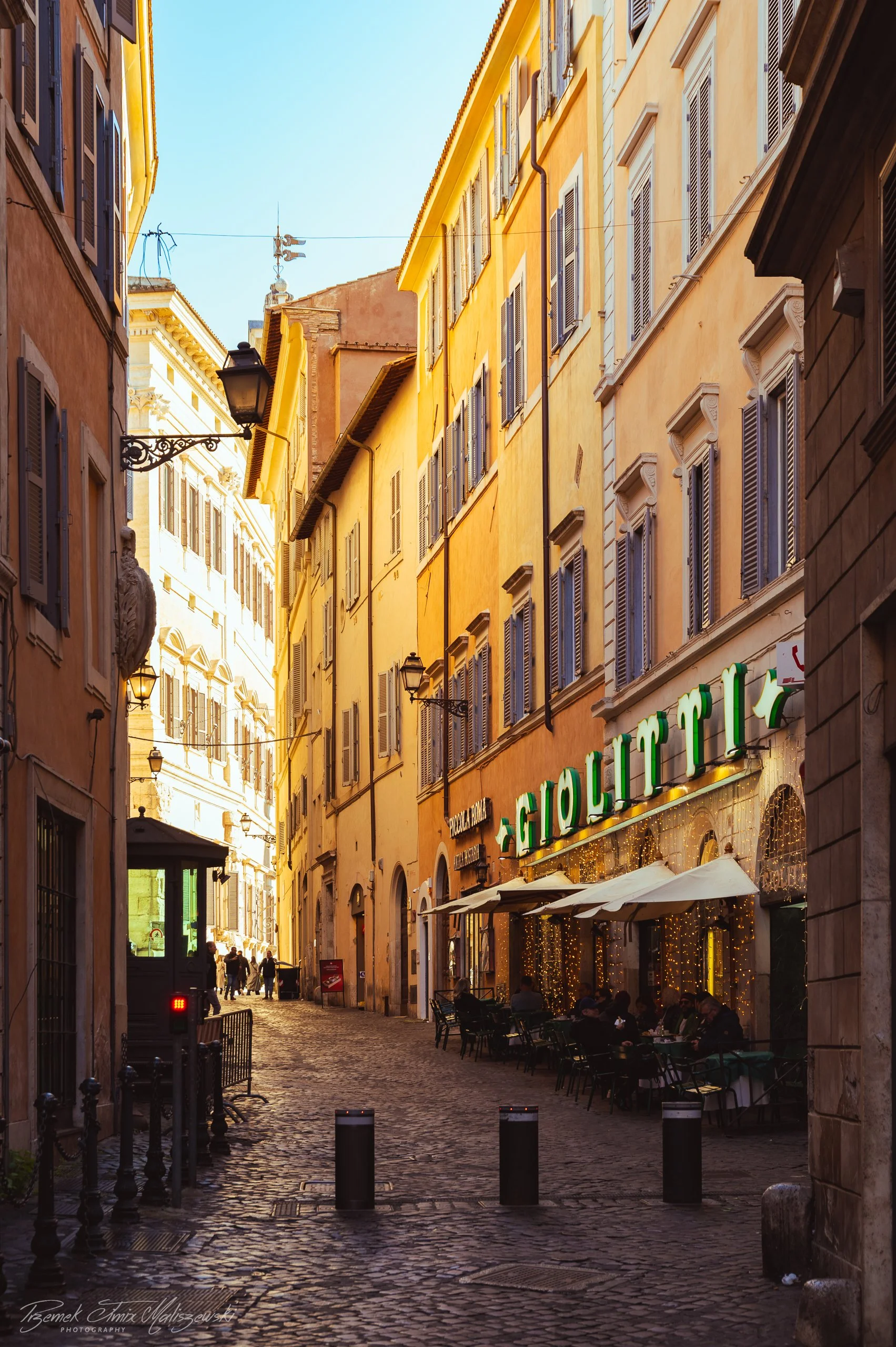
Rainy Trastevere.
Isola Tiberina seen from Ponte Garibaldi (the Garibaldi Bridge).
'Crucifixion' (1928) by Gerardo Dottori (1884–1977), Vatican Museums. Dottori was an Italian Futurist painter who lived in Perugia his entire life. He had a particular fondness for Umbria, portraying its landscapes as if seen from a great height. He served as the Director of the Academy of Fine Arts in Perugia, where he taught until 1966. His style was Futurism, sharing certain elements with Art Deco—specifically a branch of Futurism known as Aeropittura (aeropainting). This was a popular Italian movement in the 1930s inspired by flight. I like this painting very much.
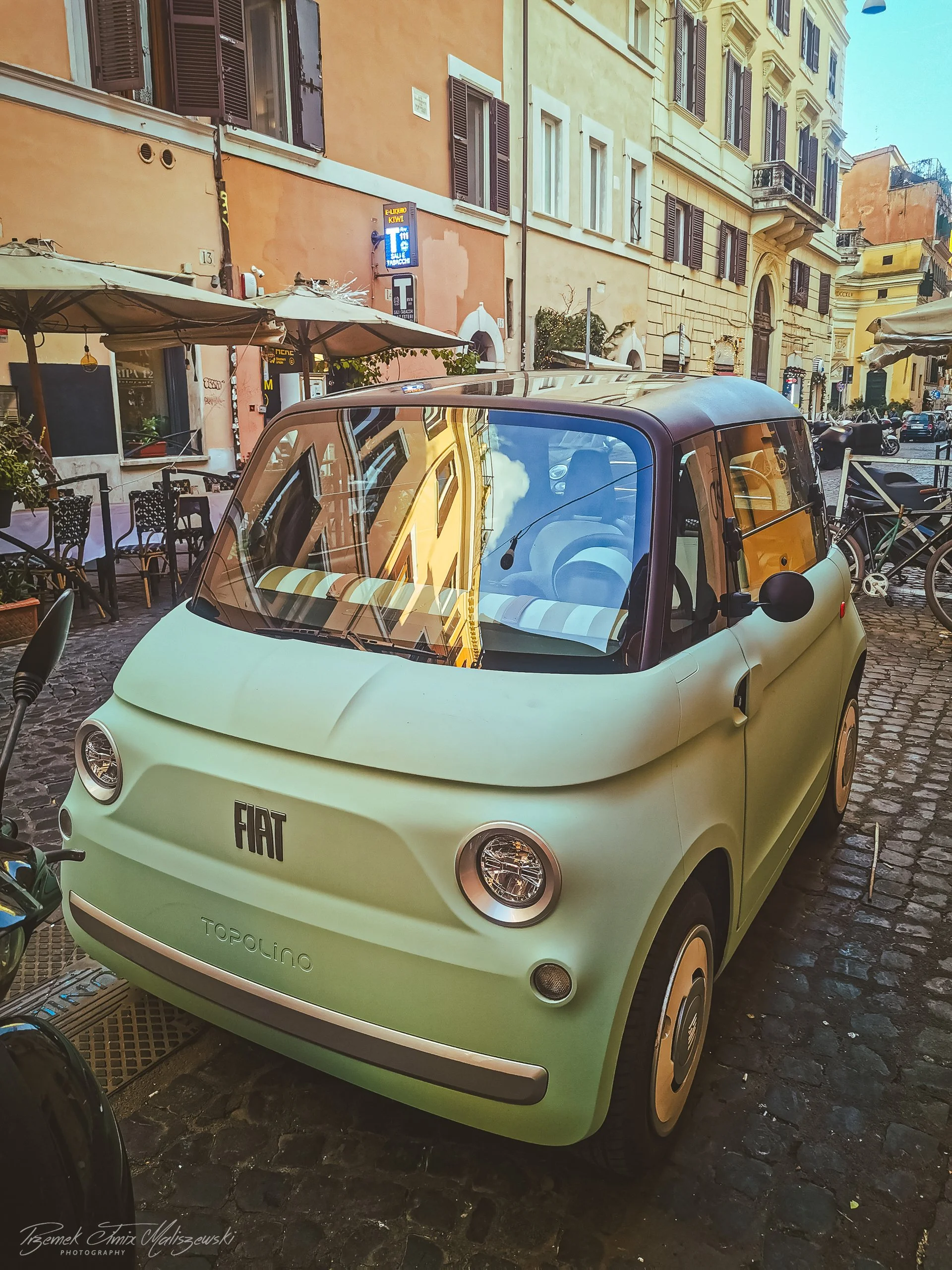
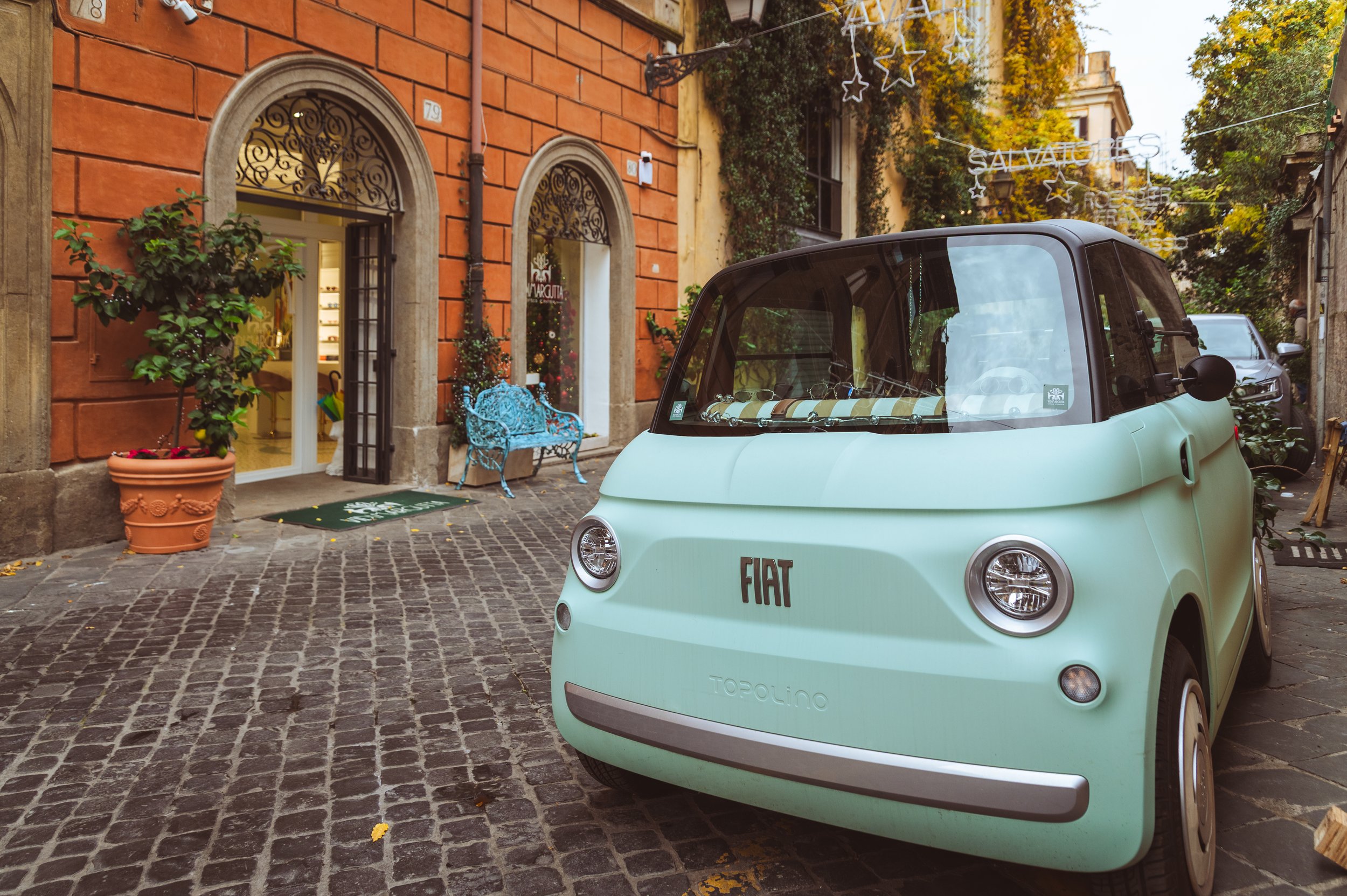
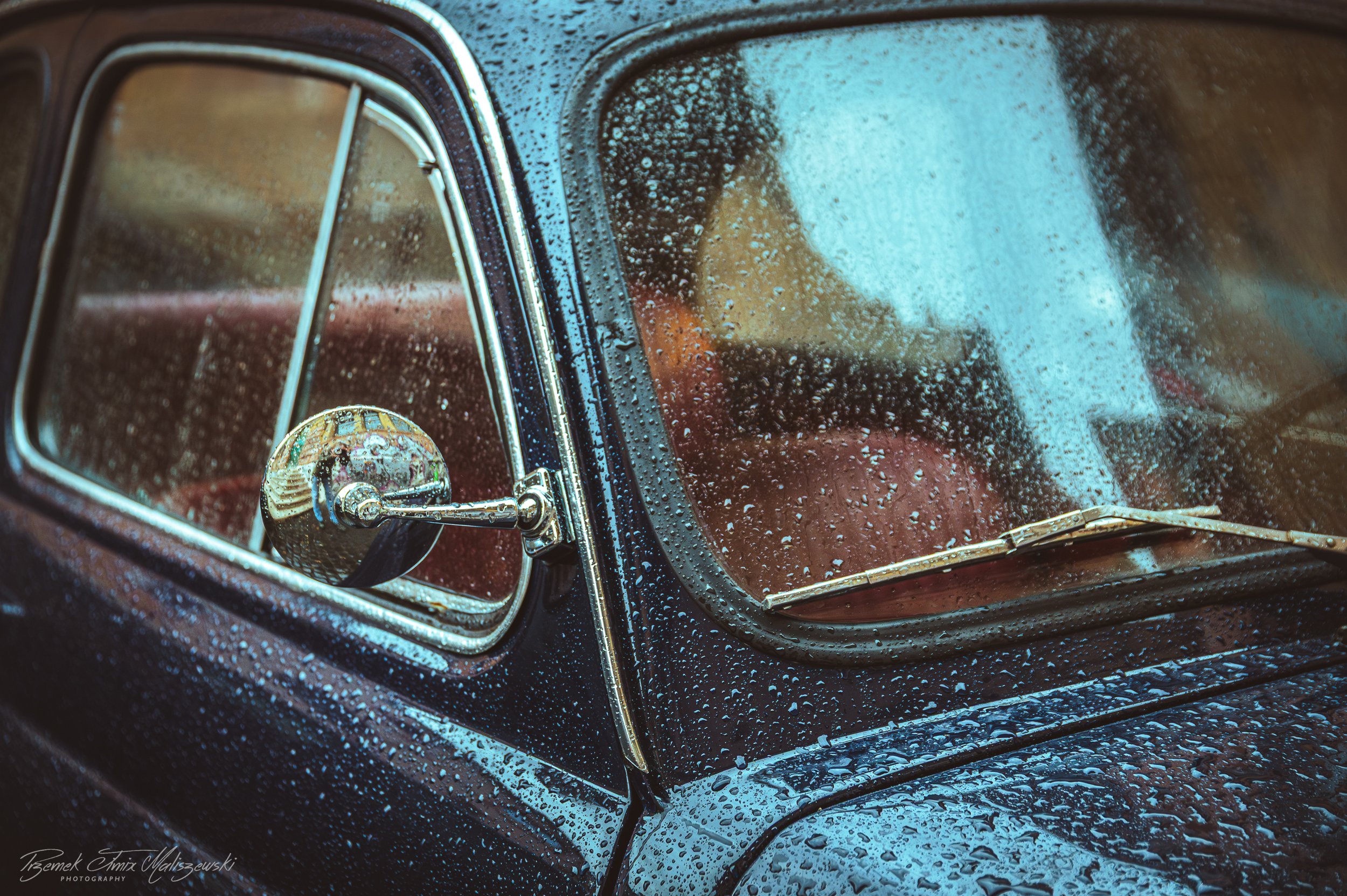
FIAT Topolino.
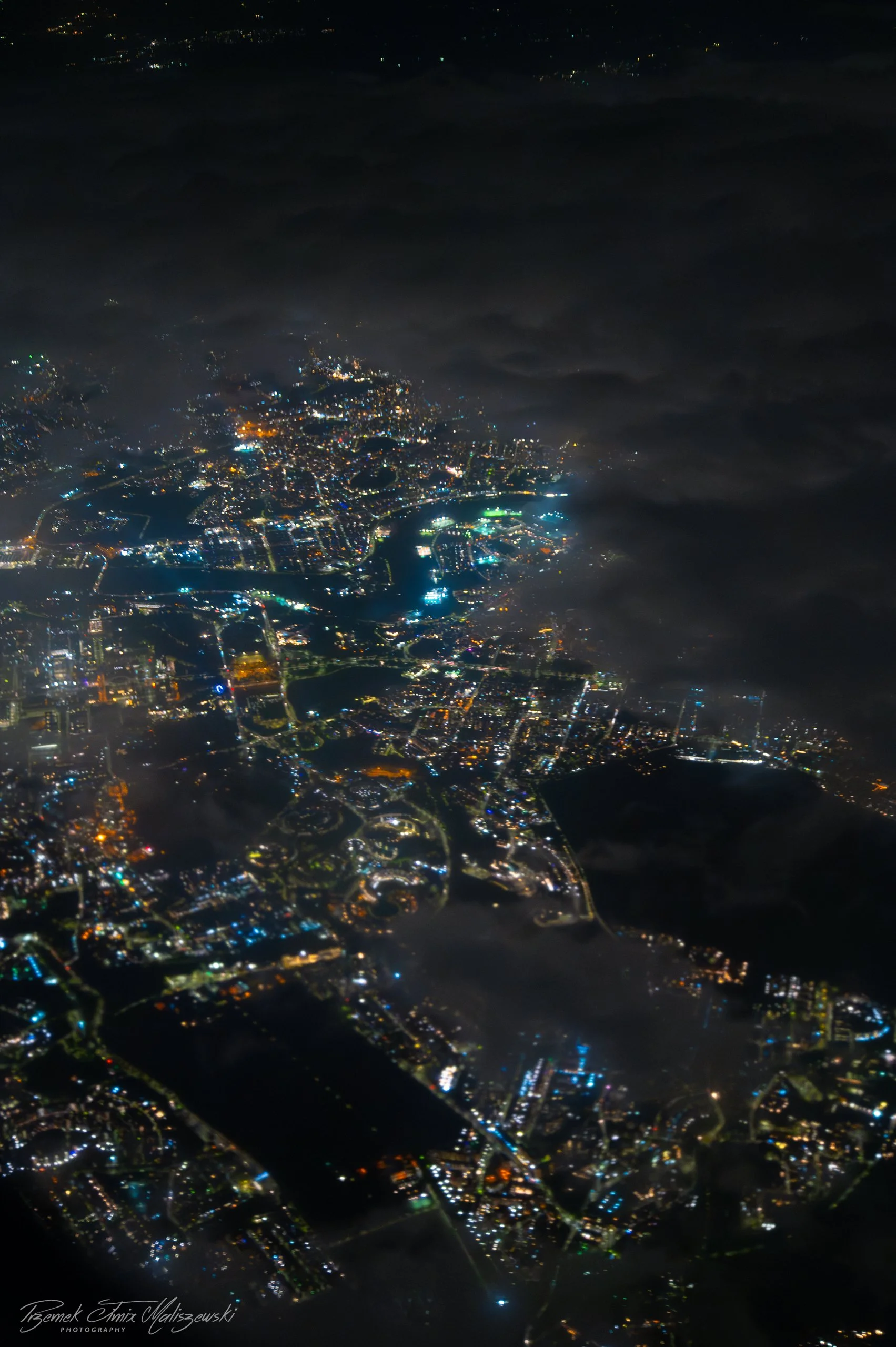
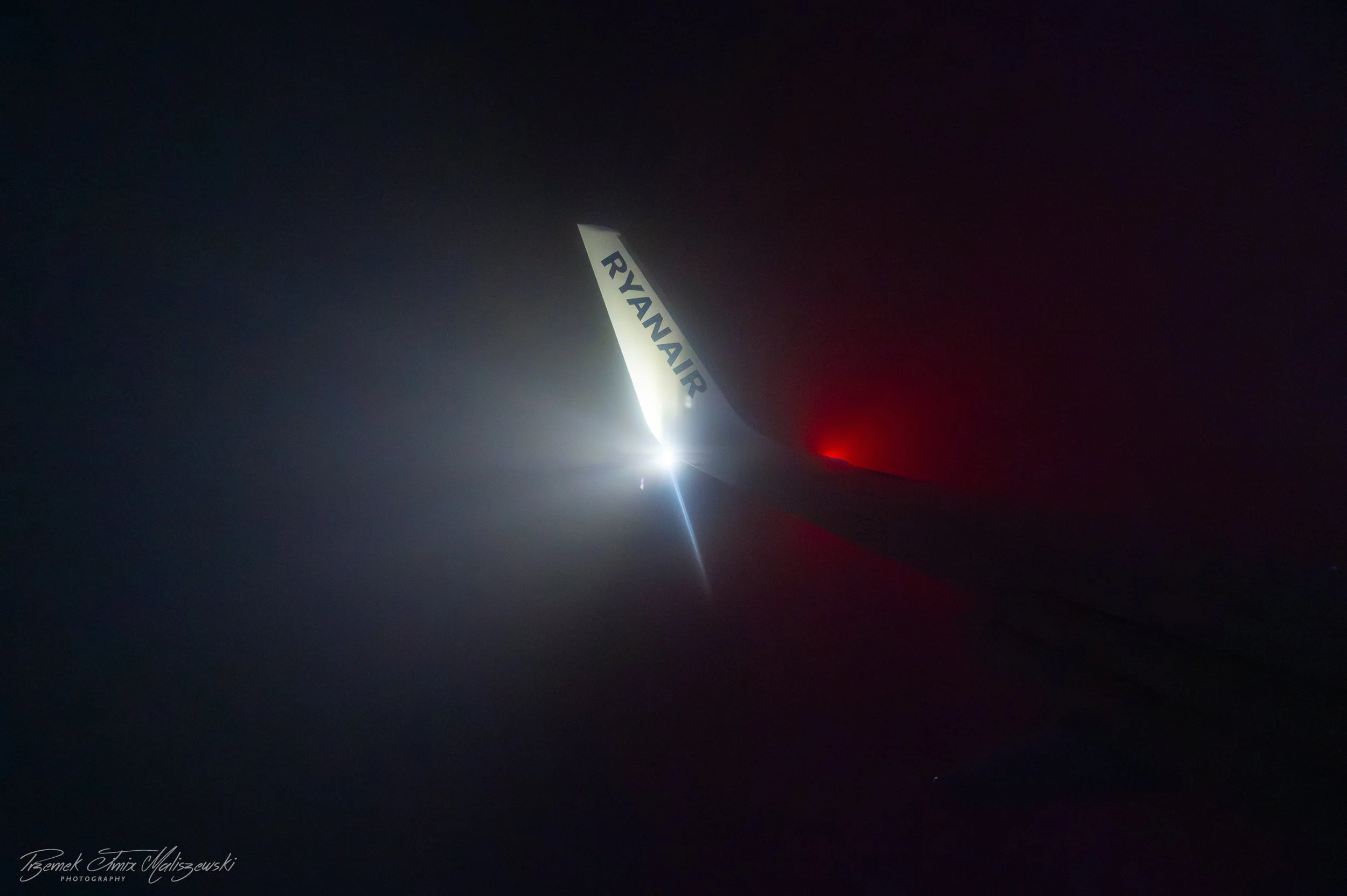
There has to be a photo of the means of transport at the end.
